
Finding qualified candidates is only half the challenge.
The bigger problem is keeping them engaged and moving them through your hiring pipeline before they lose interest or accept another offer.
That is why more recruiting teams are turning to recruiting CRM software. It helps you build stronger candidate relationships, automate communication, and create a talent pipeline that is always ready for future hiring needs.
In this guide, you'll learn:
- Key features to look for in a recruiting CRM
- The 10 best CRM for recruiting
- How to choose the right platform
- Why Leelu.AI stands out for modern hiring teams
Key Features to Look for in a Recruiting CRM
Once you understand why a recruiting CRM matters, the next step is knowing what separates a great platform from an average one.
The right CRM should do more than store candidate information. It should help you attract, engage, and manage talent more efficiently throughout the hiring process.
1. Candidate Database Management
Your candidate database is the foundation of every recruiting effort.
A good recruiting CRM should keep resumes, contact details, communication history, interview feedback, and notes in one place.
This makes it easier to revisit past candidates and build long-term talent pipelines instead of starting every search from scratch.
2. AI-Powered Candidate Matching
Finding qualified candidates becomes difficult when you are dealing with hundreds of profiles.
AI-powered matching helps by analyzing skills, experience, qualifications, and job requirements to surface the most relevant candidates.
As a result, you spend less time reviewing resumes and more time connecting with top talent.
3. Automated Candidate Outreach
Even the best candidates can lose interest if communication slows down.
That is why automated outreach is an essential CRM feature.
It allows you to send personalized emails, follow-ups, and nurture campaigns at scale while ensuring candidates stay engaged throughout the hiring journey.
4. Talent Pool Segmentation
As your candidate database grows, organization becomes increasingly important.
Talent pool segmentation allows you to group candidates based on skills, experience, location, industry, or hiring stage.
This helps you run more targeted campaigns and quickly identify suitable candidates when new roles open up.
Suggested Reading:
Talent Relationship Management5. Recruitment Analytics and Reporting
Recruitment decisions become stronger when they are backed by data.
Analytics and reporting tools help you track sourcing performance, response rates, pipeline health, and hiring timelines.
These insights make it easier to identify bottlenecks and improve recruiting outcomes over time.
6. ATS and HR Tech Integrations
Recruiting teams often rely on multiple tools to manage hiring activities.
A recruiting CRM should integrate seamlessly with your ATS, calendars, email platforms, and other HR systems.
Strong integrations eliminate duplicate work and keep candidate information consistent across platforms.
7. Workflow Automation
Many recruiting tasks are repetitive and time-consuming.
Workflow automation helps streamline activities such as candidate screening, status updates, reminders, approvals, and follow-ups.
This allows your team to focus more on building relationships and less on administrative work.
8. Interview Scheduling Capabilities
Interview scheduling is often one of the most frustrating parts of the hiring process.
Coordinating calendars between recruiters, hiring managers, and candidates can create unnecessary delays.
A recruiting CRM with built-in scheduling tools automates this process, helping interviews get booked faster while creating a smoother candidate experience.
10 Best CRM for Recruiting to Build Stronger Candidate Pipelines
Now that you know which features matter most, the next step is finding a recruiting CRM that aligns with your hiring goals.
The platforms below help recruiters build talent pipelines, automate candidate engagement, and improve hiring efficiency at scale.
1. Leelu.AI
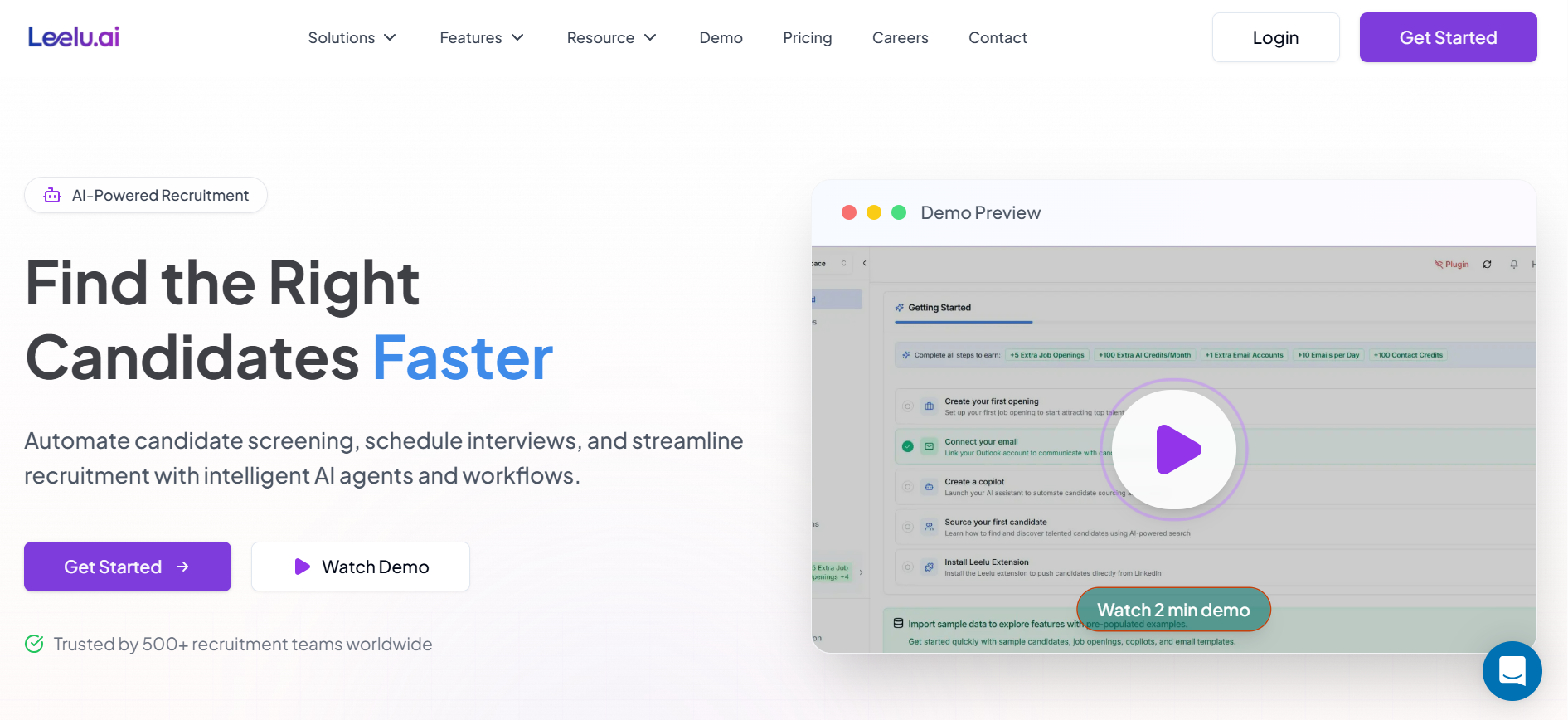
At its core, Leelu.AI is an AI recruiting agent designed to automate and streamline the hiring process.
Unlike traditional recruiting CRMs that focus primarily on candidate management, Leelu.AI helps recruiting teams reduce manual work, accelerate hiring cycles, and improve hiring efficiency through intelligent automation.
It also supports long-term candidate relationship management within a unified hiring platform.
Key Features
- Search and source candidates from 500M+ profiles across LinkedIn, job boards, and ATS systems
- AI-powered candidate matching and scoring to identify the best-fit talent faster
- Automated resume parsing and screening to shortlist qualified candidates in minutes
- Personalized outreach and automated follow-ups across email and LinkedIn
- Smart interview scheduling with automated calendar syncing
- Unified candidate profiles and talent pipeline management in a single platform
- End-to-end recruiting automation that handles sourcing, screening, engagement, and scheduling
Pros
- End-to-end recruiting automation
- Significant reduction in manual recruiting tasks
- Unified platform for sourcing and engagement
- Strong AI-driven candidate matching
Cons
- May offer more automation than smaller teams require
- Advanced features can involve an onboarding period
2. Bullhorn
Bullhorn is one of the most established recruiting CRM platforms, particularly popular among staffing and recruitment agencies.
It combines CRM, ATS, and workforce management capabilities within a single ecosystem.
Key Features
- Candidate relationship management
- Recruitment workflow automation
- Built-in ATS functionality
- Email and communication tracking
- Reporting and analytics dashboards
- Third-party integrations
Pros
- Well-suited for staffing firms
- Extensive integration marketplace
- Mature and scalable platform
Cons
- User interface can feel dated
- Higher implementation complexity for some teams
3. Recruit CRM
Recruit CRM is built specifically for recruitment agencies looking for a simple and modern CRM solution.
The platform focuses on candidate management, client relationships, and recruiting workflow efficiency.
Key Features
- Candidate and client database management
- Resume parsing capabilities
- Email integration and outreach tools
- Pipeline and workflow tracking
- Recruitment reporting
- Mobile recruiting support
Pros
- Easy-to-use interface
- Strong agency-focused functionality
- Competitive pricing for smaller teams
Cons
- Limited advanced AI capabilities
- Fewer enterprise-level customization options
4. Loxo
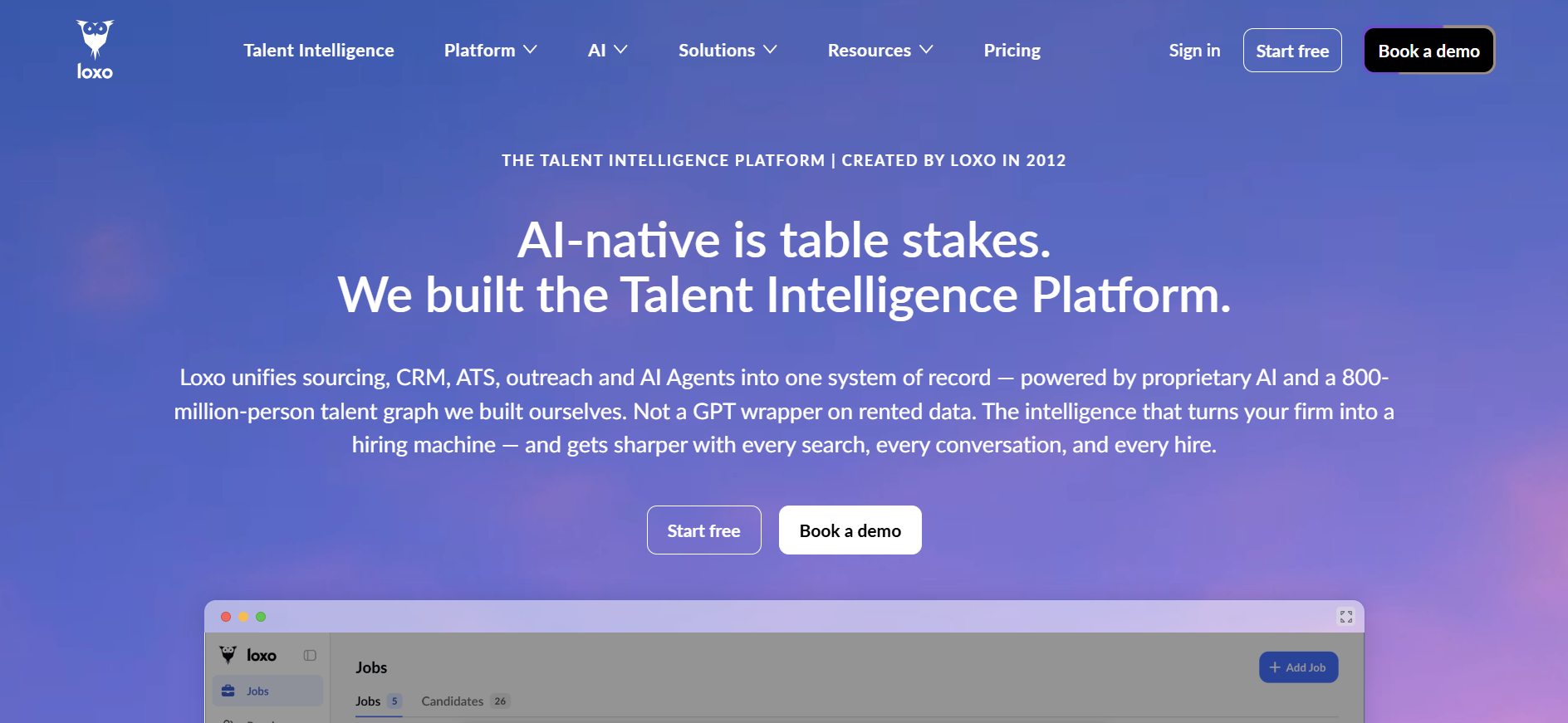
Loxo combines recruiting CRM functionality with AI sourcing tools to help teams identify and engage candidates more efficiently.
Its built-in talent intelligence capabilities make it attractive for recruiters managing large candidate databases.
Key Features
- AI-powered candidate sourcing
- Talent relationship management
- Automated outreach campaigns
- Candidate enrichment tools
- Recruitment analytics
- Integrated ATS functionality
Pros
- Strong sourcing capabilities
- Built-in talent intelligence features
- Useful automation tools
Cons
- Some advanced features require higher-tier plans
- Learning curve for new users
5. Lever
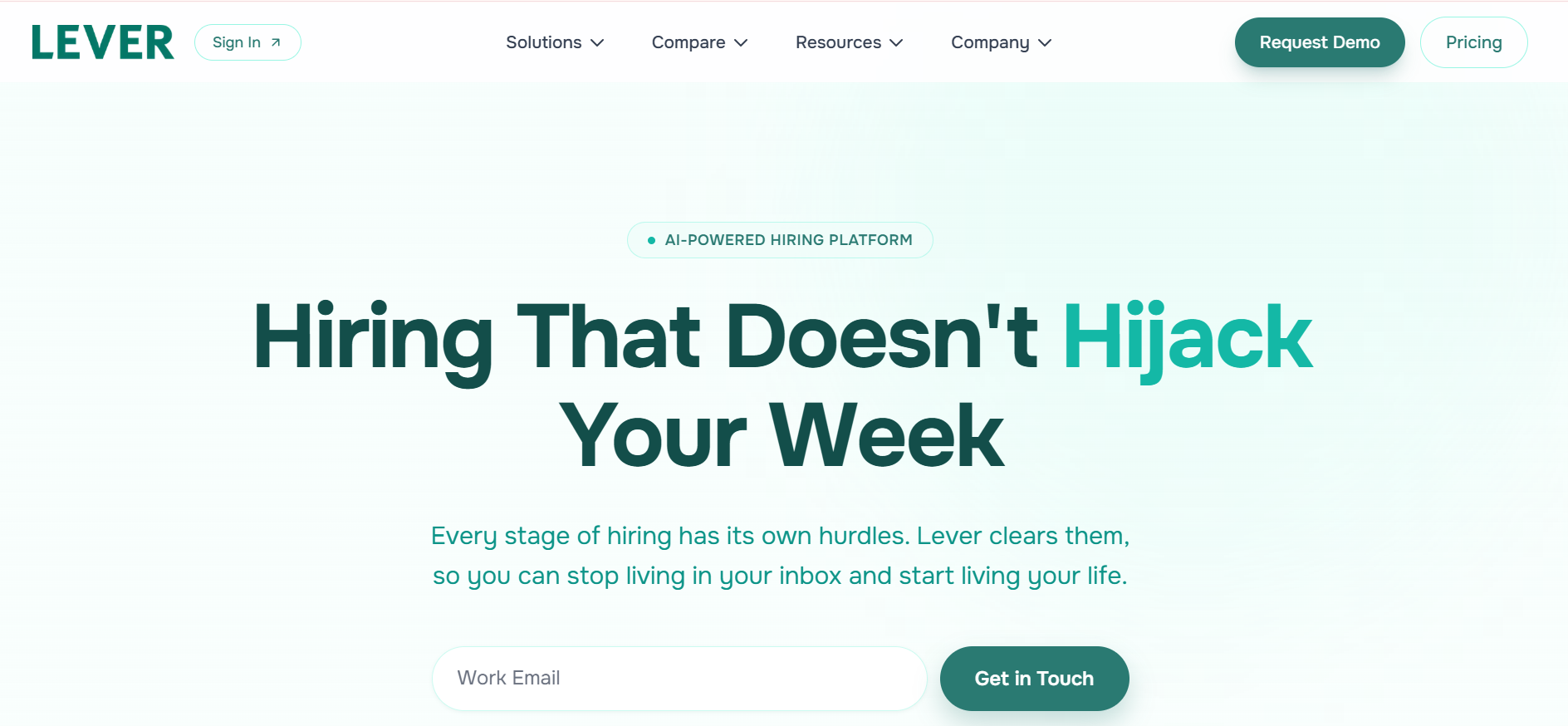
Lever is a recruiting platform that combines ATS and CRM functionality to help organizations build stronger talent relationships.
It is particularly popular among growing companies that want a collaborative hiring process.
Key Features
- Candidate relationship management
- Talent nurturing campaigns
- Interview scheduling tools
- Recruitment analytics dashboards
- Workflow automation
- Integrations with HR and recruiting software
Pros
- User-friendly interface
- Strong collaboration features
- Effective candidate nurturing tools
Cons
- CRM functionality may be less robust than specialized platforms
- Premium pricing for advanced capabilities
6. Greenhouse
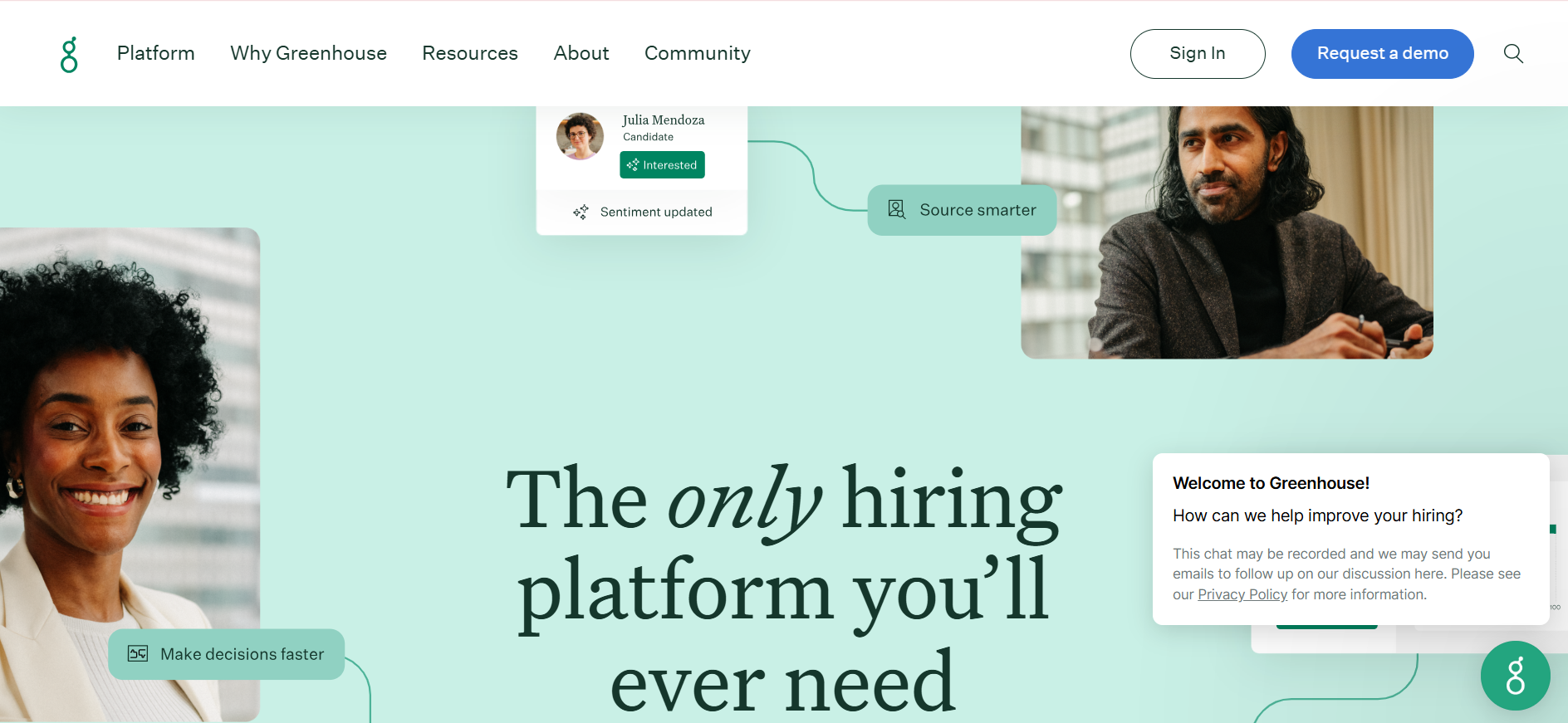
Greenhouse is widely known as a recruiting platform that helps organizations streamline hiring through structured processes and collaboration.
While it is primarily recognized for its ATS capabilities, its CRM features also help teams nurture talent and maintain candidate relationships over time.
Key Features
- Candidate relationship management
- Talent nurturing campaigns
- Structured interview workflows
- Automated recruiting processes
- Recruitment analytics and reporting
- Integration with HR and recruiting tools
- Collaborative hiring features
Pros
- Strong hiring workflow management
- Excellent collaboration capabilities
- Large integration ecosystem
- Suitable for growing and enterprise organizations
Cons
- Can be expensive for smaller businesses
- Initial setup may require additional time
7. Vincere
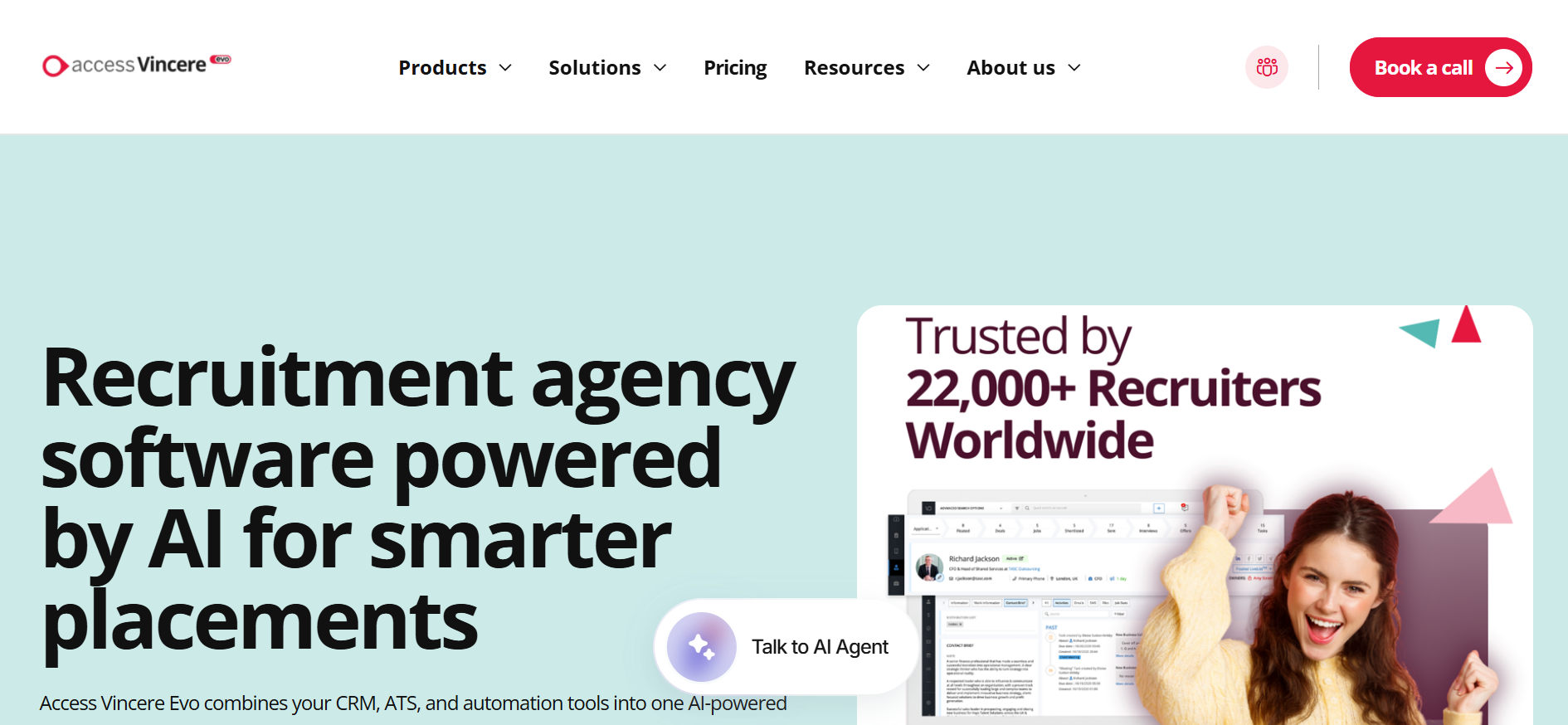
If your recruitment process involves managing both candidates and clients, Vincere is worth considering.
Built primarily for recruitment agencies and staffing firms, the platform combines CRM, ATS, and business management tools in a single solution.
Key Features
- Recruitment CRM and ATS functionality
- Candidate and client relationship management
- Workflow automation tools
- Job pipeline tracking
- Recruitment analytics dashboards
- Communication and collaboration features
- Reporting and forecasting capabilities
Pros
- Designed specifically for staffing agencies
- Comprehensive feature set
- Strong reporting and pipeline visibility
- Supports global recruiting operations
Cons
- Interface can feel overwhelming for new users
- Some features require customization for optimal use
8. Ashby
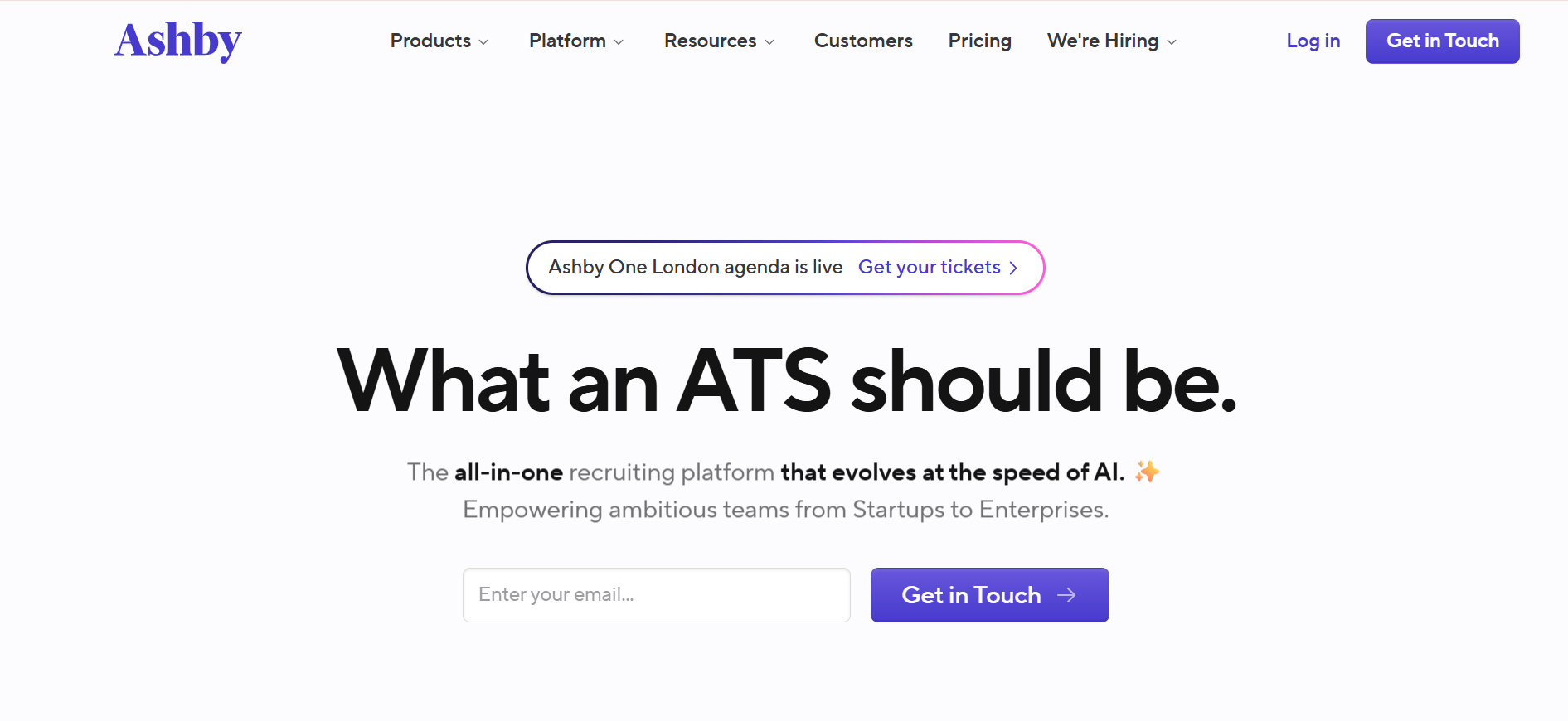
Modern recruiting teams often need more than basic candidate management.
Ashby combines recruiting CRM functionality with advanced analytics, automation, and planning tools to support data-driven hiring decisions.
The platform has gained popularity among fast-growing companies that want deeper visibility into recruiting performance.
Key Features
- Candidate relationship management
- Recruiting workflow automation
- Advanced recruitment analytics
- Interview scheduling tools
- Talent pipeline management
- Custom reporting dashboards
- Collaborative hiring workflows
Pros
- Powerful analytics capabilities
- Highly customizable reporting
- Modern and intuitive user experience
- Strong workflow automation tools
Cons
- May be more advanced than some teams need
- Pricing can be higher than simpler CRM solutions
9. Gem
Candidate engagement plays a major role in building a successful talent pipeline.
Gem focuses heavily on sourcing, outreach, and relationship-building, helping recruiters stay connected with potential candidates before positions become available.
Its CRM capabilities are designed to support proactive recruiting strategies rather than reactive hiring.
Key Features
- Candidate relationship management
- Talent sourcing tools
- Automated outreach campaigns
- Candidate engagement tracking
- Recruiting analytics and insights
- Talent pipeline management
- ATS integrations
Pros
- Strong candidate engagement features
- Effective sourcing workflows
- Helpful recruitment analytics
- Supports long-term talent nurturing
Cons
- Limited ATS functionality compared to full recruiting suites
- Advanced capabilities may require additional integrations
10. Beamery
As recruiting becomes more relationship-driven, many organizations are investing in talent lifecycle management platforms.
Beamery helps companies build, engage, and nurture talent communities while maintaining visibility across the entire candidate journey.
Its focus on workforce planning and talent intelligence makes it particularly attractive for larger organizations.
Key Features
- Talent relationship management
- Candidate engagement automation
- AI-powered talent matching
- Workforce planning tools
- Recruitment analytics and insights
- Talent pipeline segmentation
- Enterprise HR integrations
Pros
- Strong talent relationship management capabilities
- Advanced workforce planning features
- AI-driven candidate recommendations
- Built for large-scale hiring operations
Cons
- Better suited for enterprise organizations than small teams
- Implementation can be more complex than lightweight CRM platforms
How to Choose the Right Recruiting CRM
With so many recruiting CRM platforms available, choosing the right one can feel overwhelming.
The best solution is not necessarily the one with the most features. It is the one that aligns with your hiring process, team size, and long-term recruiting goals.
1. Define Your Recruitment Goals
Start by identifying the challenges you want to solve.
You may be looking to improve candidate engagement, automate repetitive tasks, build talent pipelines, or reduce time-to-hire.
Having clear objectives will help you focus on platforms that directly support your recruiting priorities.
2. Assess Your Hiring Volume
Your hiring needs should play a major role in your decision.
A company filling a few positions each quarter will have different requirements than a recruitment agency managing dozens of openings simultaneously.
Choose a CRM that can comfortably handle both your current and future hiring demands.
3. Evaluate Automation Requirements
Automation can significantly improve recruiting efficiency.
Consider how much of your hiring process you want to automate, from candidate sourcing and outreach to follow-ups, screening, and interview scheduling.
The more repetitive work a platform can eliminate, the more time your team can spend building candidate relationships.
4. Review Integration Needs
Most recruiting teams rely on multiple tools throughout the hiring process.
Before choosing a CRM, make sure it integrates with your ATS, HR software, email platforms, calendars, and other essential systems.
Strong integrations help create a smoother workflow and reduce manual data entry.
5. Consider Ease of Adoption and Scalability
Even the most powerful CRM will struggle to deliver value if your team finds it difficult to use.
Look for a platform with an intuitive interface, simple onboarding, and reliable support resources.
At the same time, ensure the solution can scale alongside your hiring needs as your organization grows.
Why Leelu.AI Is a Strong Recruiting CRM for Modern Hiring Teams
Many recruiting CRMs help you manage candidates.
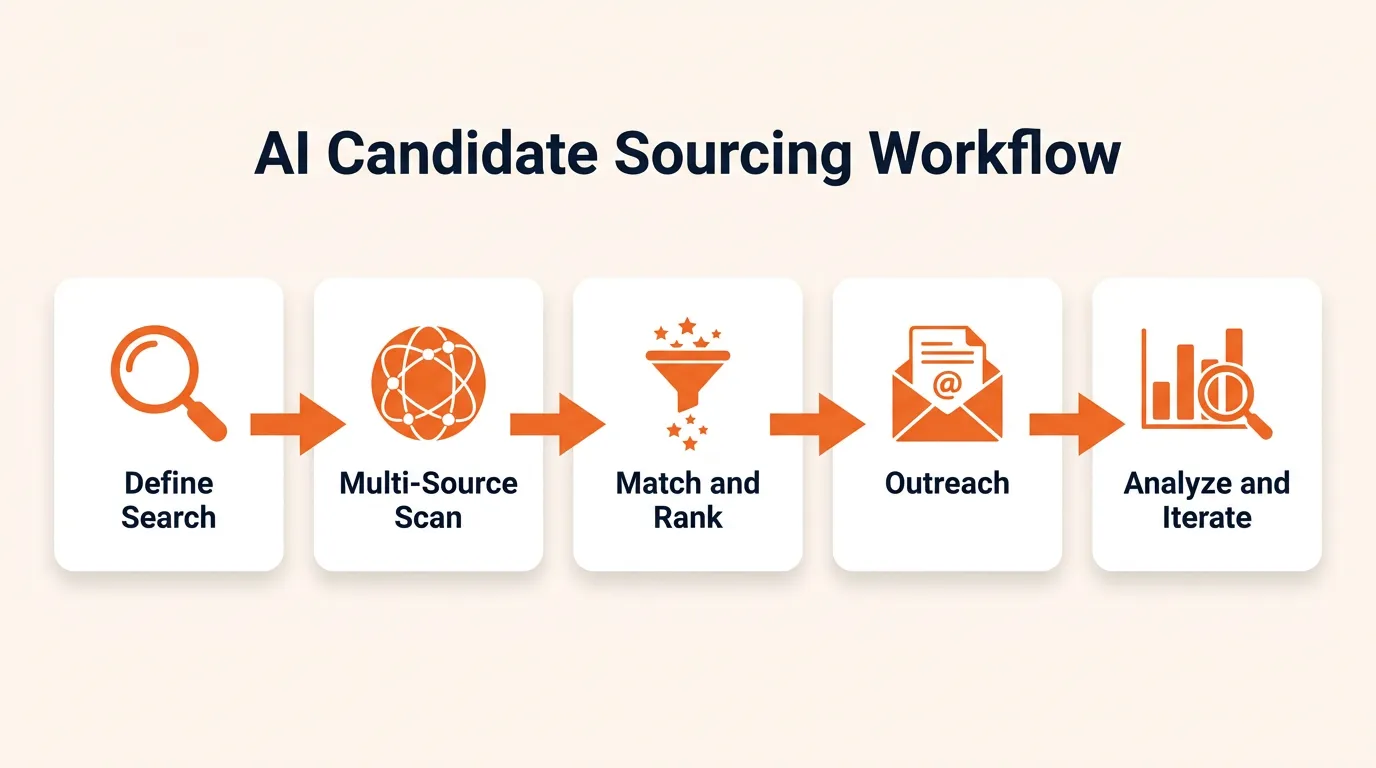
Leelu.AI goes a step further by helping you source, screen, engage, and schedule candidates through AI-powered automation.
Instead of relying on multiple disconnected tools, you can manage the entire recruiting process from one platform.
1. Search Candidates Across Multiple Platforms From One Place
Finding qualified talent often means searching across several platforms.
Leelu.AI allows you to search candidates from LinkedIn, job boards, ATS systems, and other talent sources through a single interface.
This helps you expand your reach while reducing the time spent switching between tools.
2. Automatically Source and Identify Qualified Candidates
Manually searching for candidates can slow down hiring efforts.
Leelu.AI automatically scans millions of profiles and identifies candidates that align with your job requirements.
This allows recruiters to build stronger pipelines without spending hours sourcing talent.
3. Score and Rank Candidates Using AI
Reviewing large numbers of resumes can be one of the most time-consuming parts of recruiting.
Leelu.AI uses AI-powered matching and scoring to evaluate candidates based on skills, experience, and job fit.
As a result, recruiters can quickly focus on the most promising candidates first.
4. Automate Candidate Outreach and Follow-Ups
Keeping candidates engaged requires consistent communication.
Leelu.AI helps automate personalized outreach, follow-up messages, and candidate nurturing workflows.
This ensures potential hires remain engaged without adding more work to your recruiting team.
5. Schedule Interviews Without Back-and-Forth Coordination
Interview scheduling often creates unnecessary delays in the hiring process.
Leelu.AI simplifies coordination through automated scheduling and calendar syncing.
Candidates can quickly book available time slots, helping move the hiring process forward faster.
6. Manage the Entire Recruiting Workflow in One Platform
Recruiting becomes more efficient when every stage of the process is connected.
From sourcing and screening to outreach, scheduling, and pipeline management, Leelu.AI brings everything together in a single platform.
This reduces manual effort, improves visibility, and helps hiring teams make faster and more informed recruiting decisions.
Suggested Reading:
How Recruitment Automation Is Transforming Hiring in USAConclusion
Building a strong candidate pipeline requires more than just finding talent when a position opens.
The right recruiting CRM helps you nurture candidate relationships, streamline hiring workflows, and keep qualified talent engaged over time.
Whether you prioritize automation, analytics, candidate engagement, or AI-powered sourcing, choosing a platform that matches your hiring needs is essential.
For teams looking to simplify recruiting while automating sourcing, screening, outreach, and scheduling, Leelu AI offers a modern approach to building stronger and more efficient talent pipelines.
Frequently Asked Questions
1. What Is a Recruiting CRM?
A recruiting CRM helps recruiters build relationships, manage candidate interactions, and nurture talent pipelines for future hiring needs.
2. How Is a Recruiting CRM Different From an ATS?
An ATS manages active applicants, while a recruiting CRM focuses on engaging and nurturing candidates before they apply.
3. Why Do Recruiters Need a CRM?
A recruiting CRM helps recruiters organize talent pools, improve candidate engagement, and build stronger long-term hiring pipelines.
4. What Features Should a Recruiting CRM Include?
Key features include candidate management, AI matching, automated outreach, workflow automation, analytics, scheduling, and integrations.
5. Are AI Recruiting CRMs Worth the Investment?
Yes, AI recruiting CRMs can reduce manual work, improve hiring efficiency, and help identify qualified candidates faster.
6. How Much Does Recruiting CRM Software Cost?
Recruiting CRM pricing varies widely, ranging from affordable monthly plans to enterprise solutions with custom pricing.