
Hiring today rarely fails because of a lack of candidates—it slows down because your process can’t keep up.
You post a job, wait for applications, screen manually, and suddenly weeks pass before the first interview even happens.
That delay costs you top talent, productivity, and momentum.
The good news is, you don’t need a bigger team to fix this—you need a faster system.
In this guide, you’ll learn how to cut your time-to-hire with proven, practical strategies:
- Where hiring delays actually come from
- 12 proven ways to hire faster without sacrificing quality
- How to build a streamlined, efficient hiring workflow
Why Hiring Takes Longer Than It Should
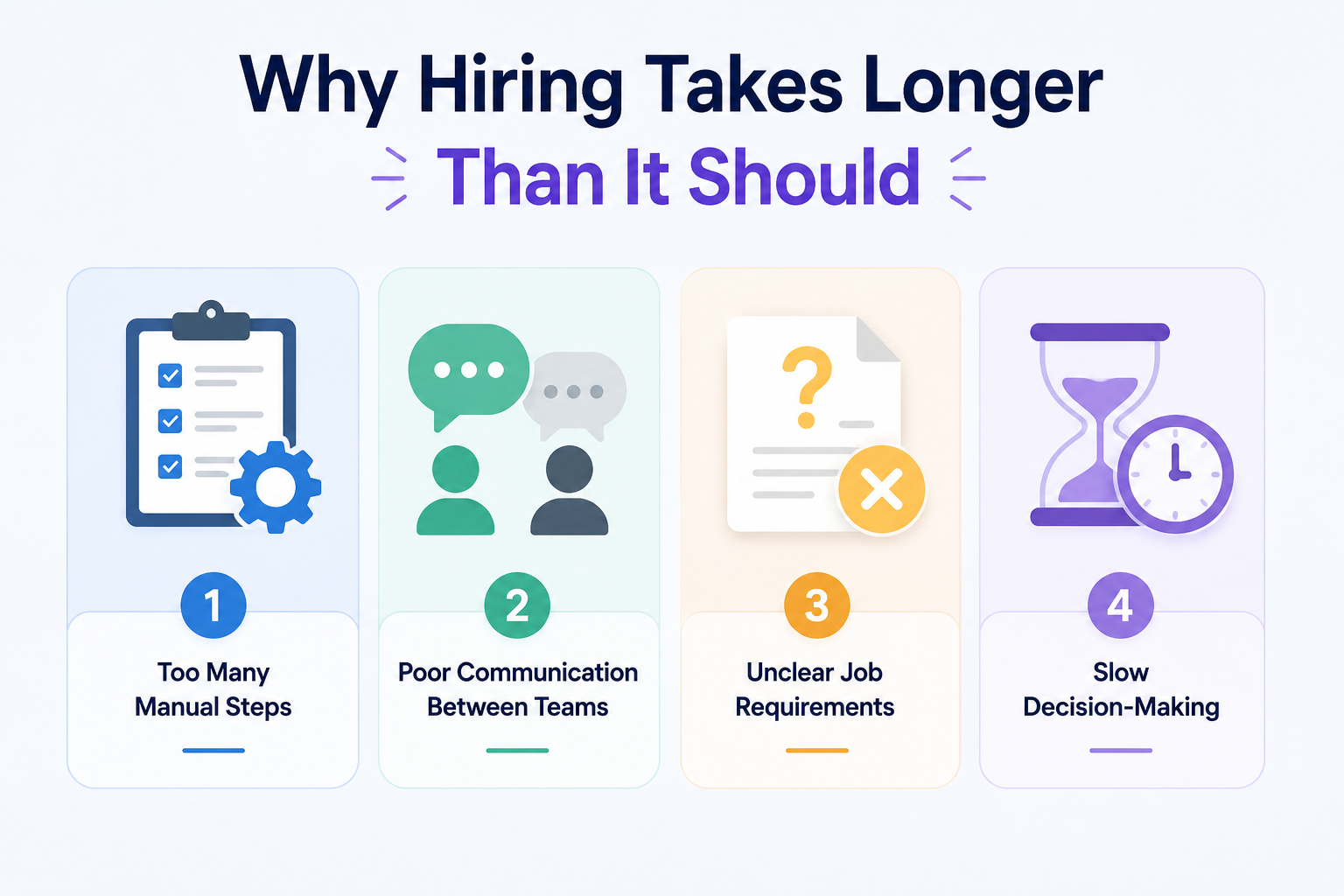
If your hiring process feels slow, it usually isn’t because of one big issue.
It’s a combination of small inefficiencies that quietly add days or even weeks to your timeline.
Once you start spotting these gaps, it becomes much easier to fix them and move faster.
1. Too Many Manual Steps
A lot of hiring workflows still rely heavily on manual effort.
You’re sourcing candidates one by one, screening resumes individually, sending outreach manually, and coordinating interviews across calendars.
Each step might seem manageable on its own, but together they create a long, repetitive cycle that slows everything down.
2. Poor Communication Between Teams
Hiring rarely depends on just one person, which is where delays often creep in.
Recruiters, hiring managers, and interviewers are not always aligned, and feedback loops can take days instead of hours.
When communication is scattered across emails, messages, and meetings, decisions naturally take longer than they should.
3. Unclear Job Requirements
When the role itself isn’t clearly defined, everything that follows becomes slower.
You attract the wrong candidates, spend more time screening, and go back and forth internally to redefine expectations.
This lack of clarity creates friction at every stage of the hiring process.
4. Slow Decision-Making
Even after interviews are completed, decisions don’t always happen quickly.
Stakeholders may need multiple rounds of discussion, approvals might be delayed, or priorities may shift midway.
By the time a decision is made, your top candidates may have already accepted another offer.
12 Proven Ways to Cut Time-to-Hire
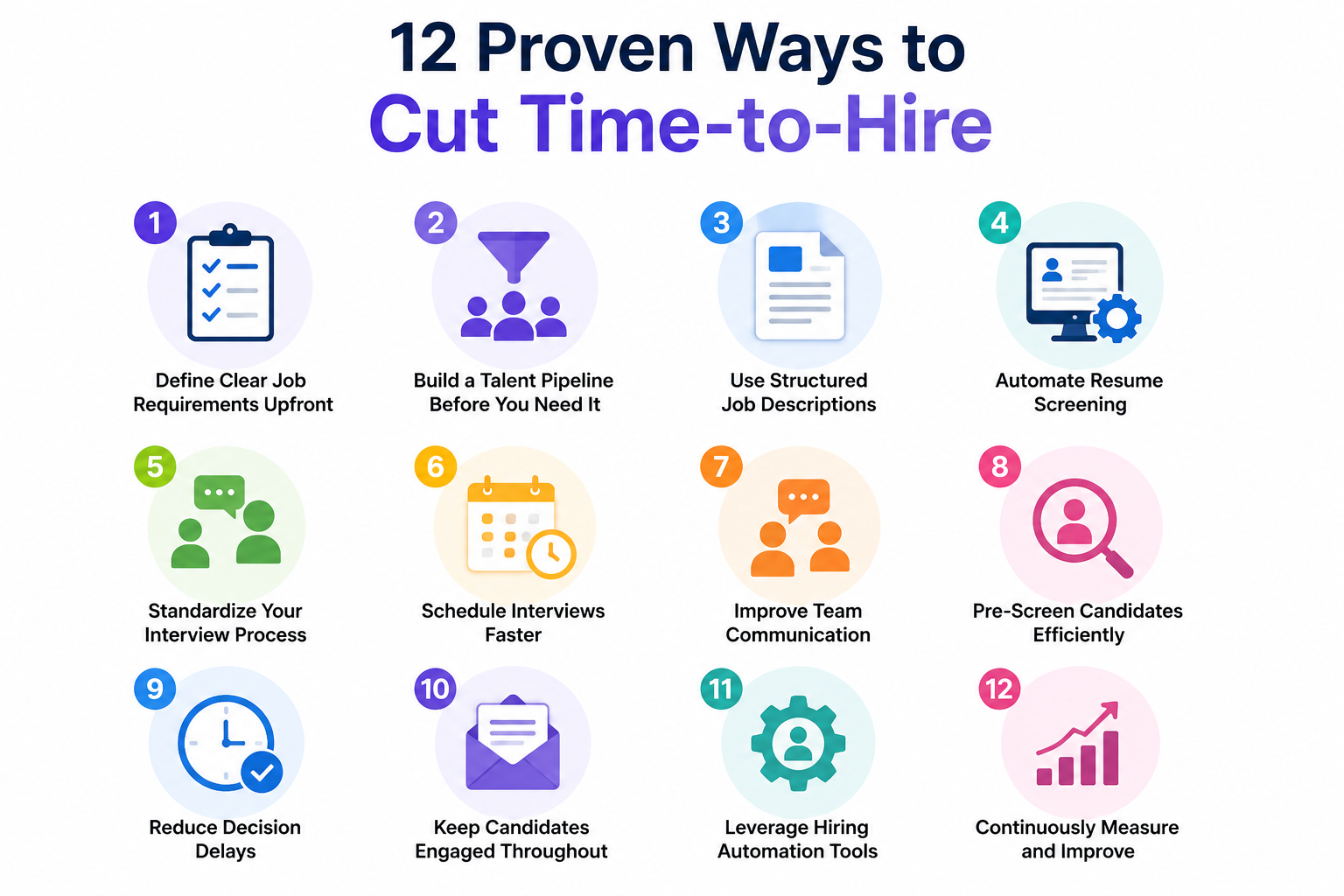
Now that you understand what slows hiring down, the next step is fixing it with the right actions.
These aren’t theoretical ideas—you can apply them immediately to make your hiring faster and more efficient.
1. Define Clear Job Requirements Upfront
Everything in your hiring process depends on how clearly you define the role at the start.
When you know exactly what skills, experience, and outcomes you’re hiring for, you avoid confusion later.
You spend less time screening irrelevant candidates and more time talking to the right ones.
This clarity also helps everyone involved stay aligned from day one.
2. Build a Talent Pipeline Before You Need It
If you start sourcing only after a role opens, you’re already behind.
Instead, you should continuously build a pipeline of potential candidates even when you’re not actively hiring.
This way, when a position opens, you already have a pool of qualified people to reach out to.
It reduces sourcing time significantly and helps you move straight to conversations.
3. Use Structured Job Descriptions
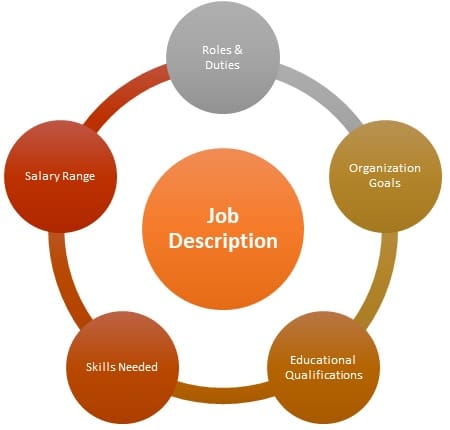
A vague job description attracts the wrong kind of applicants.
When your job description is structured and specific, candidates can quickly understand if they are a fit.
Focus on clearly outlining responsibilities, required skills, and expected outcomes.
This improves the quality of applications and reduces the time you spend filtering.
4. Automate Resume Screening
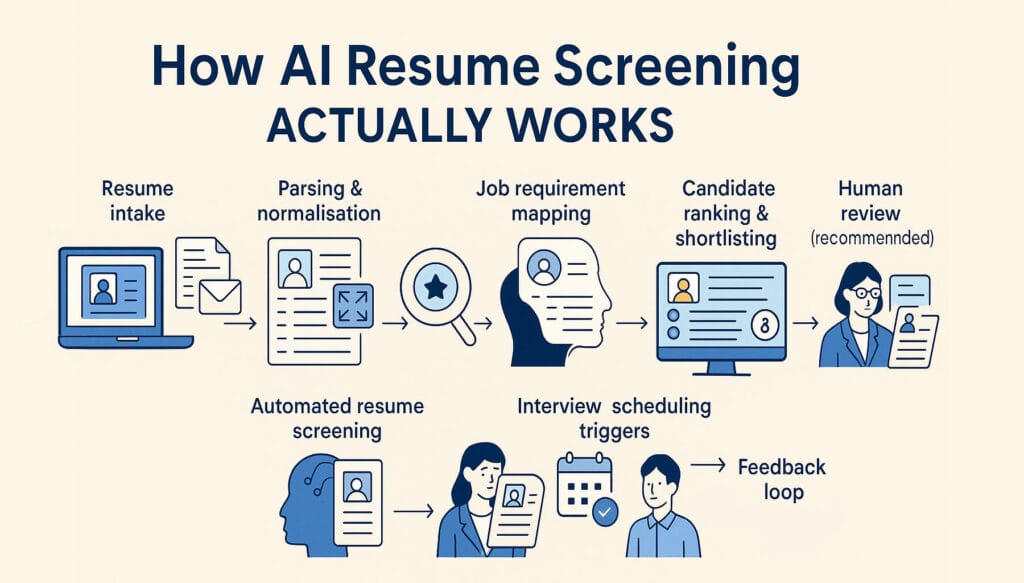
Manually reviewing every resume is one of the biggest time drains in hiring.
Instead of going through hundreds of profiles one by one, you can use automation to shortlist candidates faster.
AI-powered screening tools can analyze resumes, match them against your requirements, and rank candidates in minutes.
This helps you quickly focus on the most relevant profiles without missing strong candidates.
Suggested Reading:
AI Resume Screening: Definition, Benefits, and How It Works5. Standardize Your Interview Process
Unstructured interviews often lead to delays and inconsistent evaluations.
When every interviewer follows a different approach, comparing candidates becomes difficult and time-consuming.
By standardizing your interview process with predefined questions and evaluation criteria, you create consistency.
It becomes easier to assess candidates quickly and make confident decisions.
6. Schedule Interviews Faster
Interview scheduling often turns into a back-and-forth cycle of emails and calendar checks.
This delay alone can add days to your hiring timeline.
Using scheduling tools or shared calendars allows candidates to pick available slots instantly.
You reduce coordination time and keep the hiring process moving without unnecessary pauses.
7. Improve Team Communication
Even with a strong process, hiring slows down when communication is scattered.
You might be waiting on feedback, clarifying expectations, or chasing approvals across different tools.
To fix this, centralize communication and set clear timelines for feedback after each stage.
When everyone knows when and how to respond, decisions move faster and bottlenecks disappear.
8. Pre-Screen Candidates Efficiently
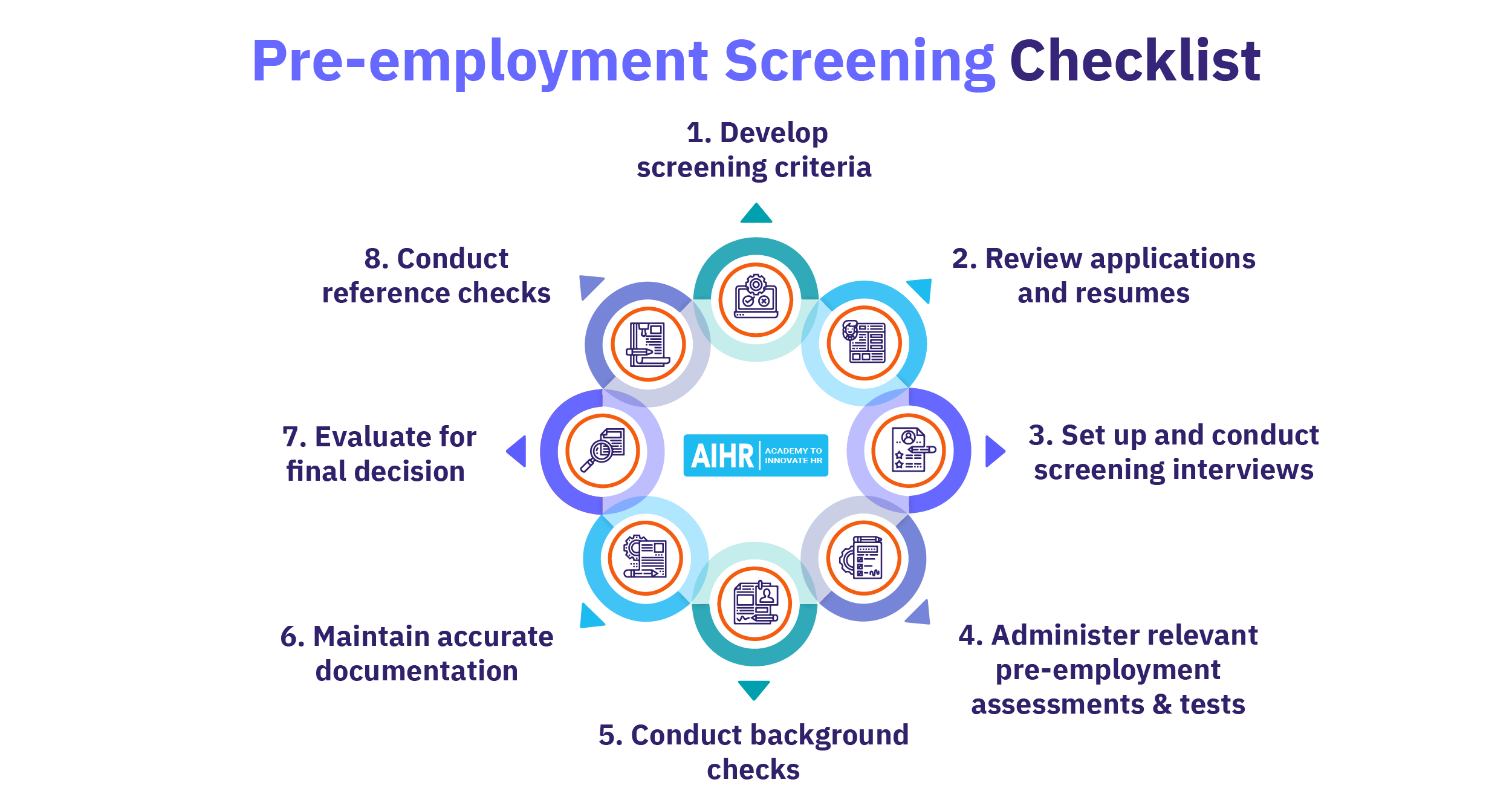
Not every candidate needs a full interview to assess fit.
Pre-screening helps you quickly filter out mismatches before investing more time.
You can use short screening calls, structured questionnaires, or automated assessments to evaluate basics early.
This ensures that only qualified candidates move forward, saving time for both you and your team.
9. Reduce Decision Delays
Hiring often slows down after interviews, not during them.
Feedback gets delayed, stakeholders take time to align, and decisions stretch longer than necessary.
To avoid this, define a clear decision-making framework in advance.
Set deadlines for feedback and limit the number of decision-makers involved in the final call.
10. Keep Candidates Engaged Throughout
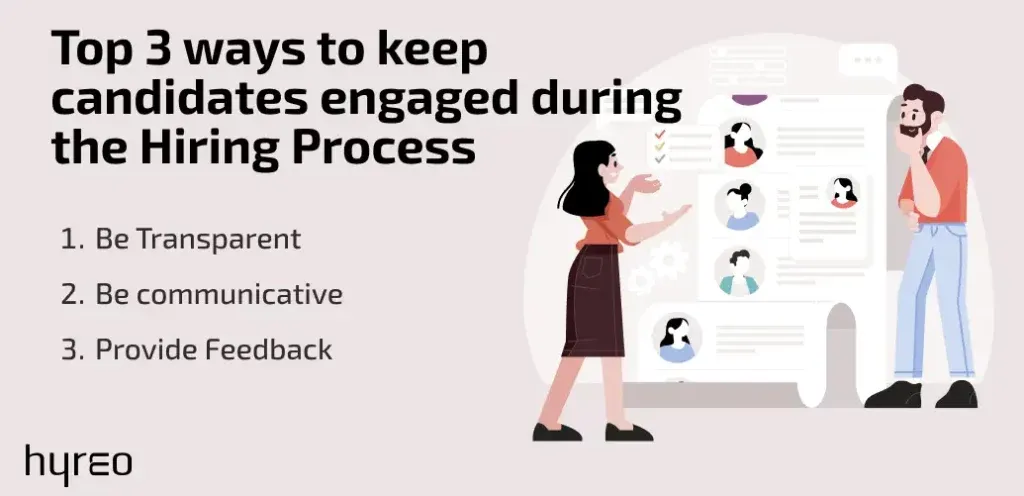
A slow process doesn’t just affect your team—it impacts candidates too.
If they don’t hear back quickly, they lose interest or accept other offers.
Regular updates, timely communication, and clear next steps keep candidates engaged.
When candidates stay interested, your hiring process naturally moves faster without restarts.
11. Leverage Hiring Automation Tools
Manual hiring processes can only move so fast, no matter how efficient your team is.
This is where automation starts to make a real difference.
Tools like Leelu AI help you automate sourcing, screening, outreach, and interview scheduling in one workflow.
Instead of handling each step separately, you can move from job posting to first interview much faster.
This reduces manual effort and helps you scale hiring without slowing down.
Suggested Reading:
Recruitment Automation: Step-by-Step Guide for HR’s12. Continuously Measure and Improve
You can’t improve what you don’t track.
If you’re not measuring your hiring performance, it’s hard to know where delays actually happen.
Track key metrics like time-to-hire, time-to-screen, and interview-to-offer ratio.
These insights help you identify bottlenecks and continuously optimize your process over time.
How Leelu.ai Helps You Hire Faster
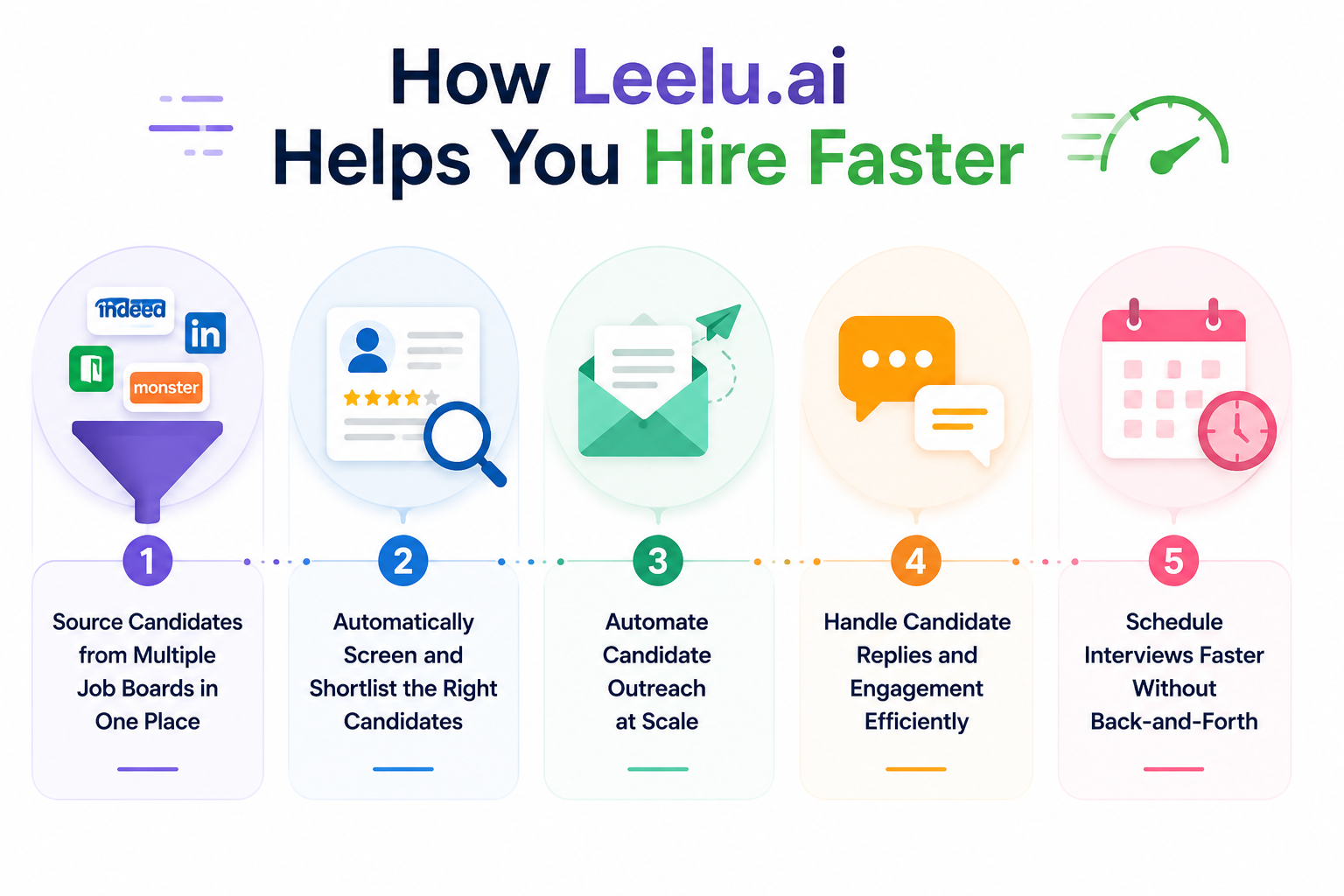
At this point, you’ve seen what slows hiring down and what you can do to fix it.
But applying all of this manually still takes time, effort, and coordination across multiple tools.
This is where a system like Leelu.ai brings everything together and helps you move faster without adding complexity.
1. Source Candidates from Multiple Job Boards in One Place
Sourcing candidates across platforms can quickly become time-consuming.
You switch between job boards, search manually, and try to manage everything in separate tabs.
Leelu.ai simplifies this by letting you source candidates from multiple platforms in one place.
Instead of repeating the same search across tools, you can discover relevant candidates faster and in a more organized way.
2. Automatically Screen and Shortlist the Right Candidates
Screening is often where most of your hiring time goes.
Going through hundreds of resumes manually slows down your entire pipeline.
Leelu.ai uses AI to analyze and rank candidates based on your job requirements.
This means you can instantly focus on the most relevant profiles without spending hours filtering.
3. Automate Candidate Outreach at Scale
Reaching out to candidates individually can limit how fast you move.
Writing messages, sending emails, and tracking responses takes consistent effort.
With Leelu.ai, you can automate personalized outreach across channels at scale.
You engage more candidates in less time while still keeping communication relevant and human.
4. Handle Candidate Replies and Engagement Efficiently
Once candidates start responding, managing conversations becomes another challenge.
Following up, replying, and keeping candidates engaged can take up a large part of your day.
Leelu.ai helps automate replies and follow-ups, ensuring no candidate is missed.
This keeps your pipeline active without requiring constant manual attention.
5. Schedule Interviews Faster Without Back-and-Forth
Interview scheduling is one of the most common sources of delay.
Coordinating availability between candidates and interviewers often leads to long email threads.
Leelu.ai streamlines this by automating scheduling with calendar integrations.
Candidates can quickly select available slots, helping you move from screening to interviews without unnecessary delays.
Common Mistakes That Slow Down Hiring
Even if you’re actively trying to speed up hiring, a few common mistakes can quietly hold you back.
These issues don’t always look obvious, but they add friction at every stage of your process.
Once you recognize them, you can fix them quickly and keep your hiring pipeline moving.
1. Overcomplicating the Process
It’s easy to think that more steps mean better hiring decisions.
But adding too many interview rounds, assessments, or approval layers often does more harm than good.
Candidates get stuck in long processes, and your team spends more time coordinating than actually evaluating.
A simpler, well-structured process helps you move faster while still maintaining quality.
2. Waiting Too Long to Make Decisions
Delays in decision-making are one of the biggest reasons hiring timelines stretch.
You might be waiting for more feedback, comparing too many candidates, or trying to reach perfect consensus.
In the meantime, strong candidates move on to faster opportunities.
Setting clear timelines and making confident decisions early helps you secure top talent before it’s too late.
3. Ignoring Candidate Experience
Your hiring speed isn’t just about internal efficiency—it also depends on how candidates experience your process.
If communication is slow, interviews feel disorganized, or updates are unclear, candidates lose interest.
This often leads to drop-offs or declined offers, forcing you to restart the process.
Keeping candidates informed, engaged, and respected helps you close roles faster without setbacks.
Conclusion
Hiring faster isn’t about rushing decisions—it’s about removing the delays that shouldn’t exist in the first place.
When you simplify your process, improve communication, and use the right systems, your entire hiring workflow becomes more efficient.
You spend less time on manual tasks and more time engaging with the right candidates.
The result is not just faster hiring, but better outcomes overall.
Start by fixing one bottleneck at a time, and you’ll gradually build a hiring process that is both fast and effective.
Frequently Asked Questions
1. What is a good time-to-hire benchmark?
A good time-to-hire typically ranges between 2 to 4 weeks depending on the role.However, faster processes often help you secure better candidates before competitors.
2. How can you reduce time-to-hire without affecting quality?
Focus on removing manual steps and improving decision speed.Using structured processes and automation helps maintain quality while moving faster.
3. Why do hiring processes usually get delayed?
Delays often come from unclear roles, slow feedback, and manual workflows.Fixing these gaps can significantly speed up your hiring timeline.
4. How important is candidate experience in fast hiring?
Candidate experience directly impacts how quickly you can close roles.Engaged candidates respond faster and are more likely to accept offers.
5. Can automation really improve hiring speed?
Yes, automation reduces repetitive tasks like screening and scheduling.This allows you to focus more on decision-making and candidate interaction.


