
Most companies think employee productivity is about tracking hours worked. But in reality, being busy does not always mean your team is producing meaningful results.
When productivity is measured the wrong way, it can lead to burnout, poor performance visibility, and inefficient workflows across the organization.
The challenge is finding metrics that actually reflect impact, efficiency, and work quality without creating unnecessary pressure on employees.
In this guide, you’ll learn:
- How to measure employee productivity effectively
- The most useful productivity metrics for teams
- Common mistakes businesses should avoid
- Ways to improve productivity without micromanaging employees
What Does Employee Productivity Really Mean
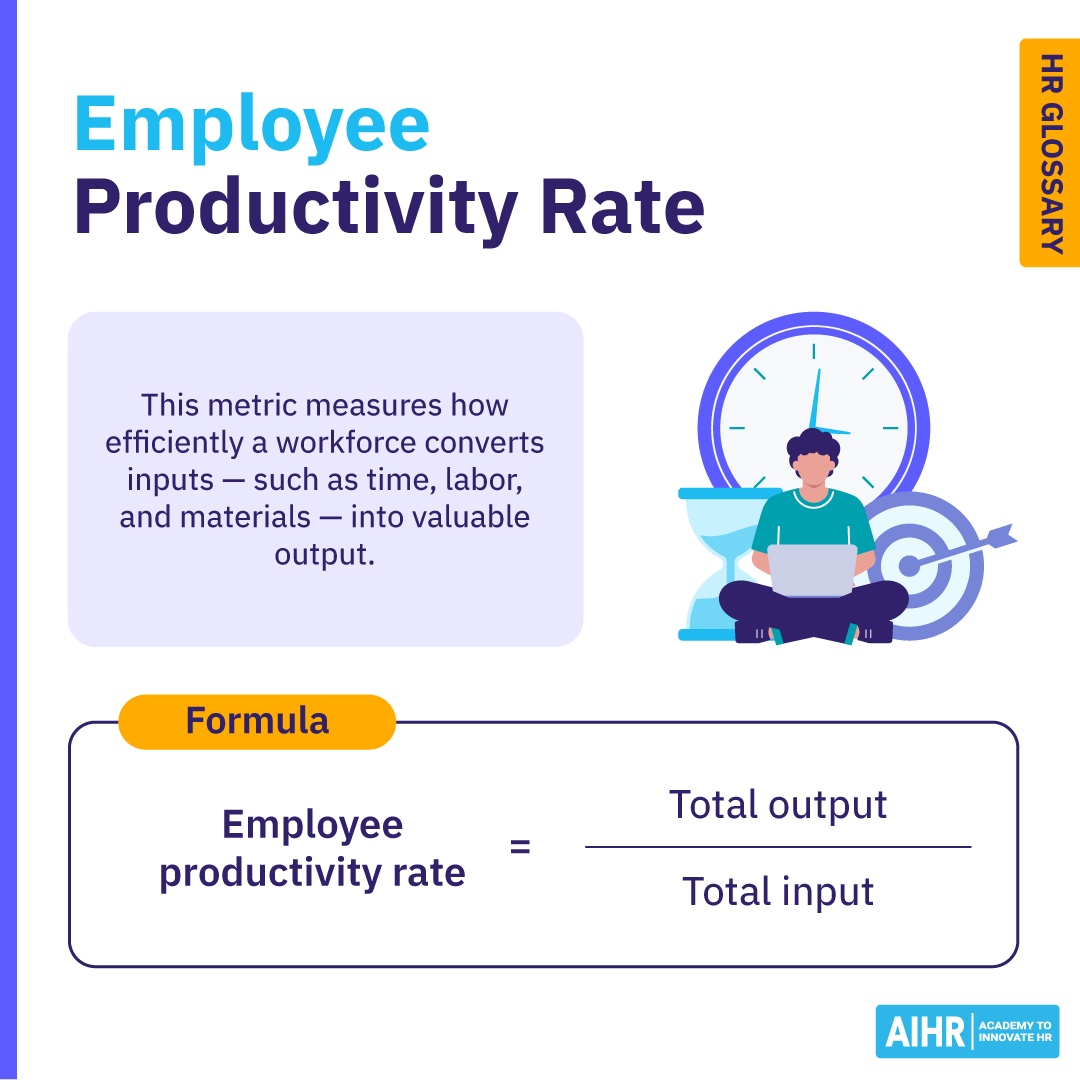
Employee productivity is not just about the number of hours someone works. It is about the results employees generate using their time, skills, and resources effectively.
A truly productive employee focuses on meaningful outcomes, work quality, collaboration, and consistency rather than simply staying busy throughout the day.
This is why many businesses now prioritize outcome-based performance instead of activity tracking.
Productivity also varies across roles and depends on factors like clear goals, efficient workflows, team collaboration, proper tools, and hiring the right people.
When measured correctly, productivity improves performance without encouraging micromanagement or employee burnout.
Why Measuring Employee Productivity Matters
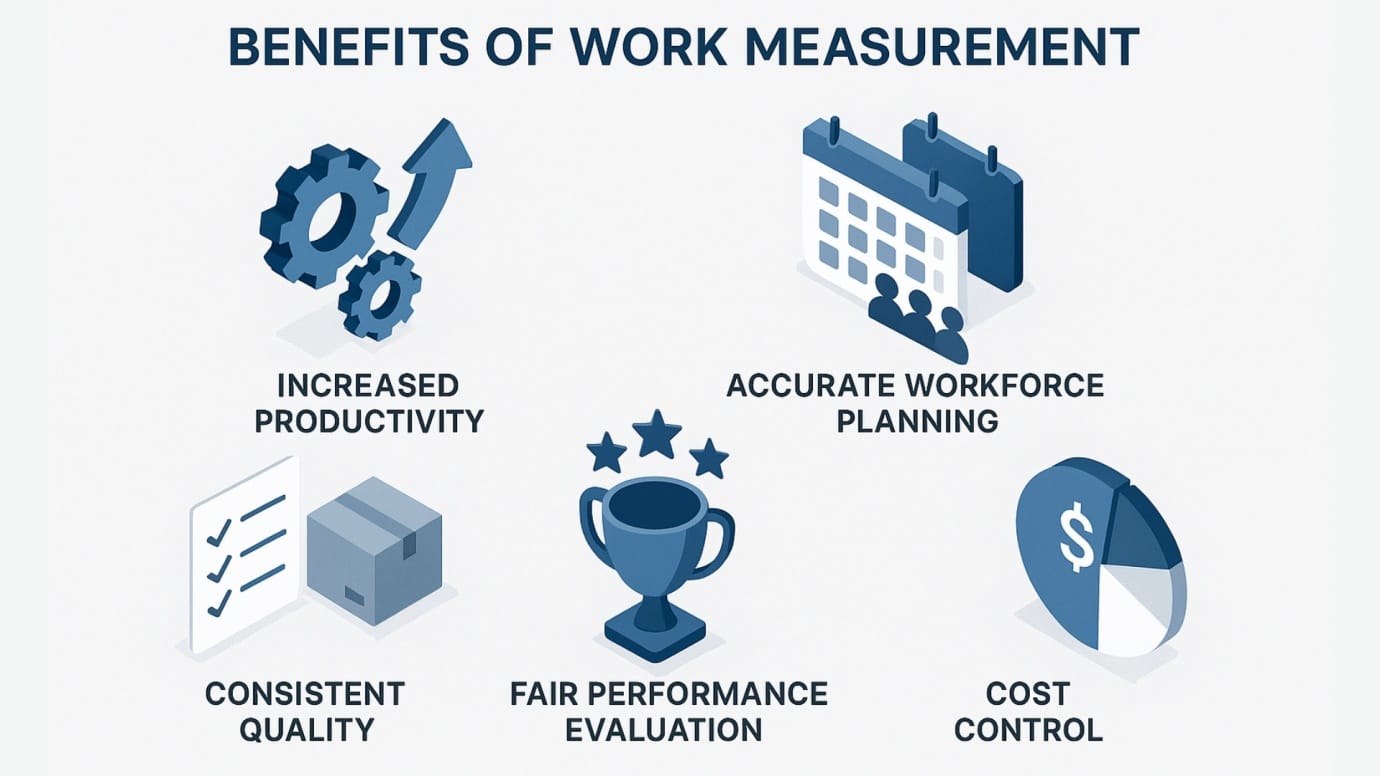
Measuring employee productivity helps businesses identify performance gaps, improve efficiency, and balance workloads more effectively.
It also supports better decision-making by focusing on outcomes instead of constant activity tracking or unnecessary employee pressure.
Better Decision-Making with Productivity Data
Productivity data gives managers clearer visibility into team performance, project progress, and operational bottlenecks.
Instead of relying on assumptions, businesses can use real insights to improve workflows, set realistic goals, and make faster decisions that support long-term growth and efficiency.
Identifying Gaps and Improving Efficiency
Measuring productivity helps businesses identify delays, repetitive tasks, and inefficient processes that slow teams down.
Once these gaps become visible, companies can improve workflows, automate manual work, and remove obstacles affecting employee performance and overall productivity.
Improving Resource Allocation and Workload Balance
Productivity tracking also helps managers distribute work more effectively across teams.
It becomes easier to identify overloaded employees, underutilized resources, and areas needing additional support while improving workload balance and overall team performance.
Supporting Fair and Consistent Performance Evaluation
Clear productivity metrics create a more structured and transparent evaluation process.
Employees are assessed based on measurable outcomes and work quality instead of subjective opinions, helping businesses improve accountability, trust, and performance consistency.
10 Ways to Measure Employee Productivity Effectively
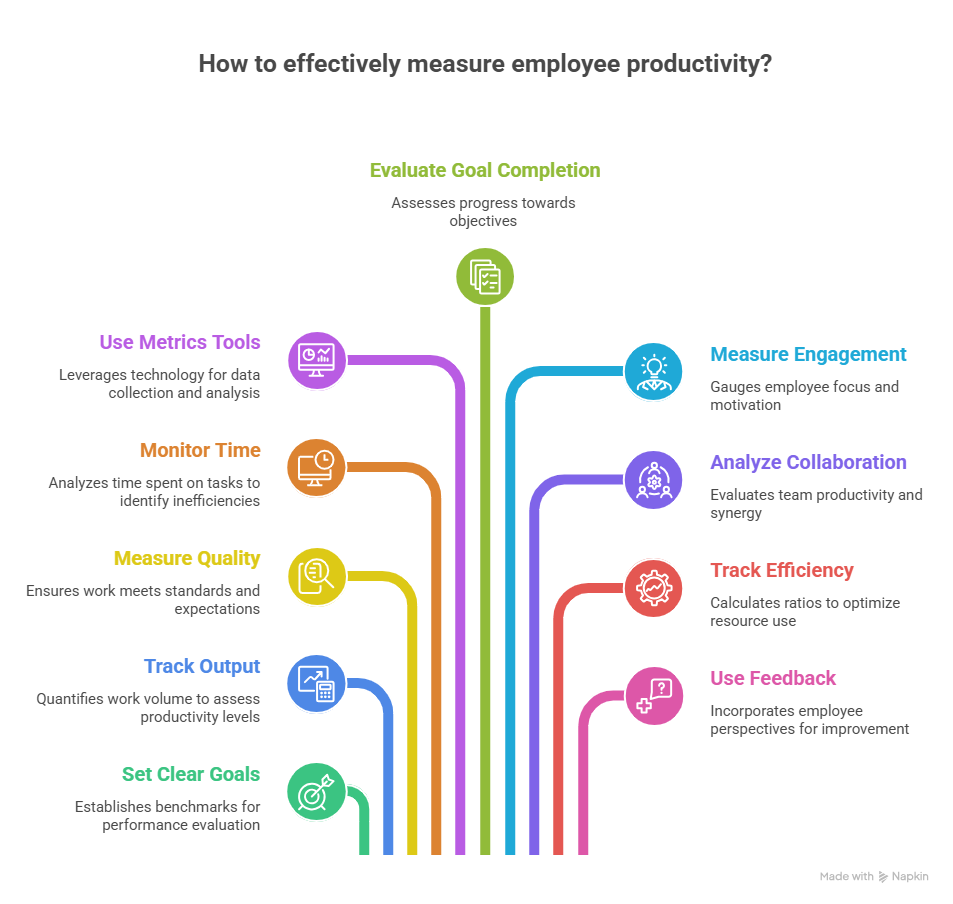
Measuring employee productivity is no longer just about tracking hours worked or monitoring attendance.
Modern workplaces require a more balanced approach that focuses on output, quality, efficiency, and overall business impact.
The right productivity metrics help businesses identify performance gaps, improve workflows, and support employees more effectively without creating unnecessary pressure.
1. Set Clear Goals and KPIs for Employee Productivity
One of the most effective ways to measure employee productivity is by setting clear goals and Key Performance Indicators (KPIs).
Without defined expectations, employees may struggle to understand what success actually looks like.
KPIs help businesses track measurable outcomes instead of relying on assumptions or visibility alone. These metrics can vary depending on the role and department.
For example:
- Sales teams may track revenue targets
- Customer support teams may monitor response times
- Marketing teams may measure campaign performance
- HR teams may evaluate hiring timelines
The key is focusing on meaningful business outcomes rather than simply tracking activity.
When employees clearly understand their goals, productivity becomes easier to measure, improve, and manage consistently across teams.
2. Track Output and Work Volume
Tracking output is one of the simplest methods for measuring employee productivity. It focuses on how much work employees complete within a specific period of time.
Businesses can measure:
- Tasks completed
- Projects delivered
- Tickets resolved
- Sales closed
- Content published
This method works particularly well for operational and task-based roles where deliverables are easier to quantify.
However, output alone should never define productivity completely. Employees producing a large amount of work quickly may still compromise quality or long-term efficiency.
This is why businesses should combine output tracking with other productivity indicators to gain a more balanced understanding of employee performance.
The goal is not just completing more work, but delivering meaningful and consistent results that support overall business growth.
3. Measure Quality of Work
Employee productivity is not only about quantity. The quality of work employees produce is equally important for long-term business success.
High output with poor accuracy or frequent mistakes can reduce efficiency instead of improving it. This is why businesses should evaluate how effectively work is completed, not just how quickly.
Quality can be measured through:
- Error rates
- Customer satisfaction
- Client feedback
- Revision frequency
- Project success rates
- Compliance accuracy
For creative and strategic roles, quality may also include innovation, attention to detail, and problem-solving ability.
Measuring quality helps organizations avoid a productivity culture that rewards speed over effectiveness.
When businesses balance output with work quality, they create a more accurate productivity measurement system that encourages sustainable performance and better business outcomes.
4. Monitor Time Utilization
Time utilization helps businesses understand how employees spend their working hours and whether their time is being used efficiently.
This does not mean monitoring every minute employees spend online. Instead, businesses should focus on identifying how much time goes toward productive work versus repetitive or low-value tasks.
Monitoring time utilization can help uncover:
- Workflow bottlenecks
- Excessive meetings
- Administrative overload
- Communication delays
- Process inefficiencies
For example, if employees spend most of their day on manual reporting or unnecessary meetings, productivity levels may decline even when teams appear busy.
Time tracking and workflow management tools can provide better visibility into these patterns.
When used correctly, time utilization data helps businesses improve efficiency, reduce wasted effort, and create better workflows without encouraging micromanagement.
Suggested Reading:
Top HR Metrics Every HR Professional Should Track5. Use Employee Productivity Metrics and Tools
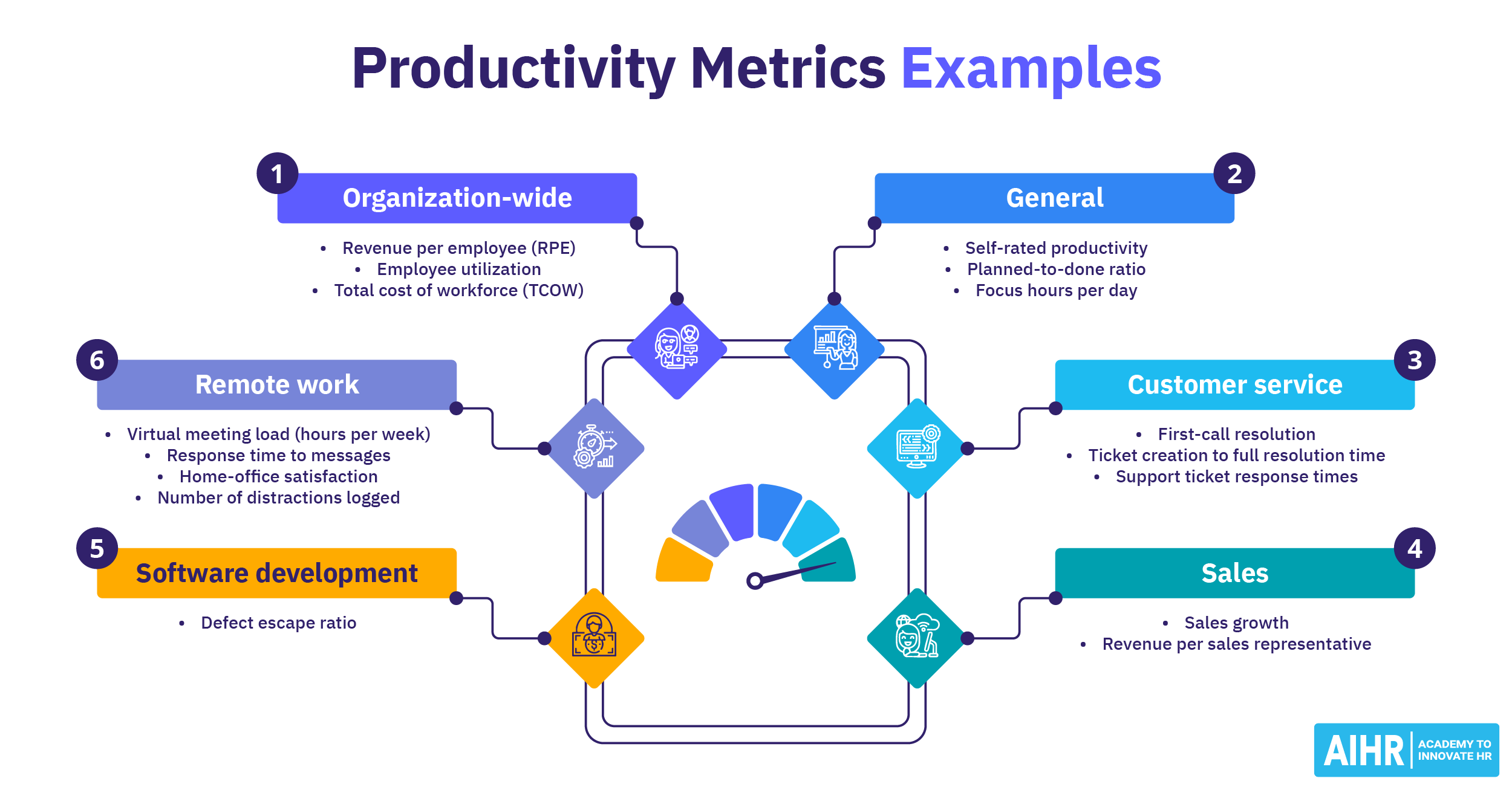
As businesses grow, manually measuring employee productivity becomes difficult and inconsistent. This is why many organizations use productivity metrics and workforce management tools to track performance more effectively.
Modern productivity tools help businesses collect real-time insights across workflows, projects, communication, and team performance.
Common employee productivity metrics include:
- Task completion rates
- Goal achievement percentages
- Average response times
- Attendance and utilization rates
- Project turnaround time
- Employee engagement levels
These tools also help businesses identify delays, overloaded teams, workflow inefficiencies, and operational gaps before they become larger problems.
For remote and hybrid teams, productivity tools improve visibility without requiring constant supervision.
The most effective approach is using these tools to improve workflows, support employees, and make better operational decisions rather than creating a culture of excessive monitoring.
6. Evaluate Goal Completion Rates
Tracking goal completion rates is one of the most reliable ways to measure employee productivity.
Instead of focusing only on daily activity, this method evaluates whether employees consistently achieve the targets and outcomes assigned to them.
Goal-based productivity measurement works well because it focuses on results rather than time spent working.
This approach is especially effective in remote and hybrid work environments where visibility into daily work patterns may be limited.
Businesses can measure:
- Monthly sales targets
- Project delivery timelines
- Hiring goals
- Campaign performance
- Customer resolution targets
Consistently missed goals may indicate workflow issues, unclear expectations, or resource limitations.
On the other hand, strong goal completion rates usually reflect efficient processes and better employee performance.
The key is setting realistic and measurable goals from the beginning. When employees clearly understand expectations, productivity becomes easier to evaluate fairly and consistently.
7. Measure Employee Engagement and Focus
Employee productivity is closely connected to engagement and focus. Employees who feel motivated, supported, and connected to their work are usually more productive and consistent in their performance.
Engagement can be measured through:
- Employee surveys
- Retention rates
- Participation levels
- Attendance patterns
- Internal communication activity
Focus is equally important in modern workplaces filled with distractions, notifications, and unnecessary meetings.
For example, employees who constantly switch between tasks or spend most of their time in meetings may struggle to complete meaningful work efficiently.
Measuring engagement and focus helps businesses identify productivity blockers that are not always visible through output metrics alone.
It also allows managers to improve workplace culture, reduce burnout, and create an environment where employees can perform more effectively over the long term.
Suggested Reading:
Candidate Engagement Strategies8. Analyze Collaboration and Team Productivity
In many organizations, productivity depends heavily on teamwork and collaboration. Even highly skilled employees may struggle to perform well if communication and coordination across teams are inefficient.
Poor collaboration often leads to:
- Delayed projects
- Duplicate work
- Communication gaps
- Slower decision-making
- Workflow confusion
This is why businesses should evaluate team productivity alongside individual performance.
Collaboration can be measured through project completion timelines, shared goal achievement, communication efficiency, and workflow coordination between departments.
For remote and hybrid teams, collaboration analysis becomes even more important because distributed work environments can create additional communication challenges.
When teams collaborate effectively, employees spend less time resolving confusion and more time completing meaningful work. This naturally improves overall productivity and operational efficiency across the organization.
9. Track Efficiency Ratios
Efficiency ratios help businesses measure how effectively employees convert time, effort, and resources into results.
Unlike simple output tracking, efficiency ratios focus on the relationship between input and productivity outcomes.
Common efficiency metrics include:
- Revenue generated per employee
- Tasks completed per hour
- Cost per project completed
- Support tickets resolved per agent
These metrics help organizations identify workflow inefficiencies, resource gaps, and operational bottlenecks more accurately.
For example, two teams may complete the same amount of work, but the team using fewer resources or less time is operating more efficiently.
However, efficiency should always be balanced with work quality. Prioritizing speed alone can reduce accuracy, increase mistakes, and negatively impact long-term productivity.
10. Use Feedback and Performance Reviews
Feedback and performance reviews provide valuable insights that numbers alone cannot always capture. They help businesses evaluate employee strengths, challenges, communication skills, and overall contribution more effectively.
Performance reviews often assess:
- Goal achievement
- Work quality
- Collaboration
- Problem-solving ability
- Professional growth
Employee feedback is equally important because team members often identify workflow issues and productivity blockers before managers notice them.
Regular feedback discussions also improve communication and help employees understand where they can improve.
When businesses combine measurable productivity metrics with consistent feedback and performance reviews, they create a more balanced and accurate productivity evaluation system focused on long-term employee growth and operational success.
Common Mistakes to Avoid While Measuring Productivity
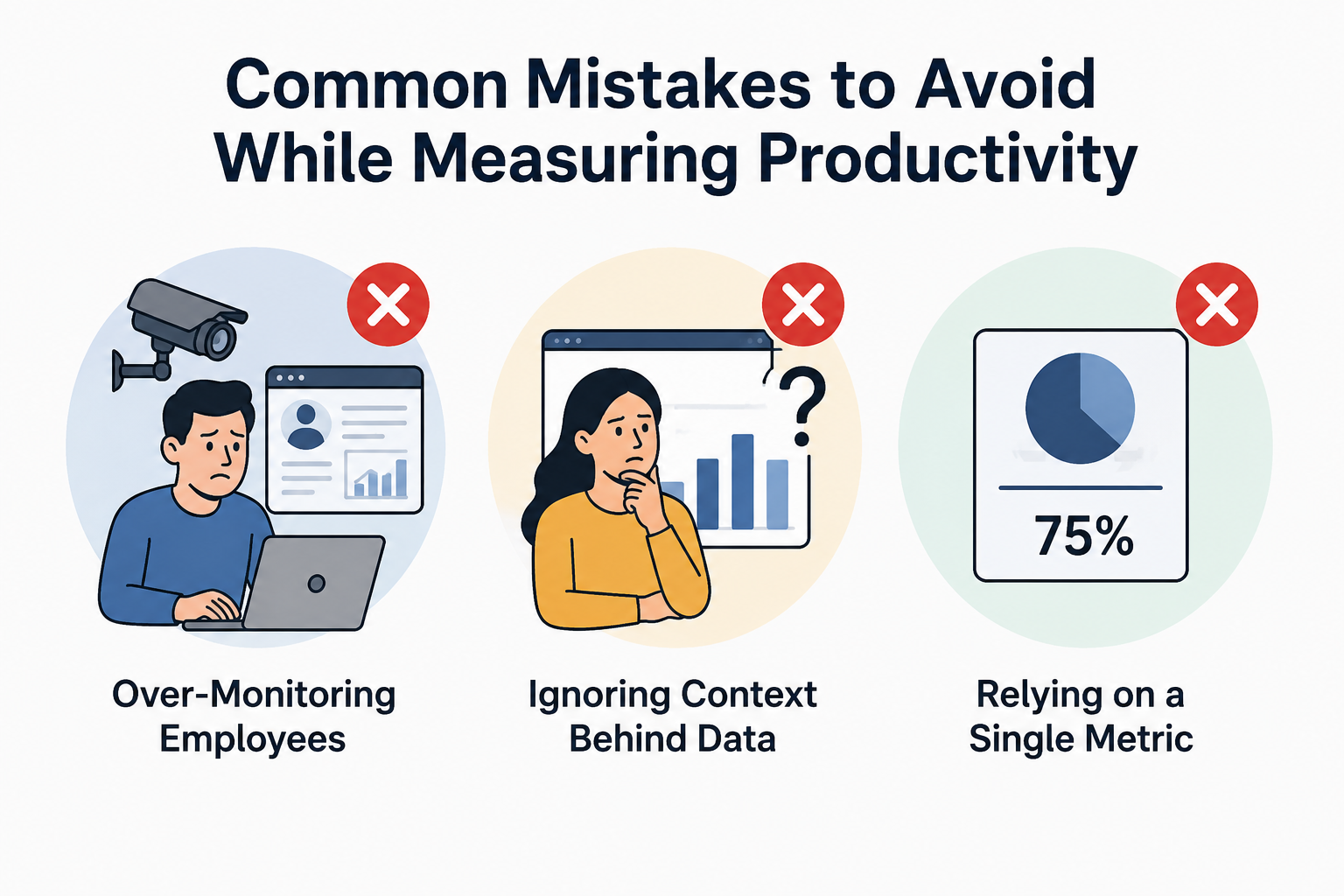
Measuring employee productivity can improve performance and operational efficiency, but only when businesses use the right approach.
Many companies make the mistake of focusing too heavily on activity tracking instead of understanding actual outcomes, work quality, and employee experience.
This can create unnecessary pressure and lead to inaccurate performance evaluation.
Avoiding these common mistakes helps businesses build healthier, more effective productivity measurement systems.
Over-Monitoring Employees
Tracking every action employees take can quickly damage trust and morale. Constant monitoring often creates stress and encourages employees to focus on appearing busy instead of producing meaningful results.
Productivity measurement should support performance improvement, not workplace surveillance.
Ignoring Context Behind Data
Productivity numbers alone do not always tell the full story. Delays, lower output, or missed goals may be caused by unclear processes, excessive workload, poor communication, or lack of resources.
Businesses should always evaluate the context behind performance data before making decisions.
Relying on a Single Metric
Using only one productivity metric can create an incomplete view of employee performance.
For example, measuring output alone may ignore work quality, collaboration, or efficiency.
Businesses should combine multiple productivity indicators to create a more balanced and accurate evaluation process.
Conclusion
Measuring employee productivity effectively is not about tracking every task or monitoring employees constantly.
It is about understanding how efficiently teams create meaningful results while maintaining work quality, collaboration, and consistency.
When businesses use the right productivity metrics, they can identify workflow gaps, improve decision-making, and support employee performance more fairly.
The key is balancing data with context and focusing on outcomes instead of activity alone. This creates a healthier, more productive work environment that supports both business growth and employee success.
Frequently Asked Questions
1. What is the best way to measure employee productivity?
The best way to measure employee productivity is by combining multiple metrics such as goal completion, work quality, efficiency, engagement, and output.
Focusing only on hours worked or activity levels often gives an incomplete picture of overall performance.
2. Which employee productivity metrics are most important?
Some of the most useful productivity metrics include task completion rates, project deadlines met, quality of work, revenue per employee, employee engagement, customer satisfaction, and efficiency ratios.
The right metrics usually depend on the employee’s role and responsibilities.
3. How can businesses measure productivity without micromanaging employees?
Businesses can avoid micromanagement by focusing on outcomes instead of constant activity tracking.
Setting clear goals, using productivity tools responsibly, and maintaining open communication helps improve performance without creating unnecessary pressure on employees.
4. Why is employee productivity important for business growth?
Employee productivity directly affects operational efficiency, profitability, customer satisfaction, and overall business performance.
Productive teams can complete work faster, reduce delays, improve collaboration, and help businesses scale more effectively.
5. Can productivity tools improve employee performance?
Yes, productivity tools can help businesses track workflows, automate repetitive tasks, improve collaboration, and identify operational bottlenecks.
When used correctly, these tools support better decision-making and help employees work more efficiently without increasing workload stress.


