Hiring today doesn’t fail because of lack of talent.
It fails because your process is slow, fragmented, and hard to scale.
You might be juggling sourcing tools, screening resumes manually, chasing candidates for replies, and still struggling to move fast enough.
That’s exactly where end-to-end recruitment changes everything by bringing your entire hiring workflow into one streamlined system.
In this guide, you will understand:
- What end-to-end recruitment actually means
- Why modern teams are shifting toward it
- How to build a faster, more efficient hiring process
What Is End-to-End Recruitment
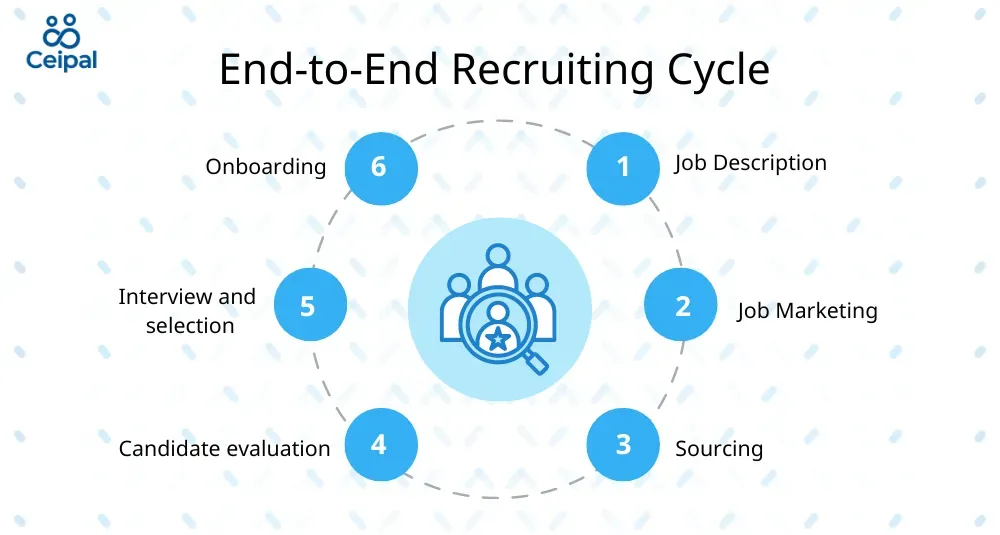
End-to-end recruitment is a complete hiring approach where you manage the entire process—from creating a job role to onboarding a candidate—in one connected flow.
Instead of treating hiring as separate steps handled by different tools or teams, you bring everything together into a single, streamlined system.
This means you don’t just focus on sourcing or screening in isolation.
You handle every stage with visibility and continuity, making the entire experience smoother for both you and the candidate.
A typical end-to-end recruitment process includes:
- Creating and optimizing job descriptions
- Sourcing candidates from multiple channels
- Screening and shortlisting applicants
- Engaging candidates with personalized communication
- Scheduling and conducting interviews
- Final selection and onboarding
Key Benefits of End-to-End Recruitment
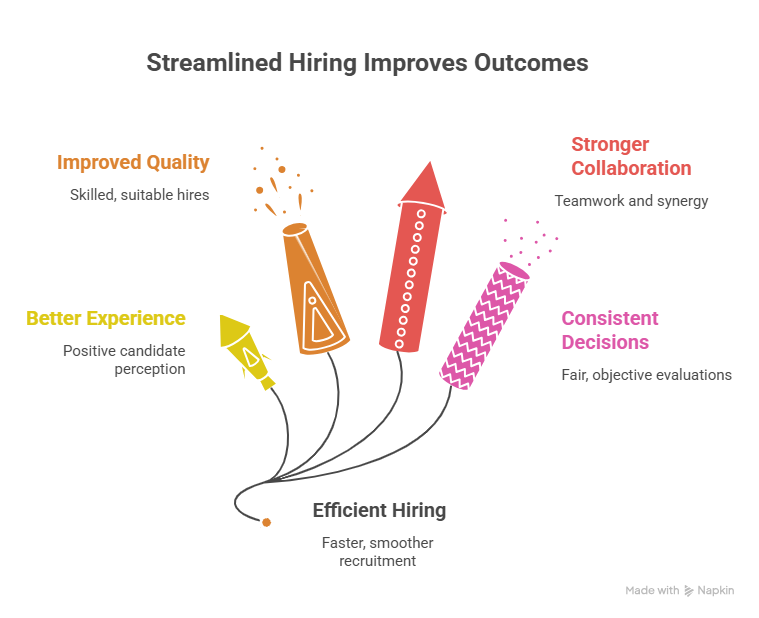
When you start connecting every part of your hiring process, the impact is immediate.
You don’t just save time, you create a system that works smoothly at every stage without constant intervention.
1. Faster Hiring Process
Hiring delays usually happen between steps, not within them.
When your sourcing, screening, and scheduling are disconnected, even small gaps slow everything down.
With end-to-end recruitment, each stage flows into the next without friction.
You move candidates forward quickly, reduce time-to-hire, and avoid losing top talent to faster competitors.
2. Better Candidate Experience
Candidates today expect speed, clarity, and consistent communication.
If your process feels slow or unorganized, they lose interest quickly.
An end-to-end approach ensures timely updates, smooth interactions, and fewer gaps in communication.
This creates a more professional and engaging experience that keeps candidates interested throughout the journey.
3. Improved Hiring Quality
When your data and evaluation process are scattered, decision-making becomes inconsistent.
End-to-end recruitment brings everything into one place, giving you a complete view of each candidate.
You can assess fit more accurately and shortlist candidates based on structured, data-backed insights.
4. Stronger Team Collaboration
Hiring is rarely a one-person job, yet teams often work in silos.
End-to-end recruitment keeps everyone aligned on the same platform and process.
Recruiters, hiring managers, and interviewers can collaborate easily without back-and-forth confusion.
This reduces miscommunication and helps teams make faster, more confident decisions.
5. More Consistent Hiring Decisions
Inconsistent processes lead to inconsistent outcomes.
Without a standardized flow, every role gets handled differently, affecting quality and fairness.
End-to-end recruitment introduces structure across every stage.
You follow a repeatable process, evaluate candidates consistently, and build a more reliable hiring system over time.
Suggested Reading:
Recruitment Automation: Step-by-Step Guide for HR’sThe End-to-End Recruitment Process Overview
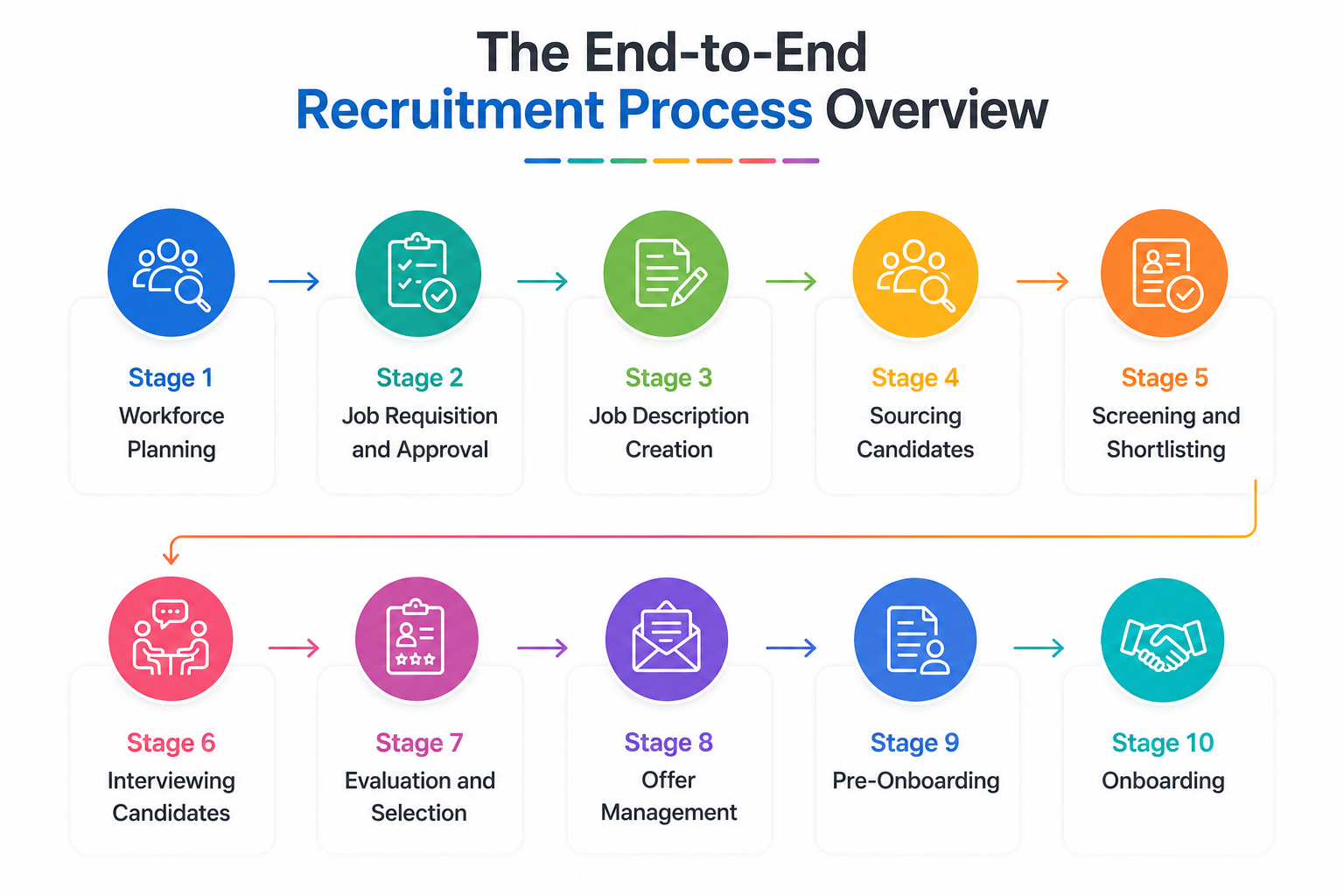
Now that you understand the benefits, the next step is to see how this process actually works in practice.
End-to-end recruitment is not a single action, it is a sequence of connected stages that guide you from planning to hiring with clarity and control.
Stage 1: Workforce Planning
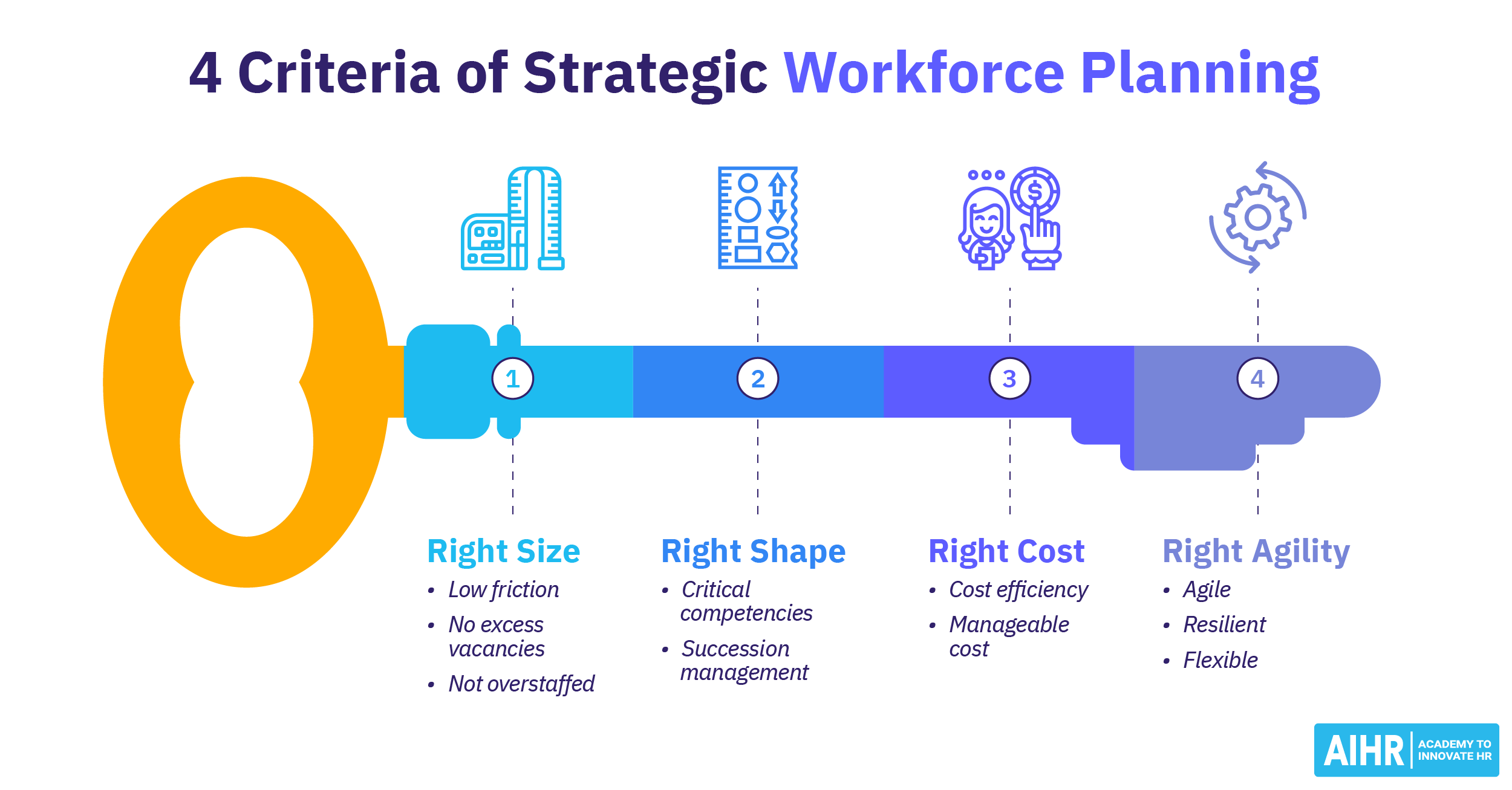
Every successful hire starts before the job is even opened.
Workforce planning is where you identify what roles you need, why you need them, and when you need them filled.
Instead of reacting to sudden hiring needs, you take a proactive approach by aligning hiring with your business goals.
You assess current team capacity, identify skill gaps, and forecast future requirements.
This ensures you are not just hiring fast, but hiring with purpose and direction.
Stage 2: Job Requisition and Approval
Once you know what you need, the next step is to formalize the requirement.
Job requisition involves documenting the role, defining expectations, and getting internal approvals to proceed.
This step helps you avoid confusion later by setting clear expectations upfront.
It also ensures that all stakeholders are aligned on the role, budget, and urgency before the hiring process begins.
When done right, this stage reduces back-and-forth and prevents delays caused by unclear requirements.
Stage 3: Job Description Creation
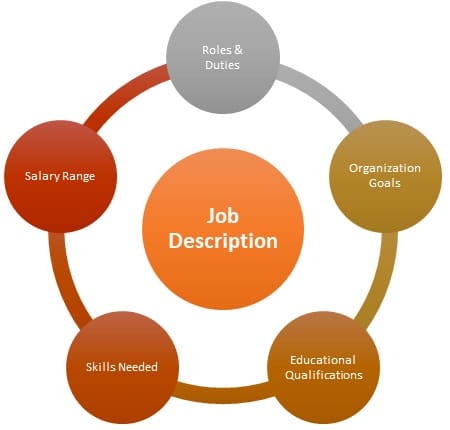
Your job description is often the first interaction candidates have with your company.
It is not just a list of responsibilities, it is a communication tool that attracts the right talent.
A well-crafted job description clearly explains the role, required skills, expectations, and growth opportunities.
It also sets the tone for the kind of candidates you want to attract.
When your job description is clear and targeted, you naturally receive better-quality applications, reducing effort in later stages.
Stage 4: Sourcing Candidates
Once your job is live, the focus shifts to finding the right candidates.
Sourcing is no longer limited to job boards.
You tap into multiple channels such as professional networks, databases, referrals, and talent pools.
The goal is not just to find candidates, but to reach the right ones who match your requirements.
A strong sourcing strategy increases your chances of building a high-quality pipeline early in the process.
Stage 5: Screening and Shortlisting
After sourcing, you need to identify which candidates are worth moving forward.
Screening involves reviewing resumes, evaluating skills, and assessing initial fit for the role.
This step helps you filter out unqualified applicants and focus only on the most relevant profiles.
Shortlisting then narrows this pool further to candidates who best match your expectations.
When done efficiently, this stage saves significant time for hiring managers and ensures interviews are focused on the right talent.
Stage 6: Interviewing Candidates
Once you have a strong shortlist, the focus shifts to deeper evaluation through interviews.
This is where you go beyond resumes and assess how well a candidate actually fits the role and your team.
Interviews can take multiple formats depending on the role, such as technical rounds, behavioral discussions, or case-based assessments.
The key is to keep the process structured and consistent across candidates.
When your interviews are well-planned, you gather meaningful insights instead of relying on gut feeling.
At the same time, a smooth and timely interview experience helps you keep candidates engaged and interested.
Stage 7: Evaluation and Selection
After interviews, the next step is to bring all feedback together and make a decision.
This stage is often where delays and confusion happen if there is no clear structure.
A strong evaluation process ensures that feedback from all stakeholders is collected in a standardized way.
You compare candidates based on defined criteria rather than subjective opinions.
This makes your decision more objective and reliable.
When done right, selection becomes faster, clearer, and aligned with your original hiring goals.
Stage 8: Offer Management
Once you have selected the right candidate, the next step is to make an offer.
This is a critical moment where you convert interest into commitment.
Offer management includes preparing the compensation package, getting approvals, and communicating the offer clearly.
Speed matters here because delays can lead to losing candidates to other opportunities.
A smooth and transparent offer process builds trust and increases the chances of acceptance.
Stage 9: Pre-Onboarding
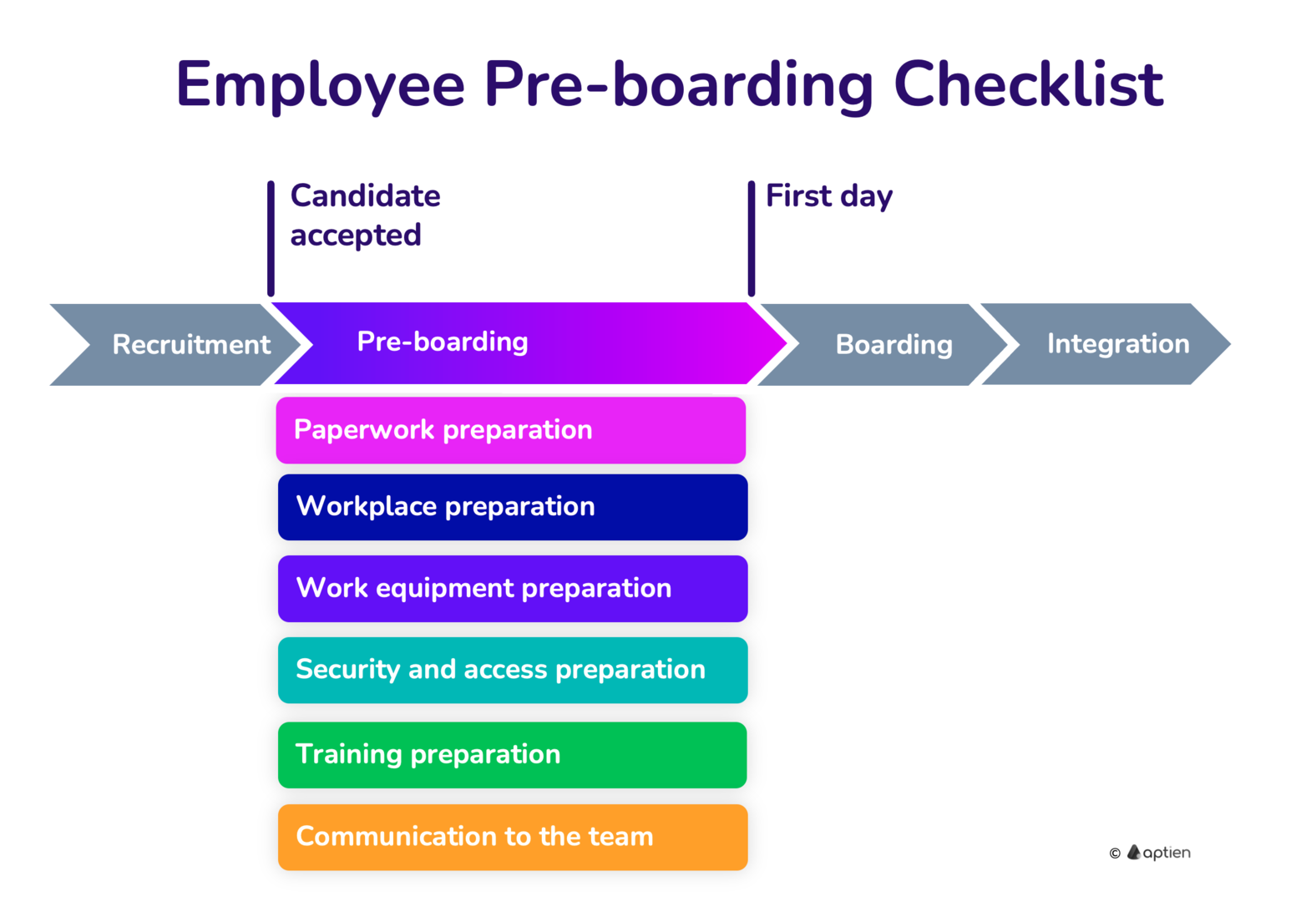
After the offer is accepted, there is still a gap before the candidate officially joins.
This phase is known as pre-onboarding, and it plays a key role in keeping candidates engaged.
You share important information, complete documentation, and stay in touch regularly.
Without proper communication, candidates may feel disconnected or uncertain during this period.
A strong pre-onboarding process ensures they remain confident and excited about joining your team.
Stage 10: Onboarding
Onboarding is where the hiring process comes full circle.
It is not just about paperwork, it is about helping new hires settle into their role and environment.
A structured onboarding process introduces them to your team, tools, and expectations.
It sets the foundation for their performance and long-term success.
When onboarding is smooth and well-organized, new employees become productive faster and feel more connected to your organization.
Suggested Reading:
Employee Onboarding Checklist: Ultimate Guide for HRHow Leelu.ai Supports End-to-End Recruitment
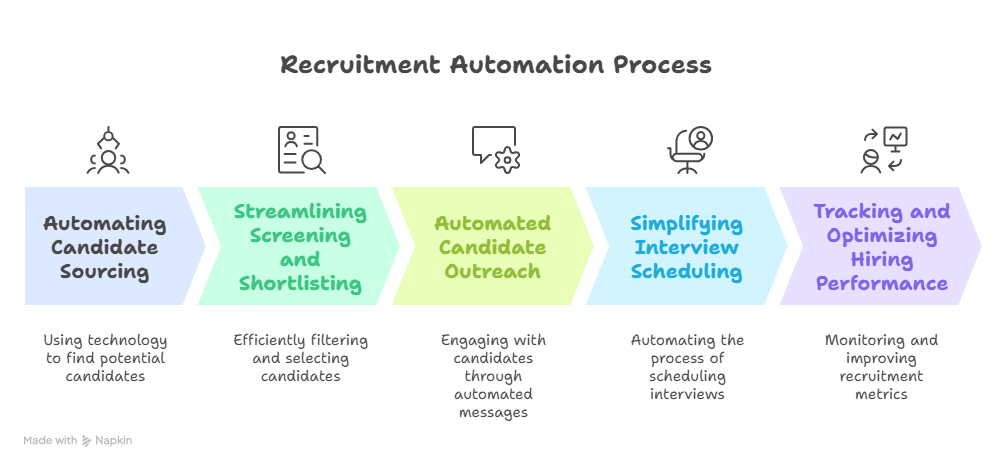
Now that you’ve seen how each stage of recruitment works, the real challenge is executing all of it without slowing down.
This is exactly where a tool like Leelu.ai fits in, not as another layer, but as something that connects and simplifies your entire hiring workflow.
Instead of switching between tools or handling tasks manually, you can manage everything in one continuous system.
1. Automating Candidate Sourcing
Finding the right candidates is often the most time-consuming part of hiring.
Leelu.ai automates this by scanning millions of profiles across platforms in one go.
Instead of manually searching through job boards or databases, you get a ready pipeline of relevant candidates within minutes.
This helps you move faster while still maintaining quality in your talent pool.
2. Streamlining Screening and Shortlisting
Once you have candidates, the next challenge is identifying who actually fits the role.
Leelu.ai simplifies this by automatically parsing resumes and ranking candidates based on job requirements.
You don’t have to go through every profile manually.
You get a prioritized shortlist that helps you focus only on the most relevant candidates.
3. Automated Candidate Outreach
Reaching out to candidates at scale without losing personalization is difficult.
Leelu.ai handles this by sending tailored messages across channels while maintaining consistency.
It also manages follow-ups and responses, so you don’t lose candidates due to delayed communication.
This keeps your pipeline active without adding extra workload.
4. Simplifying Interview Scheduling
Coordinating interviews can slow down your entire process if not handled efficiently.
Leelu.ai automates scheduling by syncing calendars and allowing candidates to pick available slots.
This removes back-and-forth emails and ensures interviews are booked quickly.
As a result, your hiring process moves forward without unnecessary delays.
5. Tracking and Optimizing Hiring Performance
Hiring doesn’t end with filling a role, it improves when you learn from your process.
Leelu.ai provides visibility into your entire recruitment funnel with real-time insights.
You can track what’s working, identify bottlenecks, and make better decisions over time.
This helps you continuously refine your hiring strategy and build a more efficient system.
Common Challenges in End-to-End Recruitment
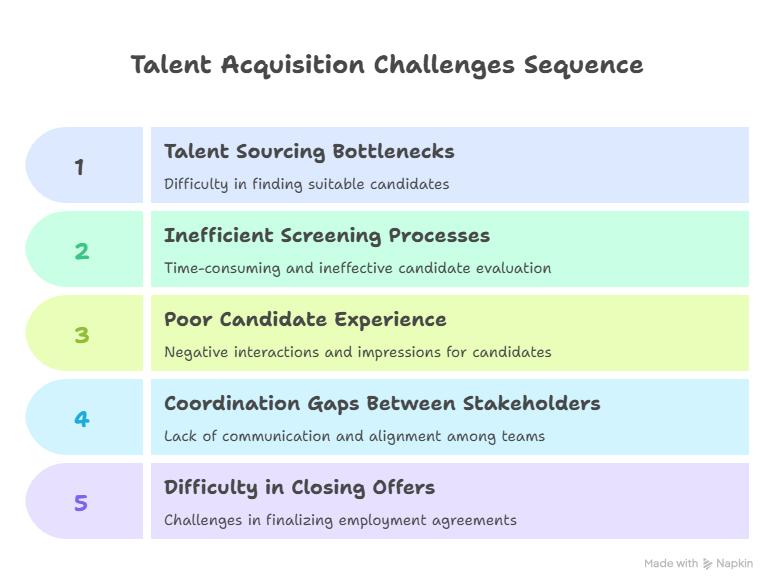
While end-to-end recruitment sounds efficient in theory, executing it smoothly comes with its own set of challenges.
When even one stage breaks down, it affects the entire hiring flow and slows your ability to secure the right talent.
1. Talent Sourcing Bottlenecks
Sourcing often becomes the first major roadblock in hiring.
You may struggle to find relevant candidates or spend too much time searching across multiple platforms.
This leads to a weak or slow-moving pipeline, making it harder to fill roles on time.
Without a consistent sourcing strategy, your entire recruitment process starts on shaky ground.
2. Inefficient Screening Processes
Once applications start coming in, screening can quickly become overwhelming.
Manually reviewing resumes takes time and increases the chances of missing strong candidates.
If your screening process lacks structure, shortlisting becomes inconsistent and unreliable.
This not only slows down hiring but also affects the overall quality of your decisions.
3. Poor Candidate Experience
Candidates today expect quick responses and clear communication.
Delays, lack of updates, or confusing processes can push them away.
Even strong candidates may lose interest if they feel ignored or uncertain during the process.
A poor experience doesn’t just affect one role, it impacts your employer brand in the long run.
4. Coordination Gaps Between Stakeholders
Hiring involves multiple people, but alignment is often missing.
Recruiters, hiring managers, and interviewers may work in silos, leading to miscommunication.
Feedback gets delayed, decisions take longer, and the process becomes harder to manage.
These coordination gaps create friction that slows down the entire hiring cycle.
5. Difficulty in Closing Offers
Selecting a candidate is only part of the challenge.
Closing the offer is where many hiring processes break down.
Delays in approvals, unclear communication, or lack of engagement can cause candidates to drop off.
In a competitive market, even small delays can cost you the right hire.
Conclusion
End-to-end recruitment is not just about connecting hiring steps, it is about creating a system that works efficiently from start to finish.
When every stage is aligned, you reduce delays, improve candidate experience, and make better hiring decisions consistently.
While challenges will always exist, having a structured approach helps you manage them with clarity and control.
As hiring becomes more competitive, building a streamlined, scalable recruitment process is no longer optional.
It is what enables you to attract, engage, and secure the right talent faster without unnecessary complexity.
Frequently Asked Questions
1. What is the main goal of end-to-end recruitment?
The main goal is to manage the entire hiring process in one connected system.
Instead of handling sourcing, screening, and hiring separately, you create a smooth flow that improves speed, consistency, and overall hiring outcomes.
2. How is end-to-end recruitment different from traditional hiring?
Traditional hiring often involves disconnected tools and manual coordination between stages.
End-to-end recruitment brings everything together, reducing delays and making the process more structured and efficient.
3. Is end-to-end recruitment suitable for small teams?
Yes, it can be even more valuable for small teams.
With limited resources, having a streamlined process helps you save time, reduce manual work, and focus only on the most relevant candidates.
4. How does it improve candidate experience?
It ensures faster responses, clear communication, and fewer delays.
Candidates move through the process smoothly, which keeps them engaged and improves your chances of securing top talent.
5. What are the biggest challenges in implementing it?
Common challenges include sourcing quality candidates, managing screening efficiently, and maintaining coordination across teams.
However, these can be addressed with the right processes and tools in place.
Can end-to-end recruitment be automated?
Yes, many parts of the process can be automated, such as sourcing, screening, outreach, and scheduling.
Automation helps you reduce manual effort while keeping the process fast and consistent.


