Building an inclusive workforce is no longer just a company initiative.
It has become an important part of attracting top talent, improving innovation, and creating stronger teams.
The challenge is that unconscious bias can influence hiring decisions at different stages of the recruitment process.
That is where diversity hiring tools help by making sourcing, screening, and candidate evaluation more objective and inclusive.
In this guide, you'll discover:
- The best diversity hiring tools available today
- Key features that support inclusive recruiting
- How to choose the right platform for your hiring needs
- What to look for when evaluating diversity hiring software
How We Selected the Best Diversity Hiring Tools
With dozens of diversity hiring platforms on the market, choosing the right one can be challenging.
Some tools focus on reducing bias, while others specialize in candidate sourcing, analytics, or workflow automation.
To create this list, we evaluated each platform based on the factors that have the biggest impact on building a more inclusive hiring process.
1. Bias Reduction Capabilities
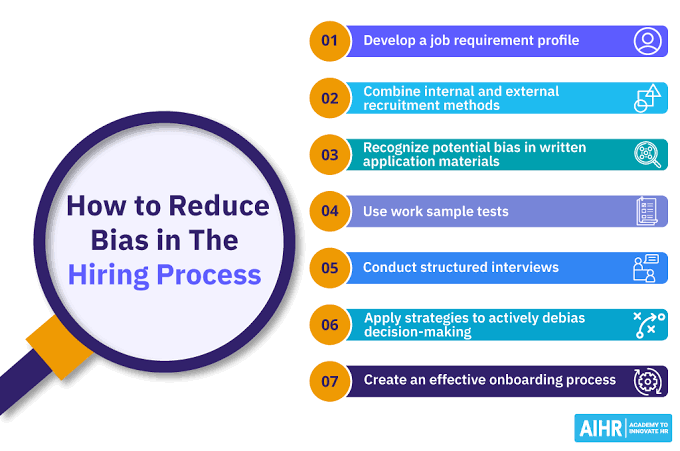
One of the most important criteria was how effectively a tool helps reduce unconscious bias during recruitment.
We looked for features such as blind resume screening, structured candidate evaluations, and AI-powered recommendations designed to promote objective decision-making.
2. Sourcing and Outreach Features
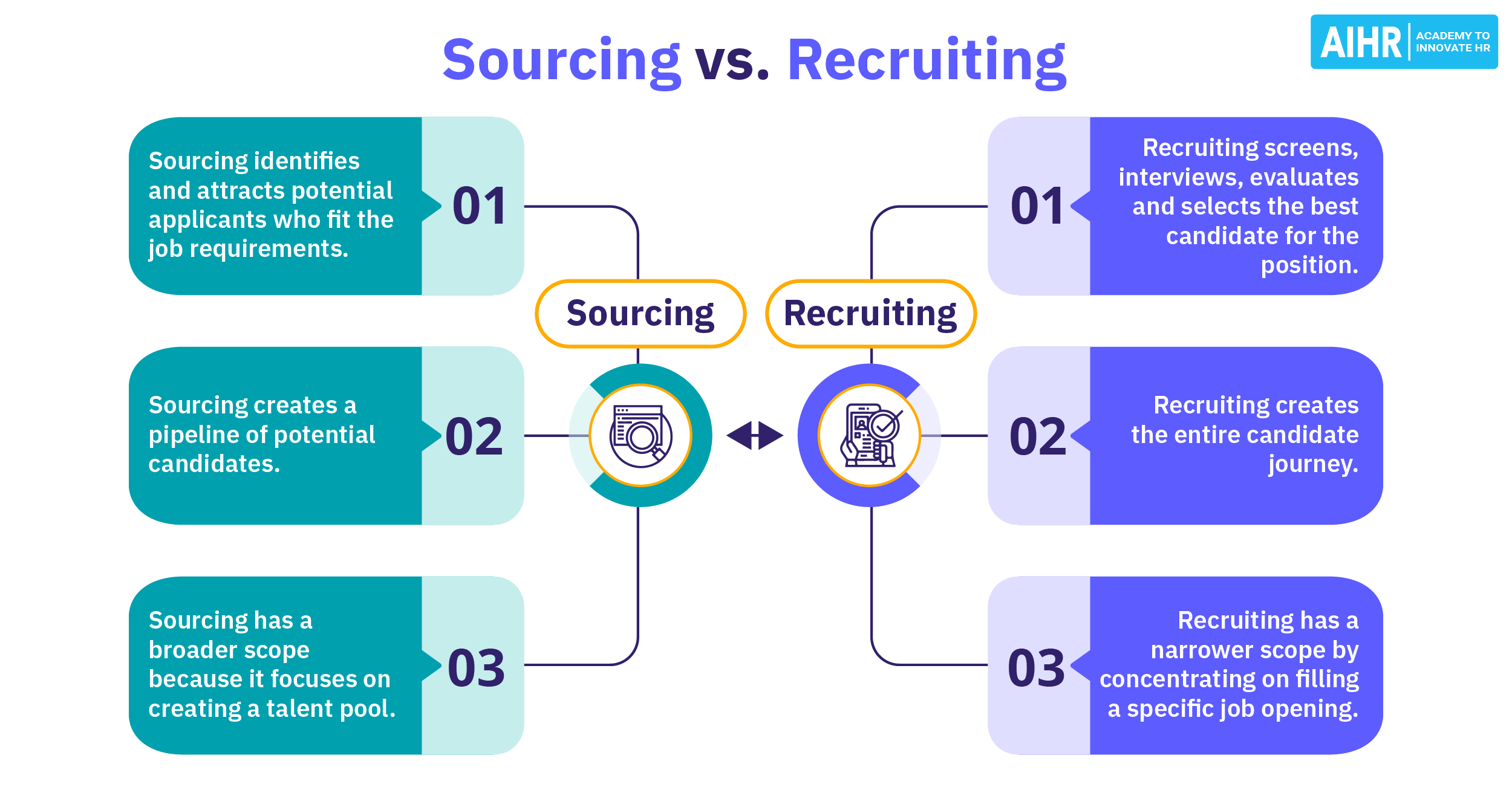
A diversity hiring tool should help you reach talent beyond traditional candidate pools.
We prioritized platforms that support diverse candidate sourcing, targeted outreach campaigns, and access to underrepresented talent communities.
3. Analytics and Diversity Reporting
Data plays a critical role in measuring hiring outcomes.
We evaluated whether each platform provides diversity metrics, hiring funnel insights, and reporting capabilities that help teams track progress and identify improvement areas.
4. Integration with Existing Recruiting Workflows
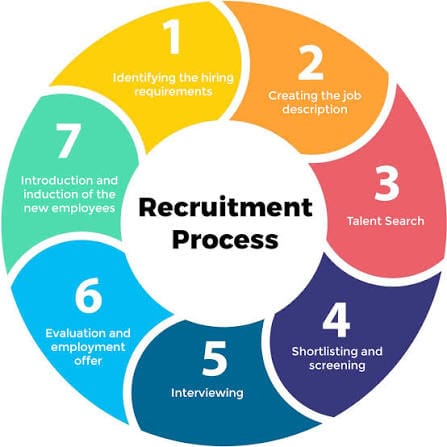
Recruiters already use multiple hiring tools every day.
We considered how well each solution integrates with applicant tracking systems, communication platforms, and existing recruitment workflows to minimize disruption.
5. Ease of Use and Scalability
Finally, we assessed usability and scalability.
The best diversity hiring tools should be easy to adopt, support growing hiring demands, and provide value for both small businesses and large enterprises.
Suggested Reading:
10 Best Practices for Diversity Hiring Without Slowing Hiring12 Best Diversity Hiring Tools
The right diversity hiring tool can help you reduce bias, reach underrepresented talent pools, and create a more inclusive recruitment process.
While every platform approaches diversity hiring differently, the tools below stand out for their ability to support fairer and more data-driven hiring decisions.
1. Leelu.ai
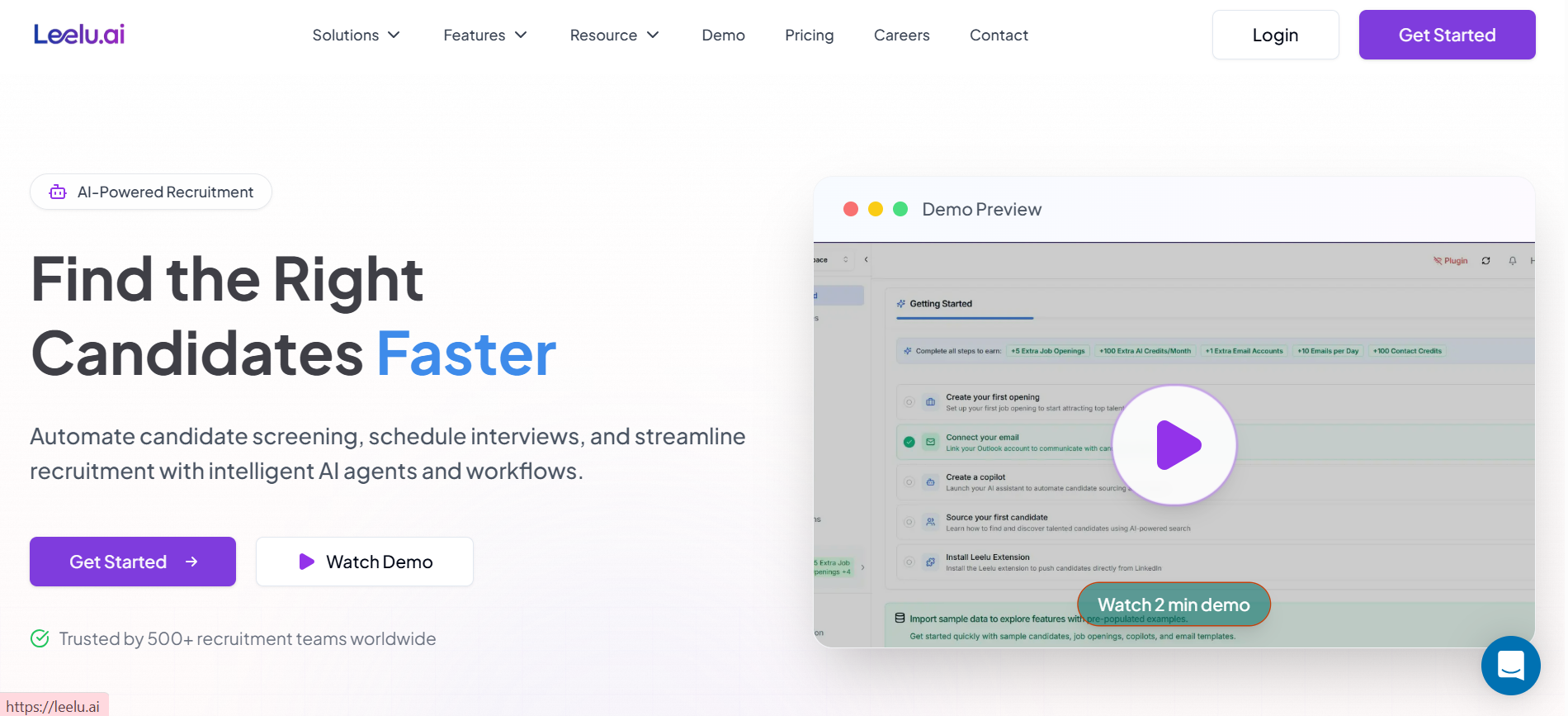
Leelu.ai is an AI recruiting copilot designed to automate sourcing, screening, outreach, and interview scheduling from a single platform.
Instead of relying on limited candidate databases, Leelu searches across multiple talent sources and helps recruiters identify qualified candidates faster.
Its AI-powered matching capabilities can also reduce manual screening efforts and bring greater consistency to candidate evaluation.
Key strengths include:
- AI-powered candidate sourcing across multiple platforms
- Automated resume screening and candidate ranking
- Personalized outreach and follow-up automation
- Interview scheduling and ATS integrations
- Hiring analytics and pipeline visibility
For teams looking to combine efficiency with broader talent discovery, Leelu offers an end-to-end recruiting workflow that supports more inclusive hiring practices.
2. Textio
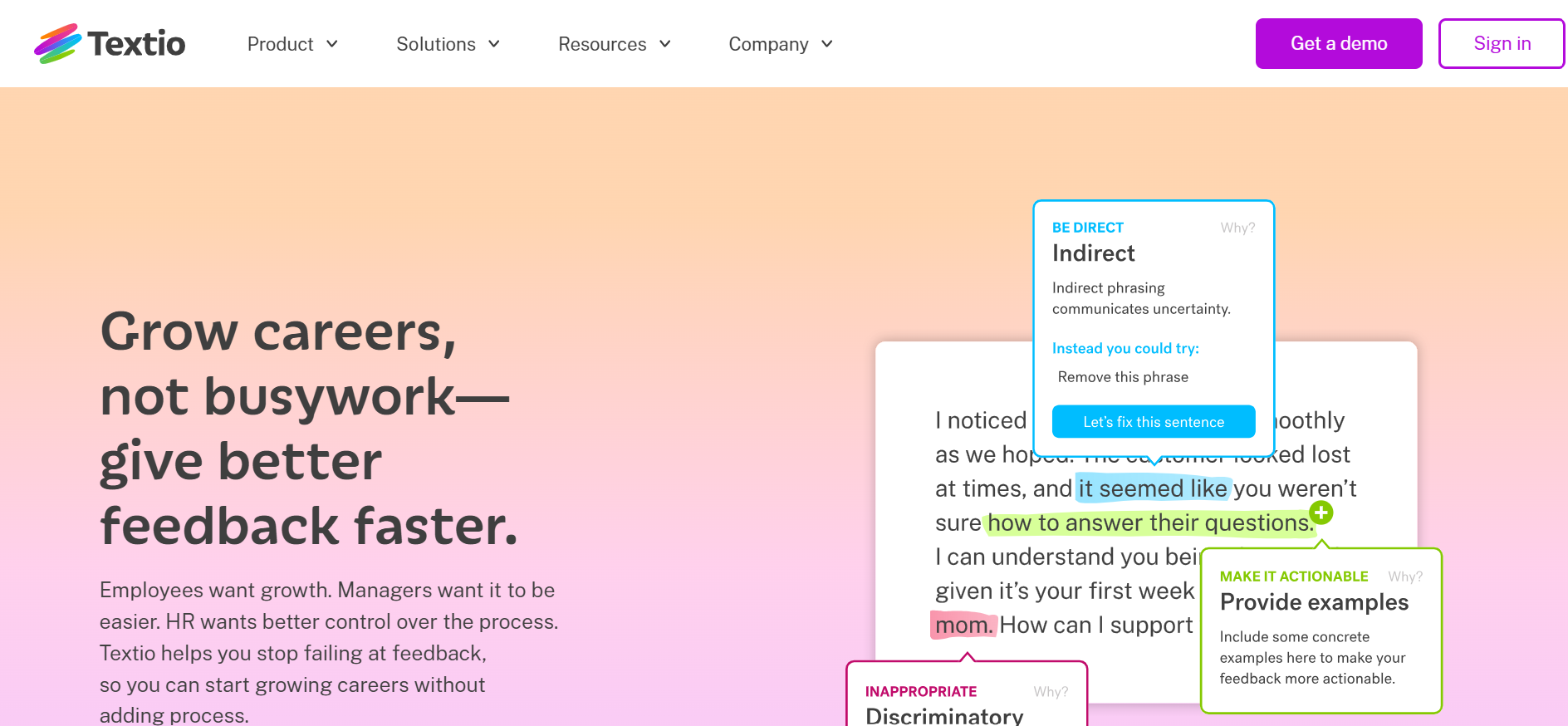
Textio focuses on improving the language used throughout the hiring process.
The platform analyzes job descriptions and recruiting communications to identify wording that may unintentionally discourage certain candidate groups from applying.
It then provides suggestions to make content more inclusive and engaging.
Organizations often use Textio to improve applicant diversity before candidates even enter the hiring funnel.
Some notable features include:
- Inclusive job description analysis
- Bias detection in recruiting language
- Real-time writing recommendations
- Employer brand consistency tools
Textio is particularly valuable for companies looking to improve diversity at the top of the recruitment funnel.
3. Applied
Applied takes a structured approach to reducing bias during candidate evaluation.
The platform removes identifying information from applications and helps hiring teams assess candidates based on skills and qualifications rather than personal characteristics.
Its evidence-based hiring methodology is designed to improve fairness while maintaining hiring quality.
Key capabilities include:
- Blind hiring workflows
- Structured candidate assessments
- Standardized scoring frameworks
- Collaborative evaluation tools
Applied is a strong option for organizations that want a more objective and data-backed hiring process.
4. Blendoor
Blendoor combines diversity recruiting with talent matching technology.
The platform helps companies discover candidates from diverse backgrounds while minimizing the influence of demographic information during the screening process.
By emphasizing skills and qualifications, Blendoor aims to create a more equitable hiring experience for both recruiters and applicants.
Its core features include:
- Diversity-focused candidate sourcing
- Blind candidate matching
- Talent pipeline management
- Diversity analytics and insights
Blendoor is especially useful for organizations that want to expand access to diverse talent while reducing unconscious bias.
5. Diversio
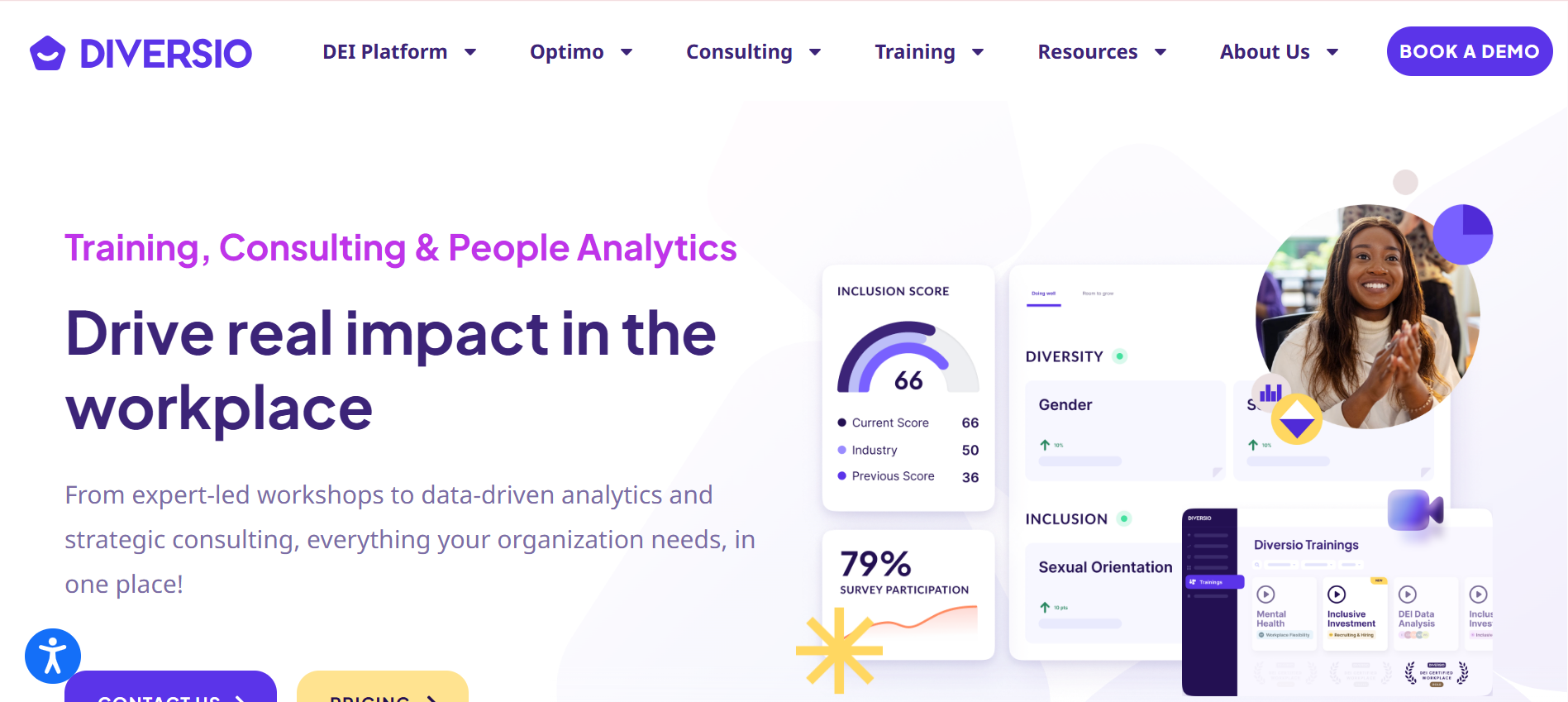
Diversio goes beyond hiring and focuses on measuring diversity, equity, and inclusion across the organization.
The platform uses workforce data and employee feedback to identify barriers that may affect representation and inclusion. It then provides actionable recommendations for improvement.
Companies often use Diversio alongside recruiting tools to strengthen broader DEI initiatives.
Key benefits include:
- Diversity and inclusion analytics
- Employee experience insights
- Benchmarking and reporting
- Action planning recommendations
For organizations seeking deeper visibility into DEI performance, Diversio provides valuable data-driven guidance.
6. Pinpoint
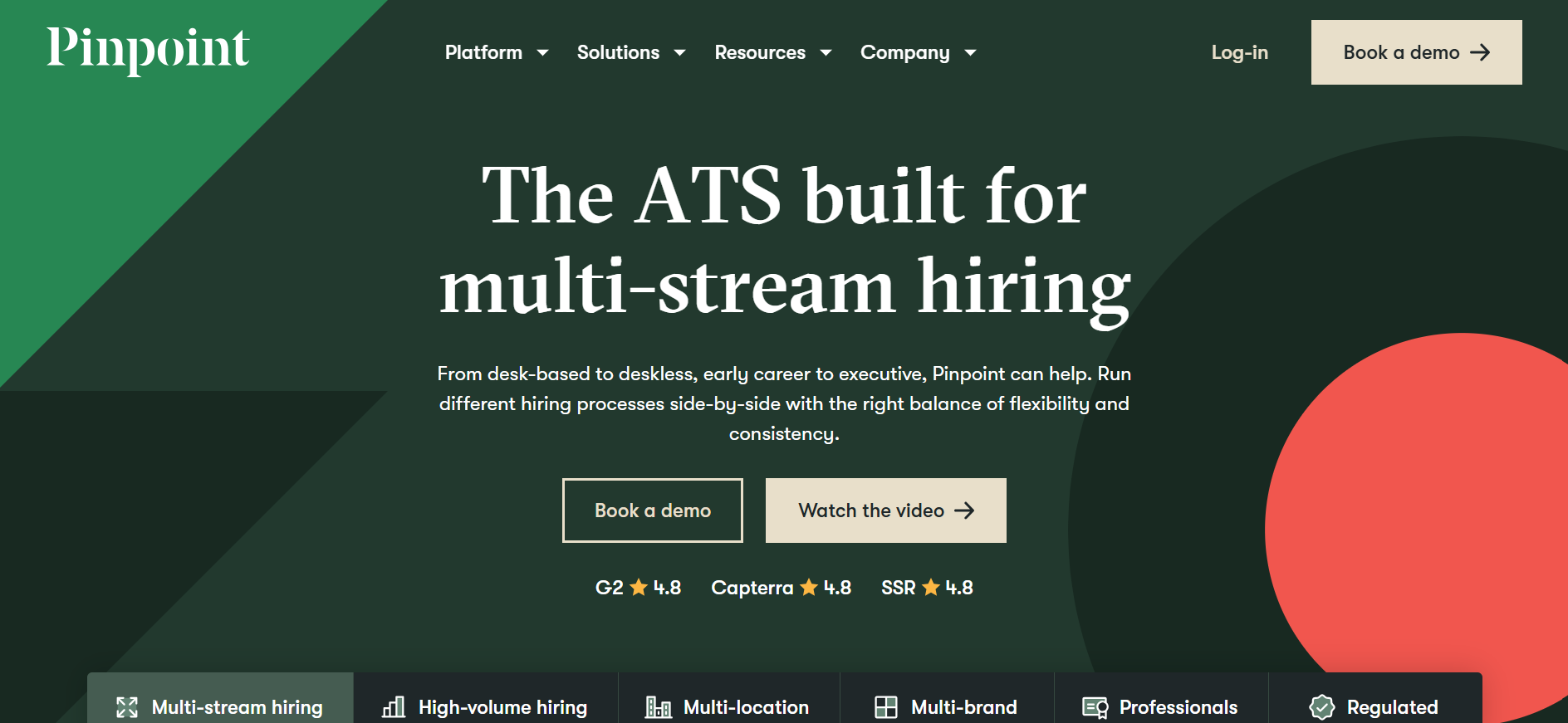
Pinpoint is a talent acquisition platform that includes several features designed to support inclusive hiring.
The platform helps recruiters attract, manage, and evaluate candidates while maintaining a structured and consistent hiring process. Its customizable workflows allow organizations to implement diversity-focused recruiting strategies without disrupting existing operations.
Pinpoint also offers reporting tools that help hiring teams monitor recruitment outcomes and identify areas for improvement.
Notable features include:
- Customizable recruitment workflows
- Candidate relationship management
- Diversity tracking and reporting
- Interview scheduling and collaboration tools
- ATS functionality for growing teams
Pinpoint is a good fit for organizations that want a modern recruiting platform with flexibility to support diversity hiring goals.
7. Eightfold AI
Eightfold AI is a talent intelligence platform that uses artificial intelligence to help organizations identify, engage, and retain talent more effectively.
Its skills-based approach allows recruiters to look beyond traditional qualifications and discover candidates who may otherwise be overlooked. This can help create a broader and more diverse talent pipeline.
Key features include:
- AI-powered talent matching
- Skills-based candidate evaluation
- Internal mobility and workforce planning
- Diversity and talent insights
Eightfold AI is well suited for large organizations that want to combine diversity hiring with long-term talent management.
8. SeekOut
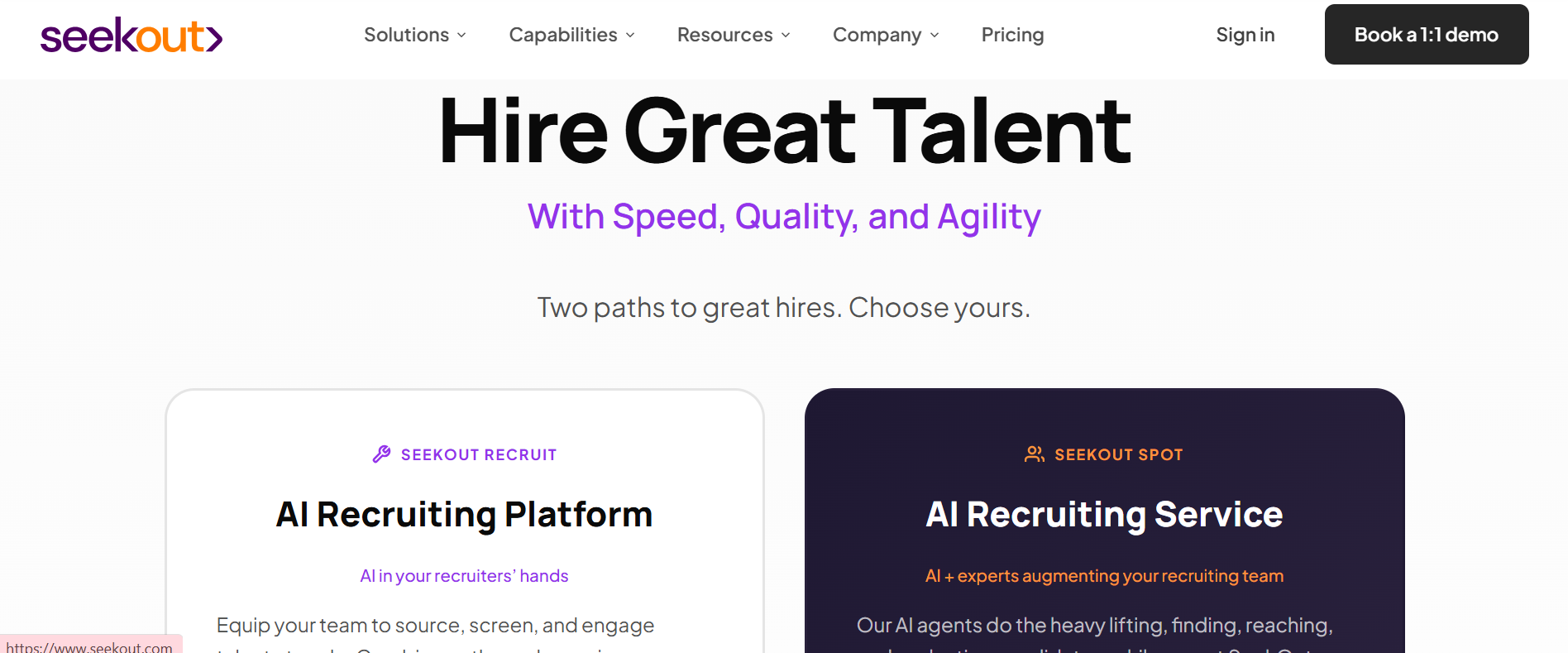
SeekOut is a sourcing platform known for helping recruiters find hard-to-reach and underrepresented talent.
The platform provides access to extensive talent data and advanced search capabilities, making it easier to identify candidates from diverse professional backgrounds. Recruiters can also build targeted outreach campaigns to engage qualified talent more effectively.
Notable features include:
- Advanced candidate sourcing
- Diversity-focused talent search filters
- Candidate engagement tools
- Talent market analytics
SeekOut is particularly useful for companies looking to strengthen diversity recruiting at the sourcing stage.
9. Datapeople
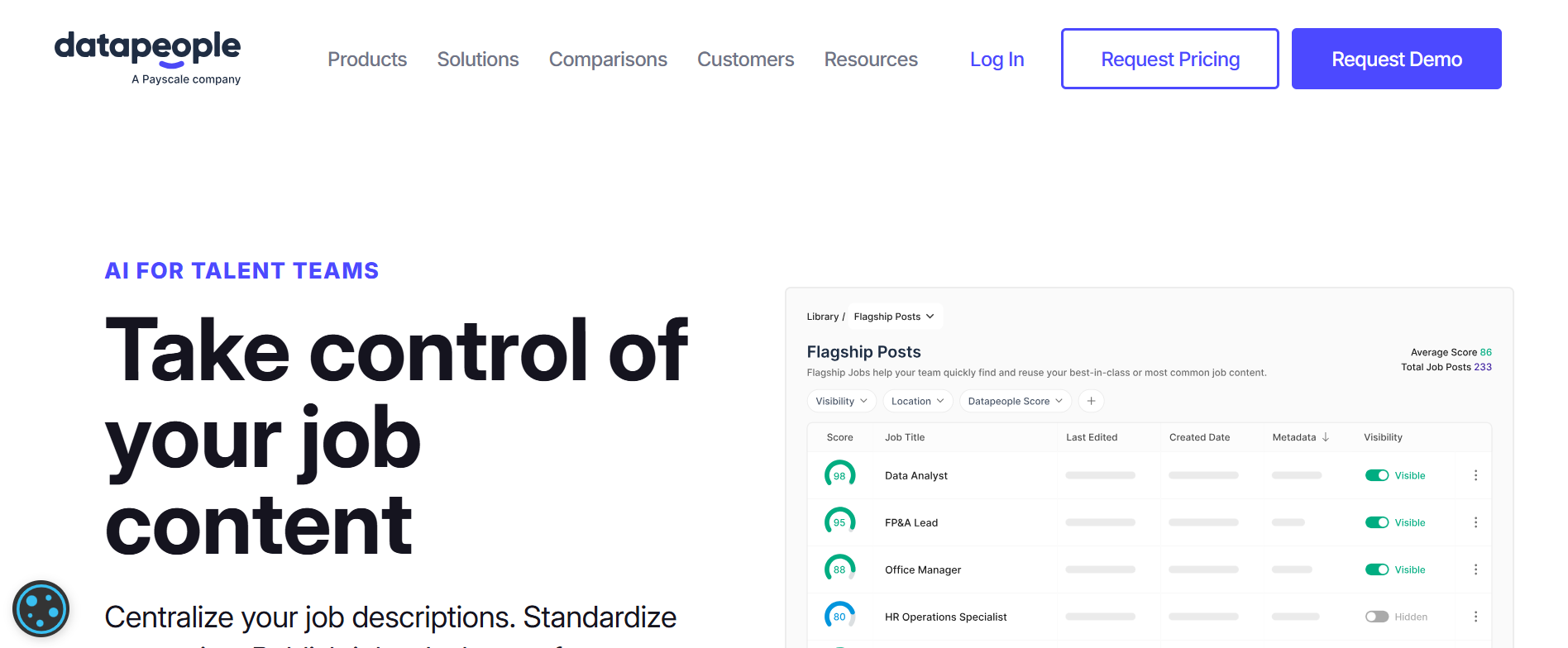
Datapeople focuses on improving hiring outcomes through better job descriptions and recruiting data.
The platform analyzes job postings and provides recommendations that help organizations create more inclusive and effective hiring content. It also tracks hiring performance to help teams understand how job descriptions impact candidate diversity.
Some of its key capabilities include:
- Inclusive job description optimization
- Recruiting analytics and reporting
- Hiring process insights
- Content performance tracking
Datapeople is a strong option for teams that want to attract a wider range of qualified applicants through better hiring communication.
10. TalVista
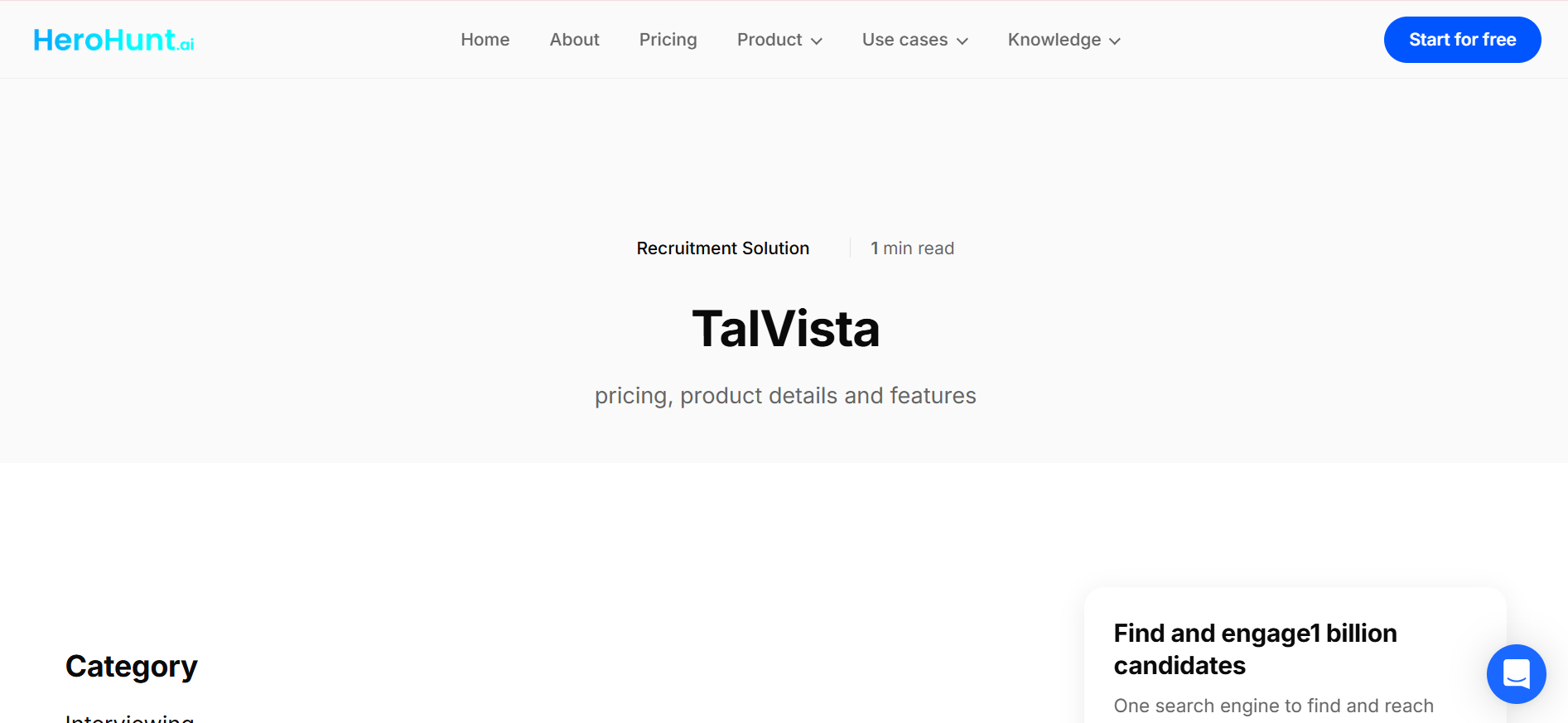
TalVista is designed specifically to help organizations reduce bias throughout the recruitment process.
The platform supports fair candidate evaluation by providing structured interview frameworks, inclusive hiring tools, and data-driven insights. Its approach helps recruiters make more consistent hiring decisions while improving candidate experience.
Core features include:
- Bias reduction tools
- Structured interview guides
- Inclusive hiring workflows
- Diversity analytics and reporting
TalVista is a good fit for organizations that want to build a more equitable hiring process from application to interview.
11. Circa
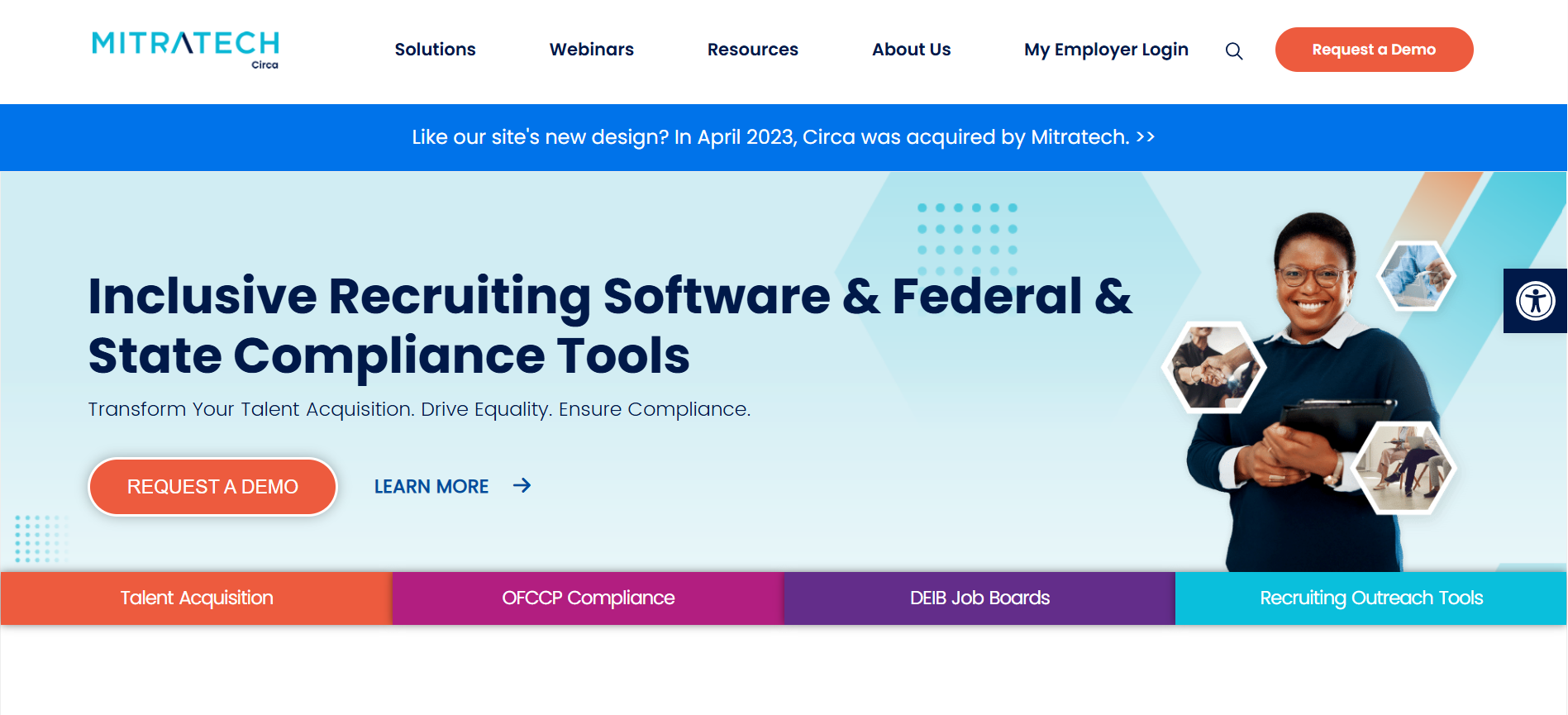
Circa combines diversity recruiting technology with compliance-focused hiring solutions.
The platform helps employers connect with diverse candidate communities through an extensive network of job boards and outreach channels. It also supports organizations that need to meet diversity and regulatory hiring requirements.
Key strengths include:
- Diverse candidate sourcing networks
- Job distribution across inclusion-focused channels
- Diversity recruiting support
- Compliance and reporting tools
For organizations that prioritize outreach and candidate attraction, Circa offers a practical way to expand access to diverse talent pools.
12. Humanly
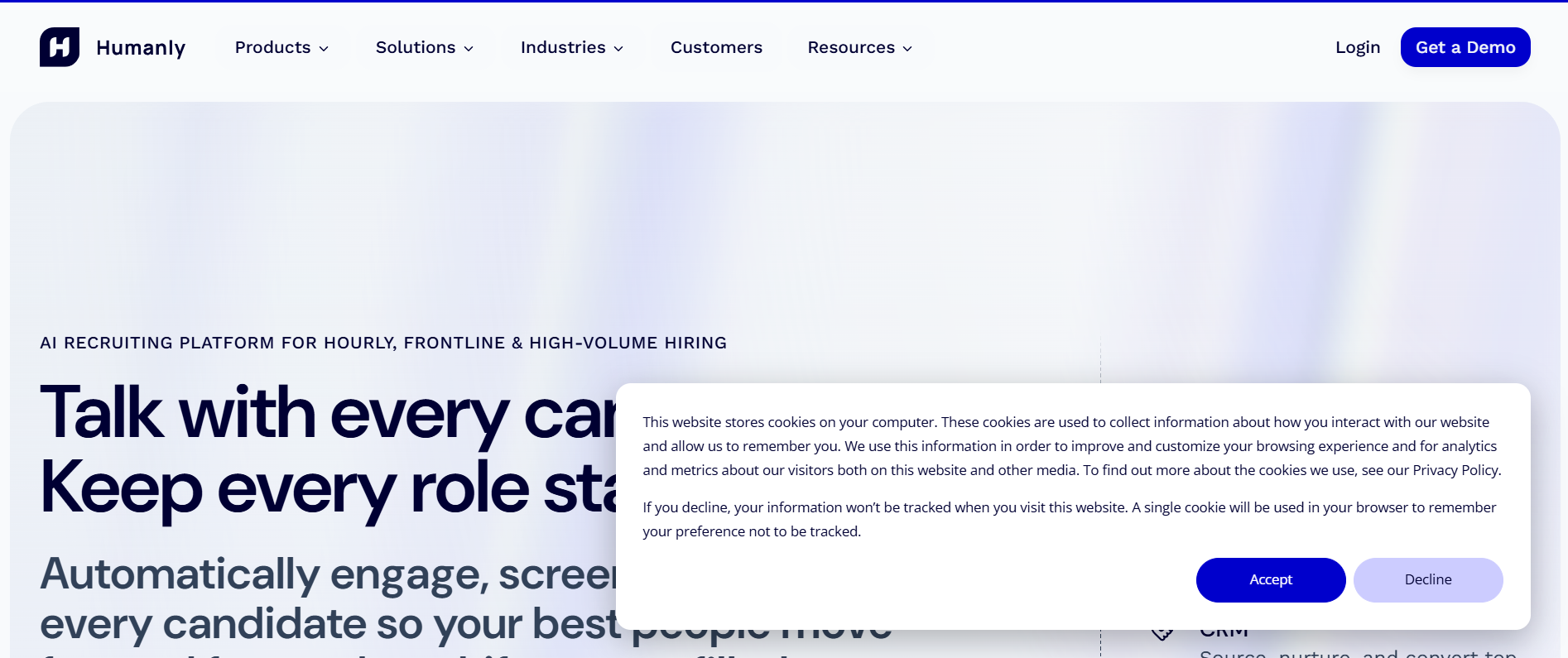
Humanly uses conversational AI to streamline candidate engagement while creating a more accessible hiring experience.
The platform automates candidate communication, screening conversations, and interview scheduling, helping recruiters spend more time on high-value interactions. By standardizing early-stage candidate engagement, Humanly can also help reduce inconsistencies in the hiring process.
Its notable features include:
- AI-powered candidate screening
- Automated interview scheduling
- Conversational recruiting workflows
- Candidate experience optimization
Humanly is an excellent choice for organizations that want to improve engagement, reduce manual recruiting tasks, and create a more consistent candidate journey.
Together, these diversity hiring tools address different parts of the recruitment process, from sourcing and outreach to screening, analytics, and candidate engagement.
The right choice ultimately depends on your hiring goals, team size, and the specific challenges you want to solve within your diversity recruitment strategy.
Suggested Reading:
10 Candidate Sourcing Channels That Deliver Better Hires FastKey Features to Look for in a Diversity Hiring Tool
Not all diversity hiring tools offer the same capabilities. The best platforms help reduce bias while making it easier to attract, evaluate, and engage a wider range of candidates.
1. Inclusive Job Description Support
The hiring process often starts with a job posting.
Look for tools that analyze job descriptions and identify language that may unintentionally discourage certain groups from applying. Inclusive writing recommendations can help you attract a more diverse candidate pool from the start.
2. Blind Screening and Bias Reduction
Unconscious bias can influence candidate evaluations.
Features such as blind resume screening, structured assessments, and standardized scoring frameworks help recruiters focus on skills and qualifications rather than personal characteristics.
3. Diverse Candidate Sourcing
A strong diversity hiring strategy requires access to broader talent pools.
The best tools provide sourcing capabilities that connect you with candidates from different backgrounds, communities, and professional networks.
4. Diversity Analytics and Reporting
Without data, it is difficult to measure progress.
Look for platforms that offer diversity metrics, hiring funnel insights, and reporting dashboards that help you identify gaps and track recruitment outcomes over time.
5. Candidate Engagement and Accessibility
An inclusive hiring experience extends beyond sourcing and screening.
Features such as automated communication, interview scheduling, accessibility support, and candidate-friendly application processes can improve engagement and create a more positive experience for every applicant.
Conclusion
Building a more inclusive workforce requires more than good intentions. It requires the right processes, data, and tools to support fair hiring decisions at every stage of recruitment.
The diversity hiring tools featured in this guide can help you reduce bias, expand access to underrepresented talent, and create a better candidate experience.
Whether you need inclusive job description support, diverse candidate sourcing, blind screening, or advanced analytics, there is a solution that fits your hiring goals.
By choosing the right platform and continuously measuring outcomes, you can build stronger, more diverse teams that contribute to long-term business success.
Frequently Asked Questions
1. What are diversity hiring tools?
Diversity hiring tools help organizations reduce bias, attract diverse candidates, and create more inclusive recruitment processes.
2. How do diversity hiring tools reduce hiring bias?
They use features like blind screening, structured evaluations, and inclusive language analysis to support objective hiring decisions.
3. Can small businesses benefit from diversity hiring software?
Yes, small businesses can improve hiring fairness, reach wider talent pools, and streamline recruitment without large teams.
4. Do diversity hiring tools replace recruiters?
No, they support recruiters by automating repetitive tasks while keeping human judgment central to hiring decisions.
5. What features should I prioritize when choosing a diversity hiring platform?
Focus on bias reduction, diverse sourcing, analytics, accessibility, workflow integrations, and ease of use for recruiters.