Hiring today doesn’t fail because of a lack of candidates.
It slows down because finding the right ones takes too much time and manual effort.
That’s where AI candidate sourcing tools step in.
These tools use data, automation, and intelligent matching to help you discover, screen, and engage the right candidates faster without jumping across multiple platforms.
Instead of spending hours searching, you get a curated pipeline in minutes.
In this guide, you’ll learn:
- How AI tools for candidate sourcing actually work
- Key features you should look for
- A quick comparison of top tools
- The 10 best AI candidate sourcing tools in 2026
How AI Tools for Candidate Sourcing Work
Now that you know why these tools matter, let’s break down what actually happens behind the scenes.
Most AI tools for candidate sourcing don’t just “search resumes.”
They combine multiple steps into one continuous workflow that runs faster than any manual process.
First, the tool scans millions of profiles across platforms like LinkedIn, job boards, and ATS databases.
Then, it uses AI algorithms to match candidates based on skills, experience, intent signals, and even past hiring patterns.
Instead of keyword matching alone, a candidate sourcing tool using AI understands context and relevance.
After that, it ranks candidates automatically so you see the best-fit profiles first.
Many tools also handle outreach by sending personalized messages and tracking responses.
Over time, the system learns what works and improves recommendations with every search you run.
Key Features AI Candidate Sourcing Tools Should Have
Understanding how these tools work makes it easier to evaluate what actually matters.
Not every platform offers the same level of intelligence or automation.
If you’re choosing between different ai candidate sourcing tools, here are the features you should prioritize.
1. Multi-Platform Sourcing
The best tools don’t limit you to one database.
They pull candidates from multiple sources including LinkedIn, job boards, and internal ATS systems in one search.
This ensures you’re not missing out on high-quality talent.
2. AI Matching & Ranking
Strong AI tools for sourcing candidates go beyond basic filters.
They analyze skills, experience, and relevance to rank candidates automatically.
This helps you focus only on profiles that actually fit your role.
3. Automated Outreach
Sourcing doesn’t end at finding candidates.
Top tools let you send personalized messages at scale and manage follow-ups automatically.
This improves response rates without increasing your workload.
4. Resume Parsing & Screening
A good ai candidate sourcing tool should quickly analyze resumes and extract key information.
It should also score candidates so you can shortlist faster.
5. Unified Candidate Profiles
Instead of switching tabs, you should see all candidate data in one place.
This includes resume details, social profiles, and interaction history.
6. Analytics & Insights
Data-driven hiring is no longer optional.
Look for tools that provide insights into pipeline performance, response rates, and sourcing effectiveness.
7. Automation Across Workflow
The biggest value comes from reducing manual work.
The right tool should automate sourcing, screening, outreach, and even interview scheduling.
This is what truly separates basic tools from advanced ai tools for candidate sourcing.
AI Candidate Sourcing Tools – Quick Comparison (TL;DR)
Now that you’ve explored each tool in detail, here’s a quick side-by-side view to help you decide faster.
This table simplifies the differences so you can match the right ai candidate sourcing tools to your hiring needs without overthinking.
This quick comparison helps you see where each ai tools for candidate sourcing stands without going into detailed reviews again.
If you’re short on time, use this as your starting point.
Then go back to the detailed section for the tools that match your hiring priorities.
10 Best AI Candidate Sourcing Tools for Recruiters
Now that you know what to look for, the next step is choosing the right tool.
But with so many ai candidate sourcing tools available, it’s easy to feel overwhelmed.
To simplify things, here are 10 of the best tools you can consider in 2026, each with its own strengths depending on your hiring needs.
1. Leelu.ai (Best for Multi-Platform AI Sourcing)
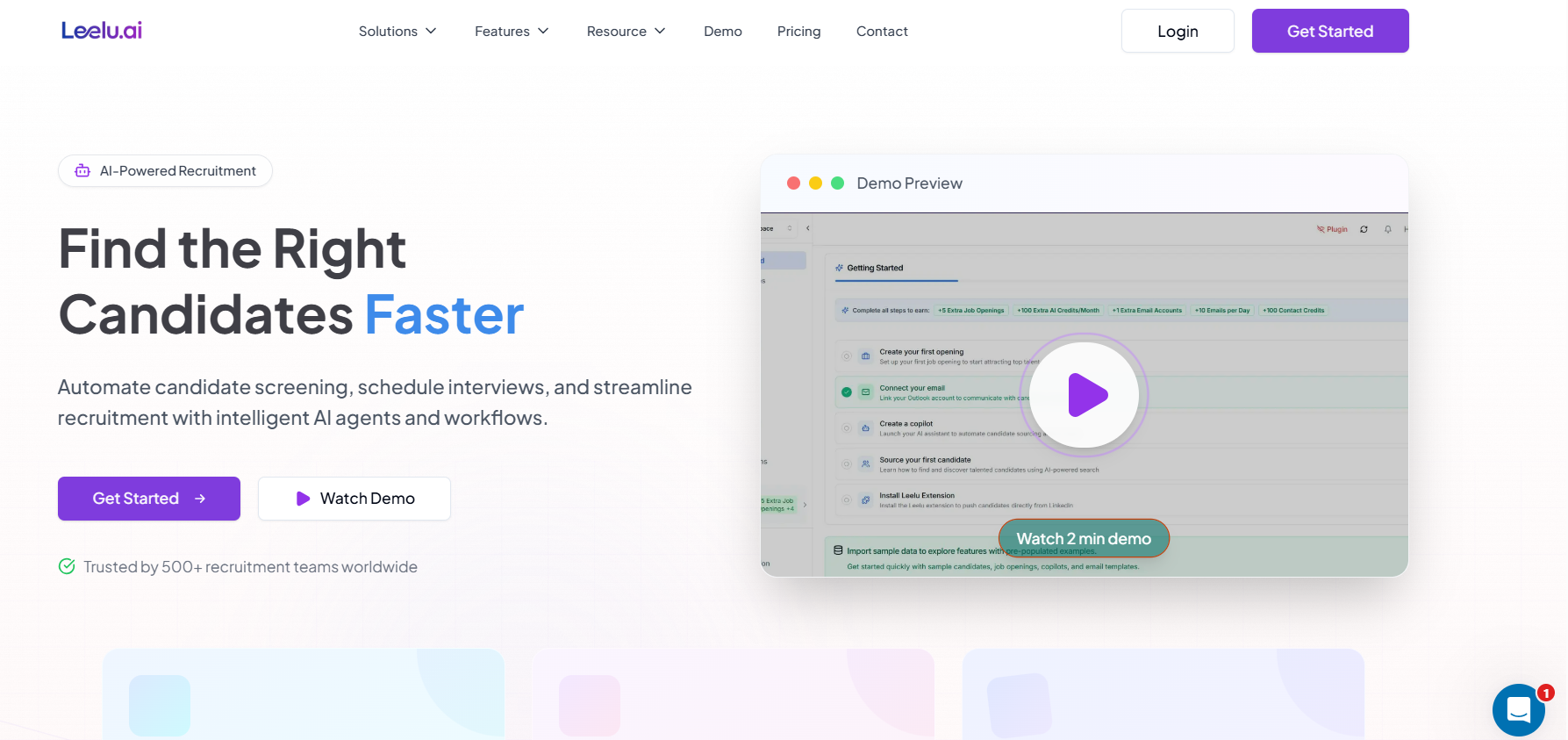
If you want an all-in-one solution, Leelu.ai stands out as a powerful candidate sourcing tool using AI.
It goes beyond just sourcing and covers the entire hiring workflow in one place.
You can source candidates from 500M+ profiles across LinkedIn, job boards, and ATS systems without switching platforms.
What makes it different is its end-to-end automation.
From sourcing and screening to outreach and interview scheduling, everything runs through one AI-driven workflow.
You also get AI matching that ranks candidates in seconds, along with personalized outreach that improves response rates.
If your goal is to reduce manual effort and speed up hiring, this is one of the most complete ai tools for candidate sourcing available today.
2. HireEZ (formerly Hiretual)
HireEZ is a well-known name in the sourcing space, especially for teams focused on outbound recruiting.
It helps you discover candidates across multiple platforms and build strong talent pipelines.
The platform also offers AI-powered search filters and market insights, which can be useful for strategic hiring decisions.
It works best for recruiters who want a balance between sourcing and analytics.
3. SeekOut
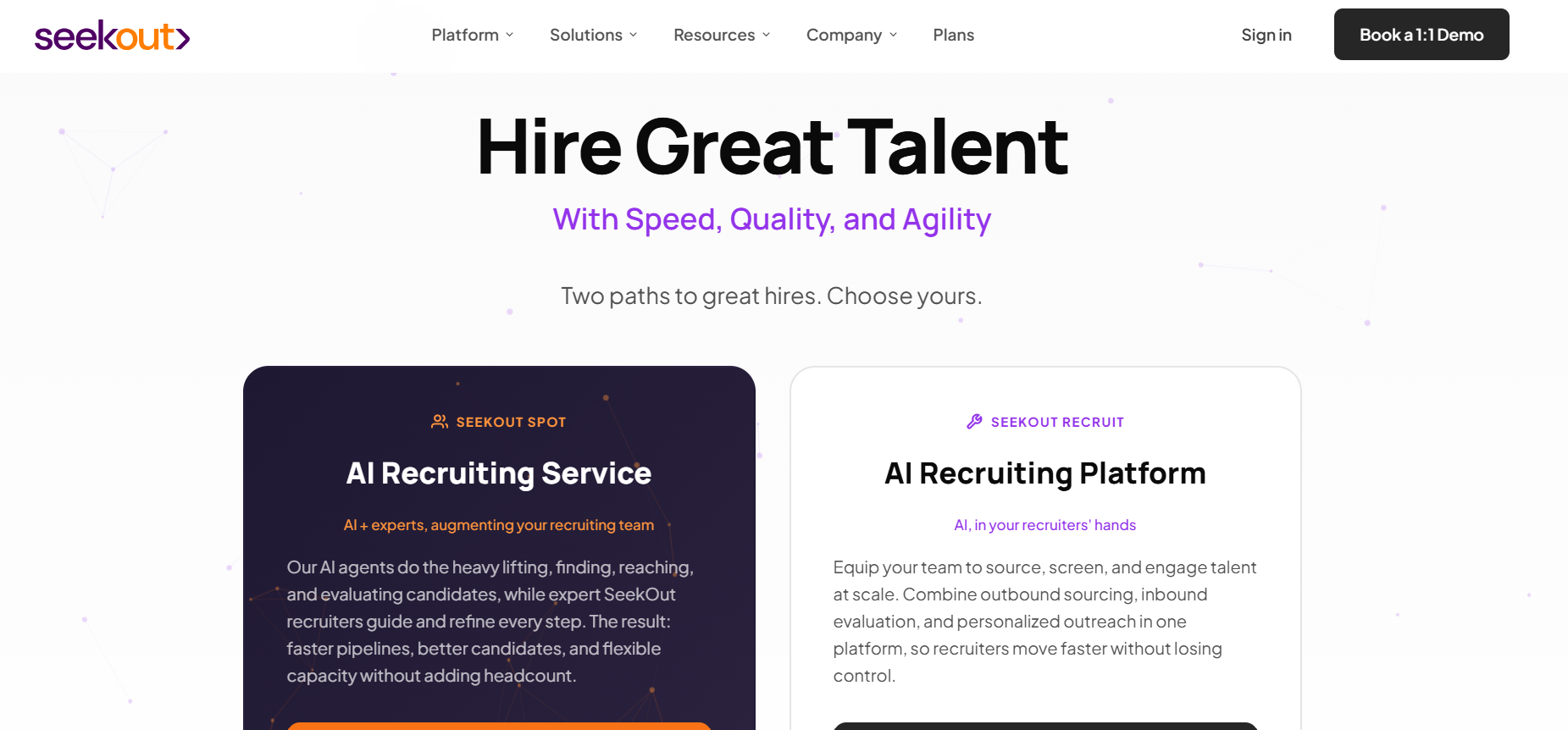
SeekOut is designed for deep talent search, particularly in niche and technical roles.
It gives you access to a wide talent pool and strong filtering capabilities.
One of its key strengths is diversity hiring insights, helping teams build more inclusive pipelines.
If you’re hiring for hard-to-fill roles, this is a strong ai candidate sourcing tool to consider.
4. Fetcher
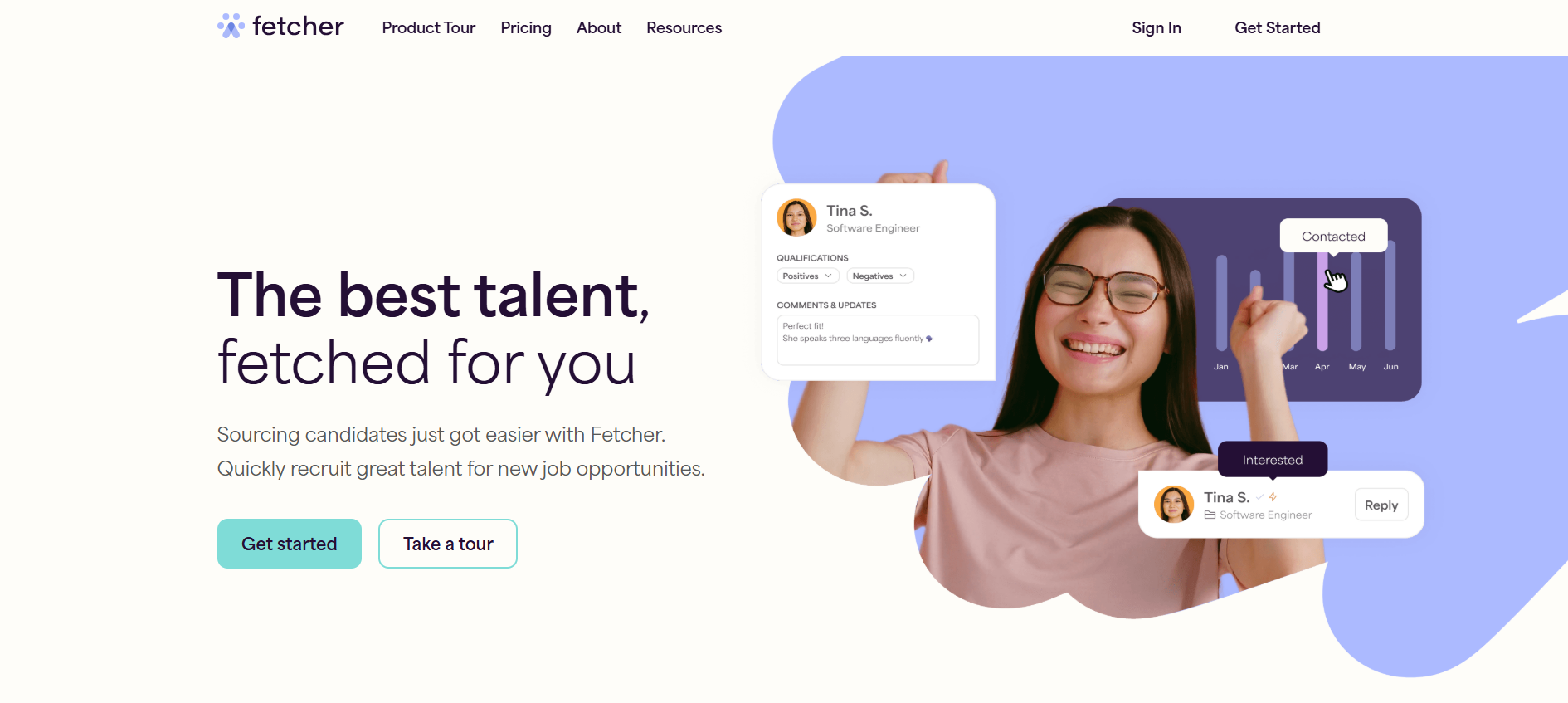
Fetcher combines AI sourcing with human-assisted recruiting.
It automatically finds candidates and can also handle outreach campaigns on your behalf.
This makes it useful for teams that want automation but still prefer a human touch in the process.
It’s a good fit for companies that don’t have large in-house sourcing teams.
5. Gem
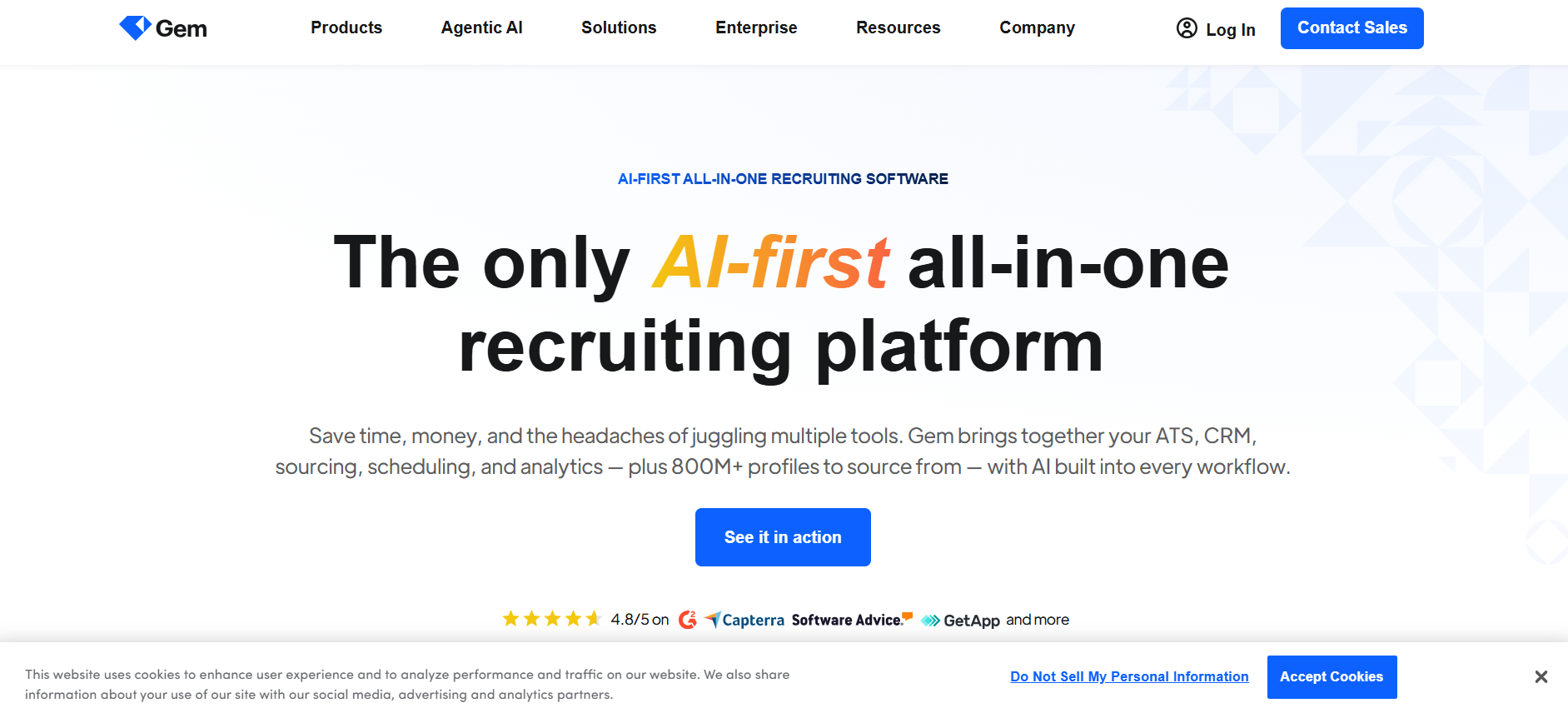
Gem focuses heavily on candidate relationship management along with sourcing.
It helps you track interactions, nurture candidates, and build long-term talent pipelines.
While it may not be purely a sourcing-first tool, it complements ai tools for sourcing candidates by improving engagement and follow-ups.
This makes it valuable for teams that care about candidate experience.
6. AmazingHiring
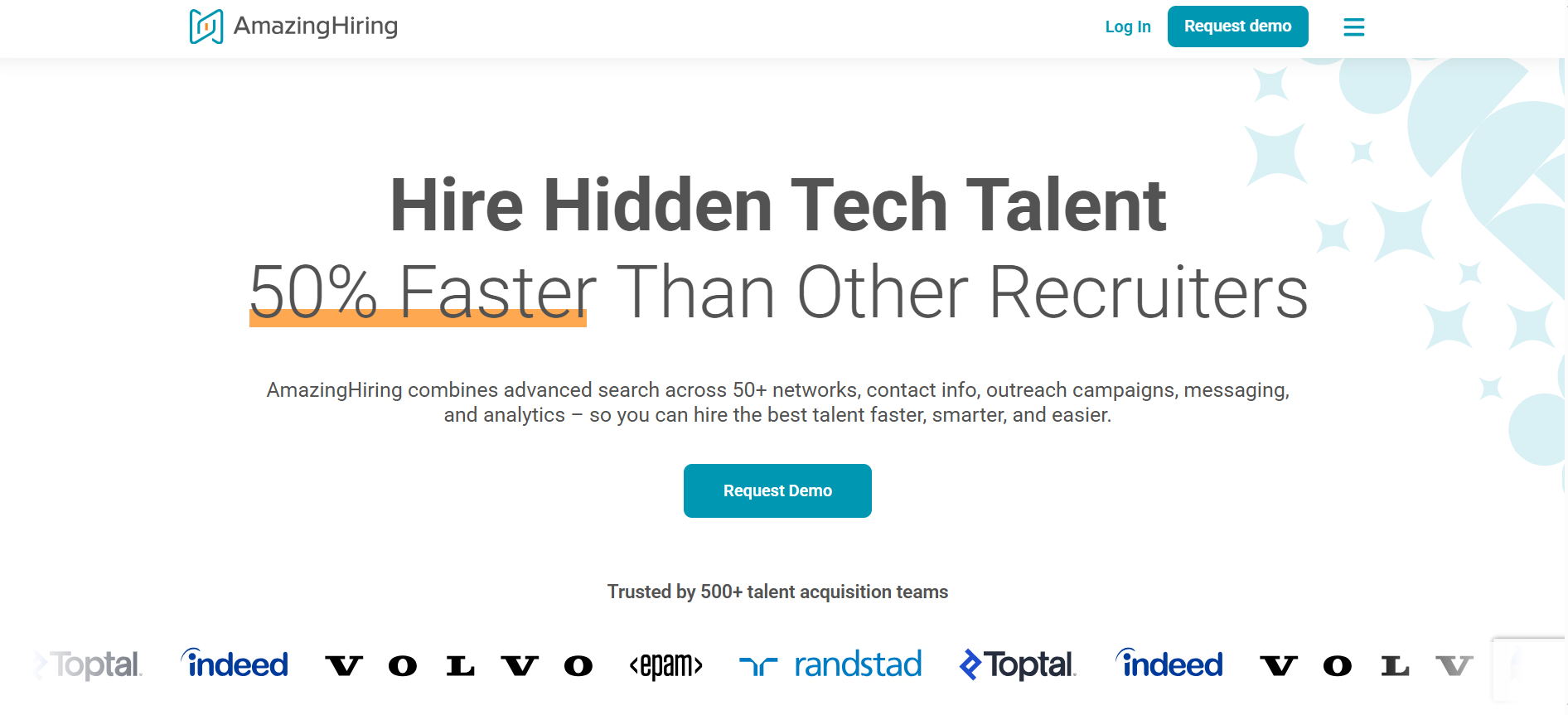
AmazingHiring is particularly popular for sourcing technical talent.
It aggregates candidate data from multiple platforms and enriches profiles with additional insights.
This gives you a more complete view of each candidate before you reach out.
If your hiring is developer-heavy, this ai candidate sourcing tool can save a lot of research time.
7. Hiretual AI (legacy mention / keyword coverage)
Hiretual, now rebranded as HireEZ, was one of the early players in AI sourcing.
Many recruiters still search for it by its old name, which is why it’s worth mentioning.
Its core capabilities around sourcing, enrichment, and outreach still influence modern ai tools for candidate sourcing.
If you come across the name, just know it now exists as HireEZ.
8. Arya by Leoforce
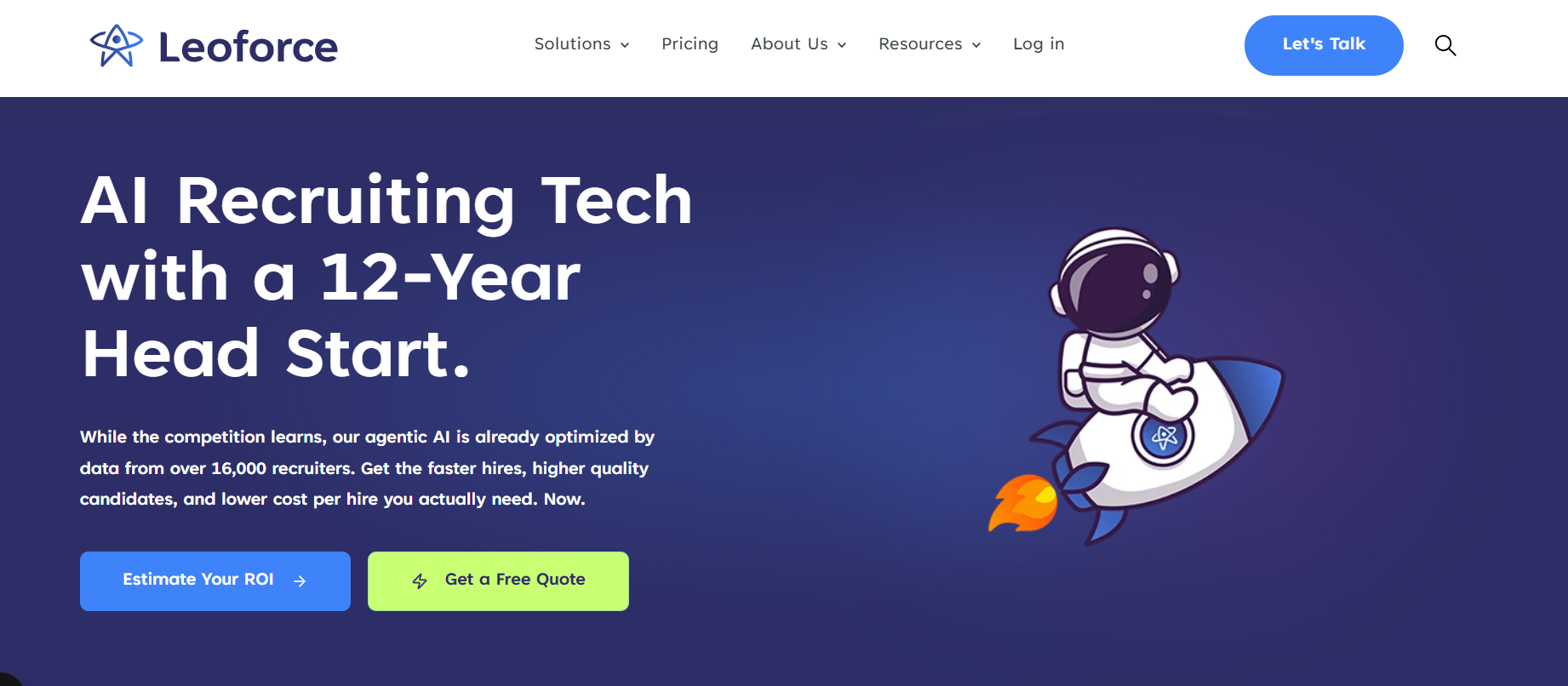
Arya is an AI-powered recruiting platform that focuses on intelligent candidate matching.
It analyzes job requirements and automatically sources and ranks candidates based on fit.
The platform also supports diversity hiring and large-scale recruiting needs.
This makes it suitable for enterprises handling high-volume hiring.
9. Entelo

Entelo combines AI sourcing with diversity and inclusion insights.
It helps recruiters identify candidates while also ensuring a balanced hiring pipeline.
The platform also offers automation features for outreach and engagement.
It’s a good option if diversity hiring is a key priority for your team.
10. Loxo
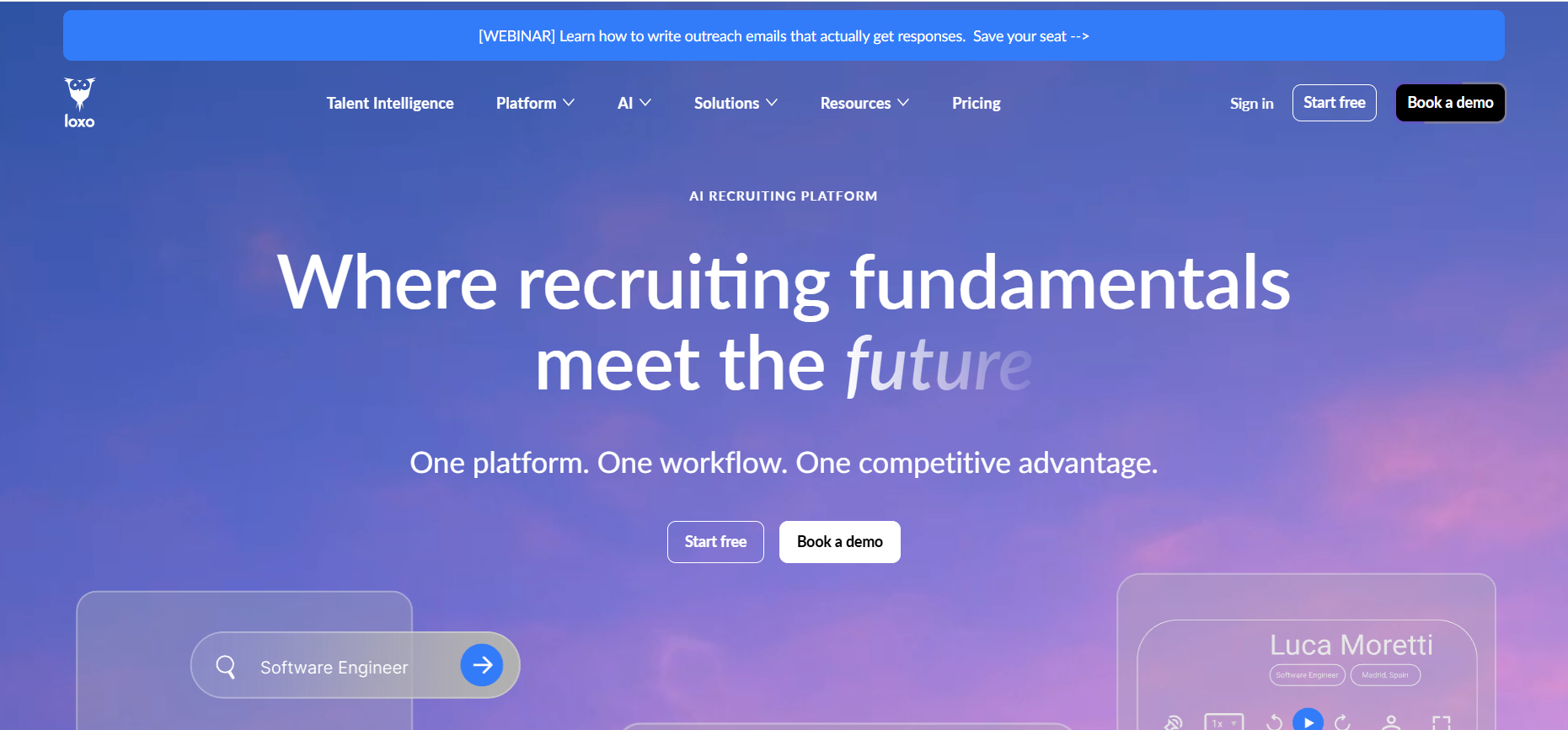
Loxo is a recruiting CRM that also includes AI sourcing capabilities.
It allows you to manage candidates, run outreach campaigns, and track hiring pipelines in one place.
While it’s not purely a sourcing-first tool, it integrates sourcing into a broader recruiting workflow.
This makes it a flexible option for teams looking for an all-in-one recruiting platform.
Each of these tools solves a different part of the sourcing challenge.
The right choice depends on whether you prioritize automation, depth of search, outreach, or end-to-end hiring workflows.
How to Choose the Right AI Candidate Sourcing Tool
Now that you’ve seen the options, here’s a simplified way to decide.
Use these quick checkpoints to choose the right ai candidate sourcing tools without overcomplicating the process.
- Define your hiring goal first: Know if you want speed, better quality candidates, or less manual work
- Identify your biggest bottleneck: Choose a tool that fixes sourcing, screening, or outreach specifically
- Check platform coverage: Go for tools that source from multiple platforms for better reach
- Prioritize automation over basic features: The best ai tools for sourcing candidates should reduce manual effort, not just assist
- Ensure ease of use: Pick a tool your team can adopt quickly without heavy training
- Look for integrations: Your ai candidate sourcing tool should connect with ATS, email, and calendars
- Compare cost vs value: Focus on time saved and hiring efficiency, not just pricing
- Always test before buying: Use demos or trials to see how the tool performs in real scenarios
If you keep these points in mind, choosing the right tool becomes much more straightforward.
Conclusion
AI has already changed how sourcing works, and it’s only getting faster from here.
What used to take hours of manual searching can now be done in minutes with the right ai candidate sourcing tools.
But the real advantage isn’t just speed.
It’s about finding better-fit candidates, improving outreach, and making your entire hiring process more efficient.
The key is choosing a tool that aligns with your workflow, not just one with the most features.
Whether you need deep talent search, better engagement, or full automation, there’s an option that fits your needs.
Start simple, test what works, and scale with the ai tools for candidate sourcing that actually improve your results.
Frequently Asked Questions (FAQs)
1: What is the best AI candidate sourcing tool?
The best AI candidate sourcing tool depends on your needs, but tools that combine multi-platform sourcing and AI matching perform best. While HireEZ and SeekOut are known for large databases, Leelu.ai stands out for faster sourcing across multiple platforms and quicker shortlisting.
2: Are AI tools for sourcing candidates accurate?
Yes, AI sourcing tools are generally accurate, especially for skills-based matching. They analyze large datasets to identify relevant candidates more efficiently than manual methods. However, their accuracy depends on data quality, filters used, and how well the tool is configured.
3: Can AI replace recruiters in sourcing?
No, AI cannot replace recruiters. It helps automate tasks like searching, screening, and shortlisting candidates, but human involvement is still essential for evaluating fit, conducting interviews, and building relationships. AI is best used as a support tool to improve efficiency.
4: Are AI sourcing tools suitable for small teams?
Yes, AI sourcing tools are highly useful for small teams. They reduce manual effort and help recruiters handle more candidates without increasing team size. This makes it easier for small teams to scale hiring efficiently.
5: How much do AI candidate sourcing tools cost?
Pricing varies widely based on features and scale. Some tools start at around $50–$200 per month, while advanced or enterprise solutions can cost significantly more. Costs typically depend on the number of users, access to candidate databases, and level of automation.
6: Do AI sourcing tools work for non-tech roles?
Yes, most AI sourcing tools work across industries, not just for tech roles. They can help source candidates for sales, marketing, operations, and other non-technical positions by analyzing skills, experience, and job requirements.


