Hiring at scale sounds exciting until your recruiters start drowning in repetitive tasks, interview coordination, follow-ups, and candidate tracking chaos.
When dozens or even hundreds of roles open at once, manual hiring processes quickly become slow, expensive, and difficult to manage. That’s where high volume hiring software becomes essential.
The right platform helps you automate repetitive workflows, screen candidates faster, improve collaboration, and reduce recruiter burnout without compromising hiring quality.
In this guide, you’ll discover:
- The best high volume hiring software platforms
- Key features that actually reduce recruiter workload
- What to look for before choosing a hiring solution
- How modern hiring tools improve speed and candidate experience
What to Look for in High Volume Hiring Software
When you’re hiring at scale, the biggest challenge is not just finding candidates. It’s managing the entire hiring process without overwhelming your recruiters.
That’s why the right high volume hiring software should reduce repetitive work, improve hiring speed, and help your team stay organized as applications grow.
1. AI-powered sourcing and candidate matching capabilities
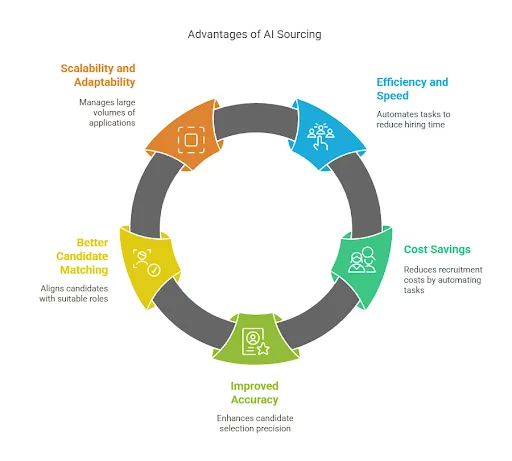
Manually searching across multiple job boards and databases can slow recruiters down quickly.
Modern hiring software should use AI to source candidates automatically and match profiles based on skills, experience, and job requirements.
This helps recruiters identify qualified candidates faster instead of spending hours reviewing irrelevant applications.
2. Automated screening and shortlisting features
Screening hundreds of resumes manually is one of the most time-consuming parts of high-volume recruitment.
Look for software that can automatically parse resumes, rank candidates, and shortlist top applicants using AI-driven scoring. This improves hiring efficiency while helping recruiters focus on better-fit candidates.
3. Candidate outreach and engagement automation
High-volume hiring often fails because recruiters cannot consistently follow up with every candidate.
The right platform should automate outreach emails, follow-ups, reminders, and candidate communication across channels. This keeps candidates engaged throughout the hiring process without increasing recruiter workload.
4. Interview scheduling and workflow management
Coordinating interviews manually creates unnecessary back-and-forth communication.
Hiring software with smart scheduling and workflow automation can handle interview coordination, calendar syncing, and hiring stage management automatically, saving recruiters significant time.
5. ATS integration and centralized hiring workflows
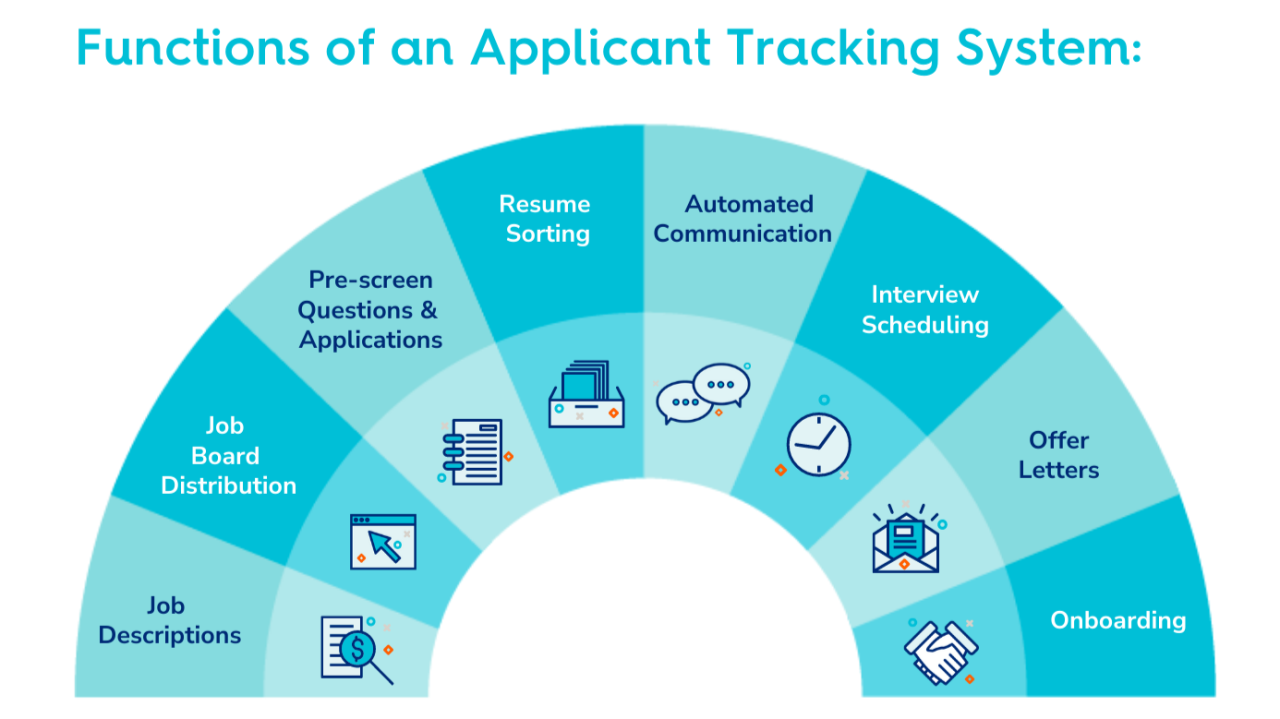
Disconnected hiring tools create confusion and duplicate work.
Choose software that integrates with your ATS and centralizes sourcing, screening, outreach, and interview workflows in one place. This gives your hiring team better visibility and reduces manual data handling.
Suggested Reading:
Recruitment Automation: Step-by-Step Guide for HR’s9 Best High Volume Hiring Software to Reduce Recruiter Workload
As hiring demand increases, recruiters often spend more time managing tasks than actually connecting with candidates.
From sourcing and screening to interview coordination and follow-ups, repetitive manual work can slow down hiring teams and create candidate drop-offs.
That’s why companies are increasingly investing in high volume hiring software that automates large parts of the recruitment process.
Here are some of the best platforms helping recruiters hire faster while reducing operational workload.
1. Leelu AI
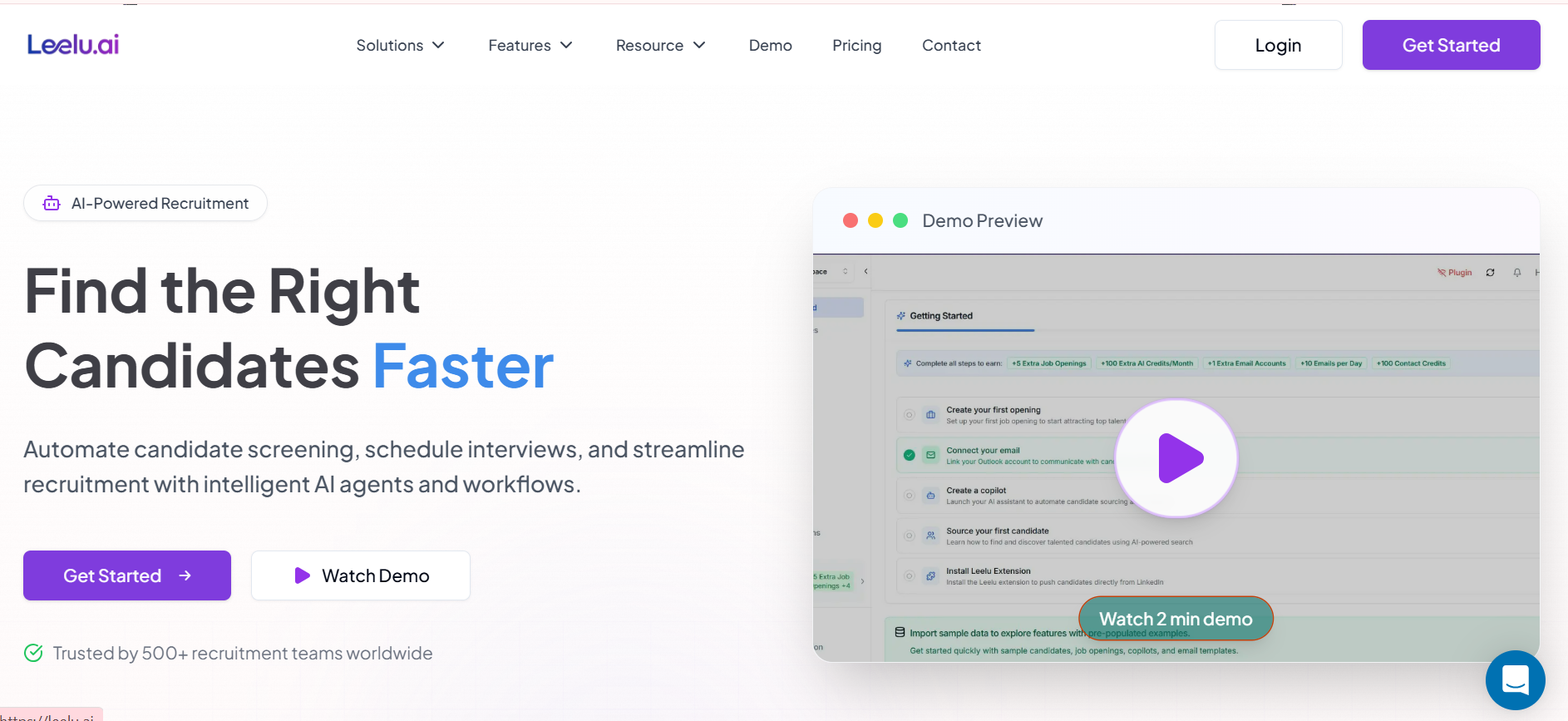
Leelu AI is designed for companies that need to hire at scale without overwhelming their recruiting teams.
Instead of treating sourcing, screening, outreach, and scheduling as separate tasks, Leelu AI automates the entire hiring workflow in one platform.
The platform uses AI to scan and match candidates from 500M+ profiles across LinkedIn, job boards, and ATS systems, helping recruiters identify qualified talent significantly faster.
What makes Leelu stand out for high-volume hiring is its end-to-end automation approach.
Recruiters can generate job descriptions, source candidates, rank resumes, automate outreach, manage follow-ups, and schedule interviews without switching between multiple tools.
The platform is particularly useful for fast-growing companies and recruitment teams handling multiple open roles simultaneously because it reduces repetitive recruiter tasks while keeping hiring workflows centralized.
Key strengths include:
- AI-powered candidate sourcing and matching
- Automated resume screening and candidate scoring
- Personalized outreach automation across channels
- Smart interview scheduling with calendar syncing
- ATS integrations for streamlined workflows
- Unified candidate profiles across platforms
For teams struggling with recruiter bandwidth and hiring delays, Leelu AI focuses heavily on reducing manual work while improving hiring speed and candidate engagement.
2. Greenhouse
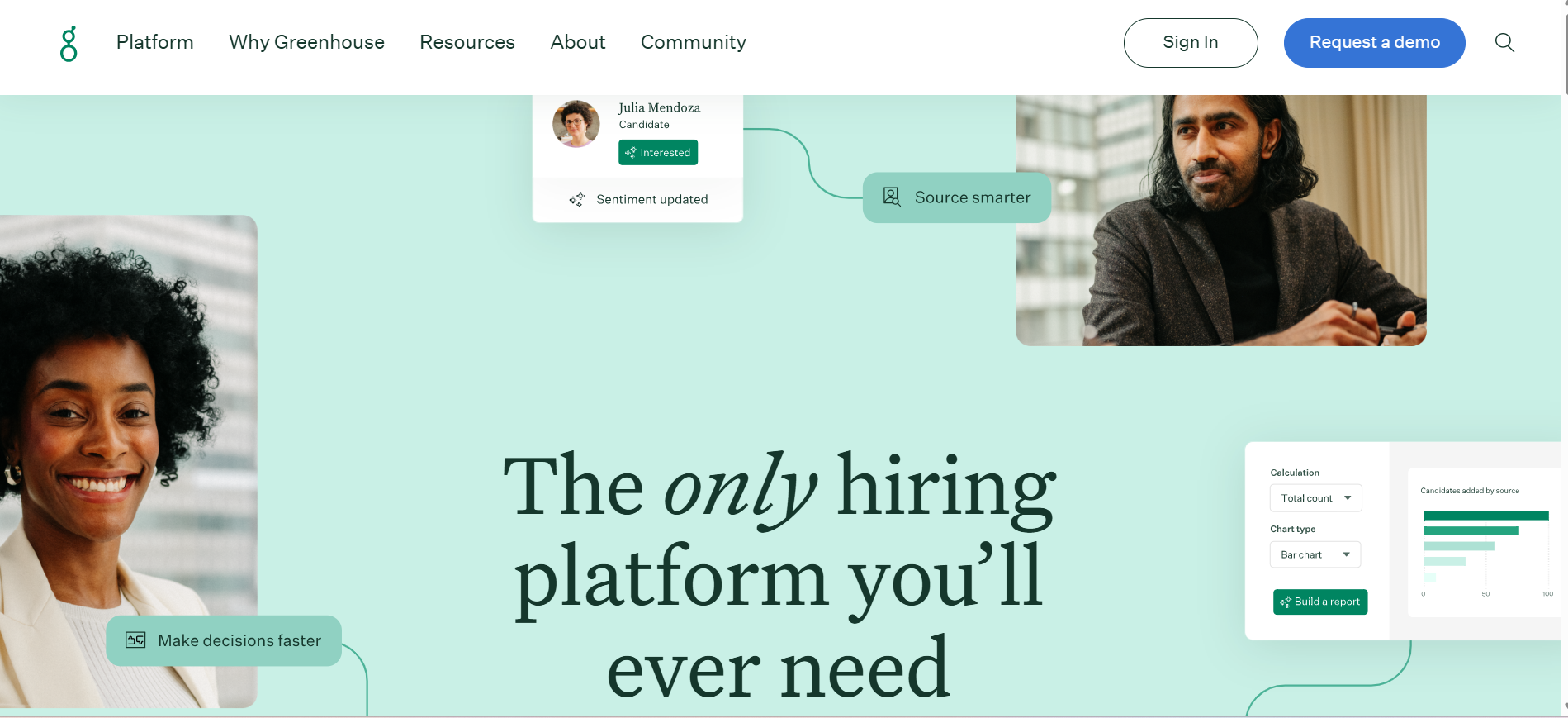
Greenhouse is one of the most widely used recruiting platforms for structured hiring and large-scale recruitment operations.
The platform helps organizations standardize their hiring process with customizable workflows, interview kits, scorecards, and collaboration tools. This makes it particularly useful for enterprises hiring across multiple departments or locations.
Greenhouse also offers automation features for interview scheduling, candidate tracking, and reporting, helping recruiters manage large applicant volumes more efficiently.
Its strong integration ecosystem allows companies to connect sourcing tools, assessments, and HR systems into a centralized recruitment workflow.
The platform is best suited for organizations looking for process consistency, collaboration, and hiring analytics at scale.
3. Lever
Lever combines applicant tracking and candidate relationship management into a single recruiting platform.
For high-volume recruiting teams, Lever helps streamline candidate communication, pipeline management, and collaborative hiring workflows.
Recruiters can automate follow-ups, nurture passive candidates, and manage hiring pipelines more efficiently through centralized workflows.
One of Lever’s biggest advantages is its focus on relationship-driven recruiting. Instead of only tracking applicants, the platform helps teams build long-term candidate pipelines and maintain engagement throughout the hiring journey.
Lever also supports workflow automation, reporting dashboards, and integrations with popular HR and recruiting tools, making it easier for hiring teams to manage large candidate volumes without losing visibility.
4. Workable
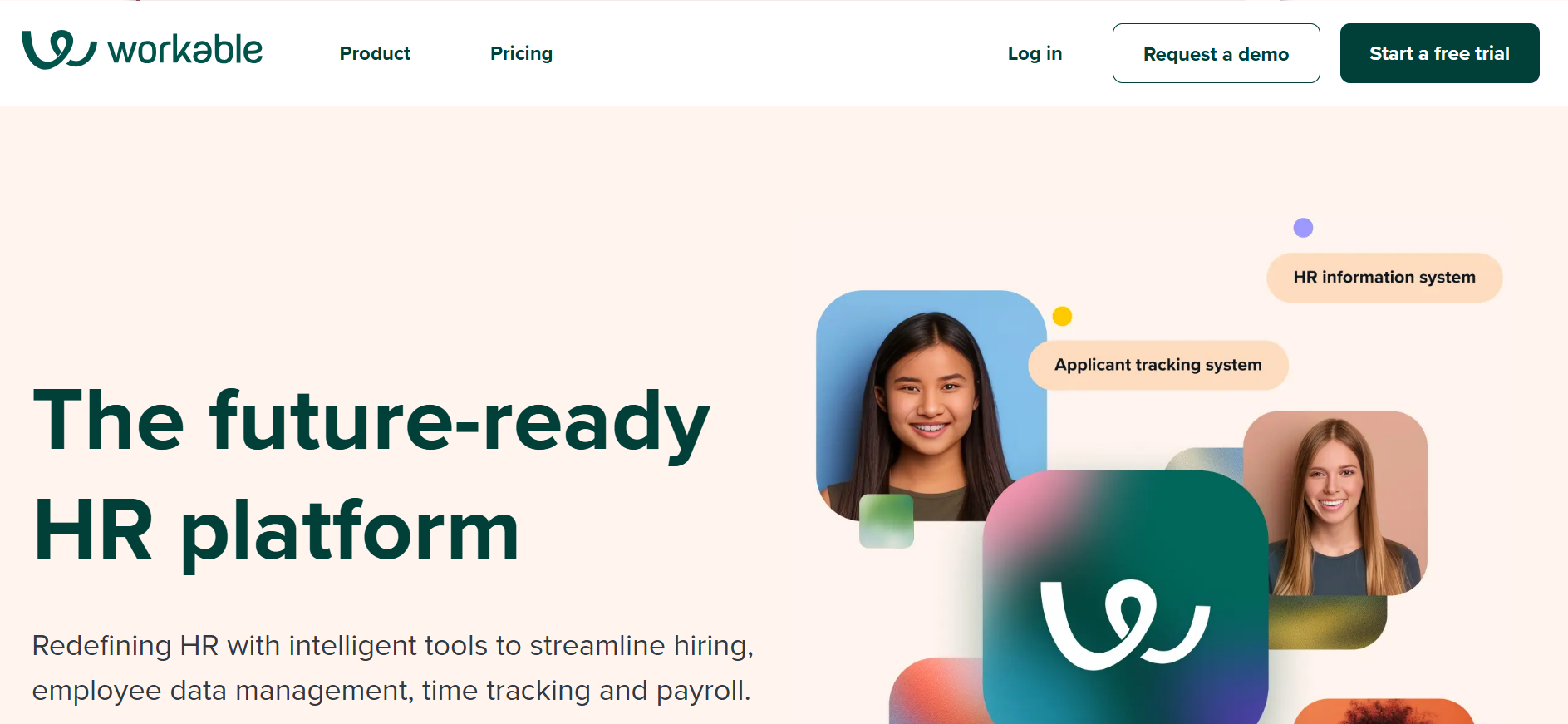
Workable is a popular recruiting platform known for its ease of use and broad hiring functionality.
The platform helps companies manage job posting, candidate sourcing, screening, interview scheduling, and team collaboration from one dashboard.
For businesses handling high application volumes, Workable provides AI-powered candidate recommendations and automated workflows that reduce repetitive recruiter effort.
Workable also offers access to a large candidate database and multi-platform job distribution, helping recruiters expand talent reach quickly.
Its built-in communication and scheduling tools simplify hiring coordination, especially for smaller HR teams managing multiple roles at once.
The platform works well for growing businesses that want scalable hiring capabilities without requiring a highly complex setup.
5. SmartRecruiters
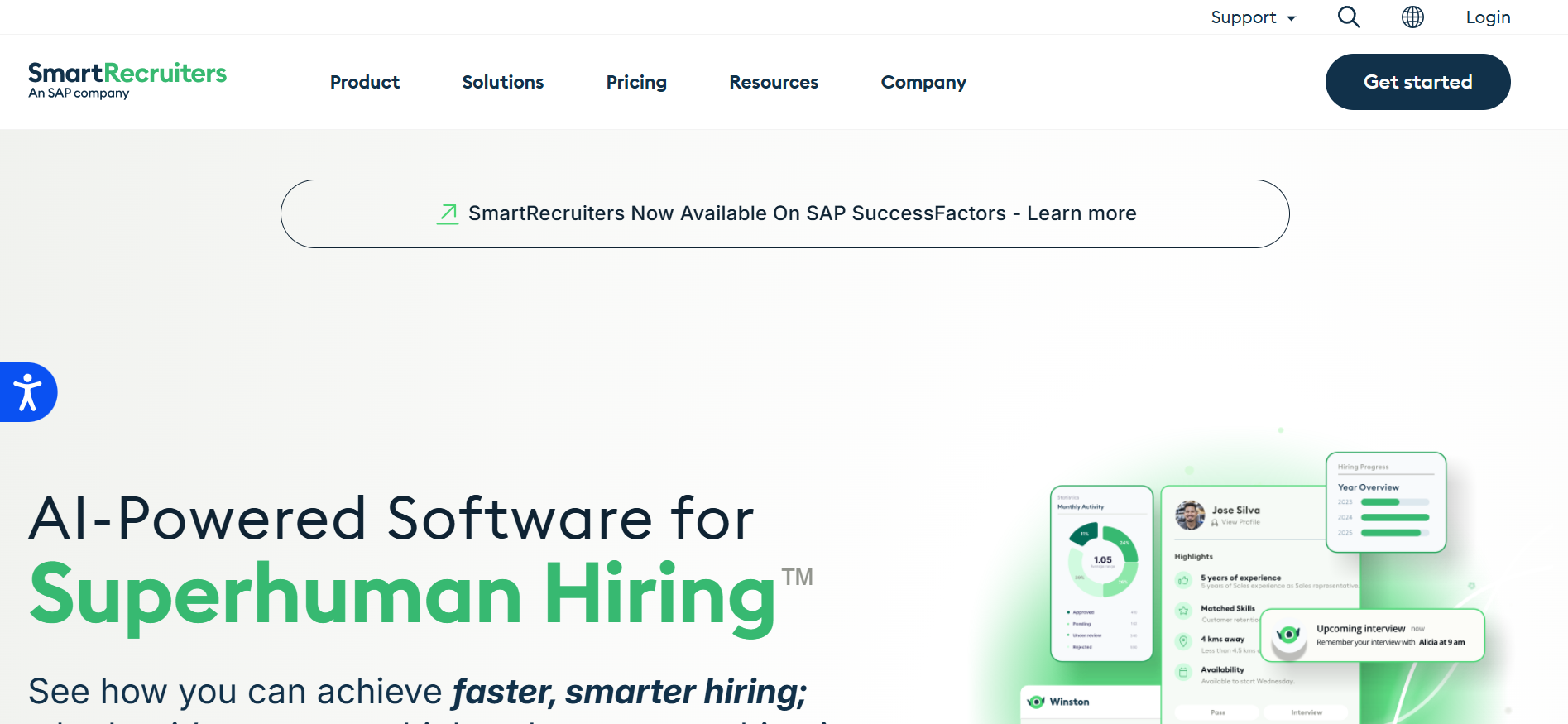
SmartRecruiters is built for companies that want to simplify enterprise hiring while improving recruiter collaboration.
The platform offers a modern recruiting system that combines applicant tracking, candidate sourcing, interview management, and hiring analytics into one centralized workflow.
For high-volume recruiting teams, SmartRecruiters helps reduce administrative work through automation and collaborative hiring features.
One of its strongest advantages is workflow customization. Recruiters can automate repetitive tasks such as interview coordination, approval processes, candidate communication, and pipeline movement.
This becomes especially useful when managing multiple hiring campaigns simultaneously.
The platform also supports marketplace integrations with sourcing tools, assessments, background checks, and HR systems, helping organizations create a more connected hiring ecosystem.
SmartRecruiters is often a strong fit for enterprise teams looking for scalability, workflow flexibility, and improved hiring collaboration across departments.
6. iCIMS
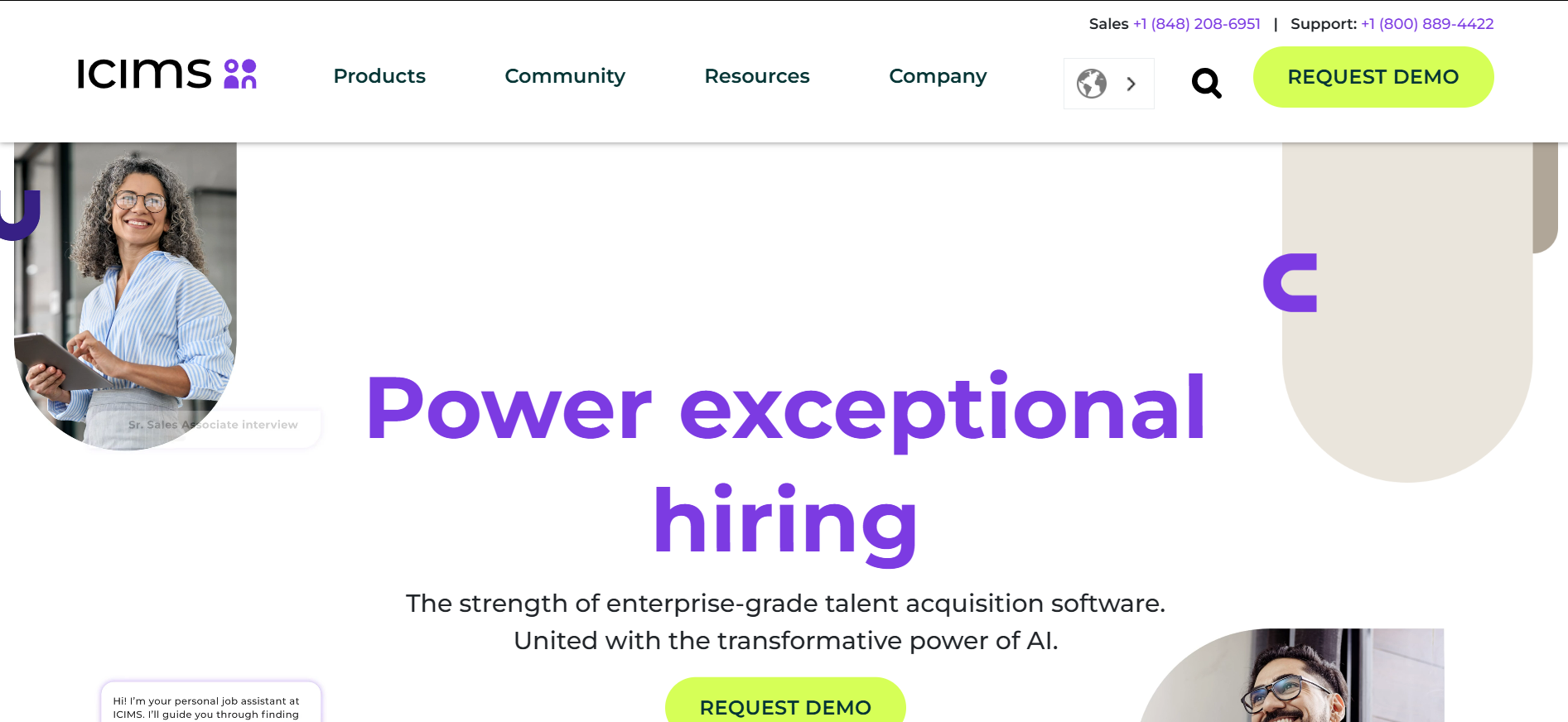
iCIMS is a well-known enterprise recruiting platform designed to support large-scale hiring operations.
The platform offers tools for applicant tracking, talent sourcing, onboarding, recruitment marketing, and candidate relationship management.
Its broad functionality makes it useful for organizations handling continuous hiring across multiple business units or locations.
For high-volume hiring, iCIMS helps recruiters automate job advertising, candidate screening, interview scheduling, and communication workflows.
The platform also provides AI-driven talent recommendations and analytics that help teams make faster hiring decisions.
Another major advantage is its strong recruitment marketing capabilities.
Companies can build talent pipelines, nurture passive candidates, and create branded candidate experiences that improve engagement during large hiring drives.
iCIMS is commonly used by enterprises that need a scalable recruiting infrastructure with advanced workflow and compliance management.
7. Ashby
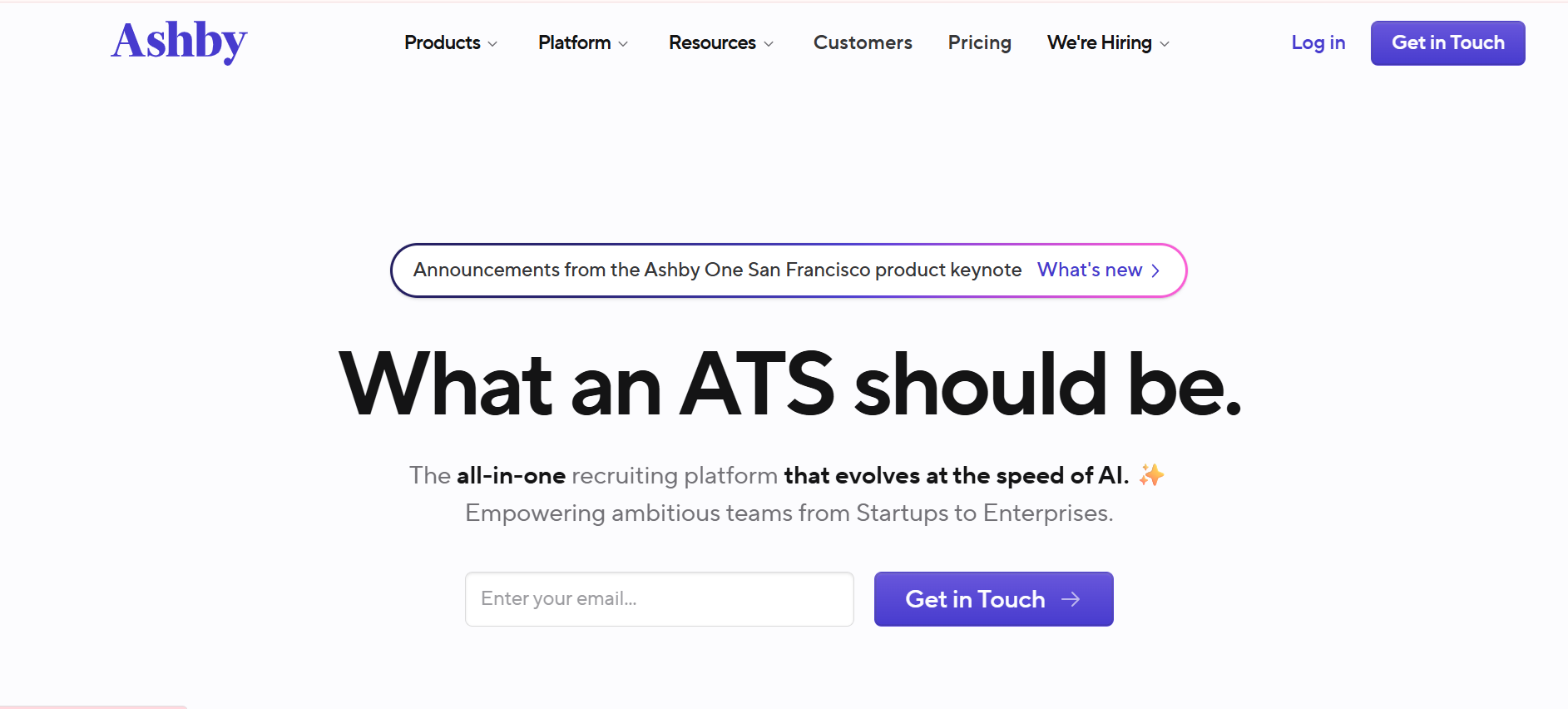
Ashby combines applicant tracking, recruiting automation, scheduling, and analytics into a single platform.
The platform has gained popularity among scaling companies because it focuses heavily on recruiter productivity and workflow visibility.
Instead of relying on disconnected hiring tools, Ashby centralizes recruiting operations and simplifies collaboration between recruiters and hiring managers.
For high-volume recruiting teams, Ashby offers automation features that reduce repetitive coordination work. Recruiters can automate interview scheduling, candidate progression, outreach workflows, and reporting while maintaining visibility into the entire hiring funnel.
One of Ashby’s strongest features is its analytics and forecasting capabilities. Hiring teams can track pipeline performance, identify bottlenecks, and improve recruiting efficiency using real-time hiring data.
The platform is particularly useful for growing companies that want enterprise-level recruiting workflows without overly complex systems.
8. Zoho Recruit
Zoho Recruit is a flexible recruiting platform designed for staffing agencies and in-house hiring teams.
The platform provides applicant tracking, resume parsing, candidate sourcing, workflow automation, and interview management features that help recruiters manage hiring more efficiently.
For companies handling high application volumes, Zoho Recruit reduces manual effort through automated candidate matching, resume screening, email workflows, and scheduling tools.
Recruiters can also customize hiring pipelines and workflows based on different hiring needs.
One advantage of Zoho Recruit is its integration with the broader Zoho ecosystem, which helps businesses connect recruiting workflows with HR, CRM, and operational tools.
This can improve coordination and reduce fragmented processes for growing teams.
Zoho Recruit is often a practical choice for businesses looking for affordable and customizable hiring software that can scale with recruitment demands.
9. Manatal
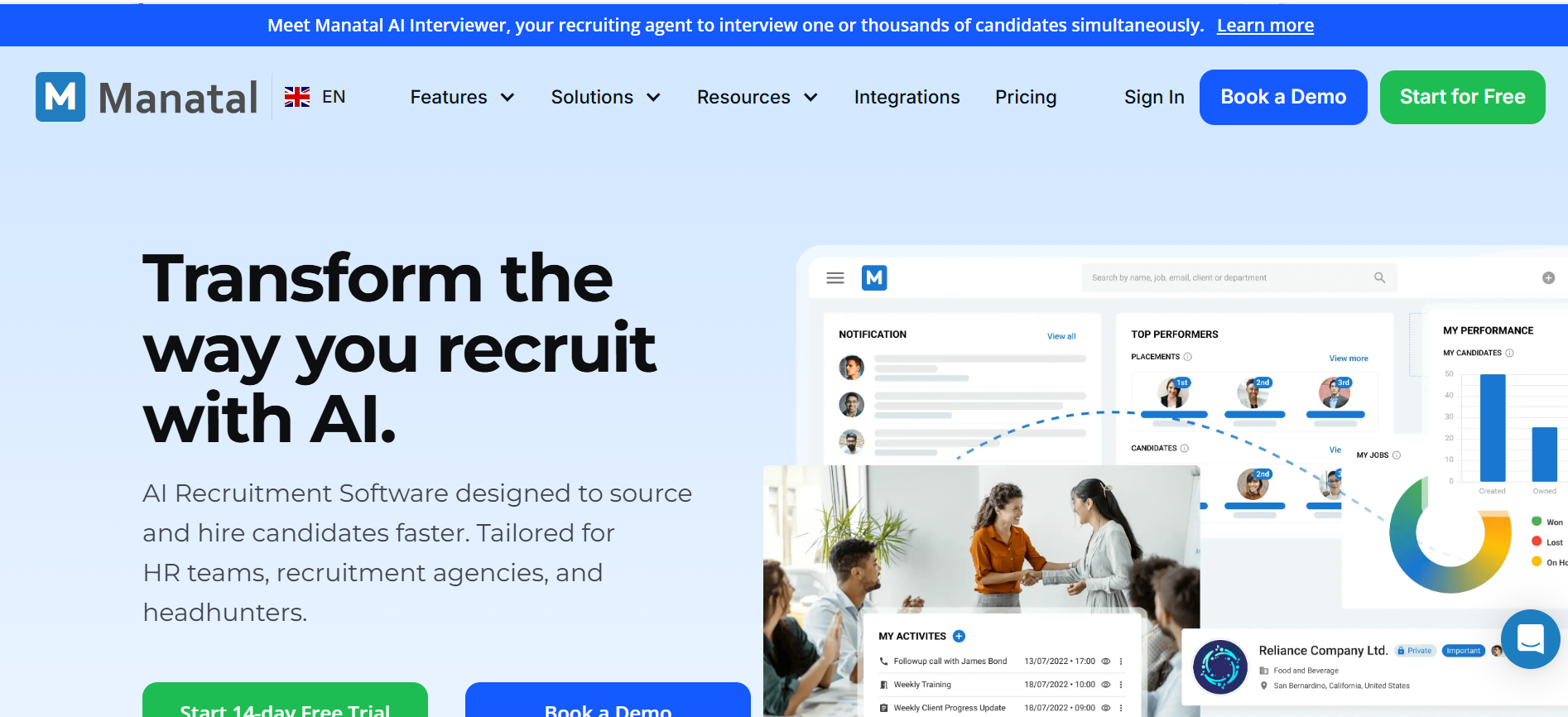
Manatal is an AI-driven recruitment platform focused on simplifying candidate sourcing and hiring workflows.
The platform combines applicant tracking, recruitment CRM, AI recommendations, and automation tools into a user-friendly system built for recruiters managing large candidate pipelines.
For high-volume hiring, Manatal helps automate resume parsing, candidate scoring, outreach management, and recruitment tracking.
Its AI recommendation engine helps recruiters quickly identify suitable candidates based on job requirements and profile relevance.
The platform also offers social media enrichment, collaborative hiring tools, and customizable workflows that improve recruiter productivity during large-scale recruitment campaigns.
Manatal works well for recruitment agencies and growing businesses that want modern hiring automation features without the complexity of larger enterprise systems.
How Leelu Helps Reduce Recruiter Workload in High Volume Hiring
High-volume hiring becomes difficult when recruiters spend most of their time handling repetitive tasks instead of building candidate relationships.
From sourcing and screening to outreach and interview coordination, manual hiring processes can quickly slow teams down as hiring demand increases. That’s where Leelu.AI helps streamline the entire recruitment workflow.
1. Source candidates from 500M+ profiles across platforms
Finding qualified candidates across multiple job boards and databases manually takes significant time.
Leelu AI helps recruiters source candidates from 500M+ profiles across LinkedIn, job boards, and ATS platforms in one workflow. Instead of switching between different sourcing tools, recruiters can discover relevant candidates faster from a centralized system.
2. Automate screening and shortlist top-fit candidates faster
Reviewing hundreds of resumes manually can delay hiring decisions and increase recruiter workload.
Leelu AI uses AI-powered resume parsing and candidate matching to automatically screen applications and rank candidates based on job fit. This helps recruiters identify top candidates in minutes instead of spending hours manually reviewing profiles.
3. Personalize outreach and follow-ups at scale
Candidate engagement often becomes inconsistent during large hiring campaigns because recruiters cannot manually follow up with everyone.
Leelu AI automates personalized outreach, follow-ups, and candidate communication across channels, helping recruiters maintain engagement at scale without increasing manual effort.
4. Automate interview scheduling and coordination
Interview coordination can become one of the most time-consuming parts of high-volume recruitment.
Leelu AI simplifies scheduling with automated calendar syncing and smart interview coordination workflows, reducing unnecessary back-and-forth communication between recruiters and candidates.
5. Manage sourcing, screening, outreach, and scheduling in one workflow
Using multiple disconnected hiring tools often creates workflow confusion and duplicate work.
Leelu AI centralizes sourcing, screening, outreach, and interview scheduling into one unified hiring workflow, helping recruiters stay organized while reducing operational complexity during high-volume hiring.
Suggested Reading:
AI Candidate Sourcing Tools: 10 Best Solutions for Recruiters (2026 Guide)Common Mistakes to Avoid When Choosing High Volume Hiring Software
Choosing the right high volume hiring software can improve recruiter productivity, speed up hiring, and reduce operational pressure.
But many companies end up selecting tools that create more complexity instead of simplifying recruitment workflows. Avoiding these common mistakes can help you choose software that actually supports scalable hiring.
1. Choosing software without automation capabilities
High-volume hiring involves repetitive tasks that quickly overwhelm recruiters when handled manually.
If the software lacks automation for sourcing, screening, outreach, or scheduling, recruiters will still spend hours managing operational work instead of focusing on candidate relationships and hiring decisions.
2. Ignoring integration with existing hiring tools
Recruiting teams often use multiple systems for applicant tracking, communication, assessments, and onboarding.
Choosing software that does not integrate with your existing hiring stack can create duplicate work, fragmented workflows, and inconsistent candidate data across platforms.
3. Focusing only on cost instead of hiring efficiency
Lower-cost software may seem attractive initially, but limited functionality can slow hiring processes and increase recruiter workload over time.
Instead of evaluating tools based only on pricing, focus on how much recruiter time, coordination effort, and hiring delays the platform can eliminate.
4. Overlooking candidate experience during high-volume hiring
Fast hiring should not come at the cost of poor candidate communication.
Software that lacks automated follow-ups, scheduling workflows, or engagement features can create slow responses and inconsistent communication, leading to candidate drop-offs during the hiring process.
5. Using too many disconnected recruiting platforms
Managing sourcing, screening, outreach, and scheduling through separate tools often creates unnecessary complexity.
Disconnected systems reduce workflow visibility, increase manual coordination, and make high-volume hiring harder to manage efficiently.
Conclusion
High-volume hiring becomes difficult when recruiters spend more time managing tasks than hiring the right candidates.
The right high volume hiring software helps streamline sourcing, screening, outreach, scheduling, and collaboration so recruiting teams can handle large hiring demands without burnout or workflow chaos.
Platforms like Leelu AI go beyond basic applicant tracking by automating the entire hiring workflow in one centralized system. This helps recruiters reduce manual effort, improve hiring speed, and keep candidates engaged throughout the process.
As hiring needs continue to grow, investing in scalable and automation-driven recruitment software can significantly improve both recruiter productivity and hiring outcomes.
Frequently Asked Questions
1. What is high volume hiring software?
High volume hiring software helps companies manage large-scale recruitment more efficiently by automating sourcing, screening, outreach, interview scheduling, and candidate tracking workflows. It reduces manual recruiter workload and speeds up the hiring process.
2. Why do companies use high volume hiring software?
Companies use high volume hiring software to handle large applicant volumes without overwhelming recruiters. These platforms improve hiring speed, automate repetitive tasks, and help teams manage hiring workflows more efficiently.
3. How does AI improve high-volume recruiting?
AI helps recruiters source candidates faster, screen resumes automatically, rank applicants based on job fit, and automate candidate communication. This reduces manual work while improving hiring accuracy and response times.
4. What features should high volume hiring software include?
The best high volume hiring software should include AI sourcing, automated screening, candidate engagement tools, interview scheduling, workflow automation, analytics, and ATS integrations to simplify end-to-end hiring.
5. How does Leelu AI help recruiters reduce workload?
Leelu AI automates sourcing, screening, outreach, follow-ups, and interview scheduling in one workflow. Recruiters can source candidates from 500M+ profiles, automate repetitive hiring tasks, and manage high-volume hiring more efficiently.


