Hiring often slows down not because of a lack of candidates, but because engagement drops at every stage of the funnel.
You reach out, follow up, schedule, and still lose great candidates due to delays or missed communication. This is where candidate engagement automation changes everything by keeping conversations consistent and timely without adding manual effort.
In this guide, you will learn:
- What candidate engagement automation actually means
- How to set it up step by step
- Key workflows that improve response and hiring speed
Benefits of Automated Candidate Engagement
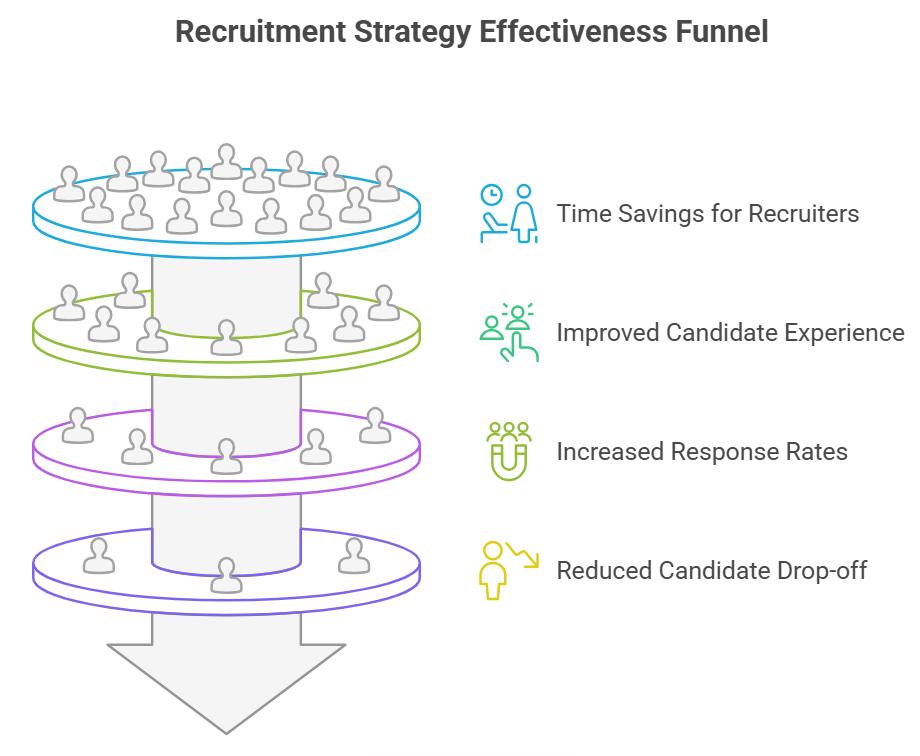
Once you start automating candidate engagement, the impact shows up almost immediately across your hiring funnel.
Instead of juggling follow-ups, emails, and scheduling manually, you create a system that keeps candidates warm and moving forward without constant intervention.
1. Saves Time for Recruiters
Recruiters often spend a huge part of their day sending follow-ups, tracking replies, and coordinating interviews.
With automation in place, these repetitive tasks run in the background while you focus on evaluating the right candidates and making better hiring decisions.
Over time, this shift can free up hours every week and significantly reduce manual workload across the team.
2. Improves Candidate Experience
Candidates don’t like waiting or feeling ignored after applying or responding.
Automated engagement ensures they receive timely updates, follow-ups, and next steps without unnecessary delays.
This creates a smoother and more professional experience where candidates feel valued and informed throughout the process.
3. Increases Response Rates
One of the biggest challenges in hiring is getting candidates to respond on time.
With structured follow-ups and personalized messaging built into candidate engagement automation, your outreach becomes more relevant and timely.
This increases the chances of candidates replying, scheduling interviews, and moving forward in the hiring process without unnecessary delays.
4. Reduces Candidate Drop-Off
One of the biggest hiring challenges is losing candidates midway due to slow or inconsistent communication.
Automation keeps the conversation going with timely nudges, reminders, and updates at every stage.
This consistency reduces drop-offs and helps you move qualified candidates smoothly from initial contact to final interview.
Key Components of a Candidate Engagement Automation System
Now that you understand the benefits, the next step is knowing what actually makes an automation system work.
It’s not just about sending messages automatically, but building a structured system that keeps candidates engaged, informed, and moving forward without friction.
1. Automated Messaging Workflows
At the core of any engagement system are workflows that trigger messages based on candidate actions.
This could be a follow-up after no response, an update after application, or an interview reminder sent automatically.
Most teams rely on an applicant tracking system (ATS) to manage and automate these workflows efficiently.
2. Personalization at Scale
Sending automated messages doesn’t mean sounding robotic or generic.
A strong system personalizes communication using candidate data like name, role, experience, or past interactions.
This allows you to reach hundreds of candidates while still making each message feel relevant and tailored.
3. Multi-Channel Communication
Candidates don’t all respond on the same platform, and relying on just one channel limits your reach.
An effective automation system connects with candidates across email, LinkedIn, and other channels where they are most active.
This flexibility improves visibility and ensures your messages are seen and acted upon faster.
4. Analytics and Tracking
Without visibility, it’s hard to know what’s working and what needs improvement.
Tracking metrics like open rates, response rates, and drop-offs helps you refine your engagement strategy over time.
To optimize performance, focus on key recruitment metrics that highlight engagement gaps.
Step-by-Step Guide to Setting Up Candidate Engagement Automation
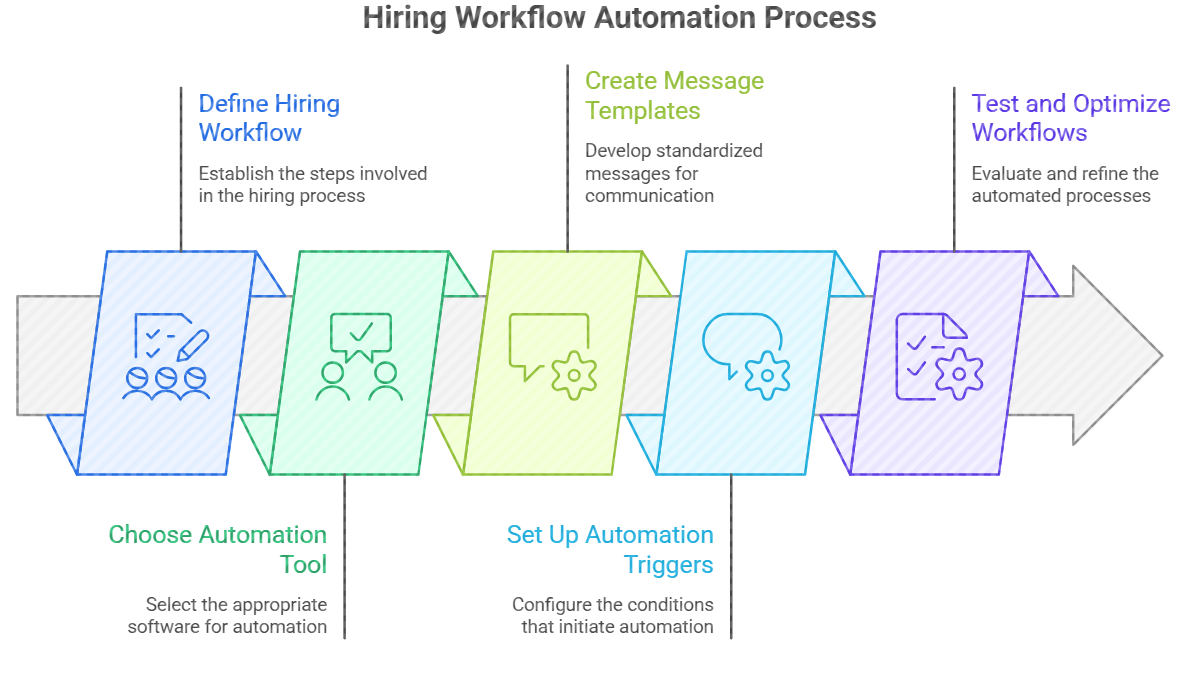
Setting up candidate engagement automation is not complicated when you break it down into clear steps, and once it’s in place, it runs almost on autopilot.
Step 1 – Define Your Hiring Workflow
Before automating anything, you need clarity on how your hiring process actually works.
Map out every stage from application to interview to final selection, including where candidates usually drop off or need follow-ups.
This gives you a clear structure on where automation can add the most value without creating confusion.
A well-defined workflow is part of a strong talent acquisition strategy that aligns hiring goals with execution.
Step 2 – Choose the Right Automation Tool
Once your workflow is defined, you need a tool that can support automation across sourcing, outreach, and scheduling.
Look for a platform that allows you to manage the entire candidate journey in one place instead of switching between multiple tools.
The right tool should reduce manual effort while giving you full control over communication and workflows.
Suggested Reading:
AI Candidate Sourcing ToolsStep 3 – Create Message Templates email
With the system in place, the next step is building messages that will be sent automatically.
These include outreach emails, follow-ups, interview invites, and status updates that candidates receive at different stages.
Keep them clear, conversational, and personalized so they feel human even when sent at scale.
Step 4 – Set Up Automation Triggers
This is where your workflows come to life.
Triggers define when a message or action should happen, like sending a follow-up after two days of no response or scheduling an interview after a positive reply.
When set correctly, these triggers ensure no candidate is missed and every interaction happens at the right time.
Step 5 – Test and Optimize Workflows
Automation is not a one-time setup, it improves with continuous testing and refinement.
Monitor how candidates respond to your messages, identify bottlenecks, and adjust workflows accordingly.
Over time, these small improvements lead to better engagement, faster hiring cycles, and more consistent results.
Best Practices for Effective Candidate Engagement Automation
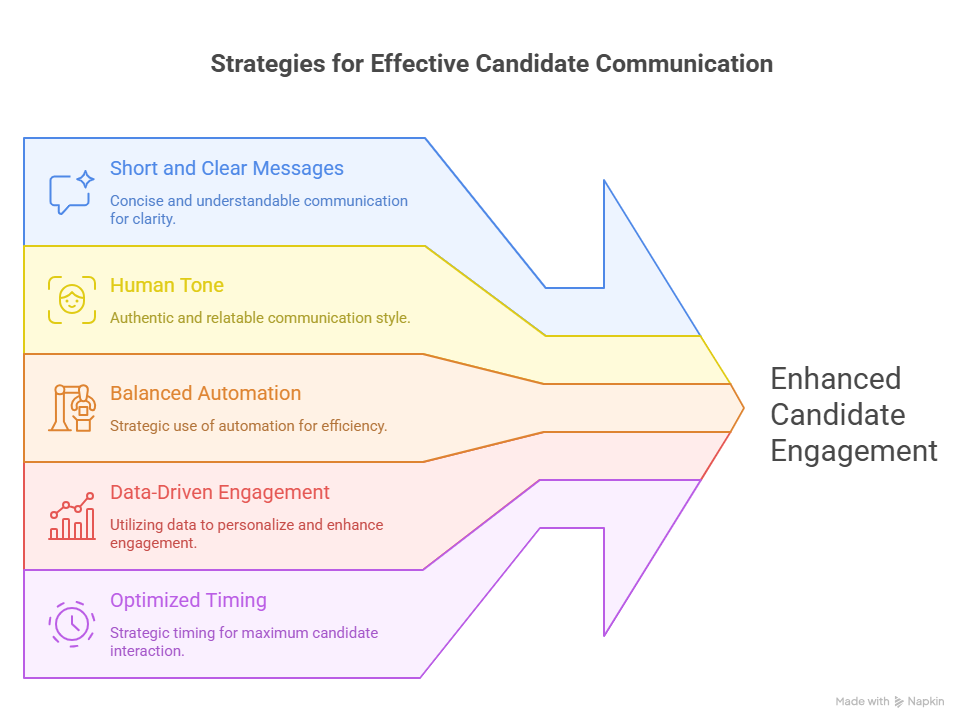
By now, you have the system in place, but how you use it makes all the difference.
Automation can either improve your hiring experience or make it feel cold and impersonal, depending on how thoughtfully you design it.
1. Keep Messages Short and Clear
When candidates receive long or unclear messages, they are more likely to ignore or delay responding.
Keep your communication focused on one goal, whether it is confirming an application, sharing an update, or prompting the next step.
Clear and concise messaging makes it easier for candidates to understand what to do next, which improves overall response rates.
2. Maintain a Human Tone
Automation should never feel cold or robotic, even if the process is fully system-driven.
Write messages the way you would naturally speak, using simple and conversational language that feels approachable.
This helps candidates feel like they are interacting with a real person, making your candidate engagement automation more effective and engaging.
3. Don’t Over-Automate
While automation simplifies hiring, not every interaction should be handled by a system.
Moments like interviews, feedback, or final decisions often require a more personal and thoughtful approach.
Balancing automation with human involvement ensures that your hiring process remains efficient without losing authenticity.
4. Use Data to Improve Engagement
Your automation system generates valuable data that can guide better decision-making over time.
Track metrics like open rates, response rates, and drop-offs to understand what is working and what needs improvement.
By continuously refining your approach using these insights, you can make your candidate engagement automation more effective and aligned with your hiring goals.
5. Optimize Timing for Better Engagement
Even the best message can fail if it reaches candidates at the wrong time.
Schedule outreach and follow-ups based on when candidates are most likely to respond, and avoid sending too many messages too quickly.
Proper timing increases visibility and improves the chances of meaningful engagement.
How Leelu.ai Can Help with Candidate Engagement Automation
Once you start building candidate engagement automation, the real challenge is managing everything without switching between tools or losing consistency.
This is where Leelu.ai stands out as a complete AI hiring automation solution. Tools like an AI virtual recruiter can handle sourcing, engagement, and scheduling in one place.
1. Sources and Identifies the Right Candidates
Effective engagement starts with reaching the right people in the first place.
Leelu.ai sources candidates from multiple platforms and uses AI to identify profiles that match your job requirements.
This means your engagement efforts are focused on candidates who are more likely to respond and move forward.
2. Screens and Scores Candidates Automatically
Before you even start engaging deeply, Leelu.ai helps you understand candidate quality.
It automatically screens resumes and scores candidates based on job fit, helping you prioritize the most relevant ones.
This allows you to focus your communication on high-potential candidates while still maintaining engagement across the pipeline.
3. Sends Emails and Handles Replies Automatically
Managing back-and-forth communication manually can slow down your hiring process.
Leelu.ai sends personalized emails at scale and automatically handles candidate replies using AI-driven conversations.
This keeps interactions active and responsive without requiring constant recruiter involvement.
4. Schedules Interviews Without Manual Coordination
Coordinating interviews often becomes a bottleneck in hiring workflows.
Leelu.ai automates interview scheduling by syncing calendars and allowing candidates to choose available slots.
This removes delays and ensures a smoother transition from engagement to interview without manual back-and-forth.
Suggested Reading:
Passive Candidates: How to Source & Hire Top TalentConclusion
Candidate engagement automation is no longer optional if you want to hire faster and more efficiently.
When you remove delays, automate communication, and stay consistent across every touchpoint, you create a hiring process that keeps candidates interested and moving forward.
By combining the right workflows, thoughtful messaging, and continuous optimization, you can reduce drop-offs, improve response rates, and make better hiring decisions without adding extra manual effort.
Frequently Asked Questions
1. What is candidate engagement automation in recruitment?
Candidate engagement automation is the use of tools and workflows to automatically communicate with candidates throughout the hiring process. It helps recruiters send timely updates, follow-ups, and reminders without manual effort.
2. How does automated candidate engagement improve hiring results?
Automated candidate engagement improves response rates, reduces delays, and keeps candidates informed. This leads to better candidate experience, fewer drop-offs, and faster hiring decisions.
3. Is candidate engagement automation suitable for small teams?
Yes, candidate engagement automation is especially helpful for small teams. It reduces manual work, saves time, and allows recruiters to manage multiple candidates efficiently without needing a large team.
4. Can automated candidate engagement replace human recruiters?
No, automated candidate engagement supports recruiters but does not replace them. Automation handles repetitive communication, while recruiters focus on decision-making, interviews, and relationship building.
5. What features should I look for in a candidate engagement automation tool?
Look for features like workflow automation, personalized messaging, multi-channel communication, and analytics. These features help create effective automated candidate engagement and improve overall hiring efficiency.


