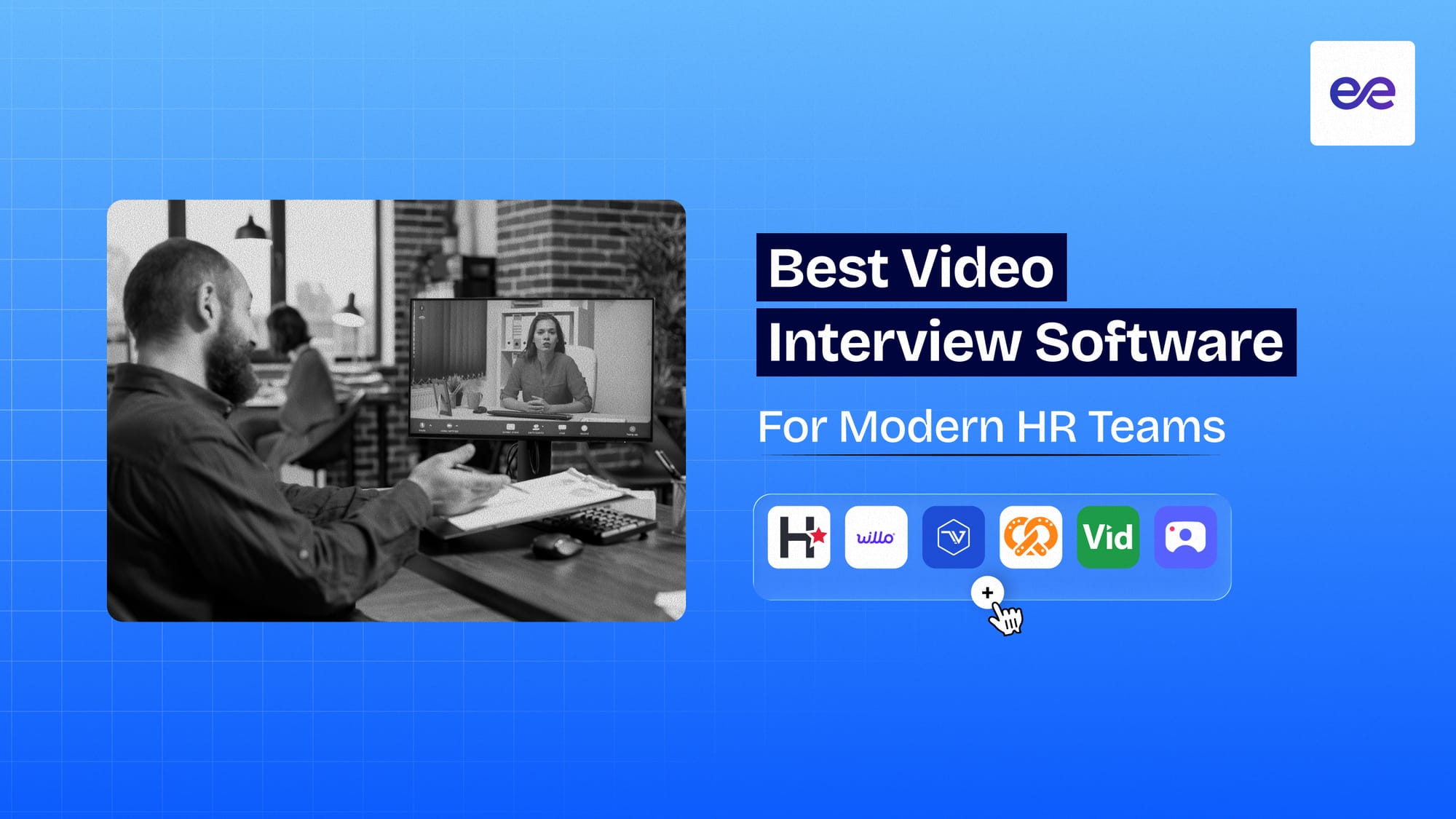
Hiring today doesn’t just mean finding candidates, it means managing interviews efficiently without slowing everything down.
If your current process feels scattered, the right video interview software can completely change how your team hires and collaborates.
In this guide, you’ll discover:
- The best video interview software available today
- Key features that actually matter for HR teams
- How to choose the right tool for your hiring needs
Key Features to Look for in Video Interview Software
Once you understand why video interview tools matter, the next step is knowing what actually makes a platform worth using.
Not every tool is built the same, and choosing the wrong one can slow you down instead of improving your hiring process.
1. One-way vs Live Video Interviews
The first thing you need to evaluate is the type of interview format the software supports.
One-way video interviews allow candidates to record answers on their own time, which helps you screen at scale without scheduling conflicts.
Live video interviews, on the other hand, feel more like traditional interviews and are better suited for deeper conversations and final rounds.
A good platform should give you both options so you can adapt based on the role and hiring stage.
2. AI-powered Screening and Evaluation
Manually reviewing every interview quickly becomes overwhelming when you are hiring at scale.
That is where AI-powered screening helps you move faster without compromising quality.
Modern tools can analyze responses, highlight top candidates, and even rank them based on job fit, helping you focus only on the most relevant profiles.
This reduces bias, saves hours of effort, and makes your evaluation process more consistent.
3. Interview Scheduling and Automation
Coordinating interview timings is often one of the most frustrating parts of hiring.
Back-and-forth emails, time zone confusion, and last-minute changes can slow everything down.
The right software automates scheduling by syncing calendars, sending reminders, and allowing candidates to pick available slots easily, so you spend less time coordinating and more time interviewing.
4. Integration with ATS and HR Tools
If your video interview tool does not connect with your existing systems, it creates more work instead of reducing it.
Look for platforms that integrate seamlessly with your ATS and other HR tools so candidate data flows automatically without manual entry.
This keeps your hiring pipeline organized and ensures your team works from a single source of truth.
5. Candidate Experience and Ease of Use
No matter how powerful a tool is, it will fail if candidates find it difficult to use.
A smooth, intuitive experience helps candidates feel comfortable and perform better during interviews.
Simple interfaces, mobile compatibility, and clear instructions make a big difference in how candidates perceive your hiring process and your brand.
12 Best Video Interview Software for Modern HR Teams
Explore the best video interview tools to simplify screening, save time, and improve how you evaluate candidates efficiently.
1. HireVue
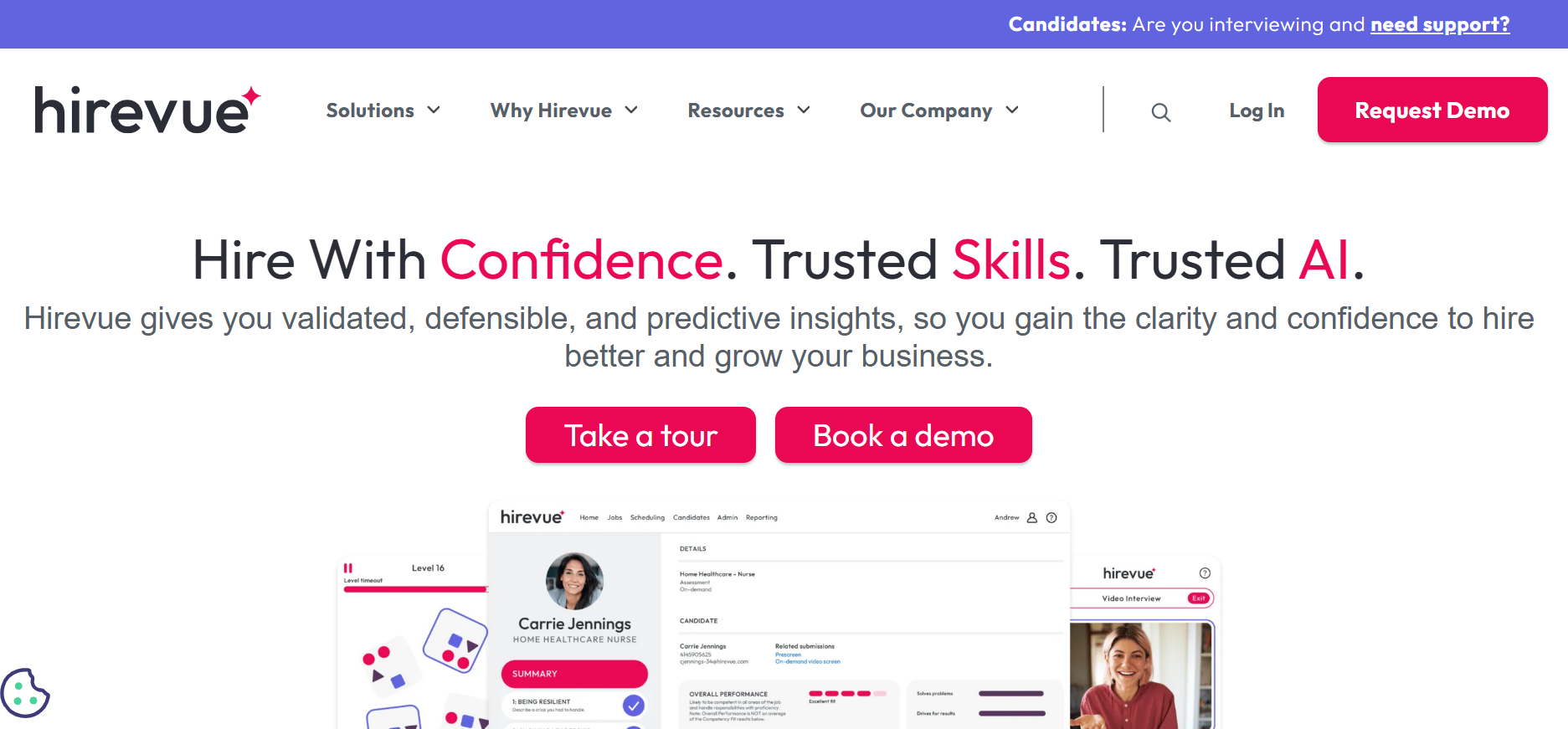
If you’re handling high-volume hiring, HireVue helps you manage screening without slowing things down.
You can send one-way interviews, review responses anytime, and use AI insights to identify top candidates faster.
From your perspective, it reduces repetitive work while keeping your process structured and consistent.
It’s especially helpful when you need speed without compromising on evaluation quality.
2. Willo
Willo keeps video interviews simple, which makes a big difference when you want quick adoption.
You can create interview flows, share links with candidates, and review responses without worrying about scheduling conflicts.
From your side, it feels lightweight and easy to manage.
It’s a great fit if you want a clean, no-friction solution that still gets the job done efficiently.
3. Peoplebox.ai
If you want more than just interviews, Peoplebox.ai connects hiring with performance insights.
You can manage interview workflows while also tracking how hiring decisions align with team goals.
From your perspective, it gives you better visibility into candidate quality and outcomes.
It’s useful when you want hiring to be more data-driven and aligned with business impact.
4. Hireflix
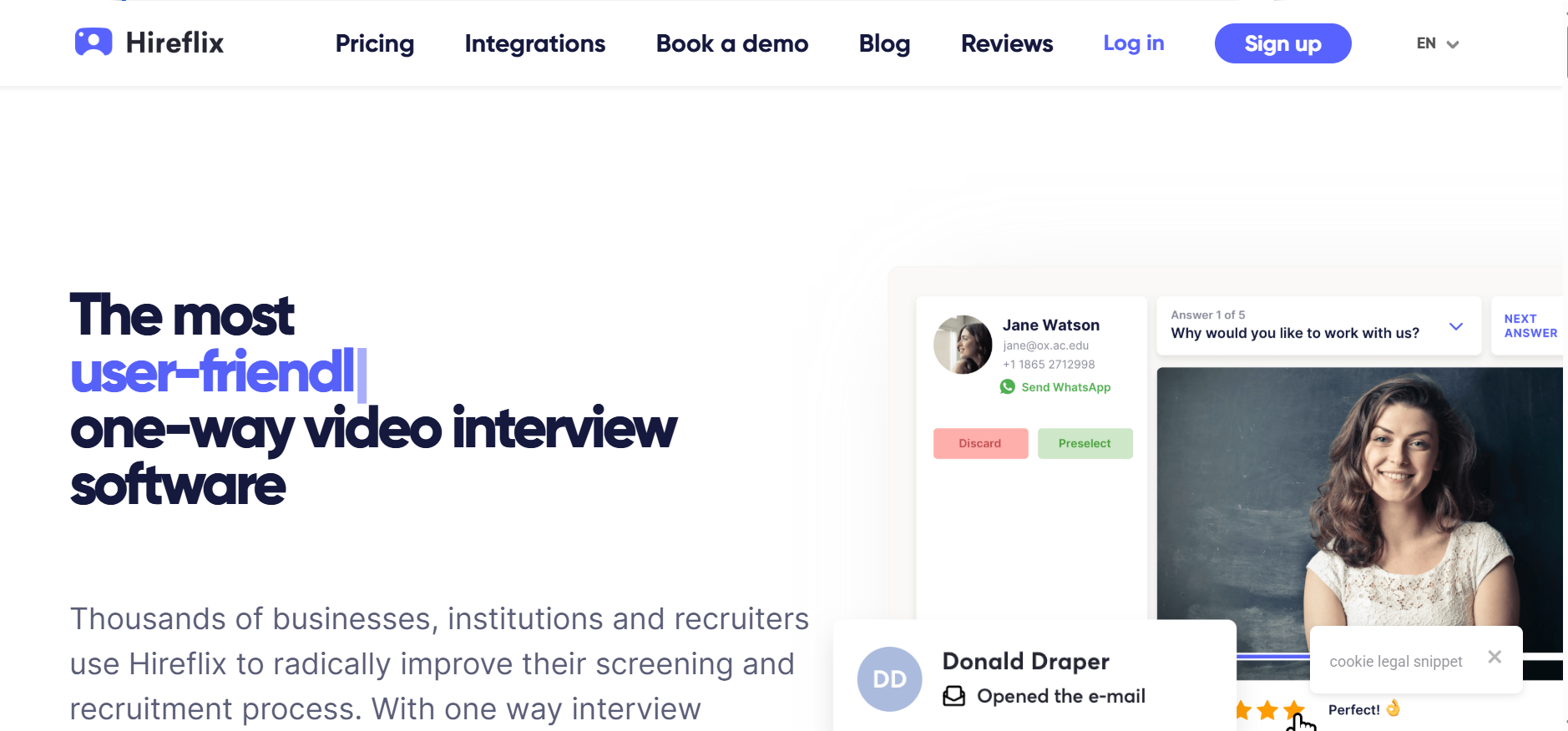
Hireflix is built for simplicity, especially if your focus is one-way video interviews.
You can quickly set up interviews and start reviewing candidate responses without a complicated setup.
From your perspective, it saves time right from day one.
It’s ideal when you want a straightforward tool that helps you screen candidates faster without extra complexity.
5. VidCruiter
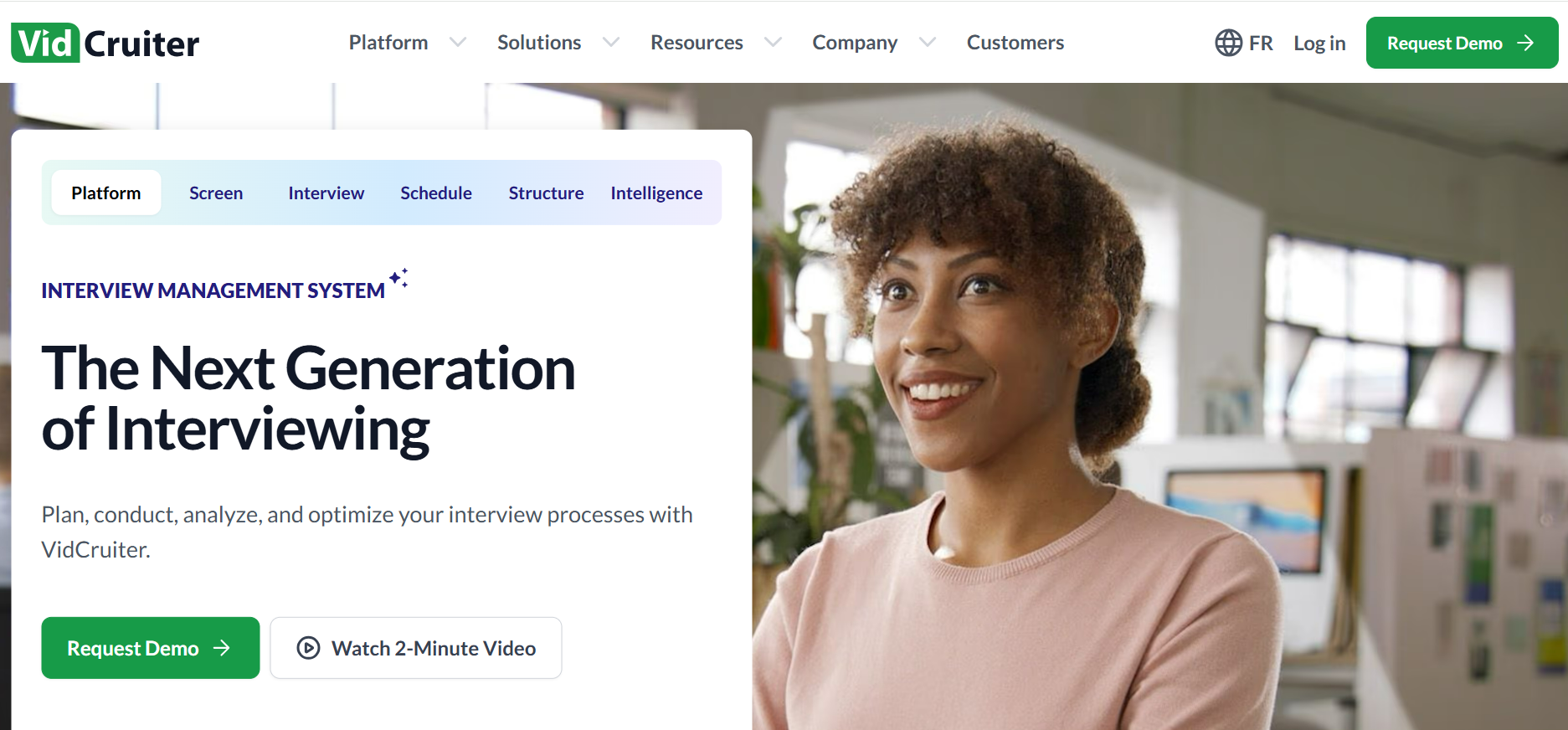
VidCruiter gives you more control over how your interviews are structured and evaluated.
You can create standardized workflows, design interview stages, and ensure consistency across candidates.
From your side, it helps you stay organized while maintaining fairness in evaluations.
It’s a strong option if your hiring process requires structure, compliance, or scalability.
6. Spark Hire
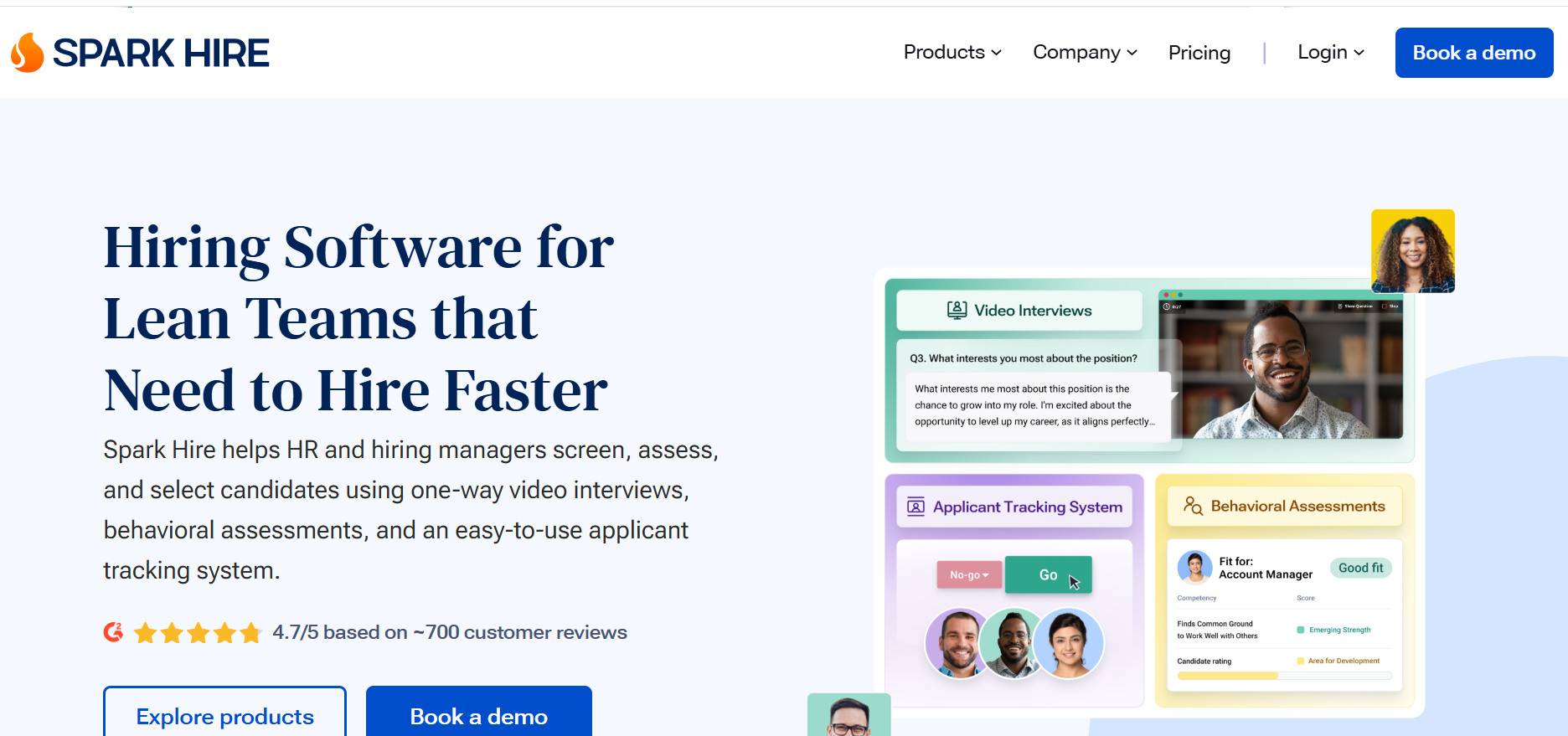
Spark Hire offers a balance between flexibility and ease of use, which works well for growing teams.
You can run both one-way and live interviews, collaborate with your team, and share feedback easily.
From your perspective, it simplifies coordination without removing control from your process.
It’s a reliable choice if you want something scalable but still easy to adopt.
7. myInterview
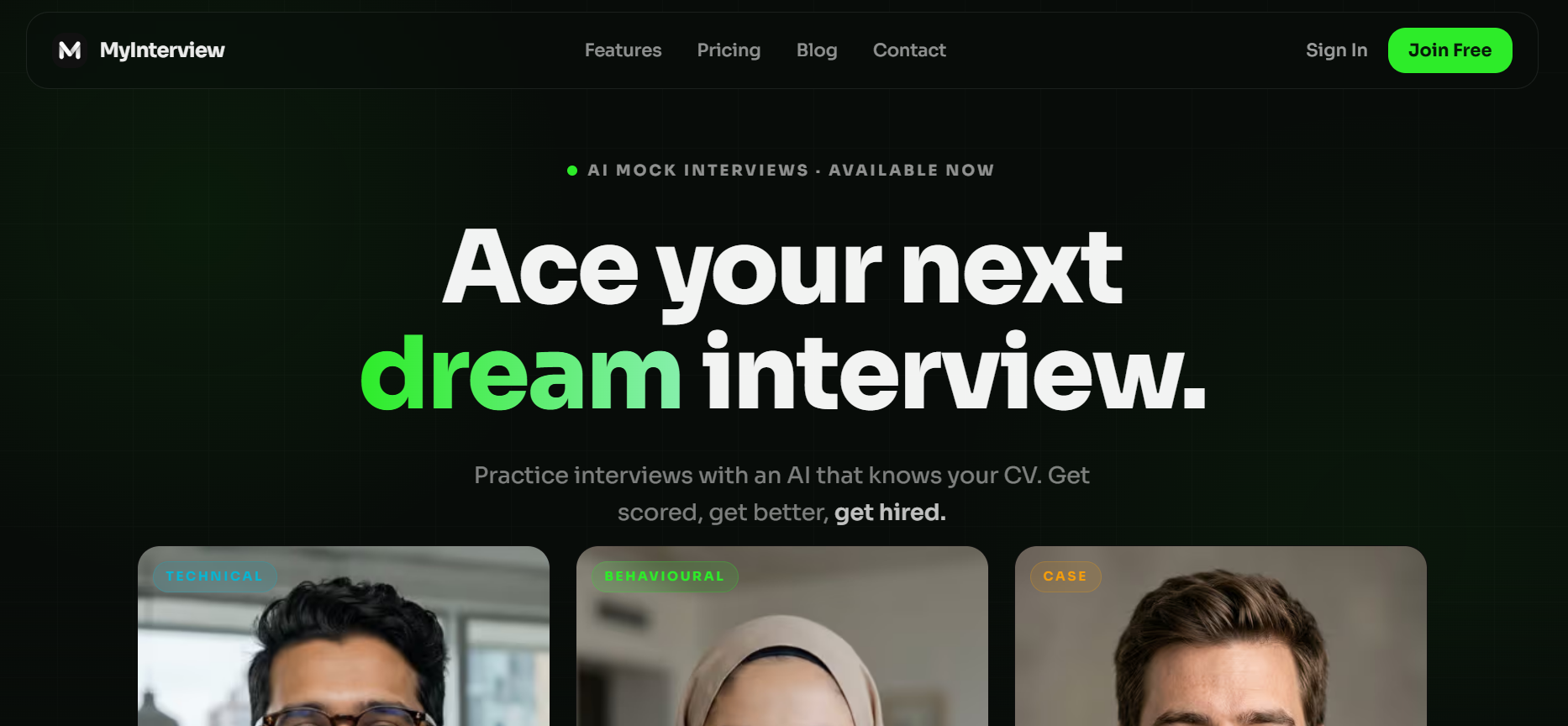
If you care about understanding candidates beyond resumes, myInterview helps you focus on personality and communication.
You can invite candidates to record responses at their convenience and review them when it suits your schedule.
From your perspective, it adds a human layer to early screening without slowing things down.
It’s especially useful when culture fit plays a key role in your hiring decisions.
8. Recroot
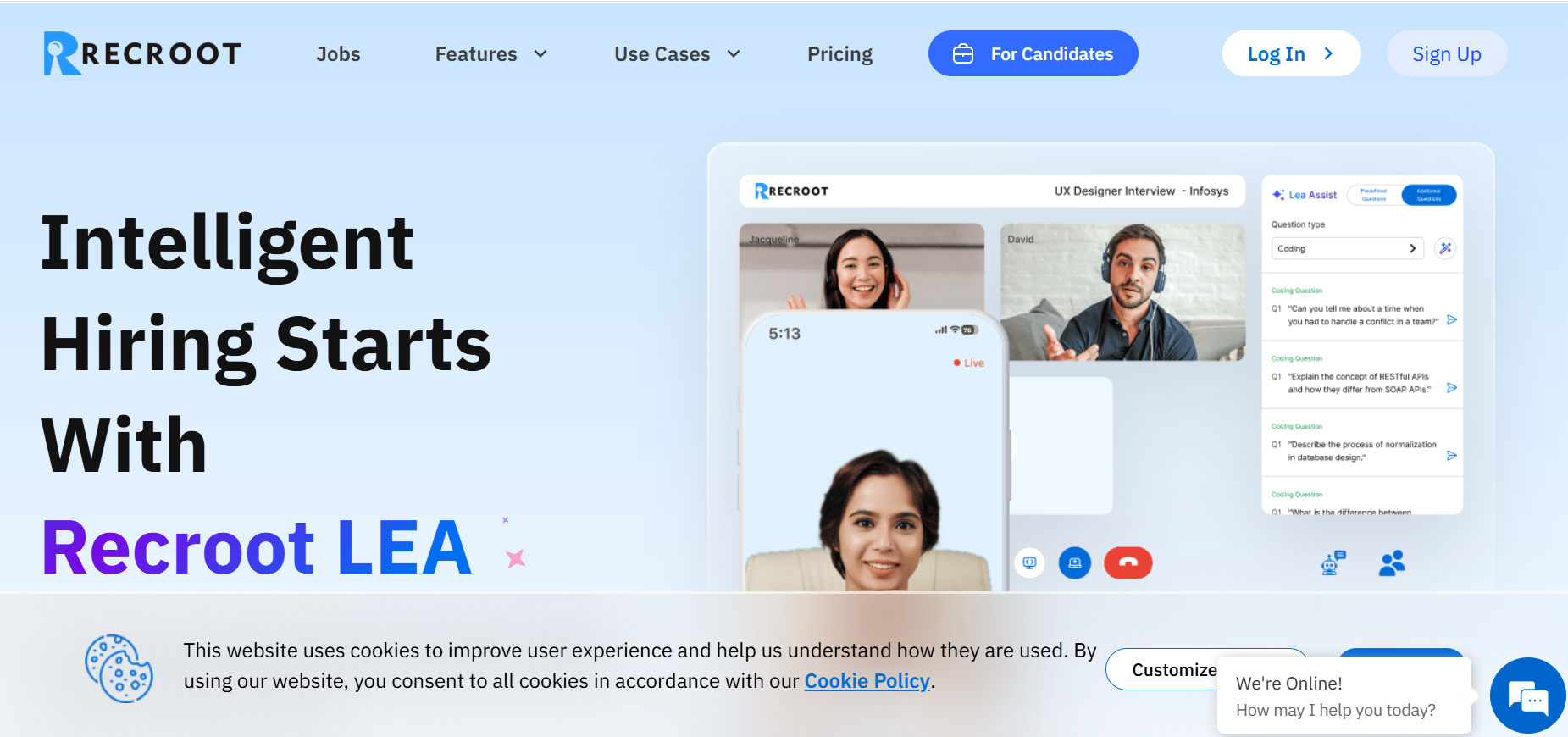
Recroot (LEA Interviews) helps you bring structure and automation into your interview process.
You can streamline candidate evaluations, manage interview stages, and reduce repetitive coordination work.
From your side, it makes hiring more organized and predictable.
It’s a good fit if you want consistency across interviews while still keeping the process efficient and easy to manage.
9. Modern Hire
Modern Hire is designed for deeper candidate evaluation with structured interviews and assessments.
You can combine video interviews with data insights to make more informed hiring decisions.
From your perspective, it adds confidence to your evaluation process.
It works well when you’re hiring for roles where quality and precision matter more than speed alone.
10. Talview
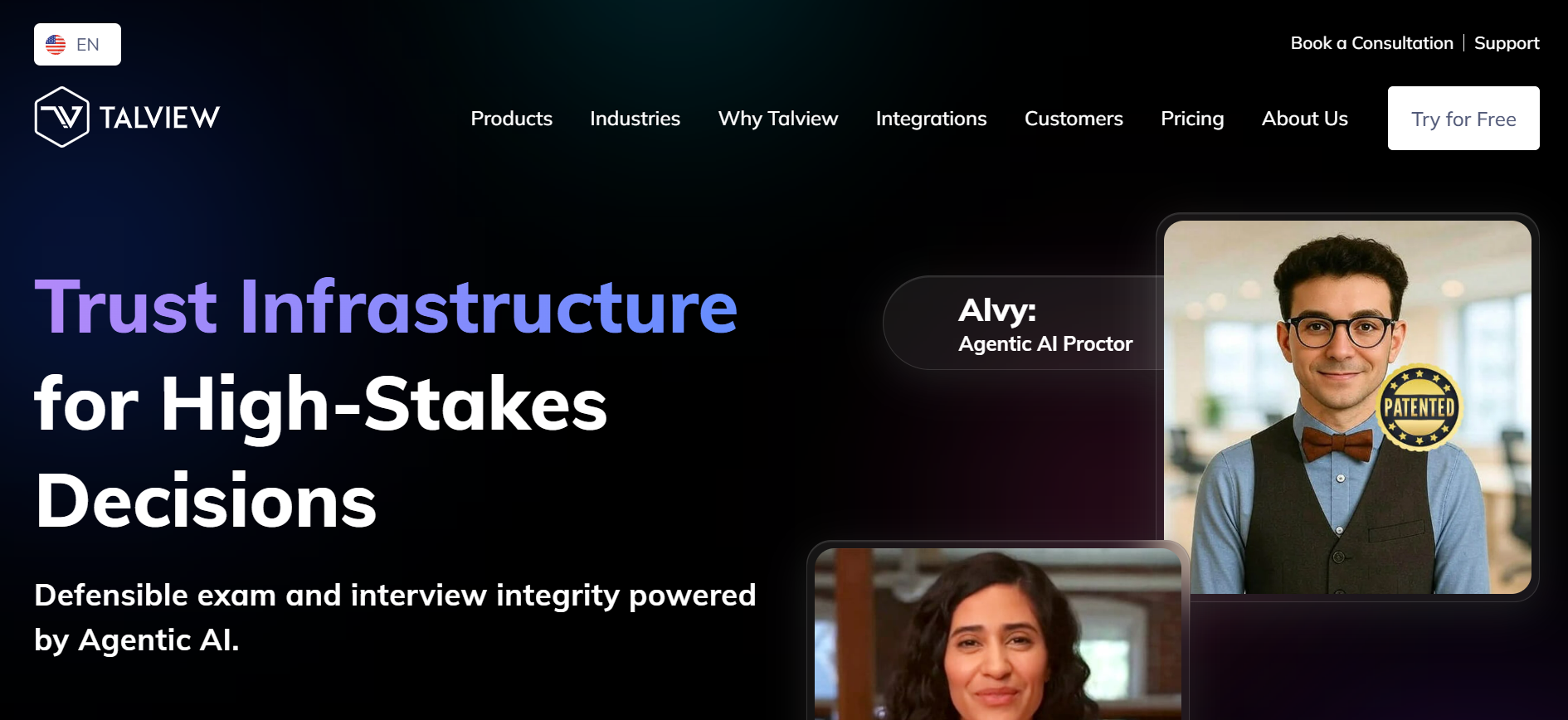
Talview brings flexibility into remote hiring with AI-powered interviews and proctoring capabilities.
You can assess candidates, conduct video interviews, and ensure credibility during remote evaluations.
From your side, it helps you manage complex or global hiring needs more effectively.
It’s especially useful when you need both scalability and control in your hiring process.
11. XOR
XOR focuses on automating candidate engagement before interviews even begin.
You can pre-screen candidates through chat, guide them through the process, and reduce manual follow-ups.
From your perspective, it keeps your pipeline active without constant effort.
It’s a great option when you want to speed up early-stage hiring while improving candidate responsiveness.
12. BrightHire
BrightHire helps you improve the quality of your live interviews through better insights and collaboration.
You can record conversations, analyze feedback, and share structured insights with your team.
From your side, it makes decision-making more consistent and less biased.
It’s ideal if your focus is on improving how interviews are conducted rather than just speeding them up.
How to Choose the Right Video Interview Software
Now that you’ve seen the top tools, the next step is figuring out which one actually fits your hiring process.
The right choice isn’t about features alone, it’s about how well the tool aligns with your team’s workflow and growth plans.
1. Define your hiring needs
Start by getting clear on what your hiring process actually looks like today.
Are you hiring at scale, or focusing on a few high-quality roles each month?
If your needs aren’t defined, even the best tool will feel overwhelming or underutilized.
When you know your priorities, choosing becomes much easier.
2. Evaluate scalability and flexibility
Your hiring needs today won’t look the same six months from now.
You should look for software that can grow with your team without forcing you to switch tools later.
Flexibility matters just as much, especially if your hiring process changes across roles or departments.
A rigid system can slow you down as you scale.
3. Compare pricing and ROI
It’s easy to focus only on pricing, but the real question is what you’re getting in return.
Think about how much time the tool saves, how it improves candidate quality, and how it impacts hiring speed.
Sometimes a slightly higher cost delivers far better efficiency and results.
Look at value, not just the price tag.
4. Check integration capabilities
Your video interview software should fit into your existing hiring stack seamlessly.
If it doesn’t integrate with your ATS or HR tools, you’ll end up doing extra manual work.
That defeats the purpose of automation in the first place.
A well-integrated system keeps everything connected and easy to manage.
5. Assess ease of implementation
Even the most powerful tool can fail if it’s difficult to set up and adopt.
You should look for software that your team can start using quickly without heavy training.
Simple onboarding means faster results and less resistance from your team.
The easier it is to implement, the sooner you see impact.
Suggested Reading:
Recruitment Automation: Step-by-Step Guide for HR’sBenefits of Using Video Interview Software
Once you implement the right video interview software, the impact shows up quickly across your entire hiring process.
It’s not just about convenience, it’s about saving time, improving decisions, and creating a smoother experience for everyone involved.
1. Faster screening and shortlisting
Screening candidates manually can take hours, especially when applications pile up.
With video interviews, you can review responses on your own time and quickly identify the most relevant candidates.
This helps you move from application to shortlist much faster without feeling overwhelmed.
2. Reduced time-to-hire
Delays in scheduling and coordination often slow down hiring more than anything else.
Video interview tools remove that friction by allowing async interviews and automated scheduling.
As a result, you can move candidates through the pipeline faster and close roles sooner.
3. Better candidate experience
Candidates appreciate flexibility, especially when they’re balancing multiple opportunities.
Video interviews let them respond at their convenience without rigid scheduling constraints.
This creates a smoother experience and leaves a positive impression of your hiring process.
4. Improved hiring consistency
When interviews are unstructured, evaluations can vary from one candidate to another.
Video interview software allows you to standardize questions and review responses more objectively.
This leads to fairer comparisons and more consistent hiring decisions.
5. Cost savings for HR teams
Traditional interviews often involve significant time and coordination costs.
By reducing manual work and minimizing scheduling efforts, video tools help cut down operational expenses.
Over time, this translates into meaningful savings for your HR team and helps reduce hiring costs.
How Leelu.ai Enhances Video Interview Workflows
Once you have video interviews in place, the next challenge is managing everything around them efficiently.
This is where Leelu.AI fits naturally into your workflow by connecting sourcing, screening, and interviews into one seamless process.
1. Automates interview scheduling
Scheduling interviews can quickly turn into endless back-and-forth emails.
Leelu.ai automates this by syncing calendars and booking interviews instantly without manual coordination.
From your perspective, it removes delays and ensures candidates move forward without friction.
2. Integrates sourcing, screening, and interviews
Instead of juggling multiple tools, you can manage everything in one place.
Leelu.ai connects candidate sourcing, screening, and interview workflows into a single system through automated hiring workflows.
This means you don’t have to switch platforms or manually move data across stages.
3. Reduces manual coordination
A large part of hiring effort goes into follow-ups, reminders, and coordination.
Leelu.ai handles these repetitive tasks automatically, keeping candidates engaged throughout the process.
You end up saving hours that would otherwise go into operational work.
4. Improves candidate engagement
Keeping candidates interested during the hiring process is often challenging.
Leelu.ai uses automated communication and timely follow-ups to maintain engagement at every stage.
From your side, it ensures no candidate feels ignored or drops off midway.
5. Provides data-driven insights for better hiring decisions
Making the right hiring decision requires more than just intuition.
Leelu.ai gives you real-time insights into your hiring funnel, helping you understand what’s working and what’s not.
This allows you to continuously improve your process and make more confident decisions.
Common Mistakes to Avoid When Choosing Video Interview Software
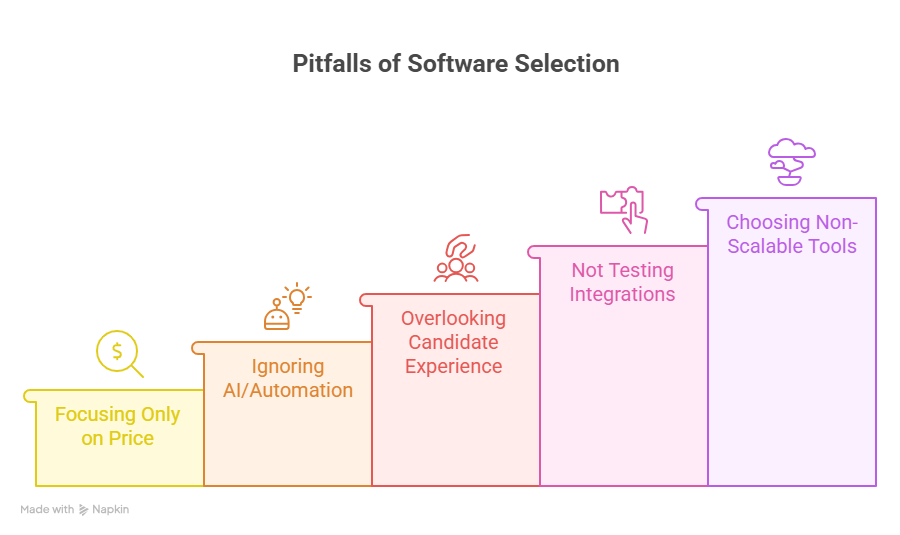
Choosing the right tool can improve your hiring process, but the wrong choice can slow you down even more.
Most mistakes happen when decisions are rushed or based on incomplete evaluation.
Here are some common pitfalls you should avoid.
1. Focusing only on price
It’s tempting to go with the cheapest option, especially when budgets are tight.
But lower cost often means missing critical features that impact your hiring efficiency.
Instead of just price, you should think about the value it brings in terms of time saved and hiring quality.
2. Ignoring AI and automation capabilities
Manual processes can quickly become a bottleneck as your hiring volume grows.
If the tool doesn’t support automation or AI-driven screening, you’ll still spend hours on repetitive tasks.
Choosing a solution with strong automation helps you scale without increasing workload.
3. Overlooking candidate experience
A complicated or slow interview process can frustrate candidates.
If the platform isn’t easy to use, candidates may drop off before completing interviews.
You should always prioritize tools that make the experience smooth and flexible.
4. Not testing integrations
Your interview software should work seamlessly with your existing tools.
If integrations aren’t tested properly, you may end up with broken workflows or manual data entry.
This creates inefficiencies that defeat the purpose of using new software.
5. Choosing tools that don’t scale
A tool that works for a small team may not support your future hiring needs.
If it lacks flexibility or scalability, you’ll have to switch platforms later.
It’s better to choose a solution that can grow with your team from the start.
Suggested Reading:
AI Hiring AssistantConclusion
Choosing the right video interview software can completely change how your team hires, screens, and engages candidates.
When you focus on the right features, avoid common mistakes, and align the tool with your hiring needs, you create a faster and more efficient process.
But real impact comes when everything works together seamlessly.
That’s where Leelu.AI helps by connecting sourcing, screening, and interview workflows into one streamlined system, so you can hire better candidates without adding more manual effort.
Frequently Asked Questions
1. Can video interview software help reduce hiring bias?
Yes, many tools offer structured interviews, standardized questions, and AI-based evaluations that help reduce unconscious bias. Some platforms also anonymize candidate data to ensure fairer assessments.
2. Is video interview software suitable for small businesses?
Yes, many platforms offer flexible pricing and simple setups, making them accessible for small teams. They help reduce manual work and speed up hiring without needing a large HR team.
3. How secure is candidate data in video interview platforms?
Most modern tools use encryption, secure cloud storage, and compliance standards like GDPR to protect candidate data. It’s important to review each platform’s security policies before choosing one.
4. Can candidates complete video interviews on mobile devices?
Yes, most video interview software is mobile-friendly. Candidates can record or attend interviews using their smartphones, which improves accessibility and response rates.
5. How long should a video interview process take?
It depends on the role and company, but typically one-way interviews can be completed within 24–72 hours, while live interviews are scheduled within a few days to keep the hiring process fast.