Is your hiring process taking longer than expected despite using SmartRecruiters?
Many recruiting teams reach a point where they need faster sourcing, better automation, stronger AI capabilities, or a platform that is easier for recruiters and hiring managers to use daily.
While SmartRecruiters offers a solid ATS, it may not be the best fit for every organization's hiring goals, budget, or workflow requirements.
That's why more companies are exploring alternatives that can reduce manual work, improve hiring efficiency, and help them connect with qualified candidates faster.
In this guide, you'll discover:
- Why companies are switching from SmartRecruiters
- The best SmartRecruiters alternatives available today
- How to choose the right platform for your hiring needs
- Common mistakes to avoid during the evaluation process
- Which solution can help you hire faster and scale recruiting efficiently
Why Companies Look for SmartRecruiters Alternatives
Hiring technology should help your team move faster, not create additional complexity.
As hiring demands increase, many organizations start evaluating alternatives that better align with their recruiting goals, budget, and workflow requirements.
1. Reducing Recruiting Costs
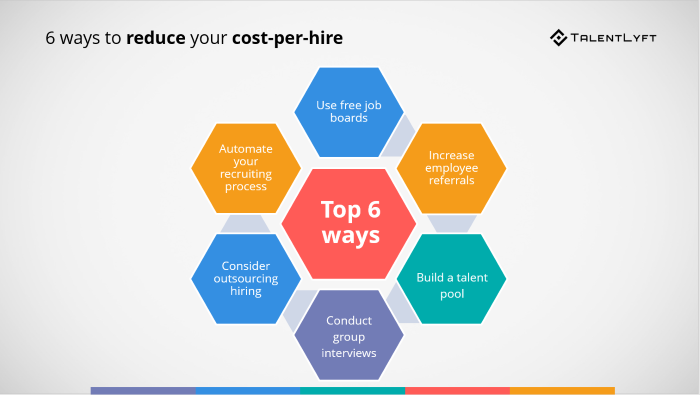
Recruiting expenses can grow quickly when you're hiring across multiple roles and departments.
Many companies look for alternatives that offer similar capabilities at a lower cost while reducing the need for additional recruiting tools and manual effort.
2. Improving Hiring Speed
A slow hiring process often leads to lost candidates and extended vacancies.
Organizations increasingly prefer platforms that automate sourcing, screening, outreach, and scheduling so recruiters can move qualified candidates through the pipeline much faster.
3. Accessing More Advanced AI Features
AI has become a major factor in modern recruitment.
Companies want solutions that can automatically identify qualified candidates, rank profiles based on job fit, personalize outreach, and streamline repetitive recruiting tasks with minimal human intervention.
4. Simplifying Recruitment Workflows
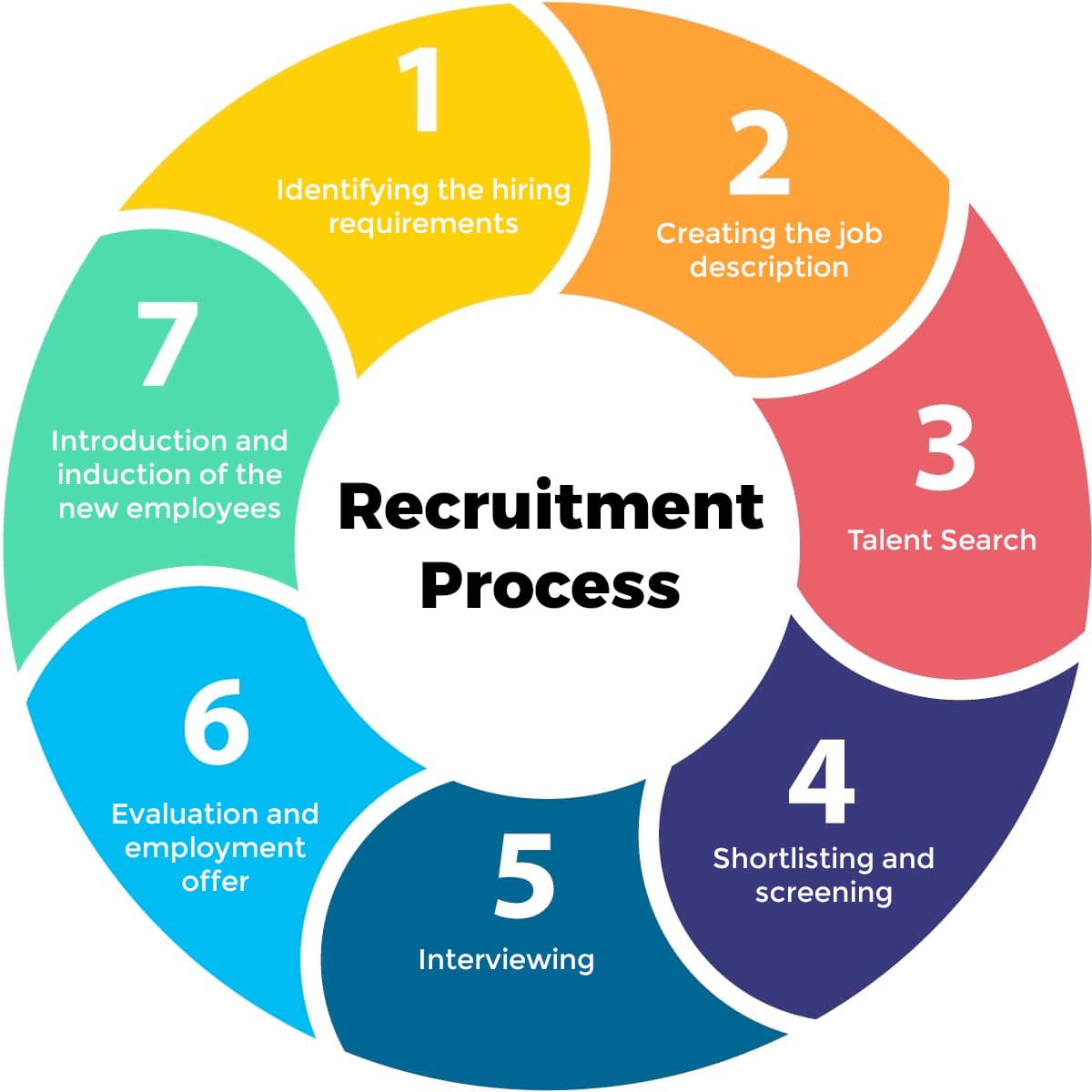
Managing multiple tools and disconnected processes can slow down hiring teams.
Many recruiters are searching for platforms that bring sourcing, candidate screening, communication, interview scheduling, and reporting into a single workflow, making hiring easier to manage from start to finish.
Suggested Reading:
How to Hire Faster: 12 Proven Ways to Cut Time-to-Hire9 Best SmartRecruiters Alternatives for Faster Hiring
Now that you understand why companies explore alternatives, the next step is identifying which platform best matches your hiring needs.
Some teams prioritize AI automation, while others focus on collaboration, scalability, or ease of use. The right choice depends on how your recruitment process operates today and where you want it to be in the future.
1. Leelu.ai
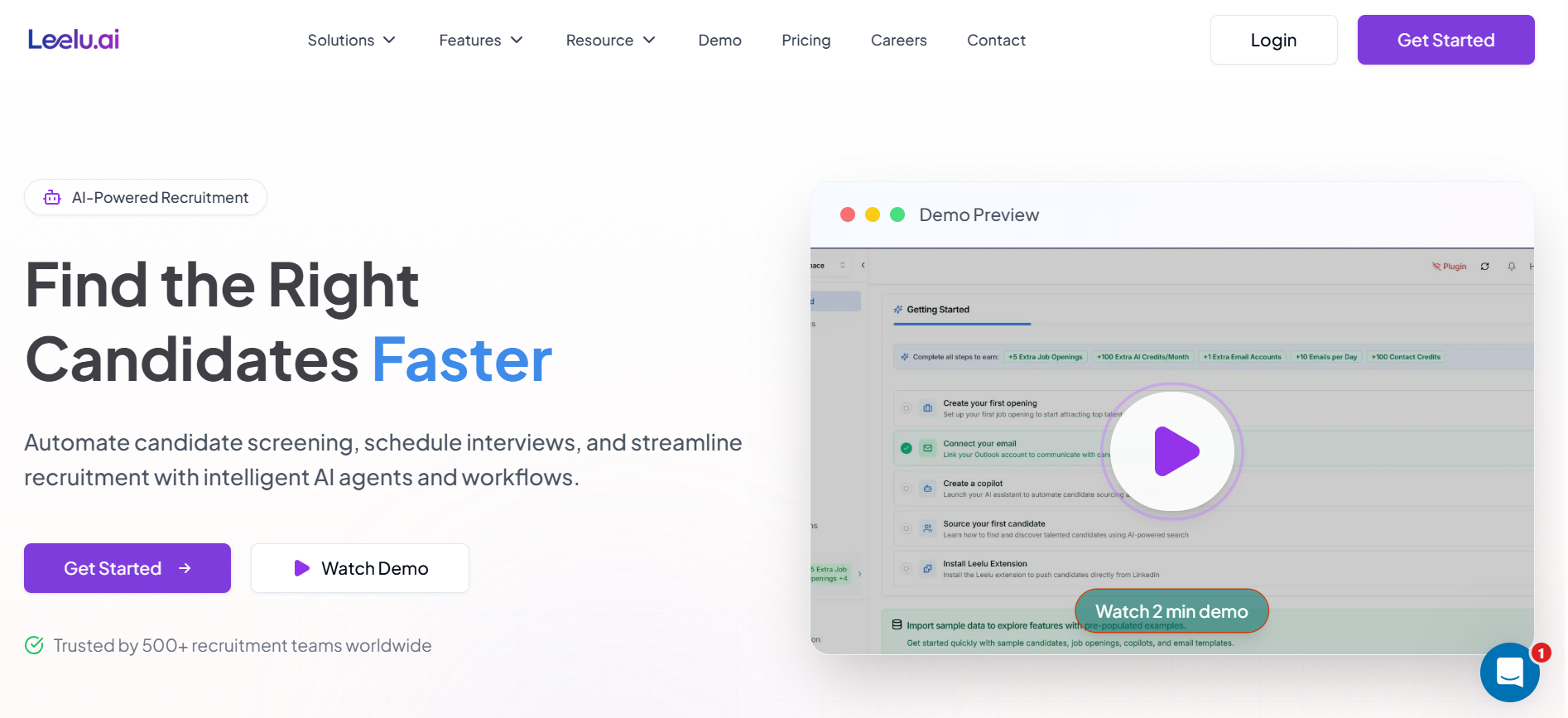
If your goal is to reduce manual recruiting work and accelerate hiring, Leelu.ai is a strong alternative to consider.
Built as an AI recruiting copilot, Leelu automates sourcing, candidate screening, outreach, and interview scheduling within a single workflow.
Instead of spending hours searching for candidates and managing follow-ups, recruiters can focus on engaging qualified talent.
Key capabilities include:
- AI-powered candidate sourcing across multiple platforms
- Automated resume screening and candidate matching
- Personalized outreach at scale
- Automated follow-ups and candidate engagement
- Interview scheduling with calendar synchronization
For teams looking to move from job posting to interviews faster, Leelu offers a highly automated approach to modern recruiting.
2. Greenhouse
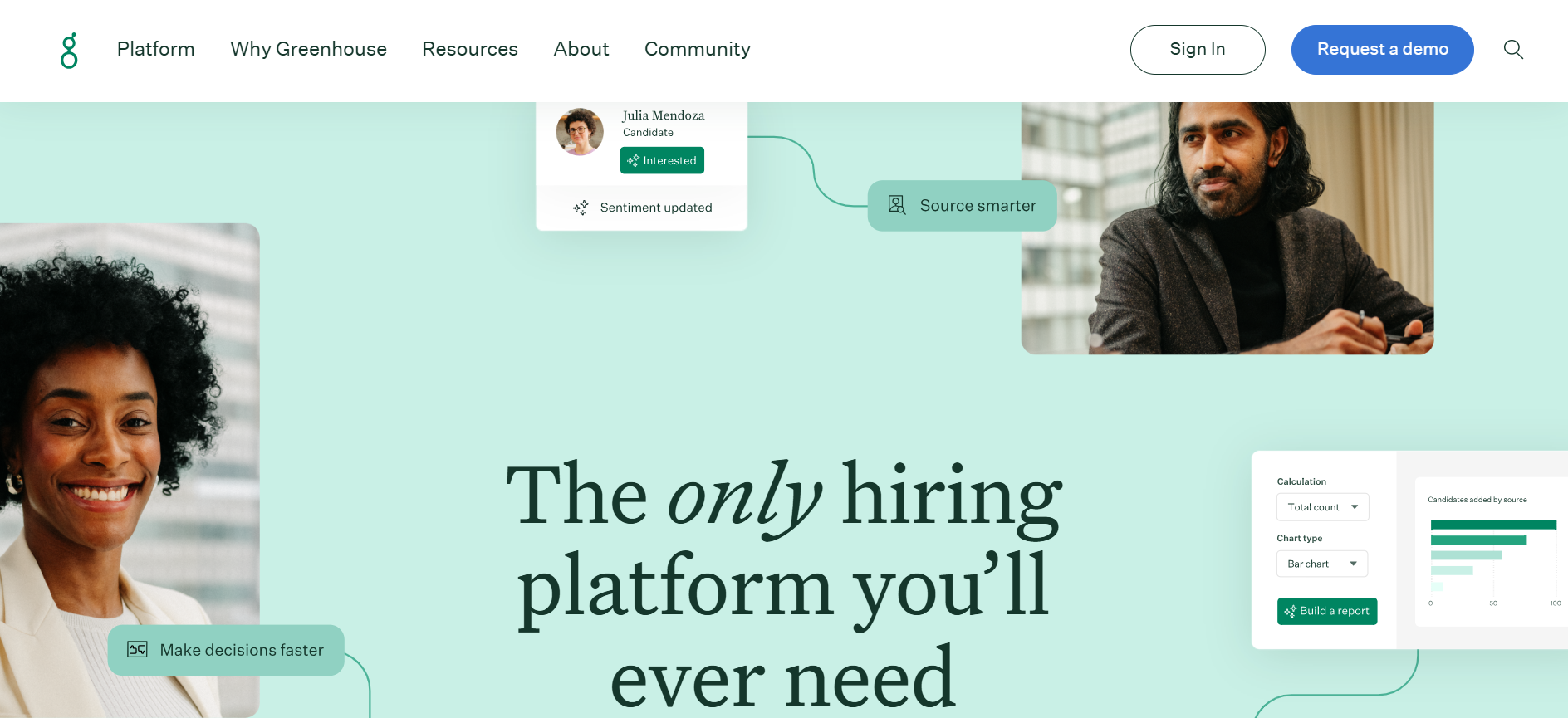
Greenhouse is one of the most recognized recruiting platforms for growing and enterprise organizations.
The platform is known for its structured hiring approach, helping teams create consistent recruitment processes across departments. It also offers extensive reporting capabilities and a large integration ecosystem.
Greenhouse works particularly well for companies that prioritize collaboration between recruiters and hiring managers.
Some notable strengths include:
- Structured hiring workflows
- Advanced reporting and analytics
- Large marketplace of integrations
- Collaborative interview scorecards
- Candidate experience tools
Organizations with complex hiring processes often choose Greenhouse because of its scalability and process standardization features.
3. Lever
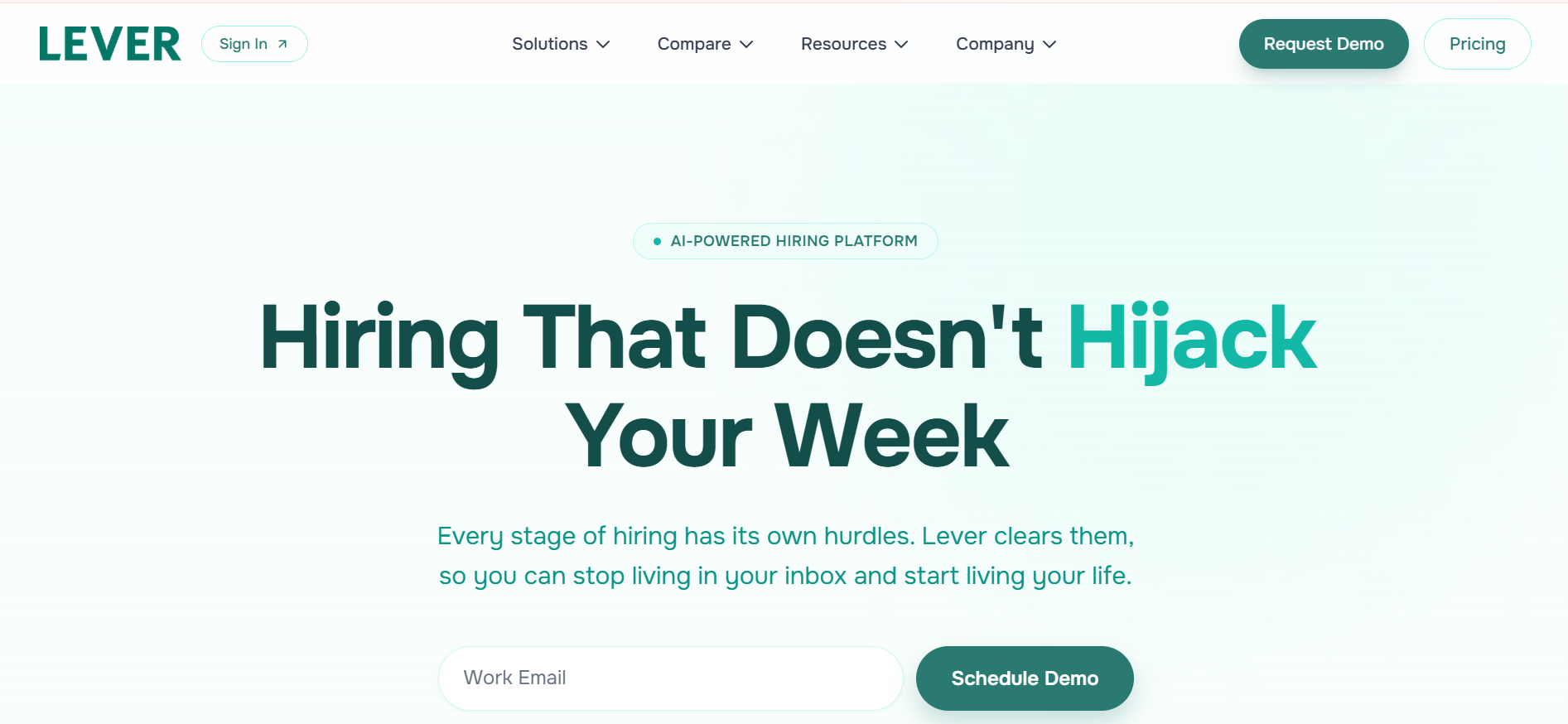
Lever combines applicant tracking and candidate relationship management capabilities in a single platform.
This makes it particularly useful for companies that focus heavily on proactive recruiting rather than relying only on inbound applications.
The platform helps recruiters build and nurture talent pipelines while maintaining visibility into candidate interactions throughout the hiring journey.
Key features include:
- Built-in CRM functionality
- Candidate nurturing workflows
- Recruiting pipeline management
- Team collaboration tools
- Reporting and analytics
Lever is often a good fit for organizations that want stronger relationship-building capabilities alongside traditional ATS features.
4. Workable
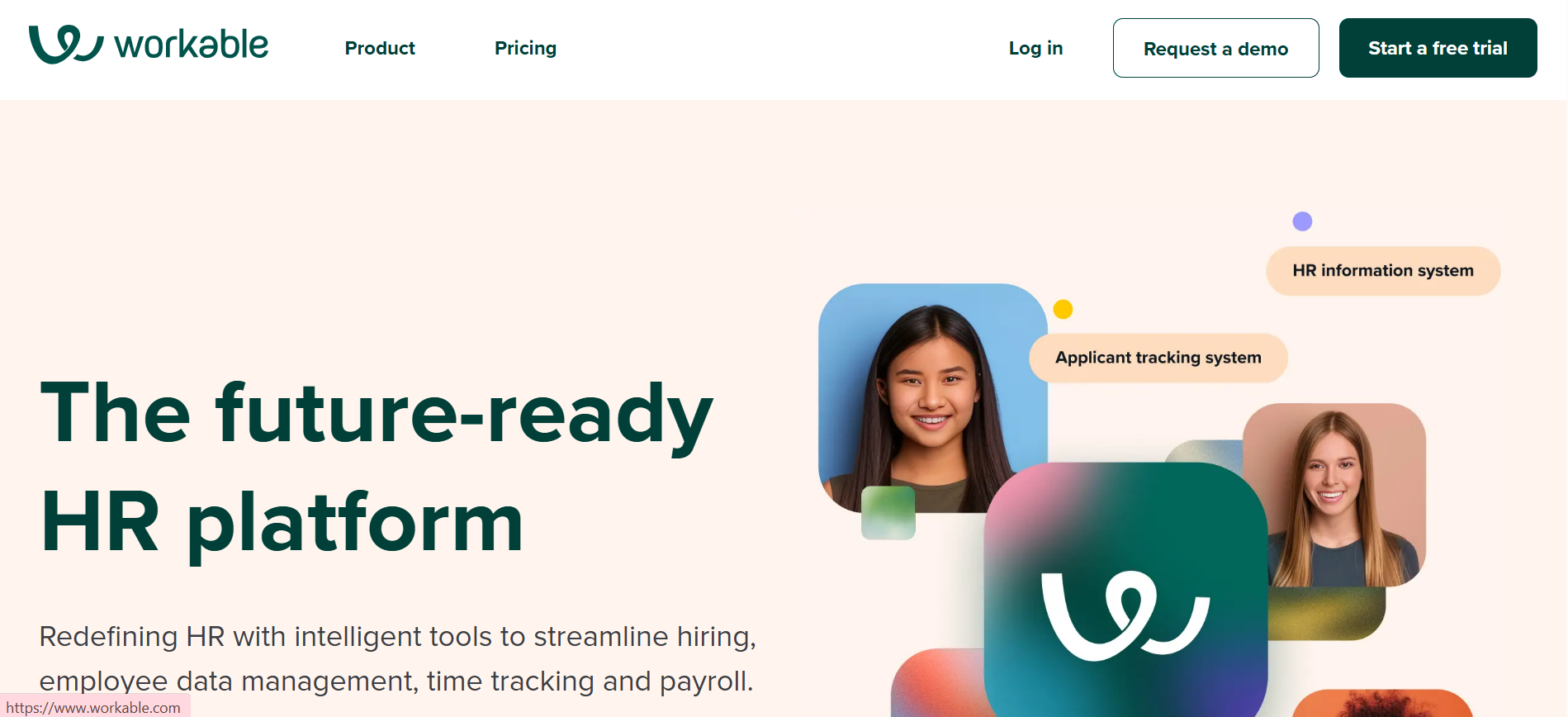
Workable is a popular recruiting solution for small and mid-sized businesses looking for an easy-to-implement hiring platform.
The platform offers a user-friendly interface and a broad range of recruiting tools without requiring extensive setup or training.
This balance of simplicity and functionality makes it attractive for teams that need to start hiring quickly.
Workable's standout features include:
- Candidate sourcing tools
- Job posting distribution
- Resume screening capabilities
- Interview scheduling features
- Hiring analytics and reporting
For companies that want a straightforward recruiting platform with a relatively fast implementation process, Workable remains a strong SmartRecruiters alternative.
5. Ashby
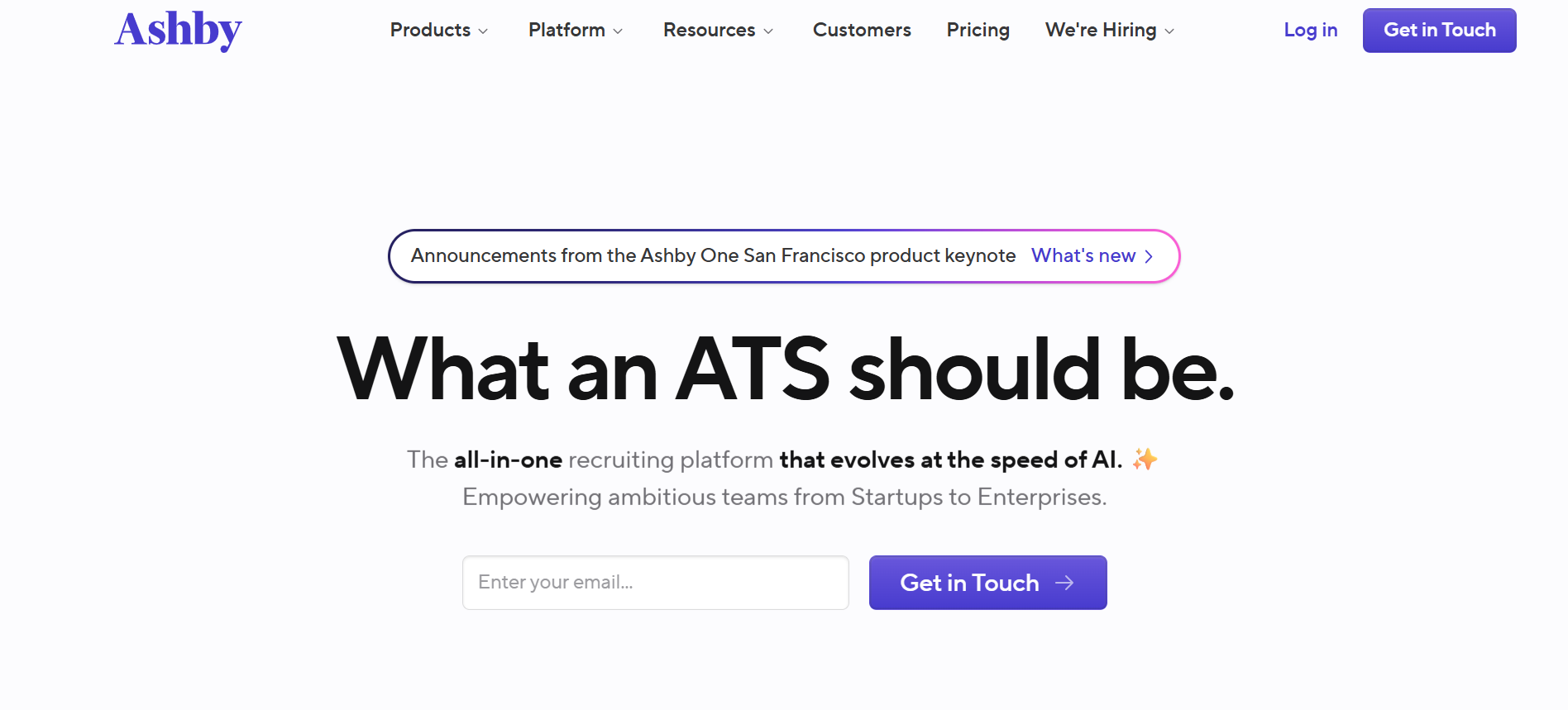
As hiring teams grow, many recruiters need more than just an applicant tracking system.
They need a platform that combines recruiting operations, analytics, and workflow automation in one place.
Ashby is known for bringing these capabilities together while offering deep visibility into hiring performance.
Some of its key features include:
- Customizable recruiting workflows
- Advanced hiring analytics
- Candidate pipeline management
- Interview scheduling tools
- Recruitment forecasting and reporting
Ashby is particularly popular among fast-growing companies that rely heavily on data to improve hiring decisions and optimize recruiting processes.
6. Teamtailor
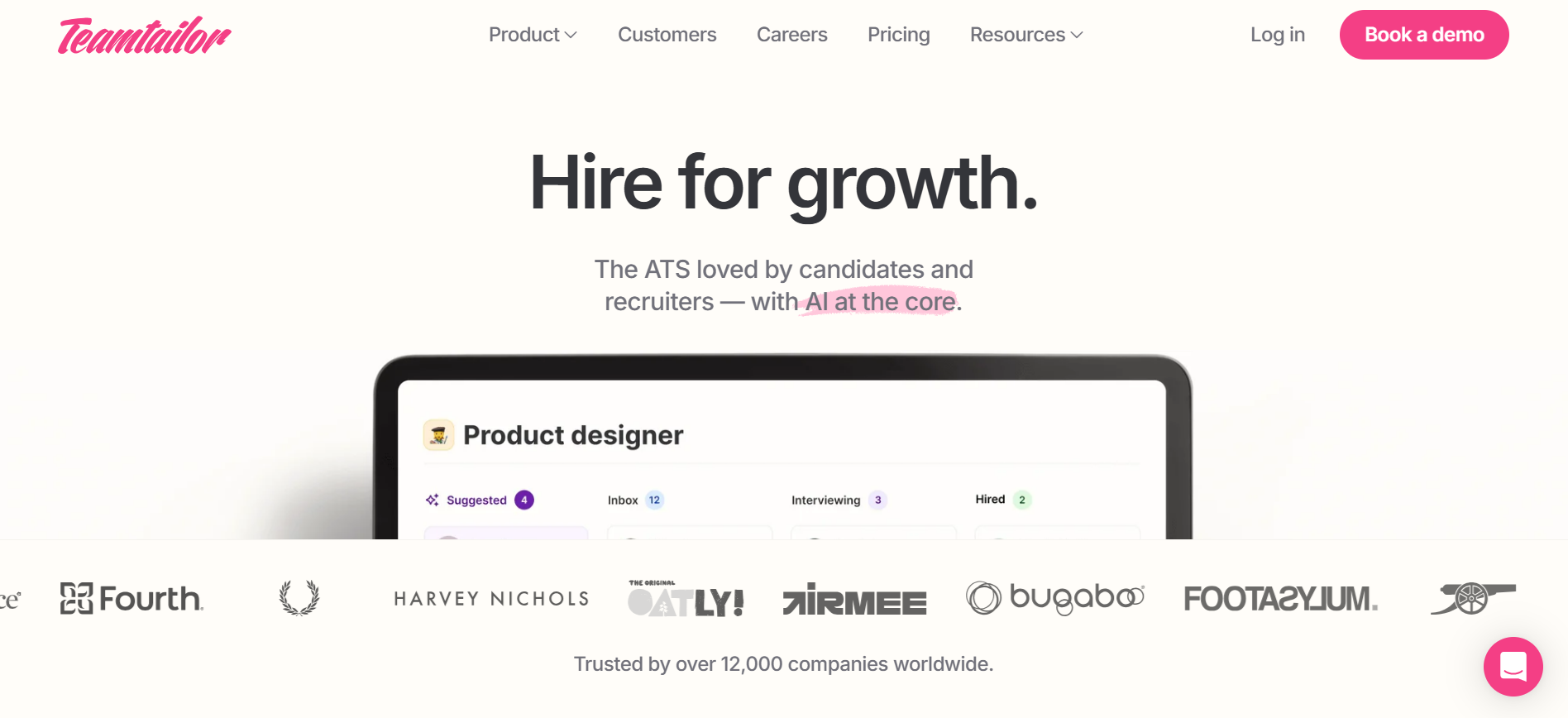
Teamtailor focuses heavily on employer branding and candidate experience.
If attracting talent is just as important as managing applications, this platform offers several tools designed to help companies stand out in competitive hiring markets.
The platform also provides a modern and user-friendly interface that recruiters can adopt quickly.
Key capabilities include:
- Custom career sites
- Employer branding tools
- Candidate relationship management
- Recruitment automation workflows
- Team collaboration features
For organizations looking to strengthen their employer brand while maintaining efficient hiring processes, Teamtailor is a compelling option.
7. Breezy HR
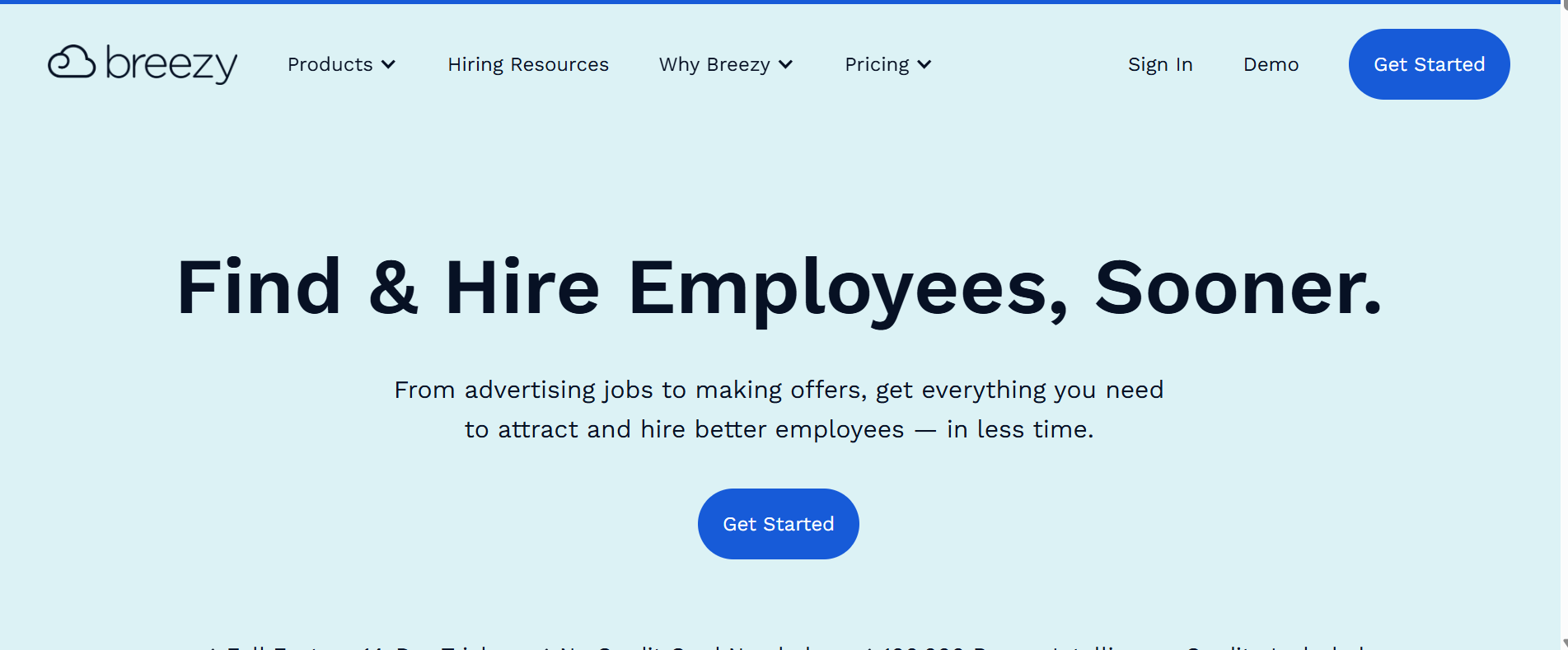
Not every company needs a highly complex recruiting platform. Many small and mid-sized businesses prefer solutions that are easy to implement and simple to manage.
Breezy HR is designed with that goal in mind. The platform provides essential recruiting tools while keeping the user experience straightforward and accessible.
Notable features include:
- Visual recruitment pipelines
- Automated interview scheduling
- Candidate sourcing tools
- Team collaboration functionality
- Recruitment reporting dashboards
Breezy HR is often a practical choice for growing teams that want recruitment software without a steep learning curve.
8. Zoho Recruit
Companies already using the Zoho ecosystem often consider Zoho Recruit because of its seamless integration capabilities.
The platform supports both staffing agencies and internal HR teams, making it a flexible option for different hiring models.
Its broad feature set allows recruiters to manage the entire hiring lifecycle from a single system.
Core features include:
- Applicant tracking functionality
- Resume parsing and candidate management
- Recruitment workflow automation
- Job posting distribution
- Integration with other Zoho applications
Businesses looking for an affordable and scalable recruiting solution frequently place Zoho Recruit on their shortlist.
9. JazzHR
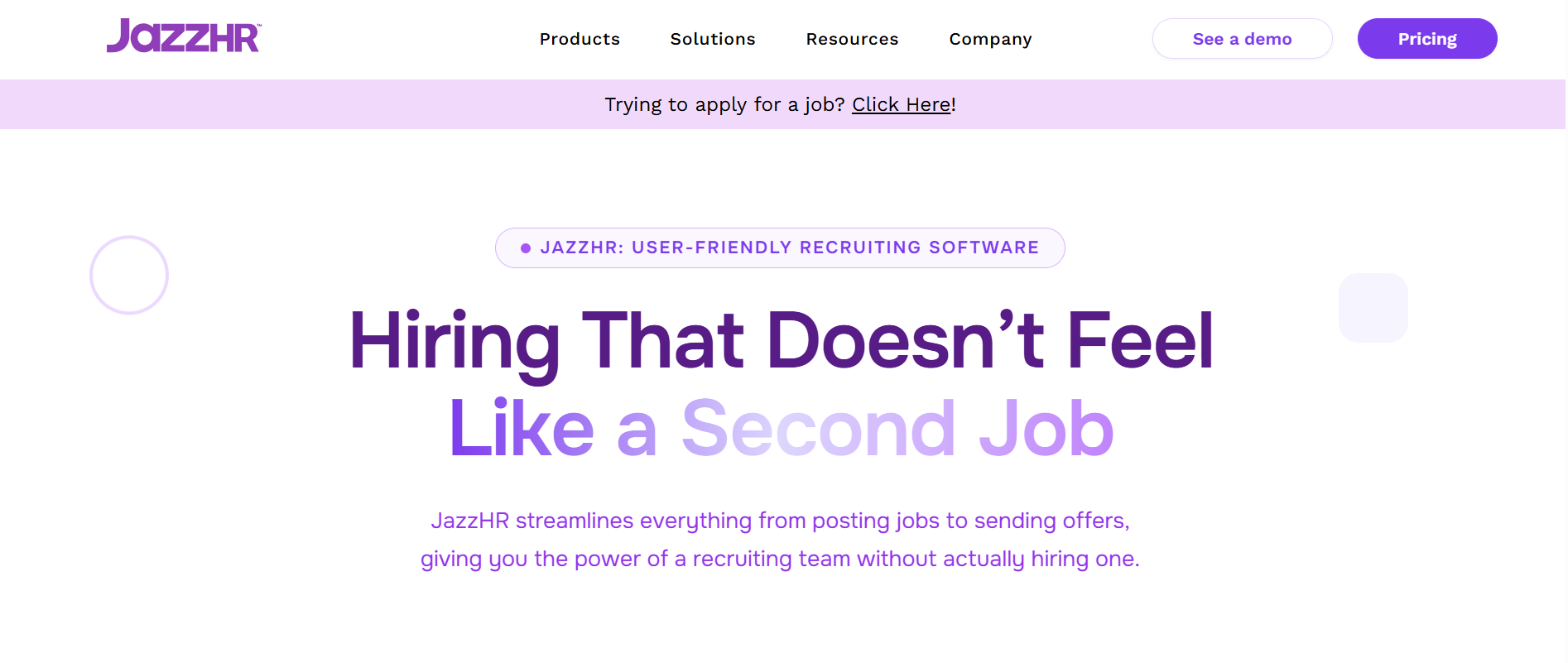
JazzHR is built primarily for small and medium-sized businesses that need an affordable applicant tracking system.
The platform focuses on simplifying recruitment while providing enough functionality to support structured hiring processes.
Its intuitive design makes onboarding easier for teams with limited recruiting technology experience.
Key features include:
- Job posting and candidate tracking
- Custom hiring workflows
- Collaborative hiring tools
- Interview scheduling features
- Recruiting reports and analytics
For organizations seeking a budget-friendly SmartRecruiters alternative with essential ATS functionality, JazzHR remains a solid option.
Each of these platforms offers a different approach to recruiting.
The best choice ultimately depends on your hiring goals, team size, budget, and the level of automation you want throughout the recruitment process.
How to Choose the Right SmartRecruiters Alternative
With so many recruiting platforms available, choosing the right one can feel overwhelming.
The best solution isn't necessarily the one with the most features. It's the one that aligns with your hiring process, team structure, and long-term recruitment goals.
1. Define Your Hiring Goals
Before comparing platforms, get clear on what success looks like for your recruiting team.
Are you trying to fill positions faster? Reduce recruiter workload? Improve candidate quality? Or create a more consistent hiring process across departments?
The clearer your goals are, the easier it becomes to eliminate solutions that don't align with your priorities.
2. Evaluate AI and Automation Features
Once your goals are defined, look at how each platform helps you achieve them.
Many modern recruiting tools promote AI capabilities, but the real value comes from how much manual work they remove from your hiring process.
Pay special attention to automation in areas such as:
- Candidate sourcing
- Resume screening
- Candidate matching
- Outreach campaigns
- Interview scheduling
The more repetitive tasks that can be automated, the more time your team can spend building relationships with candidates.
Suggested Reading:
9 AI Recruiting Tools That Replace Manual Hiring Workflows3. Consider Team Size and Hiring Volume
Hiring needs rarely stay the same for long.A platform that supports ten hires per month may struggle when that number grows to fifty or more.
Think about both your current recruiting volume and where your company expects to be over the next few years. Choosing a scalable solution today can prevent a costly platform switch later.
4. Check Integration Requirements
Recruitment is connected to many other systems across your organization.
Your ATS may need to work alongside HR software, communication tools, calendars, assessment platforms, and reporting systems.
If integrations are limited, recruiters often end up spending valuable time moving information manually between tools.
5. Compare Pricing and Long-Term Costs
Price matters, but it shouldn't be the only factor driving your decision.
Instead of focusing solely on subscription fees, look at the total investment required to run the platform successfully.
This often includes:
- Implementation costs
- User licenses
- Training requirements
- Premium feature upgrades
- Future scaling expenses
A platform that appears cheaper upfront can sometimes become more expensive as your hiring needs grow.
6. Prioritize Ease of Use and Adoption
Even the most powerful recruiting software has limited value if people avoid using it.
During demos and trials, pay attention to how quickly recruiters and hiring managers can complete common tasks.
An intuitive platform usually leads to faster adoption, fewer training challenges, and better long-term results.
7. Review Customer Support and Onboarding
Migrating from one recruiting platform to another can be a significant project.
Strong onboarding support helps reduce disruptions and ensures your team gets value from the platform as quickly as possible.
Look for vendors that offer training resources, implementation guidance, and responsive support when issues arise.
8. Test the Platform Before Making a Decision
No feature list can tell you what it's actually like to use a platform every day.That's why demos, free trials, and proof-of-concept programs are so valuable.
They allow you to evaluate workflows, user experience, automation capabilities, and overall fit before making a long-term commitment.
The more thoroughly you test a solution, the more confident you'll be that it can support your hiring goals both now and as your organization grows.
Common Mistakes to Avoid When Choosing a SmartRecruiters Alternative
Finding the right recruiting platform is important, but avoiding the wrong decision is equally critical.
Many companies focus on features and pricing while overlooking factors that directly impact long-term hiring success.
1. Focusing Only on Price
It's tempting to compare platforms based primarily on monthly or annual costs.
However, the cheapest option isn't always the best value. A platform that saves recruiters hours every week may deliver a much higher return on investment than a lower-priced alternative with limited functionality.
2. Ignoring User Experience and Adoption
A recruiting platform should make work easier, not more complicated.
If recruiters, hiring managers, or interviewers find the software difficult to use, adoption rates can suffer. Even powerful features lose their value when teams avoid using them consistently.
3. Overlooking Integration Capabilities
Recruitment doesn't happen in a vacuum.
Your ATS often needs to connect with calendars, HR systems, communication platforms, assessment tools, and reporting software.
Before making a decision, verify that the platform supports the integrations your team relies on every day.
4. Choosing Features You Do Not Need
Many vendors promote extensive feature lists designed to appeal to a wide range of organizations.
While advanced functionality can be valuable, paying for capabilities you'll rarely use often adds unnecessary complexity and expense.
Instead, focus on the features that directly support your hiring goals.
5. Not Considering Future Hiring Growth
Your recruiting needs today may look very different a year from now.
As your organization grows, you'll likely need more automation, stronger reporting, and support for higher hiring volumes. Selecting a platform that can scale with your business helps avoid disruptive migrations in the future.
6. Skipping Product Demos and Free Trials
Marketing materials can only tell you so much.
A live demo or hands-on trial gives you a much clearer understanding of how the platform performs in real-world scenarios.
Use these opportunities to evaluate:
- Workflow efficiency
- User experience
- Automation capabilities
- Reporting features
7. Underestimating Implementation and Migration Effort
Switching recruiting platforms involves more than signing a contract.
Data migration, workflow configuration, integrations, user training, and process updates all require time and planning. Underestimating this effort can delay implementation and create unnecessary challenges for your team.
8. Failing to Involve Recruiters and Hiring Managers in the Decision
The people who use the platform every day should have a voice in the evaluation process.
Gathering feedback from recruiters, hiring managers, and other stakeholders helps ensure the solution meets practical needs and increases the likelihood of successful adoption after implementation.
Avoiding these mistakes can make the selection process far smoother and help you choose a platform that supports both your current hiring needs and future growth plans.
Conclusion
Choosing the right SmartRecruiters alternative can have a significant impact on your hiring speed, recruiter productivity, and candidate experience.
While platforms like Greenhouse, Lever, Workable, and Ashby offer strong recruiting capabilities, the best choice ultimately depends on your hiring goals, budget, and workflow requirements.
As you evaluate your options, focus on scalability, automation, ease of use, and integration flexibility rather than features alone.
By selecting a platform that aligns with your recruitment strategy, you can build a more efficient hiring process and attract top talent faster.
Frequently Asked Questions
1. What is the best alternative to SmartRecruiters?
Leelu.ai is ideal for AI-driven automation, while Greenhouse and Lever are strong choices for structured, collaborative hiring processes.
2. Which SmartRecruiters competitor has the strongest AI recruiting capabilities?
Leelu.ai offers advanced AI sourcing, screening, outreach, and scheduling automation, helping recruiters significantly reduce manual hiring tasks.
3. Are there budget-friendly alternatives to SmartRecruiters?
Yes. JazzHR, Breezy HR, and Zoho Recruit provide affordable recruiting solutions for small and growing businesses.
4. Which ATS is easiest to implement and use?
Workable and Breezy HR are known for their intuitive interfaces, straightforward setup processes, and minimal learning curves.
5. How long does it take to migrate from SmartRecruiters?
Migration timelines vary, but most organizations can complete implementation, data transfer, and onboarding within several weeks.


