Hiring teams often start with Lever because it offers a solid ATS and recruiting workflow.
But as hiring volume grows, many companies begin looking for platforms with better automation, flexible workflows, stronger analytics, or more affordable pricing.
The challenge is choosing an alternative that actually improves hiring efficiency instead of adding more complexity to your recruiting process.
In this guide, you’ll compare:
- The best Lever alternatives available today
- Key features, pricing, and automation capabilities
- AI recruiting strengths and workflow differences
- Which platform delivers the best long-term hiring ROI
Why Companies Look for Lever Alternatives
As hiring becomes more competitive, many recruiting teams start reassessing whether Lever still fits their long-term hiring needs.
While Lever works well for many organizations, scaling companies often need more automation, flexibility, and visibility across the hiring process.
1. Lever can become expensive as hiring grows
Recruiting costs can increase quickly when your team starts hiring at scale.
Many companies find that adding recruiters, integrations, advanced workflows, or higher hiring volumes can significantly raise overall platform costs over time.
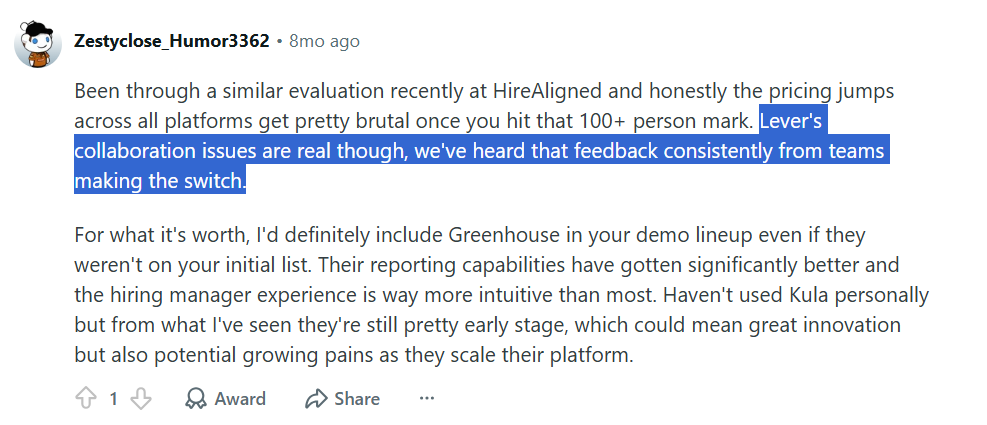
A recent Reddit discussion also highlighted concerns around rising ATS pricing and scaling costs as hiring teams grow larger.
Reddit discussion on ATS pricing and scaling concerns
2. Some teams need stronger AI automation
Modern recruiting teams want AI to handle sourcing, screening, outreach, and scheduling with minimal manual work.
Some businesses explore alternatives because they need deeper automation capabilities that reduce repetitive recruiting tasks and accelerate hiring cycles.
3. Reporting and analytics may feel limited
Hiring leaders increasingly rely on data to improve recruiting performance.
Teams sometimes look for platforms with more customizable dashboards, deeper funnel visibility, and advanced hiring analytics for better decision-making.
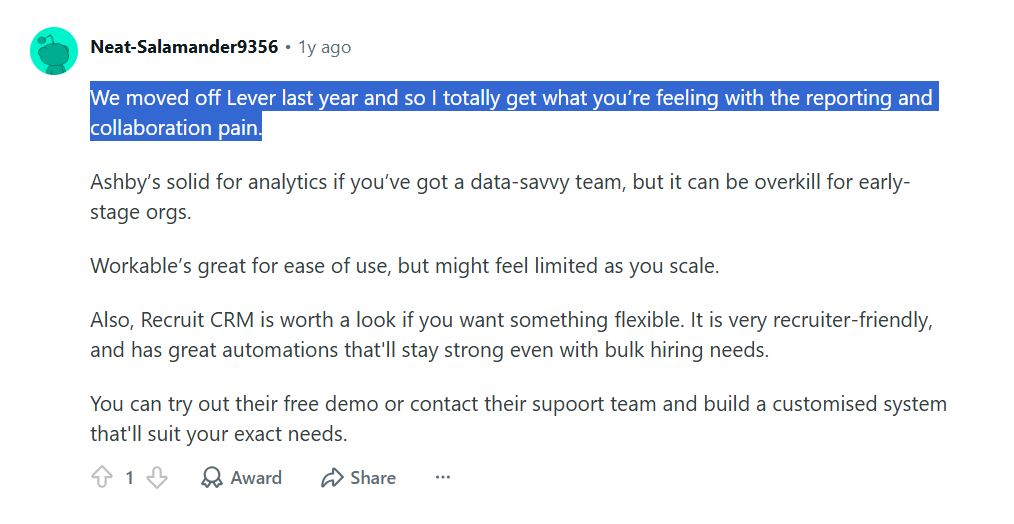
This concern also appears in Reddit discussions where recruiters mention reporting limitations and collaboration challenges while evaluating alternatives to Lever.
Reddit discussion about reporting and collaboration challenges in Lever
4. Custom workflows can require extra setup
Every company has a different hiring process.
For some recruiters, configuring custom workflows, approvals, and automations inside Lever may require additional setup effort as hiring operations become more complex.
5. Integration flexibility matters for scaling teams
Growing companies often use multiple HR and recruiting tools together.
Many teams prefer ATS platforms that offer broader integrations and easier workflow syncing across sourcing, communication, assessment, and onboarding systems.
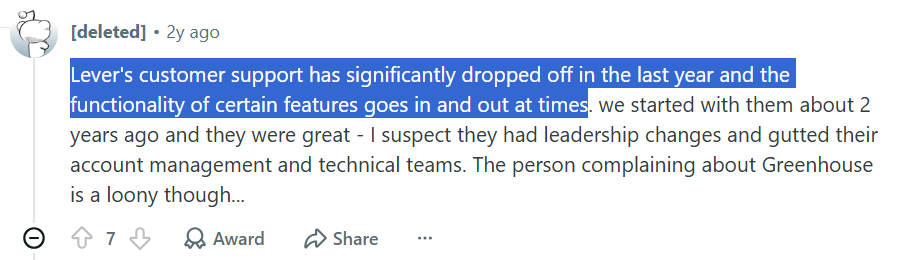
This concern is also reflected in Reddit discussions where recruiters highlight integration challenges and limitations when using ATS platforms like Lever in a multi-tool hiring stack.
Reddit discussion on ATS integration and workflow challenges
9 Best Lever Alternatives Compared
Once companies start evaluating recruiting platforms beyond Lever, the next challenge is finding a solution that matches their hiring volume, workflow complexity, and automation needs.
Some platforms focus on enterprise-level hiring, while others are designed for fast-growing startups that want simpler workflows and better recruiting efficiency.
1. Greenhouse
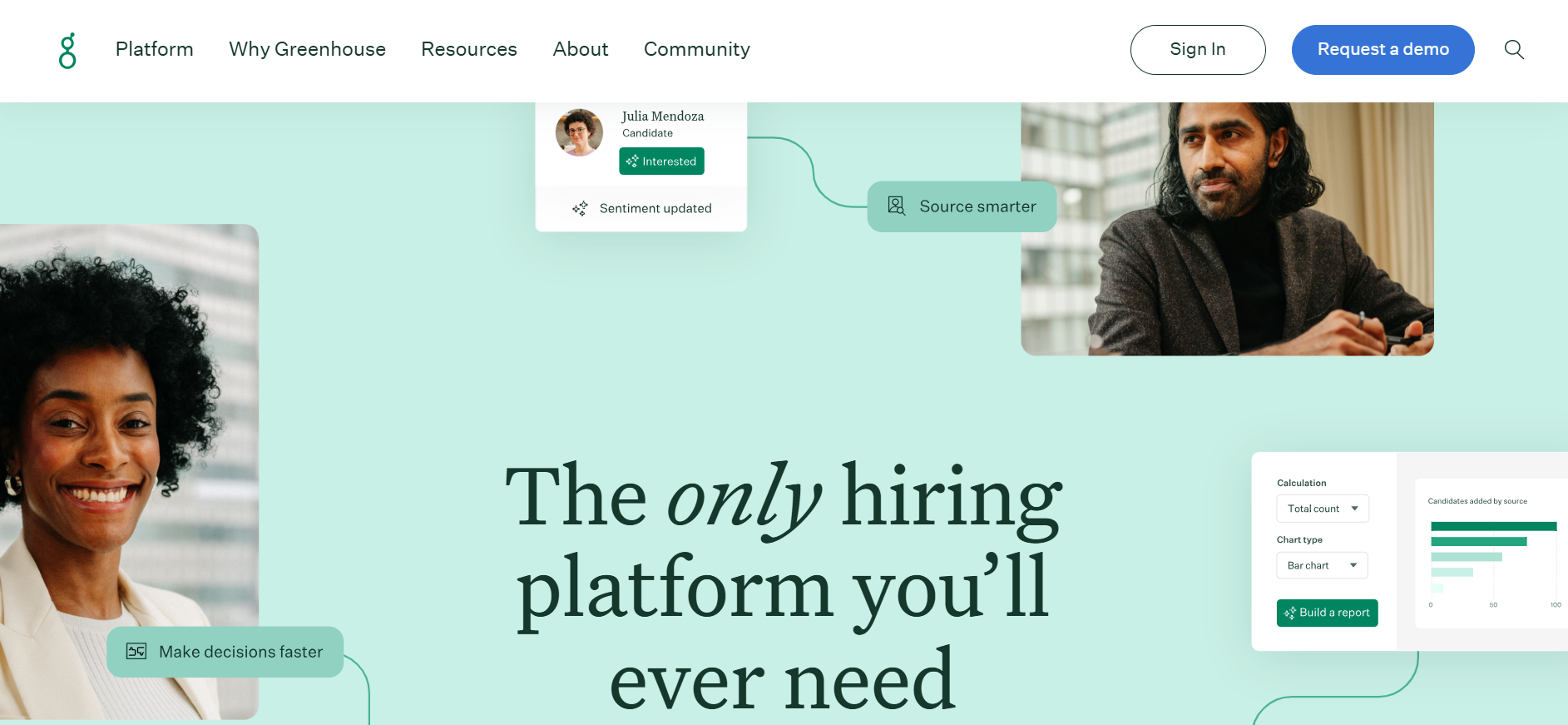
Greenhouse is one of the most popular enterprise recruiting platforms for structured hiring.
It offers strong interview workflows, scorecards, collaboration tools, and extensive integrations, making it a common choice for scaling organizations with larger recruiting teams.
Many companies prefer Greenhouse because of its advanced reporting and customizable hiring pipelines.
However, pricing can become expensive for smaller businesses, especially when additional integrations and advanced features are required.
2. Workable
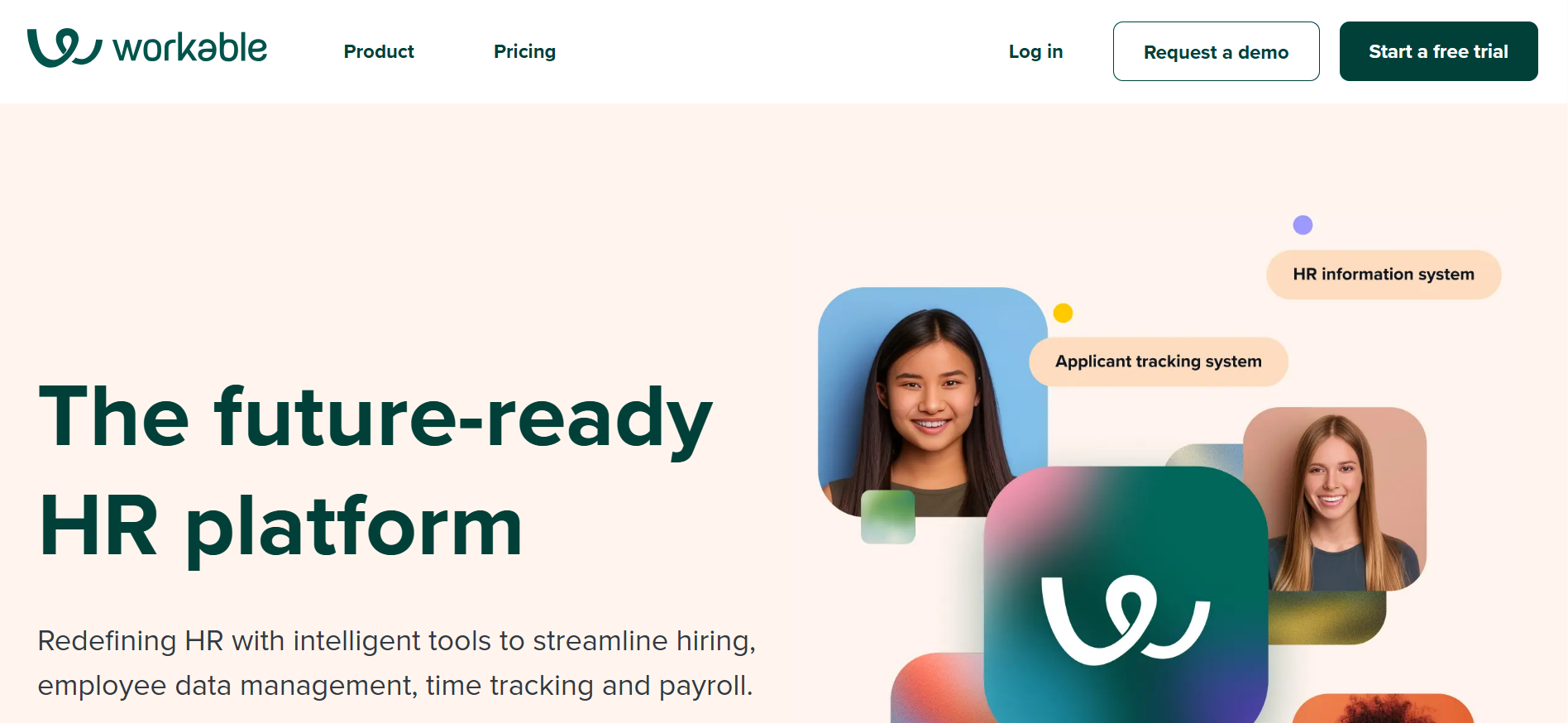
Workable is known for being user-friendly and easy to implement.
It combines applicant tracking, candidate sourcing, interview scheduling, and AI-powered recommendations in a single platform, which makes it attractive for small and mid-sized businesses.
Recruiters often choose Workable because it reduces complexity while still offering automation features that improve hiring speed.
Its built-in sourcing tools and job board distribution also help teams expand candidate reach quickly without relying on multiple external tools.
3. Ashby
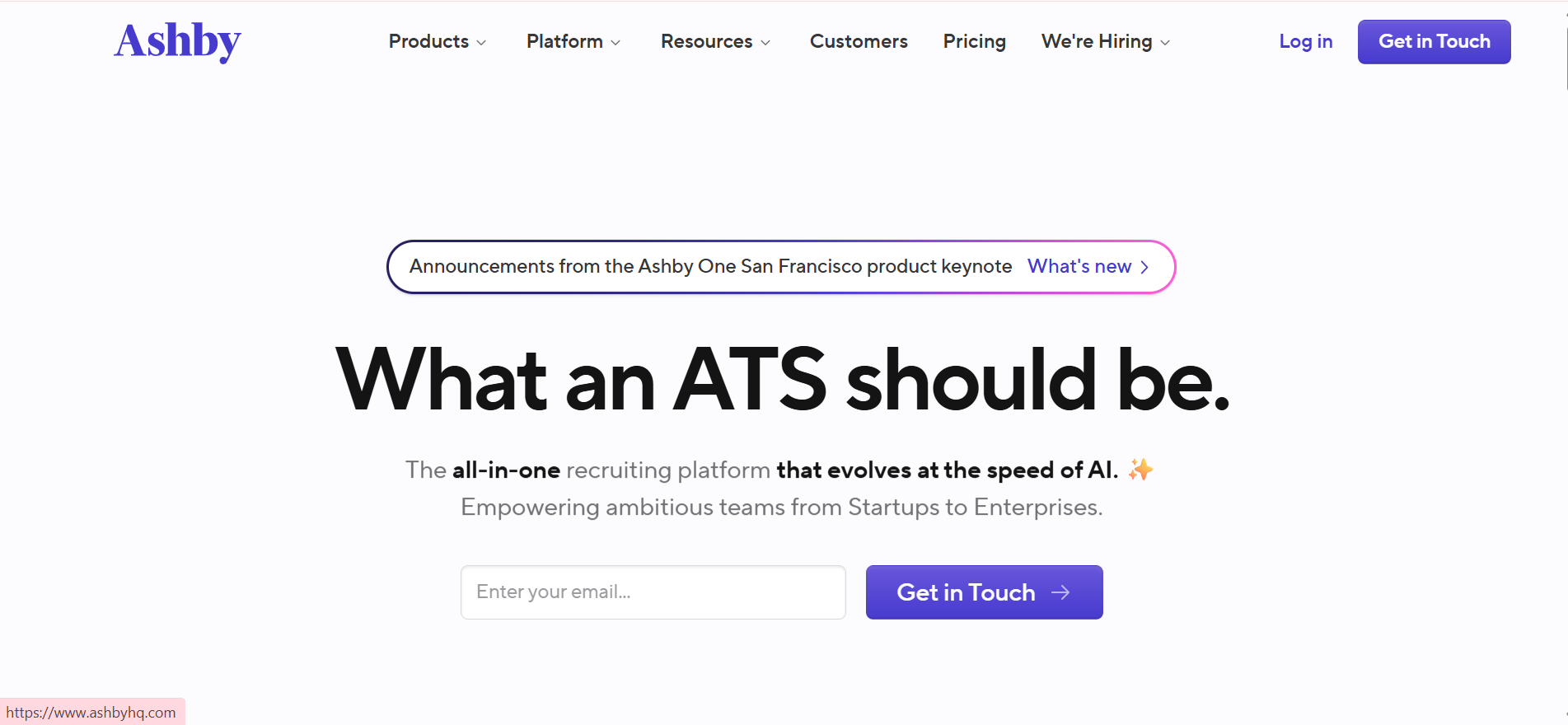
Ashby has gained popularity among high-growth startups and tech companies that want advanced recruiting analytics and workflow automation.
The platform combines ATS functionality with deep reporting capabilities, allowing hiring teams to track pipeline performance and recruiting efficiency more effectively.
Ashby also offers strong automation workflows that reduce manual coordination between recruiters and hiring managers.
For data-driven recruiting teams, the platform provides more flexibility than many traditional ATS systems.
4. Breezy HR
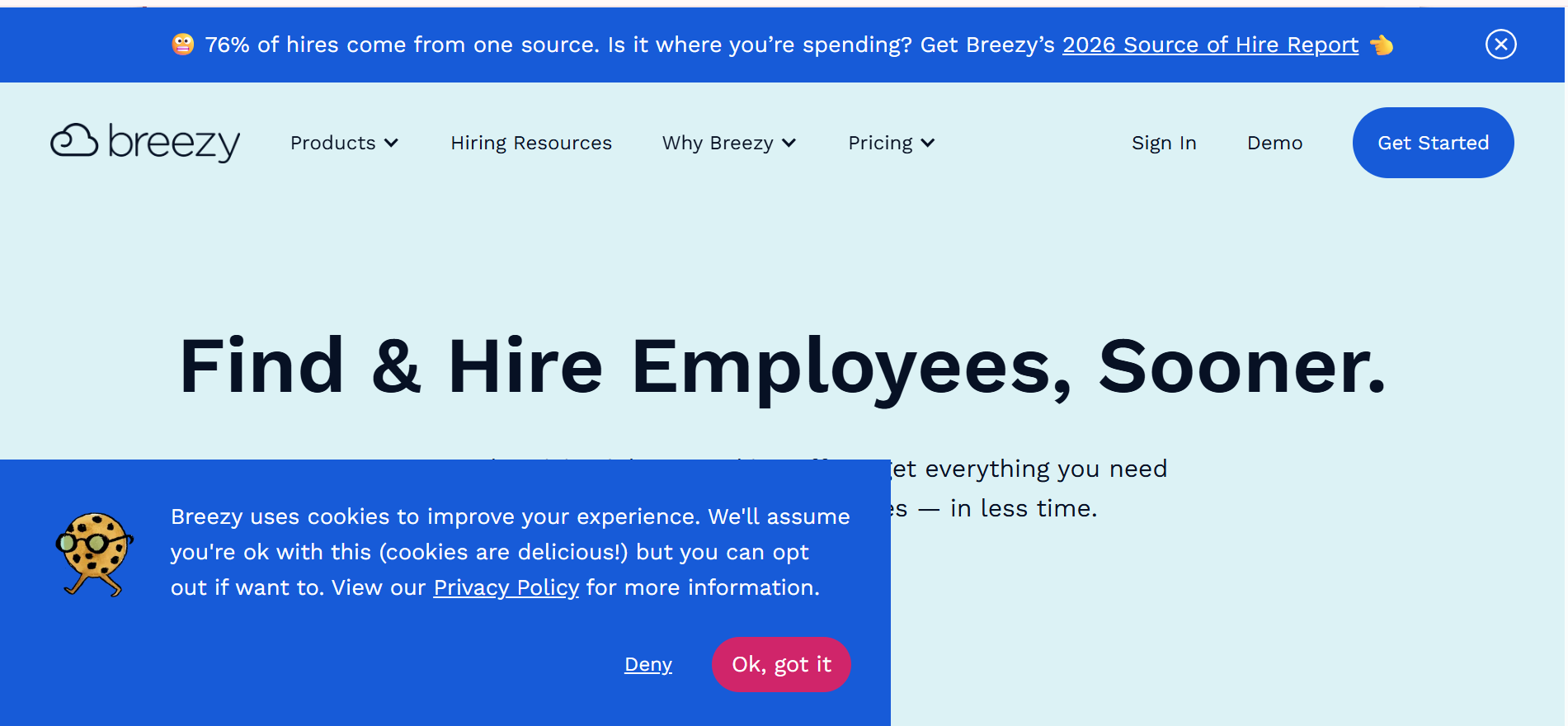
Breezy HR is designed for businesses that want a simpler and more affordable hiring platform.
It provides core ATS functionality, candidate communication tools, interview scheduling, and collaborative hiring workflows without the complexity often seen in enterprise recruiting software.
Small businesses and startups often prefer Breezy HR because the interface is easy to manage and requires minimal onboarding.
While it may not offer the same level of enterprise analytics as larger platforms, it works well for teams focused on improving hiring organization and speed.
5. Teamtailor
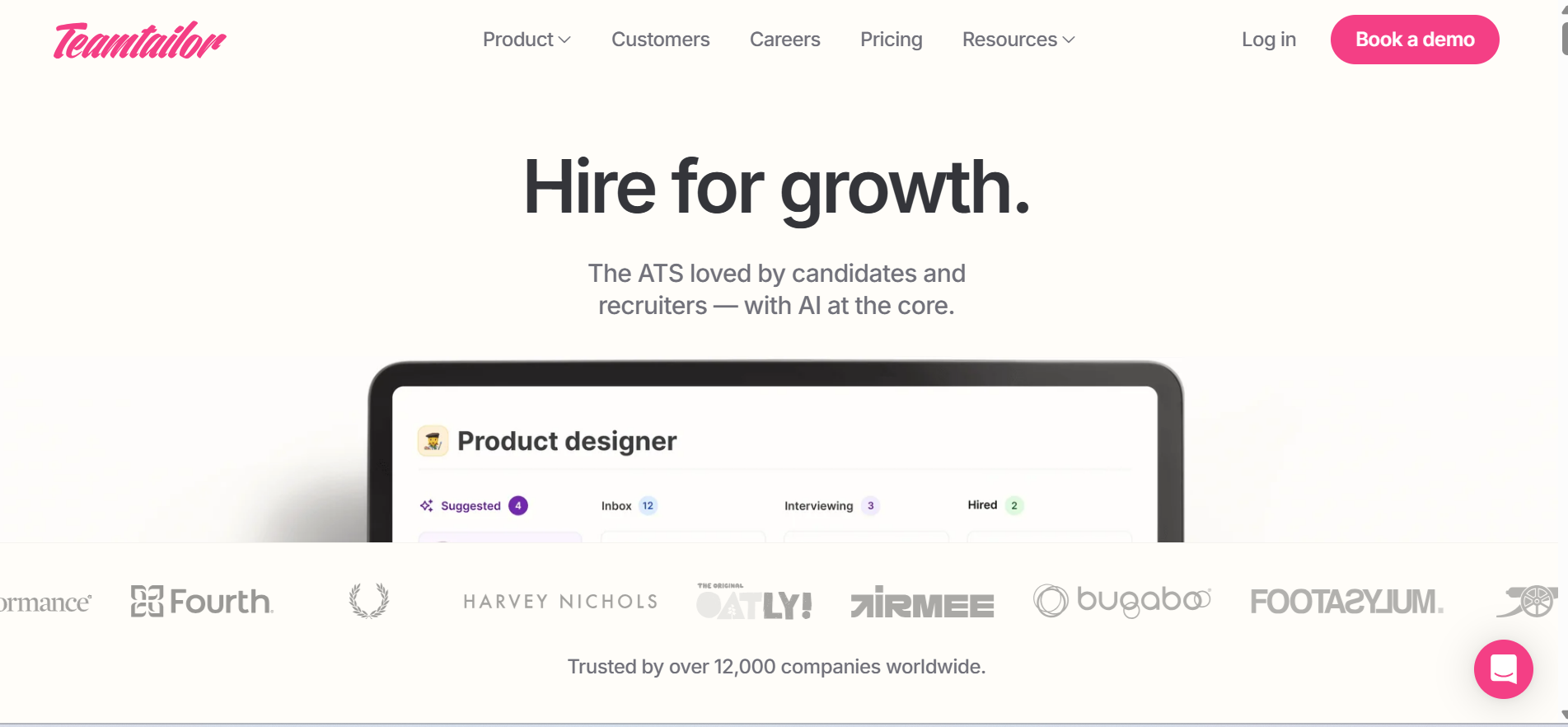
Teamtailor focuses heavily on employer branding and candidate experience.
The platform helps companies create branded career pages, improve candidate engagement, and streamline recruiting workflows from sourcing to hiring.
Many growing companies choose Teamtailor because it combines recruiting automation with strong candidate communication features.
Its modern interface and recruitment marketing tools make it especially useful for businesses competing for talent in highly competitive hiring markets.
6. JazzHR
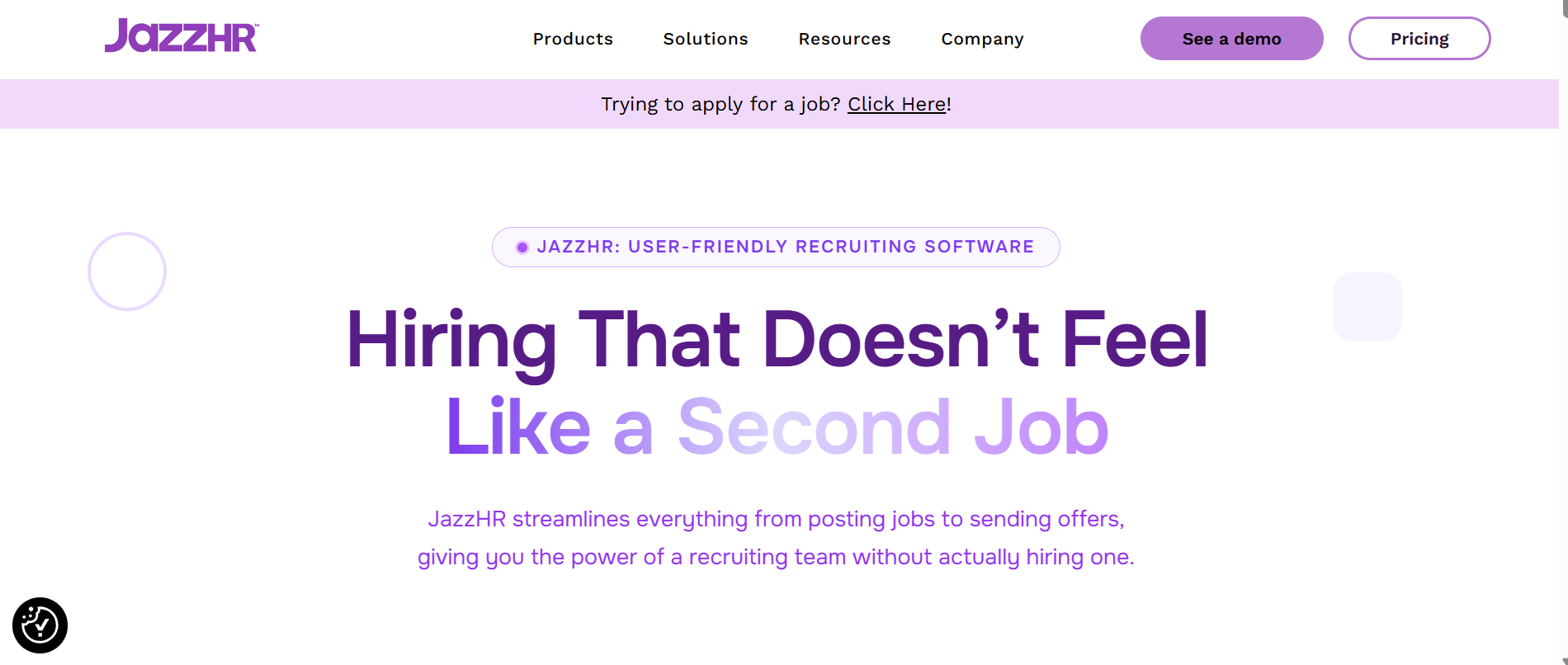
JazzHR is a popular choice for small businesses that want affordable applicant tracking without unnecessary complexity.
The platform offers job posting, interview scheduling, collaborative hiring tools, and customizable workflows that help recruiting teams stay organized as hiring demand increases.
Many companies choose JazzHR because it provides essential ATS functionality at a lower cost compared to enterprise recruiting platforms.
It works particularly well for growing teams that want better hiring structure without investing heavily in advanced enterprise software.
7. Recruitee
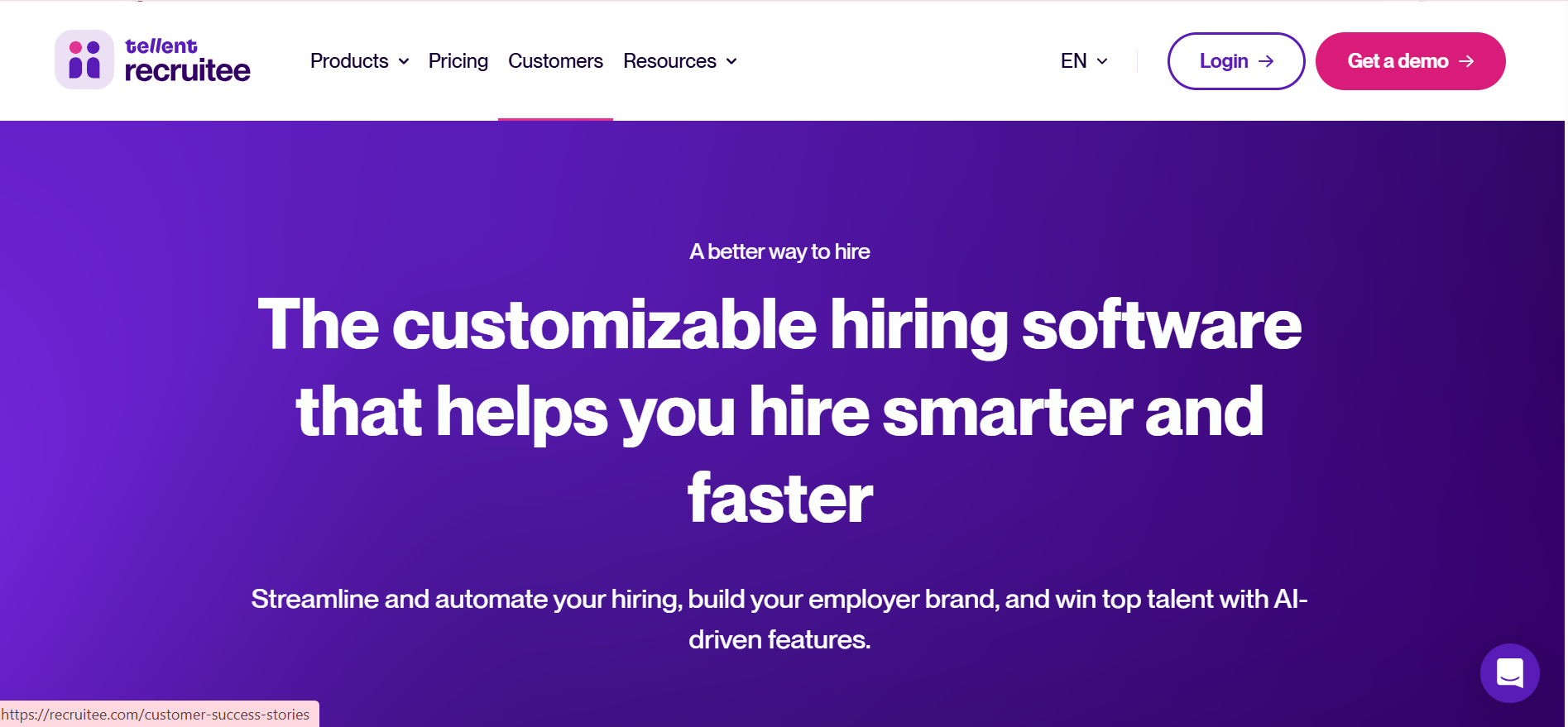
Recruitee focuses on collaborative hiring and workflow automation for modern recruiting teams.
The platform allows recruiters, hiring managers, and interviewers to work together more efficiently through shared pipelines, candidate evaluations, and communication tools.
Recruiting teams often prefer Recruitee because the interface is simple while still offering strong automation and customization capabilities.
Its flexibility makes it useful for businesses scaling hiring operations across multiple departments and locations.
8. iCIMS
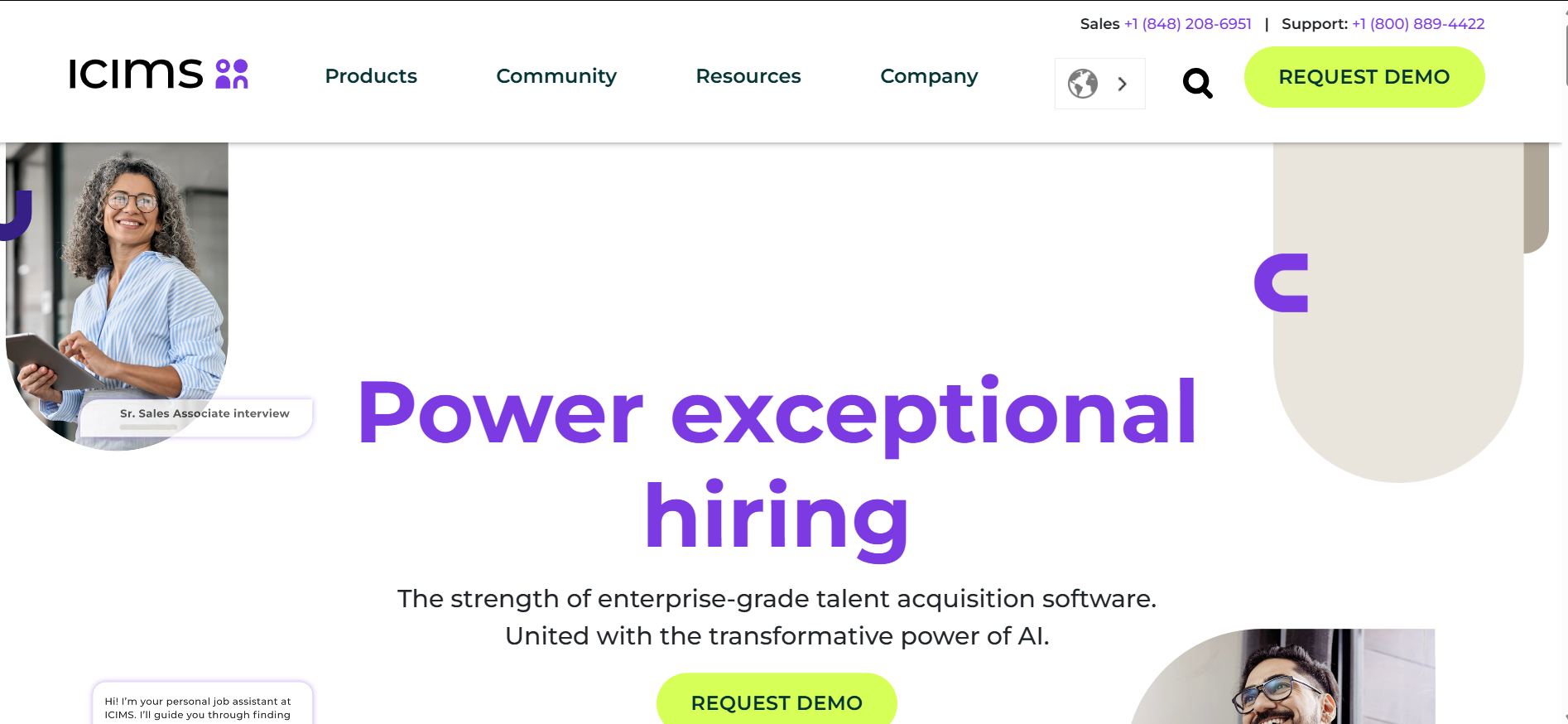
iCIMS is designed primarily for large enterprises with high-volume recruiting needs.
It offers advanced ATS capabilities, CRM functionality, onboarding tools, and AI-driven recruiting features that support complex hiring workflows at scale.
Large organizations often choose iCIMS because of its extensive integrations, compliance support, and enterprise-level customization options.
The platform is especially useful for companies managing large recruiting teams across different regions or business units.
However, implementation and setup can take longer compared to simpler ATS platforms designed for smaller businesses.
9. SmartRecruiters
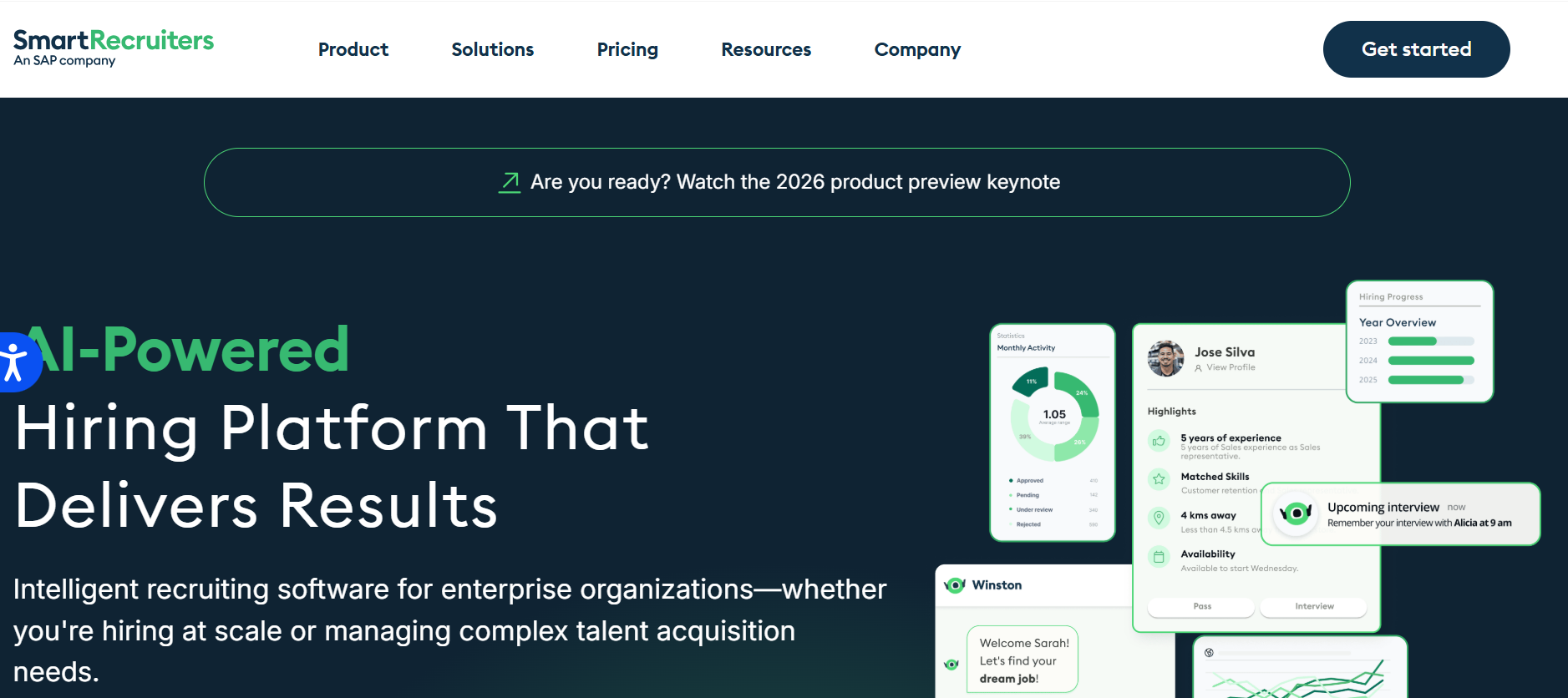
SmartRecruiters positions itself as an end-to-end talent acquisition platform for businesses focused on improving hiring efficiency and candidate experience.
The platform combines applicant tracking, recruitment marketing, interview management, and AI-powered automation into a single hiring system.
Many companies prefer SmartRecruiters because it supports collaborative hiring while also offering strong marketplace integrations and workflow flexibility.
Its modern interface and automation features help recruiters reduce manual tasks and move candidates through the hiring pipeline faster.
For scaling businesses that want enterprise recruiting capabilities with a more modern user experience, SmartRecruiters can be a strong alternative to Lever.
Feature Comparison of the Best Lever Alternatives
After comparing the top platforms, the next step is understanding which features actually impact recruiting performance and hiring ROI.
The best Lever alternatives often separate themselves through automation, analytics, integrations, and candidate experience improvements.
1. ATS Features
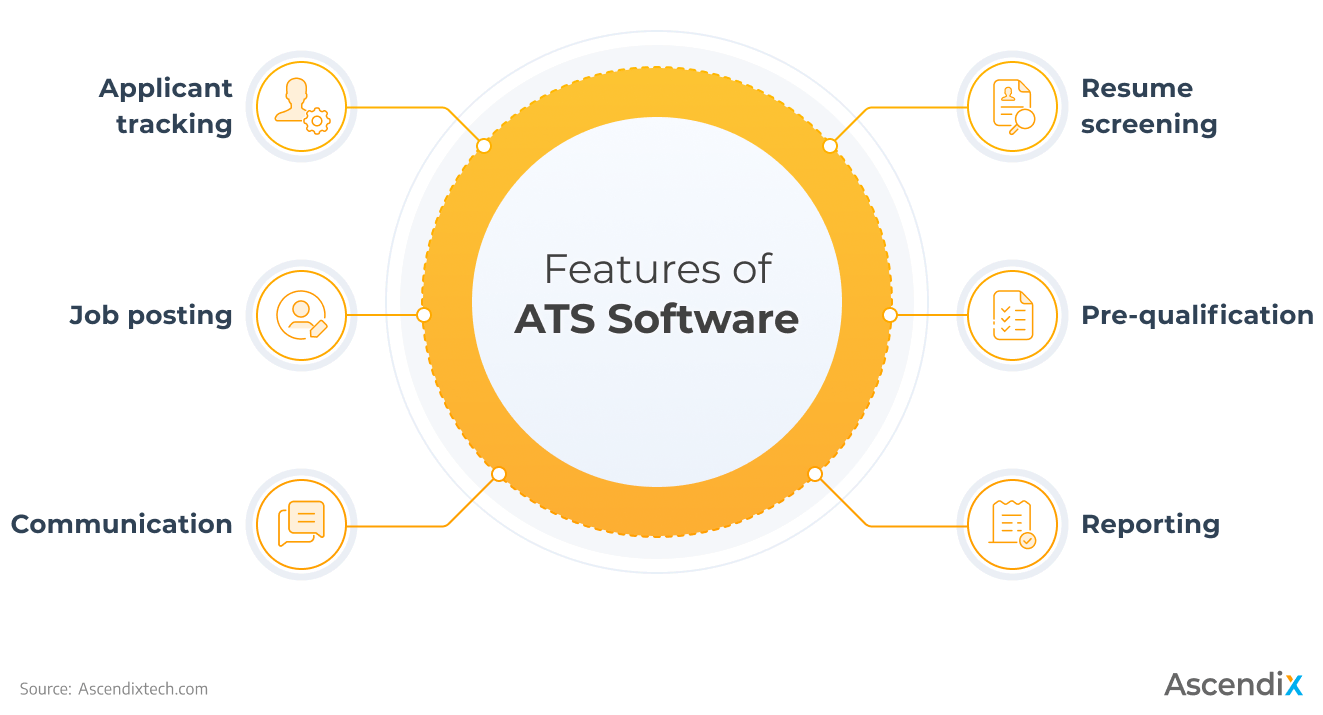
Most modern recruiting platforms include core ATS functionality such as candidate tracking, interview scheduling, hiring pipelines, and collaboration tools.
However, some platforms offer deeper workflow customization, better hiring visibility, and more scalable recruiting infrastructure for growing teams.
2. AI Recruiting Features
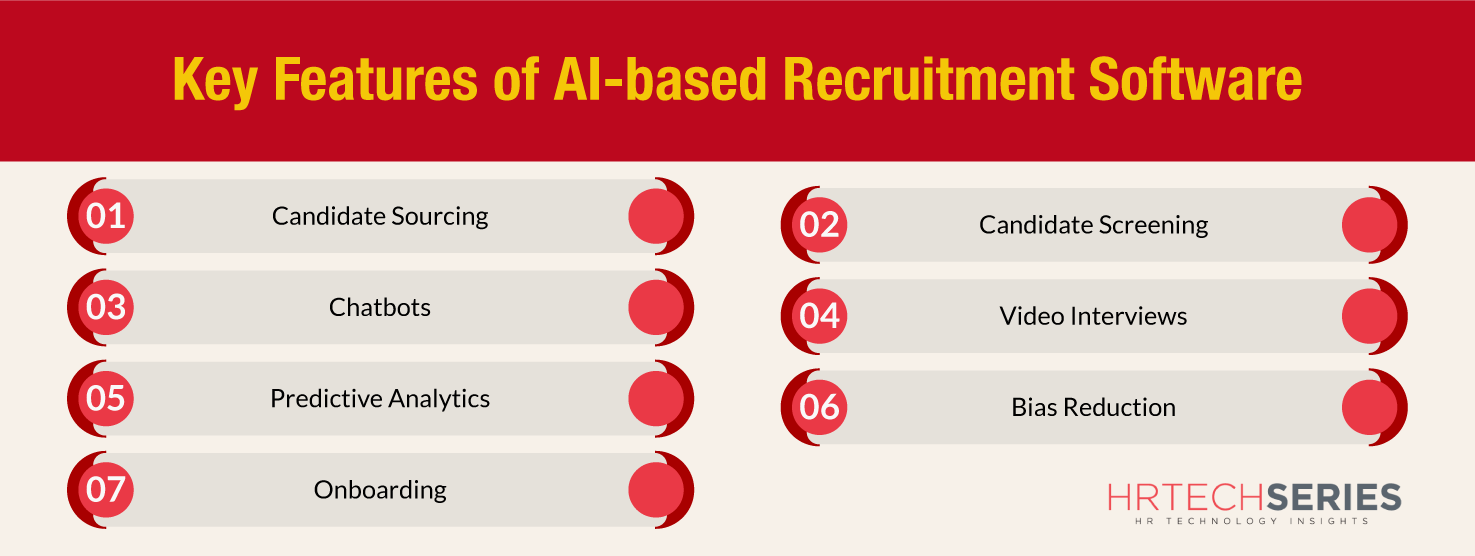
AI recruiting capabilities have become a major differentiator across ATS platforms.
Many companies now prefer tools that support AI-powered sourcing, resume screening, candidate matching, and automated outreach to reduce manual recruiting effort and accelerate hiring decisions.
3. Automation Capabilities
Recruiting automation helps teams save time on repetitive tasks like follow-ups, interview coordination, and candidate communication.
Platforms with stronger automation workflows often improve recruiter productivity while helping hiring teams move candidates through the pipeline faster.
4. Reporting and Analytics
Hiring data plays a critical role in improving recruiting performance.
Advanced analytics features allow recruiters to track pipeline conversion rates, sourcing effectiveness, hiring speed, and recruiter efficiency more accurately.
5. Integrations
Scaling companies typically rely on multiple HR and recruiting tools working together.
Strong ATS integrations help businesses connect sourcing platforms, assessment tools, onboarding systems, calendars, and communication software without creating workflow bottlenecks.
6. Candidate Experience
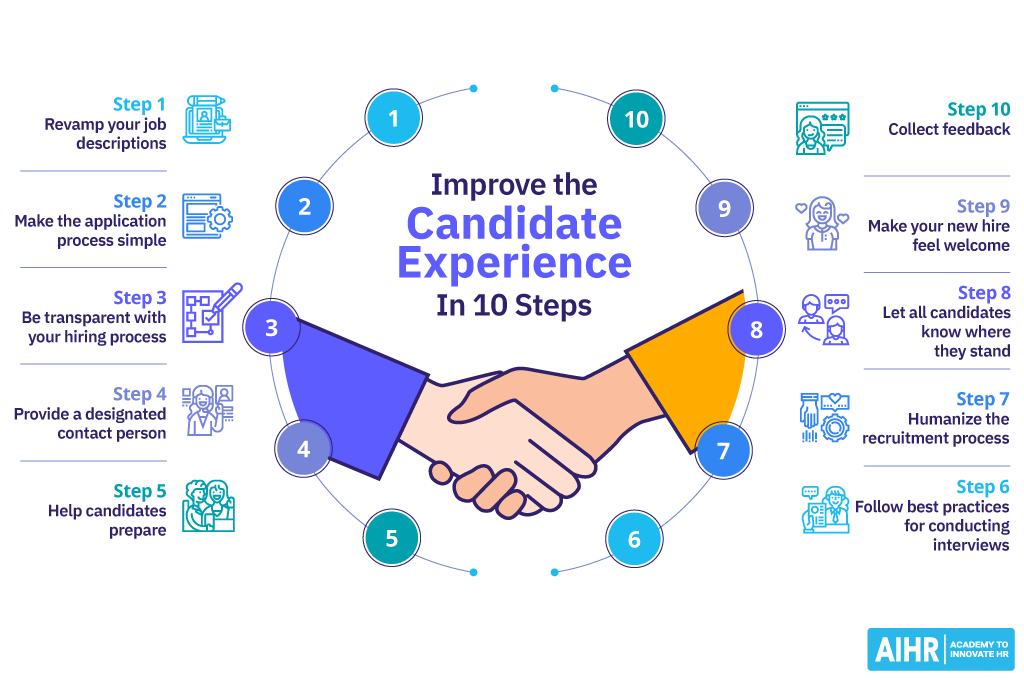
Candidate experience directly affects employer branding and hiring success.
The best recruiting platforms help companies create smoother application processes, faster communication, and more personalized candidate engagement throughout the hiring journey.
Suggested Reading:
Recruitment Automation: Step-by-Step Guide for HR’sHow Leelu.ai Enhances ATS Platforms Like Lever
Many recruiting teams do not want to replace their existing ATS completely.
Instead, they look for AI recruiting tools that can improve sourcing, screening, outreach, and automation while continuing to work alongside platforms like Lever.
That is where Leelu.ai helps recruiting teams improve hiring efficiency without disrupting existing workflows.
1. Faster candidate screening improves hiring speed
Manual resume screening can slow down hiring, especially when recruiters manage hundreds of applications for a single role.
Leelu.ai uses AI-powered resume parsing and candidate scoring to identify qualified candidates faster, helping recruiters reduce shortlisting time significantly.
2. Automated workflows reduce manual recruiting work
Recruiters often spend hours handling repetitive tasks like follow-ups, outreach, scheduling, and status updates.
Leelu.ai automates large parts of the recruiting workflow, helping teams reduce manual effort while keeping candidates engaged throughout the hiring process.
3. AI-powered matching helps recruiters identify qualified candidates
Finding the right candidates quickly becomes harder as hiring volume increases.
Leelu.ai uses AI matching to prioritize candidates based on job fit, skills, and hiring requirements, helping recruiters focus on stronger applicants earlier in the pipeline.
4. Recruiters can improve hiring efficiency without replacing their ATS
Many companies already rely on ATS platforms for hiring operations.
Leelu.ai integrates with existing recruiting systems, allowing teams to add AI automation without changing their core hiring infrastructure.
5. Automation helps growing teams reduce recruiting costs
As companies scale hiring, recruiter workload and operational costs often increase together.
By automating sourcing, screening, and candidate engagement, Leelu.ai helps recruiting teams improve productivity while reducing overall hiring effort.
6. Recruiters spend more time engaging candidates instead of handling repetitive tasks
Automation allows recruiters to focus more on candidate relationships and hiring strategy instead of administrative work.
This improves both recruiter productivity and the overall candidate experience during the hiring journey.
Suggested Reading:
How to Set Up Candidate Engagement Automation for Better HiringConclusion
Choosing the right alternative to Lever depends on your hiring goals, recruiting volume, automation needs, and long-term growth plans.
Some platforms focus on enterprise recruiting, while others prioritize affordability, flexibility, or AI-driven hiring workflows.
The best solution is the one that helps your team hire faster without adding unnecessary complexity.
For companies looking to improve recruiting efficiency even further, platforms like Leelu.ai can enhance existing ATS systems with AI-powered sourcing, screening, automation, and candidate engagement that reduce manual work and accelerate hiring outcomes.
Frequently Asked Questions
1. What is the best alternative to Lever?
The best alternative depends on your hiring size, automation needs, reporting requirements, and budget flexibility for long-term recruiting growth.
2. Which Lever alternative offers the best AI recruiting features?
Ashby and SmartRecruiters offer strong AI automation, workflow optimization, and recruiting analytics capabilities.
3. Are Lever alternatives more affordable for growing companies?
Many platforms like JazzHR and Breezy HR provide lower-cost options for scaling businesses and startups.
4. Which ATS platform is best for enterprise recruiting?
iCIMS and Greenhouse are commonly used by enterprises managing complex, high-volume hiring operations globally.
5. Can recruiters improve hiring without replacing their ATS?
Yes, AI recruiting platforms like Leelu.ai can automate sourcing, screening, outreach, and scheduling while integrating directly with existing ATS systems.


