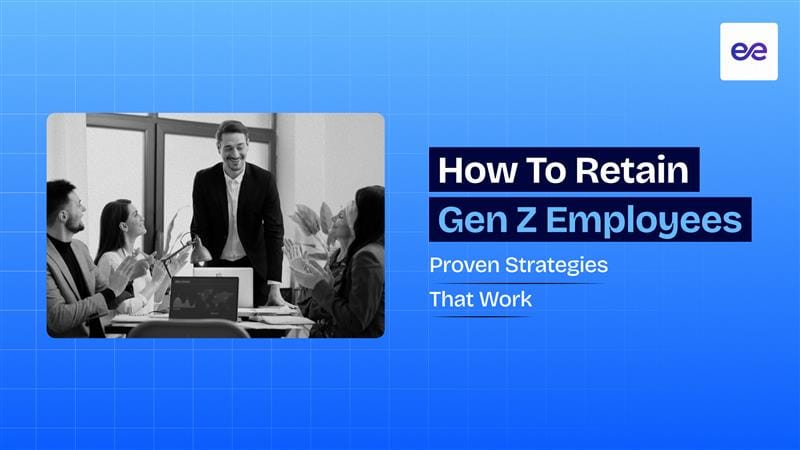
Struggling to keep your Gen Z employees engaged for more than a few months?
You’re not alone. This generation thinks differently about work, growth, and what actually makes a job worth staying for.
What worked for previous generations often falls flat here, leading to higher turnover and constant rehiring pressure.
The good news is—you can fix this with the right approach.
In this guide, you’ll learn:
- What Gen Z truly values at work
- Why traditional retention strategies fail
- 11 proven ways to retain Gen Z employees effectively
Key Factors That Influence Gen Z Employee Retention
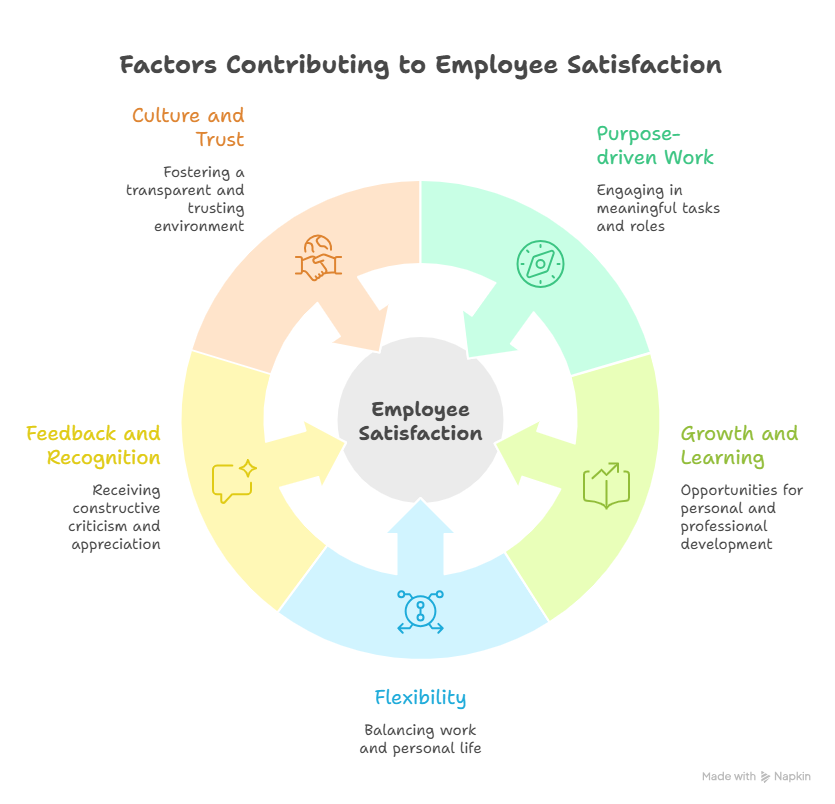
Before you jump into tactics, you need to understand what actually drives Gen Z to stay.
Retention doesn’t improve with surface-level perks.
It improves when you align your workplace with what this generation genuinely values.
1. Purpose-driven work and meaningful roles
Gen Z doesn’t just work for a paycheck.
They want to feel that what they do actually matters in a larger context.
If their role feels repetitive or disconnected from impact, they disengage quickly.
You need to show them how their work contributes to real outcomes, whether it’s business growth, customer success, or a broader mission.
When they see meaning in their work, staying becomes a natural choice.
2. Growth, learning, and career progression
Stagnation is one of the fastest ways to lose Gen Z employees.
They are constantly thinking about what’s next and how they’re improving.
If your workplace doesn’t offer clear learning paths or visible growth opportunities, they’ll start looking elsewhere.
You don’t need complex programs.
Even small things like skill-building projects, mentorship, or clear promotion paths make a big difference.
3. Flexibility and work-life balance
For Gen Z, flexibility is not a perk.
It’s an expectation.
They value control over how and when they work, whether that means remote options, flexible hours, or outcome-based performance.
Rigid schedules and outdated work models feel restrictive to them.
When you offer flexibility, you show trust.
And that trust directly impacts retention.
4. Continuous feedback and recognition
Annual reviews don’t work for Gen Z.
They prefer ongoing conversations over once-a-year evaluations.
They want to know how they’re doing, where they can improve, and when they’re doing something right.
Regular feedback keeps them engaged.
Recognition, even small and frequent, makes them feel seen and valued.
5. Culture, transparency, and leadership trust
Gen Z pays close attention to workplace culture.
They want honesty, openness, and leaders they can trust.
If communication feels vague or decisions seem unclear, it creates distance.
You need to be transparent about goals, challenges, and expectations.
When leadership is approachable and clear, it builds confidence—and that plays a huge role in retention.
11 Proven Strategies to Retain Gen Z Employees
Now that you understand what drives Gen Z, the next step is turning those expectations into action.
Retention improves when your workplace actively supports how they want to work, grow, and feel valued.
Here are proven strategies that help you retain Gen Z employees in a practical, sustainable way.
1. Create clear growth and career development paths
Gen Z wants to know where they are heading from day one.
If the path feels unclear, they assume there isn’t one.
You need to define what growth looks like in your organization, not just in titles but in skills and responsibilities.
Break down progression into visible milestones so they can track their journey.
When employees can see their future with you, they are far more likely to stay.
2. Offer continuous learning and upskilling opportunities
Learning is not optional for Gen Z.
It’s a core reason they choose to stay or leave.
They are constantly looking to build new skills, whether it’s technical expertise, communication, or leadership.
You can support this through:
- Access to courses and certifications
- Cross-functional projects
- Internal knowledge-sharing sessions
When learning becomes part of everyday work, employees feel like they are evolving, not just working.
3. Build a strong and authentic company culture
Gen Z can quickly sense when culture is just a statement on a website.
They care about how things actually feel day to day.
A strong culture is built through consistent actions, not just values written in a handbook.
Focus on:
- Open communication across teams
- Inclusive and respectful work environments
- Leaders who genuinely listen and act
When your culture feels real and not performative, employees build trust—and that trust is what keeps them around.
4. Provide regular feedback instead of annual reviews
Waiting months to give feedback doesn’t work for Gen Z.
They prefer real-time input that helps them adjust and improve as they go.
You should create a system where feedback is ongoing and natural, not formal and delayed.
Short check-ins, quick comments, and consistent guidance keep them engaged and confident in their role.
5. Enable flexible work environments
Flexibility directly impacts how long Gen Z stays with you.
They value the ability to work in ways that suit their lifestyle and productivity.
This could mean remote work, hybrid setups, or flexible hours based on outcomes.
When you focus on results instead of rigid schedules, you build trust and increase retention.
6. Align roles with purpose and impact
Gen Z needs to see why their work matters.
If tasks feel disconnected from real outcomes, motivation drops quickly.
You should regularly connect their responsibilities to business goals or customer impact.
When they understand the “why” behind their work, they feel more invested in staying.
7. Improve manager-employee communication
Your managers play a huge role in retention.
Gen Z expects managers to be approachable, clear, and supportive.
Poor communication often leads to confusion and disengagement.
Encourage regular one-on-one conversations where employees can openly share ideas, concerns, and goals.
8. Recognize and reward contributions frequently
Recognition doesn’t need to be big to be effective.
Small, timely appreciation can make a strong impact.
Gen Z wants to feel seen for the work they do, not overlooked.
You can build simple habits like shoutouts, team acknowledgments, or quick appreciation messages.
Consistent recognition builds a sense of value and belonging.
9. Personalize the employee experience
A one-size-fits-all approach doesn’t work anymore.
Gen Z expects experiences that match their individual goals and preferences.
This includes how they learn, grow, and even how they are managed.
You can personalize by understanding their career goals, strengths, and working styles.
When employees feel understood, they are more likely to stay committed.
10. Leverage technology to improve engagement
Gen Z is comfortable with technology and expects it to be part of their work experience.
Outdated tools or manual processes can frustrate them and slow them down.
You should invest in tools that make collaboration, communication, and workflows smoother.
When work feels efficient and modern, engagement naturally improves.
11. Actively listen to employee feedback and act on it
Collecting feedback is not enough.
Gen Z pays attention to whether their input actually leads to change.
If feedback is ignored, trust breaks quickly.
You need to close the loop by acting on insights and communicating what changes are being made.
When employees see their voice making an impact, they feel valued and are more likely to stay.
Suggested Reading:
15 Best Employee Retention Strategies for HR LeadersHow to Choose the Right Retention Strategy for Your Team
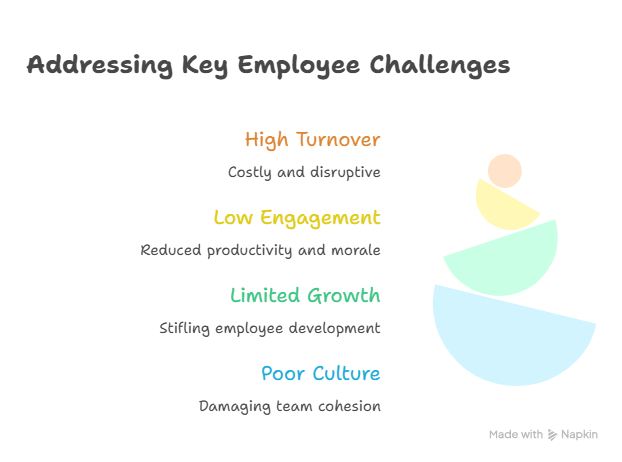
Not every retention strategy works the same way for every team.
What matters is identifying where your biggest gap is and solving that first.
When you match the right strategy to the right problem, retention becomes much easier to improve.
1. If your biggest challenge is high turnover
If employees are leaving quickly, your focus should be on early-stage experience.
Look at what happens in the first 30 to 90 days.
Are expectations clear?Do employees feel supported?Is there a clear path ahead?
You should strengthen onboarding, define role clarity, and introduce early feedback loops.
Fixing the initial experience often reduces turnover faster than long-term initiatives.
2. If employees lack engagement or motivation
Low engagement usually means employees don’t feel connected to their work.
This is where purpose, recognition, and communication play a big role.
You can improve this by:
- Linking daily work to real outcomes
- Recognizing contributions more frequently
- Creating space for open conversations
When employees feel involved and valued, motivation starts to build naturally.
3. If growth and learning opportunities are limited
When employees don’t see growth, they start planning their exit.
This is especially true for Gen Z.
You should focus on building visible learning and career paths.
Introduce:
- Skill development programs
- Mentorship opportunities
- Clear progression frameworks
Even small, consistent growth opportunities can significantly improve retention.
4. If you want to improve culture and communication
Culture issues often show up as misalignment, confusion, or lack of trust.
Fixing this requires consistent effort from leadership and managers.
Start by improving transparency and communication across teams.
Encourage regular check-ins, open discussions, and honest feedback.
When communication improves, culture becomes stronger—and retention follows.
How Leelu Helps You Improve Retention Through Better Hiring and Engagement
- Helps you hire the right-fit candidates from the start using AI matching, reducing early attrition
- Speeds up hiring cycles so you don’t lose high-intent candidates to delays
- Screens and ranks candidates accurately, improving quality of hires and long-term retention
- Enables personalized outreach, helping you engage candidates better from the first interaction
- Automates follow-ups and communication, ensuring no candidate feels ignored or disconnected
- Creates a smoother candidate experience, which directly impacts how employees perceive your company after joining
- Reduces recruiter workload, allowing more focus on employee engagement and relationship-building
- Provides unified candidate data, helping you make better hiring decisions with full context
- Supports consistent communication throughout the hiring journey, setting the right expectations early
- Improves overall hiring efficiency, leading to better team alignment and stronger workplace stability
Common Mistakes Companies Make When Trying to Retain Gen Z
Even with the right intentions, many companies struggle with retention because they focus on the wrong things.
Avoiding these common mistakes can make your retention efforts far more effective.
1. Relying only on compensation to retain employees
Salary matters, but it’s not the main reason Gen Z stays.
If the role lacks growth, purpose, or flexibility, higher pay won’t fix the problem.
You need to look beyond compensation and focus on the overall work experience.
2. Ignoring career growth and development needs
Gen Z is always thinking about what they are learning next.
If they don’t see clear growth opportunities, they assume they’ve hit a dead end.
Without continuous development, even satisfied employees start planning to leave.
3. Using outdated communication and feedback systems
Annual reviews and formal communication channels feel too slow and disconnected.
Gen Z prefers quick, transparent, and ongoing conversations.
If your communication style feels outdated, engagement drops quickly.
4. Not acting on employee feedback
Collecting feedback without action creates frustration.
Gen Z pays attention to whether their voice leads to real change.
If nothing improves after feedback is shared, trust breaks and retention suffers.
5. Treating retention as a one-time effort
Retention is not something you fix once and forget.
It requires continuous attention as employee expectations evolve.
Companies that treat retention as an ongoing process build stronger, more stable teams over time.
Suggested Reading:
12 Gen Z Hiring Challenges & Difficulties Employers Face TodayKey Takeaways
Retaining Gen Z employees requires more than traditional approaches.
You need to focus on what truly matters to them—purpose, growth, flexibility, and continuous communication.
Clear career paths, regular feedback, and meaningful work play a major role in keeping them engaged.
At the same time, avoiding common mistakes like relying only on compensation or ignoring feedback is equally important.
The key is to treat retention as an ongoing process, not a one-time fix.
When you align your workplace with these expectations, you create an environment where Gen Z employees choose to stay and grow.
Frequently Asked Questions
1. Why is it hard to retain Gen Z employees?
Gen Z has different expectations from work compared to previous generations.
They prioritize growth, flexibility, purpose, and continuous feedback over just salary.
If these expectations are not met, they are more likely to switch jobs quickly.
2. What motivates Gen Z employees to stay longer?
They stay when they see clear career growth, meaningful work, and a supportive environment.
Regular feedback, recognition, and flexibility also play a big role in their decision to stay.
3. How important is flexibility for Gen Z retention?
Flexibility is not optional for Gen Z.
They expect control over how and when they work, whether through remote options or flexible schedules.
Lack of flexibility often leads to disengagement and higher turnover.
4. Do higher salaries improve Gen Z retention?
Higher salaries can attract Gen Z, but they don’t guarantee retention.
If the job lacks growth, purpose, or a good work environment, employees will still leave.
5. How can managers improve Gen Z retention?
Managers should focus on clear communication, regular feedback, and being approachable.
Building trust and supporting employee growth are key to keeping Gen Z engaged.
6. What is the biggest mistake companies make with Gen Z retention?
One of the biggest mistakes is treating retention as a one-time effort.
Companies often fail to continuously adapt to changing expectations, which leads to long-term retention issues.