
Hiring a sales manager can directly impact how fast your team grows, how consistently targets are achieved, and how motivated your sales representatives remain over time.
The challenge is that great salespeople do not always become great sales managers. Choosing the wrong candidate can lead to poor team performance, missed revenue goals, and costly turnover.
In this guide, you'll learn:
- Why hiring the right sales manager is critical for business growth
- The key traits that separate strong sales leaders from average managers
- Interview questions that reveal real leadership ability
- How to evaluate candidate answers effectively
- Common hiring mistakes and how to avoid them
Why Hiring the Right Sales Manager Matters
A sales manager does much more than oversee daily sales activities. They set the direction for the team, create accountability, and help sales representatives perform at their best.
The right hire can strengthen your entire sales organization, while the wrong one can slow growth and create challenges that affect both revenue and team morale.
1. The Impact of a Strong Sales Manager on Team Performance
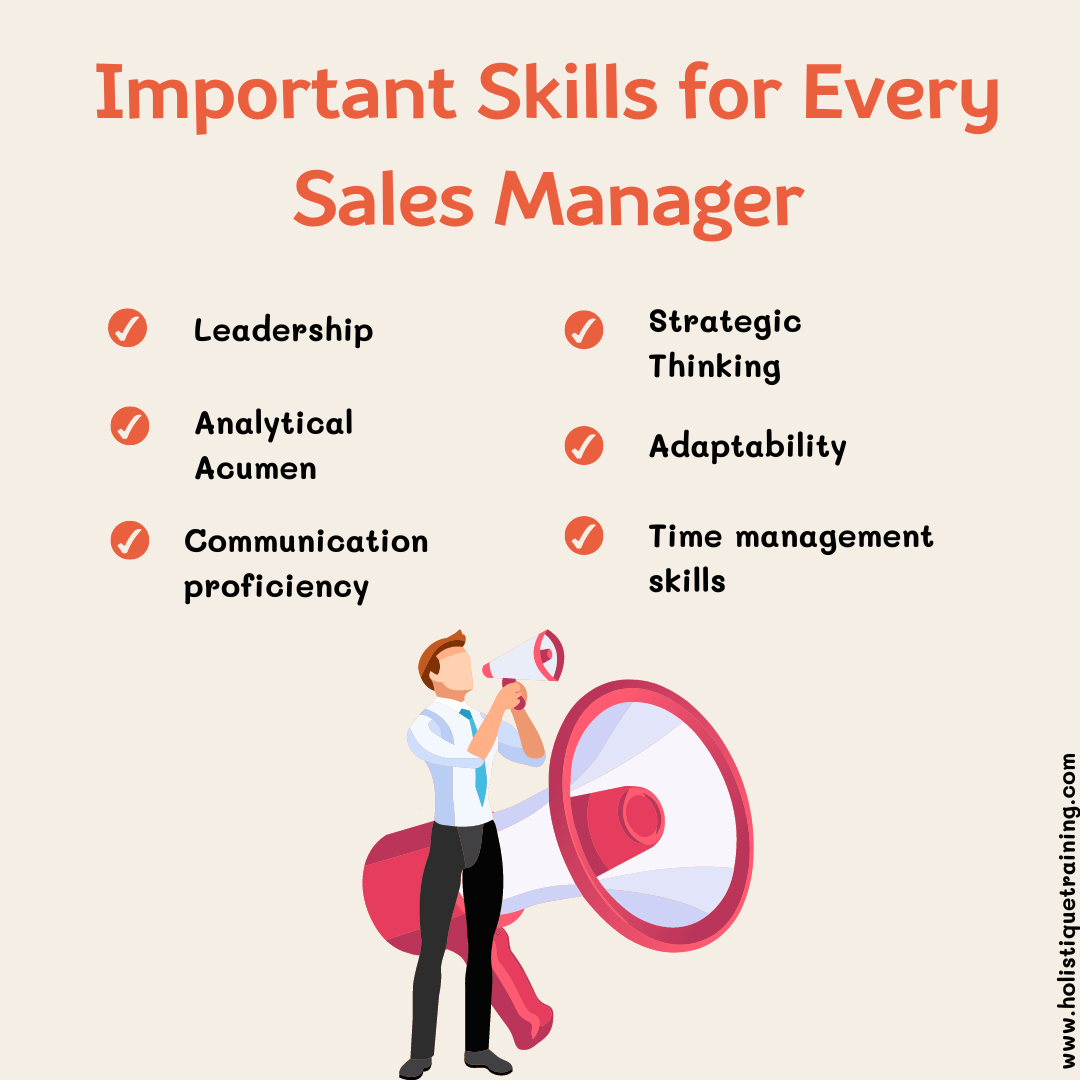
A strong sales manager helps sales representatives improve their skills, stay motivated, and consistently achieve targets.
They provide coaching, identify performance gaps, and create processes that keep the team focused on the right priorities.
Beyond hitting numbers, great sales managers build a culture of accountability and continuous improvement that drives long-term success.
2. The Cost of Hiring the Wrong Sales Manager
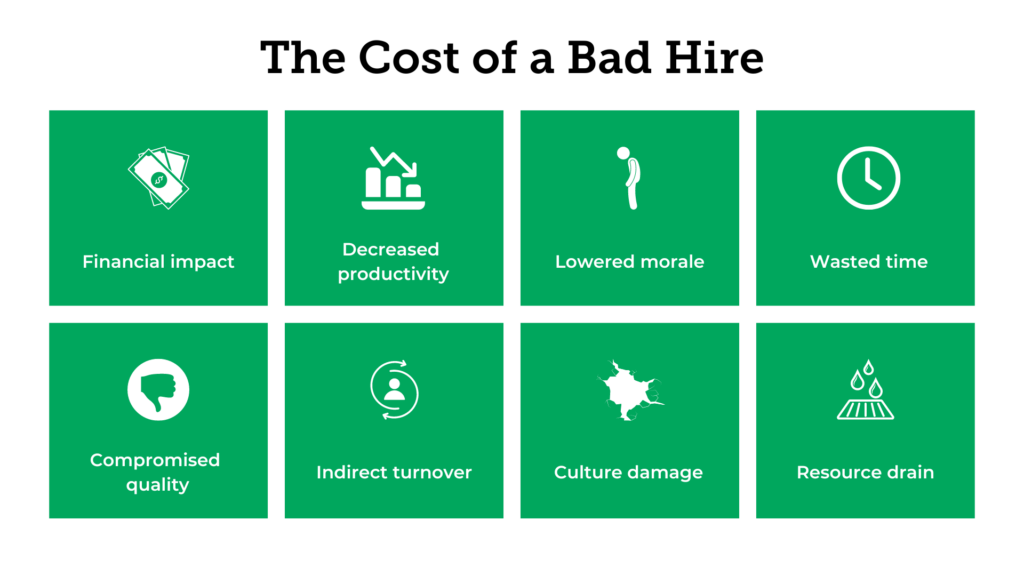
Hiring the wrong sales manager can be expensive in ways that go beyond salary costs.
Poor leadership often leads to lower productivity, missed sales goals, higher employee turnover, and reduced team engagement.
Over time, these issues can impact customer relationships and revenue growth, making a bad hiring decision far more costly than most companies initially expect.
Key Traits to Look for in a Sales Manager
Once you understand why the role matters, the next step is knowing what separates an average sales manager from an exceptional one.
While industry knowledge and sales experience are valuable, the best sales managers stand out because of the way they lead, coach, and influence their teams.
1. Proven Leadership Skills
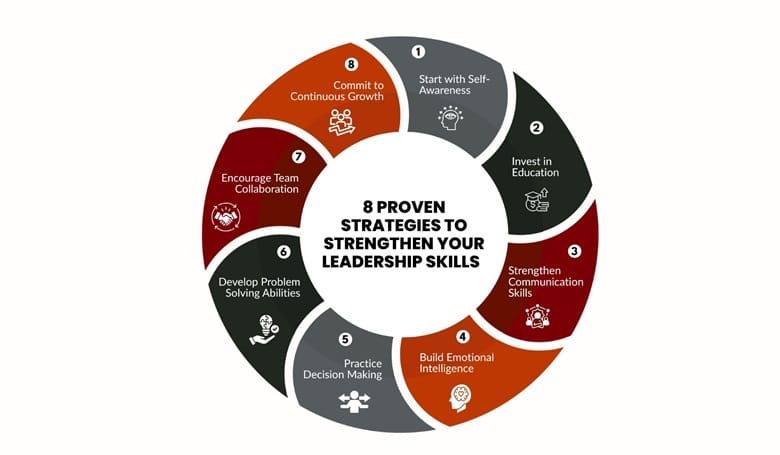
A sales manager should be able to guide people toward a common goal while creating trust and accountability within the team.
Strong leaders set clear expectations, make confident decisions, and inspire sales representatives to perform at their highest level, especially during challenging periods.
2. Strong Coaching and Mentoring Ability
Managing a sales team is not just about tracking numbers. It is about helping people improve.
Great sales managers regularly coach team members, identify skill gaps, and provide constructive feedback. They focus on developing future top performers rather than simply monitoring results.
3. Excellent Communication Skills
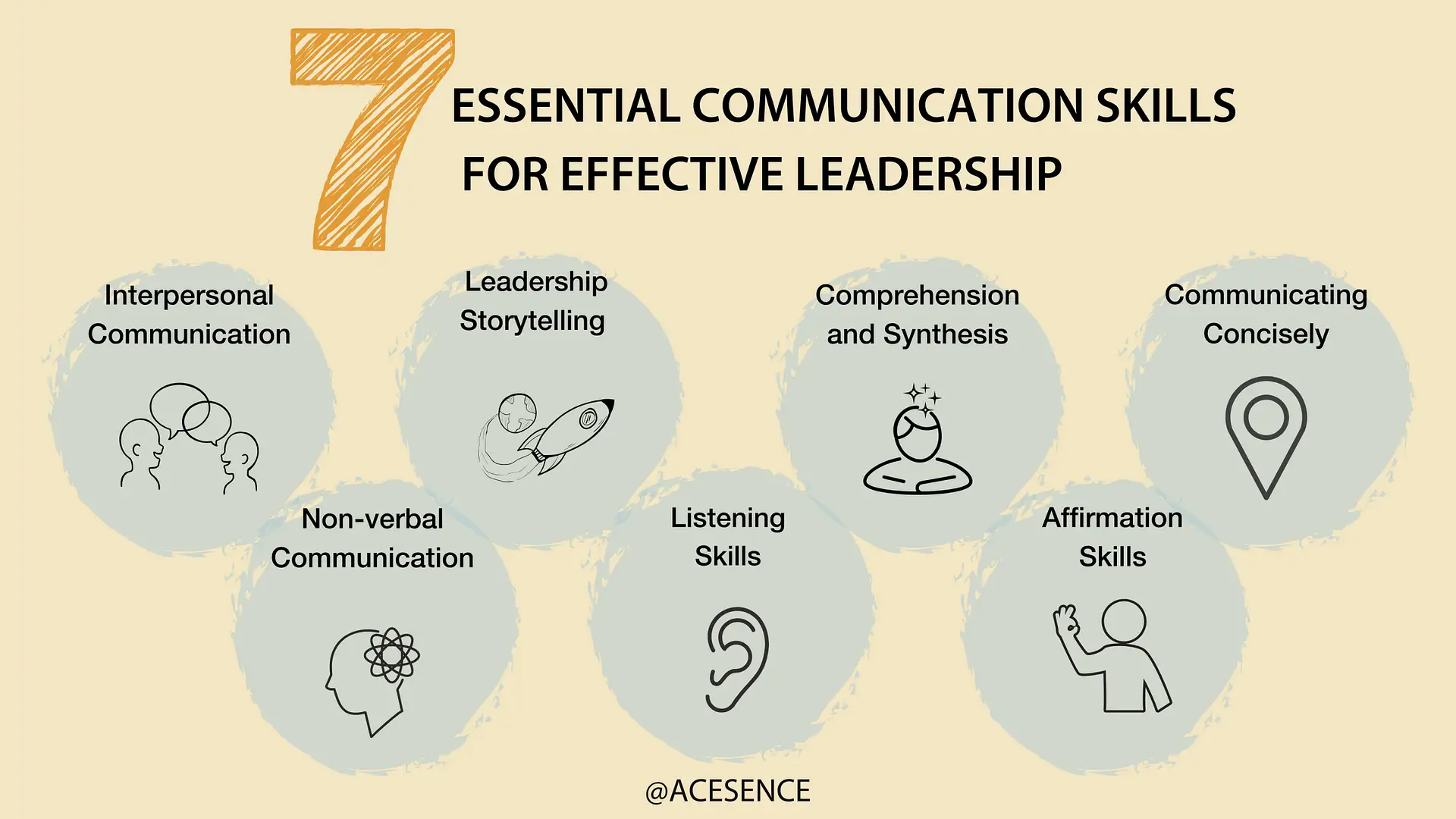
Clear communication keeps sales teams aligned and productive.
A successful sales manager can explain goals, deliver feedback, resolve misunderstandings, and motivate employees effectively. They also know how to adjust their communication style based on different personalities and situations.
4. Data-Driven Decision Making
Modern sales teams generate large amounts of performance data.
The best sales managers know how to use metrics, reports, and pipeline insights to make informed decisions. Instead of relying solely on instinct, they use data to identify opportunities, forecast results, and improve team performance.
5. Accountability and Ownership
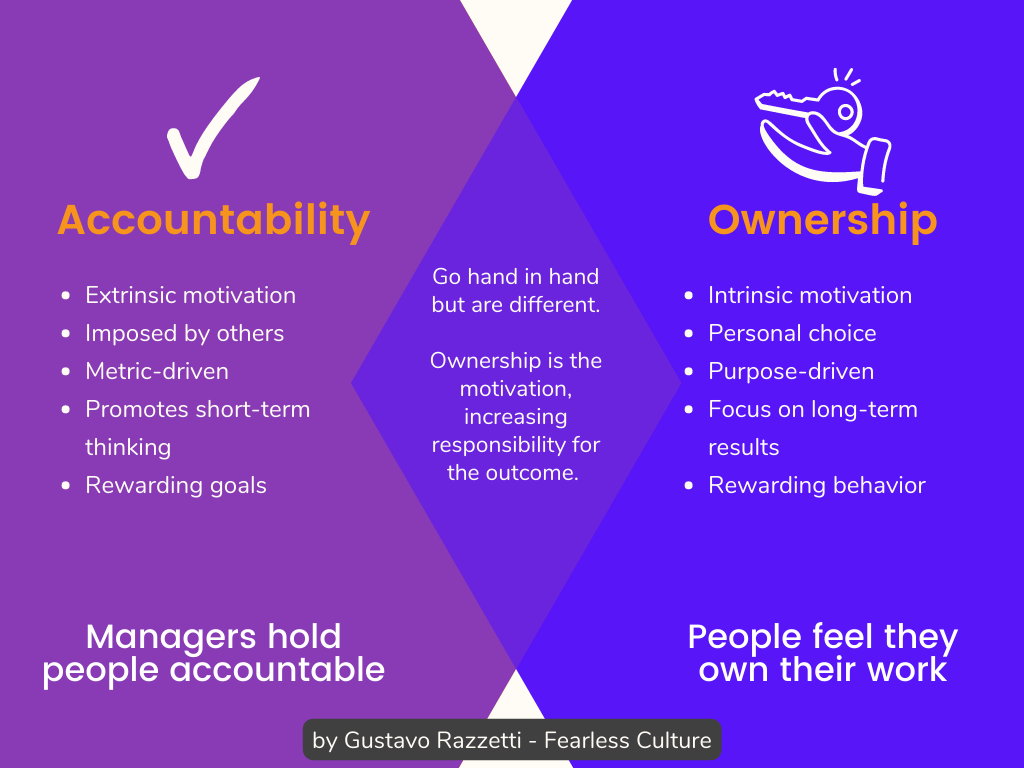
Strong sales managers take responsibility for both successes and setbacks.
When targets are missed, they focus on finding solutions rather than assigning blame. This mindset creates a culture where team members also take ownership of their responsibilities and outcomes.
6. Strategic Thinking
Sales management requires more than achieving short-term targets.
Effective managers understand how daily activities connect to larger business objectives. They develop plans that support long-term growth while ensuring the team stays focused on immediate priorities.
7. Adaptability and Problem-Solving Skills

Sales environments can change quickly due to market conditions, customer behavior, or business priorities.
A great sales manager remains flexible, adjusts strategies when needed, and helps the team navigate challenges without losing momentum. Their ability to solve problems quickly often determines how well the team performs under pressure.
8. Emotional Intelligence
Sales is a people-driven function, which makes emotional intelligence a critical leadership skill.
Managers with high emotional intelligence understand team dynamics, recognize employee concerns, and build stronger relationships. This helps create a positive work environment where employees feel supported and motivated.
9. Team-Building Capability
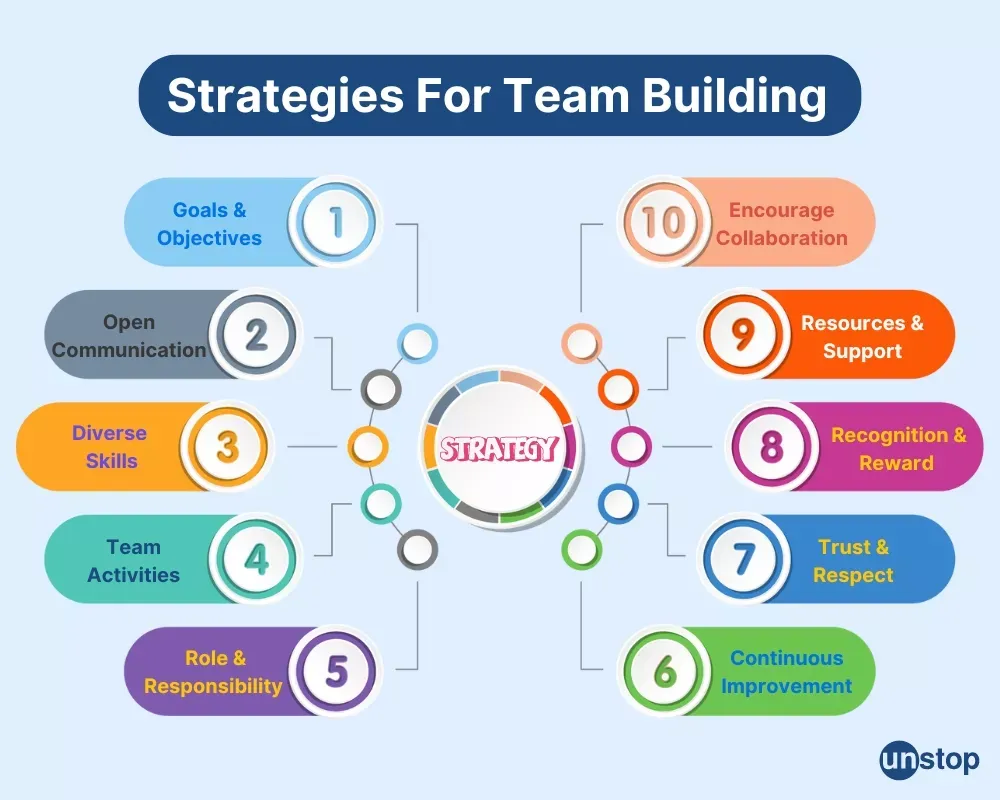
High-performing sales teams rarely happen by accident.
Strong sales managers know how to build collaboration, encourage knowledge sharing, and create a culture where people work toward shared goals. They understand that team success often produces better results than individual achievements alone.
10. Results-Oriented Mindset
Ultimately, sales managers are responsible for delivering outcomes.
The best candidates balance people management with performance expectations. They stay focused on revenue goals, pipeline growth, and team productivity while ensuring sustainable success rather than short-term wins.
When evaluating candidates, look for evidence of these traits through their past experiences, leadership examples, and measurable results. A candidate who demonstrates most of these qualities is far more likely to build and lead a successful sales team.
Interview Questions to Identify the Right Sales Manager
Finding a qualified candidate is only part of the hiring process. The real challenge is uncovering how they lead, make decisions, and help teams succeed in real-world situations.
The right interview questions can help you move beyond polished resumes and understand whether a candidate has the skills needed to lead a high-performing sales team.
1. Questions About Leadership Experience
Leadership is one of the most important qualities in a sales manager.
Consider asking:
- Tell me about a sales team you have managed.
- How would your previous team describe your leadership style?
- What is the biggest leadership challenge you have faced, and how did you handle it?
Look for examples that demonstrate influence, accountability, and team development.
2. Questions About Coaching Sales Representatives
Great sales managers spend a significant amount of time coaching their teams.
You can ask:
- How do you help struggling sales representatives improve performance?
- Describe a time when coaching helped a team member achieve better results.
- What does an effective coaching process look like to you?
Strong candidates should focus on development rather than simply monitoring activity.
3. Questions About Managing Underperforming Team Members
Every sales manager eventually encounters performance issues.
Useful questions include:
- How do you approach underperformance within your team?
- Tell me about a time when you helped an employee recover from a difficult period.
- What steps do you take before considering termination?
Look for structured approaches that balance accountability with support.
4. Questions About Building High-Performing Teams
Sales success is often driven by team culture as much as individual talent.
Ask candidates:
- How do you build trust within a sales team?
- What strategies have you used to improve team performance?
- How do you maintain motivation during difficult sales periods?
The best answers usually highlight collaboration, communication, and consistency.
5. Questions About Sales Strategy and Execution
A sales manager should be able to translate business goals into actionable plans.
Consider asking:
- How do you develop a sales strategy for your team?
- Describe a successful sales initiative you led.
- How do you ensure strategies are executed effectively?
Strong candidates should connect planning with measurable outcomes.
6. Questions About Forecasting and Pipeline Management
Forecast accuracy plays a major role in sales leadership.
Ask questions such as:
- How do you forecast sales performance?
- Which pipeline metrics do you monitor most closely?
- How do you identify risks within a sales pipeline?
Look for candidates who combine data analysis with practical sales experience.
7. Questions About Decision-Making Under Pressure
Sales leaders often make decisions with limited information and tight deadlines.
You might ask:
- Tell me about a difficult decision you made under pressure.
- How do you prioritize competing demands?
- What process do you follow when facing uncertainty?
Strong responses should demonstrate confidence, logic, and adaptability.
8. Questions About Conflict Resolution
Conflict can occur between team members, departments, or even customers.
Helpful questions include:
- Describe a conflict you resolved within your team.
- How do you handle disagreements between sales representatives?
- What is your approach to difficult conversations?
Look for candidates who focus on communication and fair resolution.
9. Questions About Performance Metrics
Effective sales managers understand which metrics drive results.
Ask:
- Which KPIs do you use to evaluate sales performance?
- How do you identify performance trends?
- How do you balance activity metrics with revenue outcomes?
Strong candidates should show a clear understanding of both leading and lagging indicators.
10. Questions About Cross-Functional Collaboration
Sales managers rarely work in isolation. They often collaborate with marketing, customer success, and operations teams.
Consider asking:
- How have you worked with other departments to achieve business goals?
- Describe a project that required cross-functional collaboration.
- How do you handle conflicting priorities across teams?
The best candidates will demonstrate an ability to build relationships and align different teams around shared objectives.
Asking these questions helps you move beyond surface-level qualifications and identify candidates with the leadership, coaching, and strategic skills required to succeed as a sales manager.
How to Evaluate Candidate Answers
Asking the right interview questions is important, but the real value comes from how you assess the responses.
Strong candidates will usually provide specific examples, measurable results, and clear explanations of their decision-making process rather than speaking only in general terms.
1. What Strong Answers Look Like
Strong answers are detailed, structured, and backed by real experiences.
Look for candidates who explain the situation, the actions they took, and the outcomes they achieved. The best responses often include measurable improvements in team performance, revenue, or employee development.
2. Signs of Real Leadership Experience
Experienced leaders talk about team success, not just personal achievements.
They can describe how they motivated employees, resolved challenges, improved performance, and built processes that helped the entire team succeed. Their examples typically demonstrate ownership and accountability.
3. Red Flags to Watch For
Be cautious of candidates who avoid specifics, blame others for failures, or focus only on their individual sales results.
Other warning signs include vague answers, a lack of coaching examples, poor self-awareness, and an inability to explain how they developed or managed a sales team effectively.
How Can Leelu AI Help Source the Right Sales Manager Candidates Faster
By this stage, you know what traits to look for and which interview questions can reveal strong leadership potential.
The next challenge is finding qualified sales manager candidates before your competitors do.
This is where the hiring process often slows down.
Recruiters spend hours searching multiple platforms, reviewing resumes, sending outreach messages, and coordinating interviews. As hiring volumes increase, this manual work can significantly extend time-to-hire.
Leelu AI helps streamline the process by automating many of these recruiting tasks.
Some of the ways Leelu AI can support sales manager hiring include:
- Sourcing candidates from 500M+ profiles across multiple platforms
- Automatically screening and ranking candidates based on job requirements
- Creating a shortlist of high-fit candidates faster
- Sending personalized outreach at scale
- Automating candidate follow-ups and engagement
- Scheduling interviews without manual coordination
Instead of switching between sourcing tools, spreadsheets, inboxes, and scheduling platforms, you can manage the entire workflow from a single place.
This allows hiring teams to spend less time on administrative tasks and more time evaluating leadership qualities, coaching ability, and team management experience.
For companies hiring sales managers at scale or working against tight hiring timelines, Leelu AI can help reduce sourcing effort, accelerate candidate discovery, and move qualified candidates through the hiring pipeline much faster.
Suggested Reading:
How to Attract Top Talent at Scale: 7 Strategies Modern Teams UseTips for Choosing the Best Sales Manager
Even after identifying strong candidates, making the final hiring decision can be challenging. The best sales manager is not always the candidate with the highest sales numbers or the most years of experience.
Instead, focus on qualities that indicate long-term leadership success.
1. Focus on Leadership Over Individual Sales Success
Top-performing sales representatives often excel because of their personal selling skills. However, sales management requires the ability to lead, motivate, and develop others.
Look for candidates who can demonstrate how they helped an entire team succeed rather than focusing solely on their individual achievements.
2. Look for Coaching Potential
A great sales manager spends a significant amount of time helping team members improve.
Ask candidates to share examples of how they coached struggling employees, improved performance, or helped team members reach new milestones. Strong coaching skills often have a lasting impact on team success.
3. Verify Results Through References
Interview answers provide valuable insights, but reference checks can help validate those claims.
Speak with former managers, colleagues, or direct reports to confirm leadership style, team management capabilities, and measurable achievements.
4. Assess Cultural and Team Fit
A candidate may have the right experience but still struggle if they do not align with your company culture.
Consider how they communicate, collaborate, and approach leadership. The right cultural fit can improve team engagement and long-term retention.
5. Use a Structured Interview Process
A structured hiring process helps reduce bias and creates a fair comparison between candidates.
Using consistent interview questions, evaluation criteria, and scorecards makes it easier to identify the sales manager who is best equipped to lead your team and achieve business goals.
Common Hiring Mistakes Companies Make
Even with a well-defined hiring process, companies often make mistakes that lead to poor hiring decisions. Recognizing these common pitfalls can help you avoid costly setbacks and choose a sales manager who can drive long-term success.
1. Promoting the Top Salesperson Automatically
Strong individual sales performance does not automatically translate into strong leadership.
Managing people requires coaching, communication, and decision-making skills that are very different from closing deals.
2. Prioritizing Industry Experience Over Leadership Skills
Industry knowledge can be valuable, but leadership ability should carry more weight during the hiring process.
A candidate with proven management experience can often adapt to a new industry faster than a subject matter expert can learn to lead a team effectively.
3. Ignoring Team Management Capabilities
Many hiring decisions focus heavily on sales achievements while overlooking team leadership experience.
Look for evidence of coaching, conflict resolution, performance management, and employee development.
4. Using Unstructured Interviews
Without a structured process, it becomes difficult to compare candidates fairly.
Using consistent questions and evaluation criteria helps uncover the qualities that matter most for sales leadership success.
5. Skipping Reference Checks
Reference checks are often treated as a formality, but they can reveal valuable insights that interviews may miss.
Speaking with previous managers or colleagues can help verify leadership style, management effectiveness, and overall fit before making a final hiring decision.
Suggested Reading:
Structured Interview Process: A Complete Guide for RecruitersConclusion
Hiring the right sales manager is one of the most important decisions you can make for your sales organization. The right leader can improve team performance, strengthen accountability, develop future top performers, and drive consistent revenue growth.
By focusing on leadership qualities, asking the right interview questions, and using a structured evaluation process, you can make more confident hiring decisions and avoid costly mistakes.
Whether you're filling a new leadership role or replacing an existing manager, taking the time to identify the right candidate will help build a stronger sales team and support long-term business success.
Frequently Asked Questions
1. What qualifications should a sales manager have?
A sales manager should have leadership experience, coaching skills, strong communication abilities, and a proven record of driving team success.
2. Should the top-performing salesperson become a sales manager?
Not always. Managing people requires leadership, coaching, and decision-making skills that differ from individual sales performance.
3. What interview questions should I ask a sales manager candidate?
Ask about leadership challenges, team development, conflict resolution, forecasting, performance management, and strategic decision-making experiences.
4. How important is coaching ability in a sales manager?
Coaching helps sales representatives improve skills, overcome challenges, and achieve consistent performance, making it a critical leadership trait.
5. How can Leelu AI help hire sales managers faster?
Leelu AI automates sourcing, screening, outreach, and scheduling, helping recruiters identify and engage qualified candidates more efficiently.