Hiring often involves handling employee documents under tight deadlines.
One small mistake in an employment verification letter can create delays, confusion, or compliance issues for your HR team.
That is why having ready-to-use templates makes the process much easier.
You can respond faster, maintain consistency, and avoid rewriting the same details every time.
In this guide, you will find:
- Different employment verification letter templates for common situations
- Tips to avoid errors while creating verification letters
- Best practices to make your HR documentation process faster and smoother
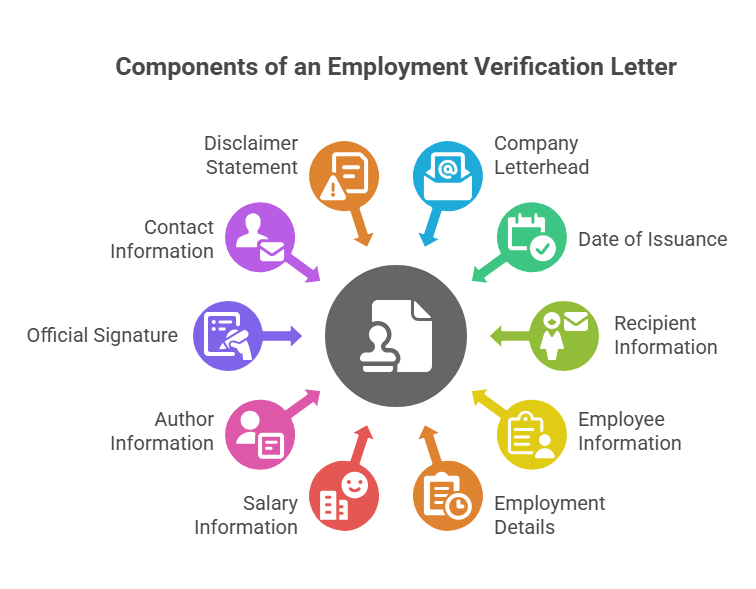
Key Elements of an Employment Verification Letter
An employment verification letter may look simple, but missing the right information can create unnecessary back-and-forth.
That is why every letter should follow a clear structure and include the essential employee and employer details.
Here are the key elements every employment verification letter should contain.
1. Basic Employee Identification Details
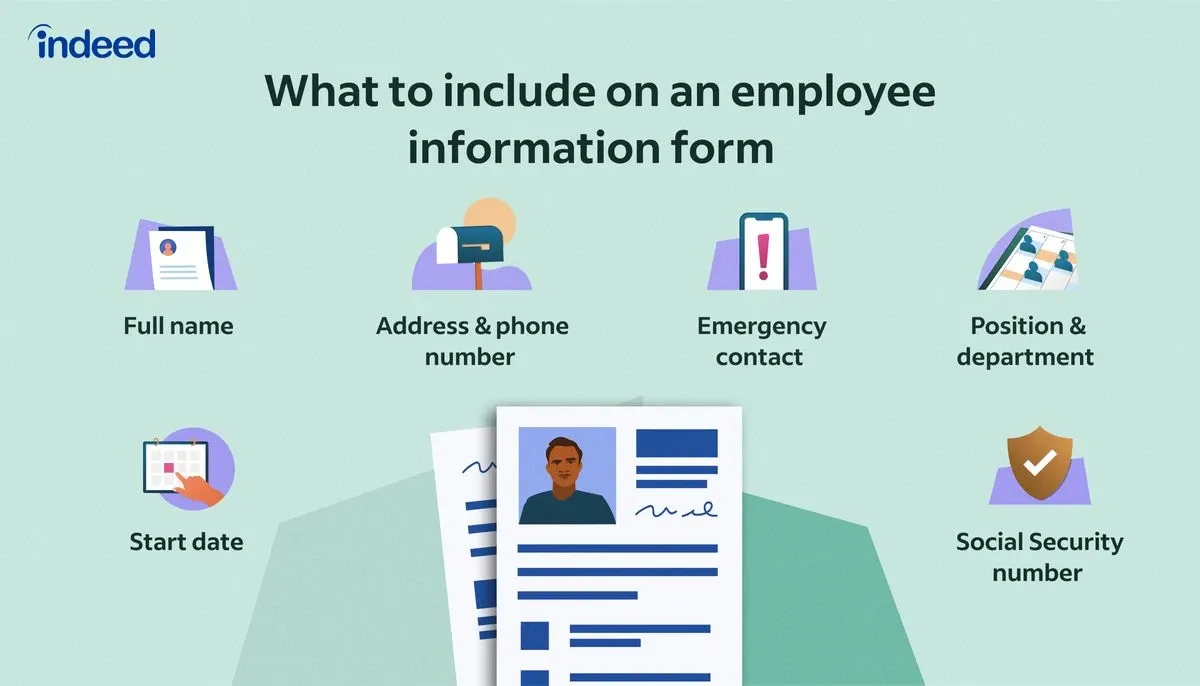
Start with the employee’s basic information to avoid confusion or mismatched records. This section confirms who the letter is referring to.
Usually, it includes:
- Full employee name
- Employee ID, if applicable
- Department or team name
- Contact details when required
Keeping these details accurate helps the recipient verify records quickly.
2. Job Role and Employment Status
The letter should clearly mention the employee’s current job title and employment type.
This helps banks, landlords, or third parties understand the employee’s work arrangement.
You can include details such as:
- Current designation
- Full-time, part-time, or contractual status
- Current employment standing
- Reporting department or division
Make sure the information matches official company records.
3. Work Duration and Joining Date
Employment verification letters should also confirm how long the employee has worked with the company. This is often one of the main reasons the document is requested.
Include information like:
- Official joining date
- Employment duration
- Last working day, if the employee has exited
- Current employment period for active employees
Accurate dates help avoid verification delays and compliance issues.
4. Employer Verification and Signature Details
The final section should confirm that the company officially issued the letter. Without proper authorization, the document may not be accepted.
This section typically includes:
- HR manager or authorized person’s name
- Job title and company name
- Official signature
- Company seal or stamp, if required
- Contact information for verification follow-up
A properly signed letter adds credibility and completes the verification process.
Suggested Reading:
Offer Letter TemplatesTips for Writing an Accurate Employment Verification Letter
Even a small error in an employment verification letter can create delays or verification problems.
That is why it is important to keep the document accurate, professional, and easy to understand. Here are a few simple tips that can help you create error-free verification letters.
1. Keep the Information Clear and Simple
Avoid adding unnecessary details or complicated wording in the letter. The goal is to help the recipient quickly verify employment information without confusion.
Use simple and direct language while mentioning:
- Employee details
- Job position
- Employment duration
- Employer confirmation
A clean and straightforward format also makes the document look more professional.
2. Double-Check Dates and Job Titles
Incorrect joining dates or outdated job titles can create serious verification issues. That is why reviewing employee records before sending the letter is essential.
Make sure you verify:
- Employment start date
- Current designation
- Employment status
- Exit date, if applicable
Cross-checking these details helps avoid follow-up requests and document corrections.
3. Avoid Sharing Sensitive Information
Employment verification letters should only include information that is necessary for verification. Sharing confidential employee data can create privacy and compliance concerns.
Avoid including details such as:
- Salary information unless specifically requested
- Performance feedback
- Personal identification numbers
- Medical or confidential records
Keeping the letter limited to essential details protects both the employee and the organization.
8 Employment Verification Letter Templates for Different Use Cases
Different verification requests need slightly different wording and details. If you use a single fixed format for everything, you often end up rewriting or correcting letters later.
To make your HR process easier, below are 8 ready-to-use employment verification letter templates with example formats and placeholders you can directly copy and customize.
1. Standard Employment Verification Letter Template
This is your go-to format for general employment confirmation requests. You can use it for banks, background checks, or government verification where only basic details are needed.
What it includes
- Employee name
- Job title
- Employment status
- Joining date
- Company details
Example Letter
Subject: Employment Verification Letter
To Whom It May Concern,
This is to certify that [Employee Full Name] is employed with [Company Name] as a [Job Title].
The employee has been working with us since [Joining Date] and is currently employed on a [Full-time/Part-time/Contract] basis.
For any additional information, please contact us at [HR Email] or [Phone Number].
Sincerely, [Authorized Signatory Name] [Designation] [Company Name] [Company Address]
2. Employment Verification Letter for Current Employee
This template confirms active employment status. It is commonly used for loan approvals, visa processing, and rental applications.
What it includes
- Current designation
- Department
- Employment type
- Start date
Example Letter
This is to confirm that [Employee Name] is currently employed with [Company Name] as a [Job Title] in the [Department Name].
They have been working with our organization since [Start Date] and are currently employed as a [Full-time/Part-time] employee.
For verification, please contact [HR Contact Name] at [Email/Phone].
Authorized Signature [Name] [Designation] [Company Name]
3. Employment Verification Letter for Former Employee
This letter confirms past employment details after an employee has left the organization. It is typically used for new job applications or background checks.
What it includes
- Job title
- Employment period
- Last working day
Example Letter
This letter confirms that [Employee Name] was employed with [Company Name] as a [Job Title] from [Start Date] to [Last Working Date].
During their employment, they worked in the [Department Name].
We confirm that they are no longer associated with our organization.
For verification purposes, contact [HR Email/Phone].
Sincerely, [Authorized Signatory Name] [Company Name]
4. Employment Verification Letter for Salary Confirmation
This template is used when salary details are required for financial approvals. Always ensure salary disclosure follows company policy.
What it includes
- Employment status
- Salary details
- Compensation structure
Example Letter
This is to certify that [Employee Name] is employed with [Company Name] as a [Job Title].
Their current compensation details are as follows:
Monthly Salary: [Amount]
Annual Salary: [Amount]
Additional Benefits (if applicable): [Details]
For verification, please contact [HR Contact Information].
Authorized Signatory [Name] [Designation]
5. Employment Verification Letter for Mortgage Application
Mortgage providers need stable income confirmation. This letter is more detailed compared to a standard verification letter.
What it includes
- Employment duration
- Income details
- Job stability confirmation
Example Letter
This letter confirms that [Employee Name] is currently employed with [Company Name] as a [Job Title] since [Start Date].
They receive a monthly salary of [Amount] and have been a consistent employee in good standing.
We confirm that their employment is stable and ongoing.
For further verification, contact [HR Contact Details].
Sincerely, [Authorized Signatory] [Company Name]
Suggested Reading:
HR Policy Template6. Employment Verification Letter for Visa or Immigration Purposes
This template is used for embassy or immigration submissions. It should be precise, formal, and fully verifiable.
What it includes
- Job role
- Salary
- Travel/employment continuity
Example Letter
This is to certify that [Employee Name] is employed with [Company Name] as a [Job Title] since [Joining Date].
They currently earn a salary of [Amount] and are a valued employee of our organization.
We also confirm that they will continue their employment after their travel period (if applicable).
For verification, contact [HR Email/Phone].
Sincerely, [Name] [Designation]
7. Employment Verification Letter for Apartment Rental
Landlords use this to confirm income stability before approving tenants. The format should stay simple and easy to read.
What it includes
- Job title
- Salary
- Employment status
Example Letter
This letter confirms that [Employee Name] is currently employed with [Company Name] as a [Job Title].
They earn a monthly salary of [Amount] and have been employed since [Start Date].
We verify that the employee is currently in active employment.
For questions, contact [HR Contact Details].
Authorized Signatory [Name]
8. Employment Verification Letter for Remote Employees
This template is important for remote-first or hybrid organizations. It clearly states work arrangement along with employment details.
What it includes
- Remote/hybrid status
- Job role
- Employment duration
Example Letter
This is to certify that [Employee Name] is employed with [Company Name] as a [Job Title].
They work in a [Remote/Hybrid] capacity and have been with the organization since [Start Date].
Their current salary is [Amount] (if applicable).
For verification, please contact [HR Email/Phone].
Sincerely, [Authorized Signatory Name] [Company Name]
Common Mistakes to Avoid
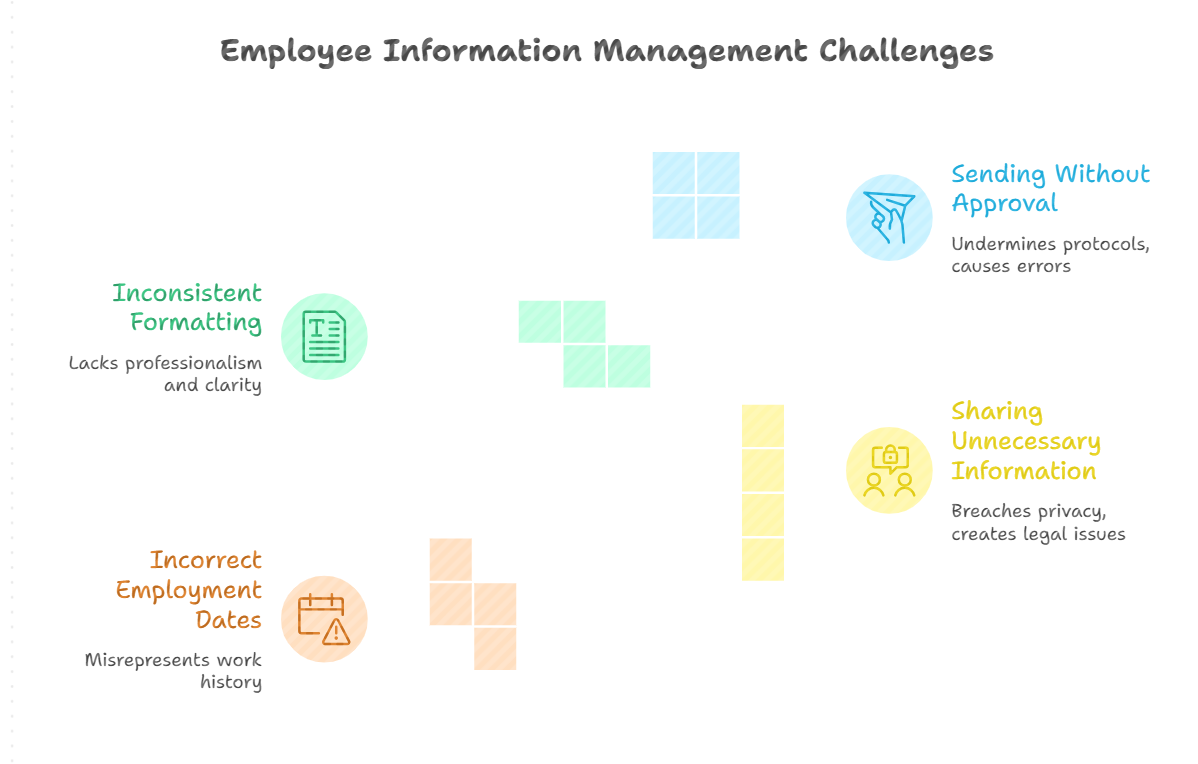
Even well-written employment verification letters can create problems when small details are overlooked.
Avoiding common mistakes helps you maintain accuracy, professionalism, and faster verification approvals.
Here are some errors HR teams should pay close attention to.
1. Including Incorrect Employment Dates
Wrong employment dates are one of the most common verification mistakes. Even a small mismatch can create delays during background checks, loan approvals, or visa processing.
Always verify:
- Joining date
- Last working day
- Employment duration
- Current employment status
Cross-checking records before sending the letter helps prevent unnecessary corrections later.
2. Sharing Unnecessary Employee Information
Employment verification letters should only include information relevant to the request. Adding extra personal or confidential details can create privacy and compliance risks.
Avoid sharing information such as:
- Medical details
- Performance reviews
- Personal identification numbers
- Confidential company information
Keeping the document concise also makes it easier for recipients to review.
3. Using Inconsistent Formatting
Different formats across verification letters can make HR documentation look unprofessional. It may also confuse recipients when important information appears in different locations.
To maintain consistency, use:
- A standard company letterhead
- Uniform font and spacing
- Clear section structure
- Consistent signature placement
Standardized templates help HR teams work faster while reducing formatting errors.
4. Sending Letters Without Internal Approval
Some organizations require verification letters to be reviewed before they are shared externally. Skipping approvals can lead to unauthorized or incorrect information being sent.
Before sending the document, confirm:
- HR approval requirements
- Authorized signatory details
- Policy compliance checks
- Employee consent, when needed
A quick internal review can help avoid compliance issues and repeated revisions.
Conclusion
Employment verification letters are a routine part of HR processes, but accuracy still matters.
A well-structured letter helps avoid delays, reduces confusion, and ensures professional communication with third parties.
Using standardized templates also makes the process faster for your HR team.
You can maintain consistency while reducing manual work and formatting errors across different verification requests.
Whether you are handling mortgage applications, visa processing, rental approvals, or employee background checks, having the right template saves time and improves reliability.
With the examples and tips shared in this guide, you can create clear and error-free employment verification letters more confidently.
Frequently Asked Questions
1. Can an employment verification letter be sent by email?
Yes, many companies send employment verification letters by email. PDF format is commonly used because it keeps the document secure and professional. Some organizations may also require a digitally signed copy.
2. How long does it take to process an employment verification request?
The timeline depends on the company’s HR process. Some businesses provide verification letters within a few hours, while others may take two to five business days to review and approve the request.
3. Who is authorized to sign an employment verification letter?
Employment verification letters are usually signed by an HR manager, recruiter, payroll officer, or another authorized company representative responsible for employee records.
4. Can employers refuse to provide an employment verification letter?
Yes, employers can refuse if the request violates company policy or includes sensitive information they are not allowed to share. However, many companies provide basic employment details when properly requested.
5. Are employment verification letters different from reference letters?
Yes, they serve different purposes. An employment verification letter confirms details like job title, salary, and employment dates. A reference letter focuses on an employee’s skills, performance, and work experience.


