Hiring mistakes rarely happen because candidates lack skills.
Most of the time, they happen because the screening process fails to identify the right fit early enough.
That’s where a pre screening interview helps. It gives you a quick way to evaluate whether a candidate matches the role, expectations, communication style, and basic qualifications before moving them into lengthy interview rounds.
When done properly, pre screening interviews save hours of manual effort, reduce poor-fit interviews, and help you focus only on candidates worth progressing further.
In this guide, you’ll learn:
- What a pre screening interview is
- Why it matters in the hiring process
- How to conduct one effectively
- 15 important pre screening interview questions you can ask
Why Pre Screening Interviews Matter in Modern Hiring
Hiring today moves much faster than it did a few years ago.
Companies often receive hundreds of applications for a single role, making it difficult to manually evaluate every candidate in depth.
This is why pre screening interviews have become an important part of modern hiring workflows.
1. Helps identify qualified candidates early in the process
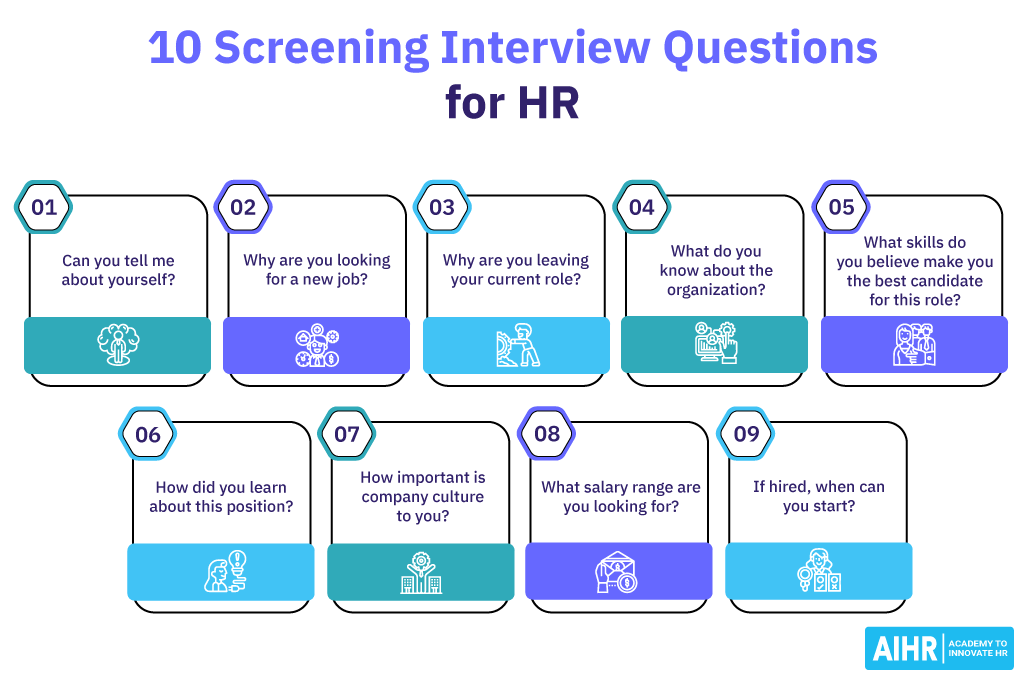
A pre screening interview allows you to quickly assess whether a candidate meets the basic requirements of the role.
You can evaluate their experience, communication skills, salary expectations, availability, and overall fit before investing time in multiple interview rounds.
This helps you shortlist stronger candidates faster while filtering out mismatches early.
2. Reduces time spent on unsuitable applicants
Without a proper screening process, hiring teams often spend hours interviewing candidates who are not aligned with the role.
Pre screening interviews reduce this problem by helping you eliminate unsuitable applicants before they enter the main hiring pipeline.
Instead of reviewing every profile manually, you focus only on candidates who match your expectations.
3. Improves hiring efficiency and decision-making
When every candidate goes through a structured screening process, comparisons become much easier.
Recruiters and hiring managers can make decisions based on consistent information rather than assumptions or incomplete evaluations.
This creates a more organized and data-driven hiring process.
4. Creates a more structured hiring workflow
Pre screening interviews also bring consistency to recruitment.
Using the same set of screening questions for every candidate ensures fairness while keeping the hiring process clear and repeatable.
For growing teams, this structure becomes even more valuable because it reduces confusion and improves collaboration between recruiters and hiring managers.
Suggested Reading:
Recruitment Automation: Step-by-Step Guide for HR’sHow to Conduct a Pre Screening Interview Effectively
A pre screening interview works best when it follows a clear structure.Without a proper process, interviews can become inconsistent, time-consuming, and difficult to evaluate later.
The goal is not to fully assess the candidate.
It is to quickly determine whether they are qualified enough to move to the next stage.
1. Review the candidate profile before the interview
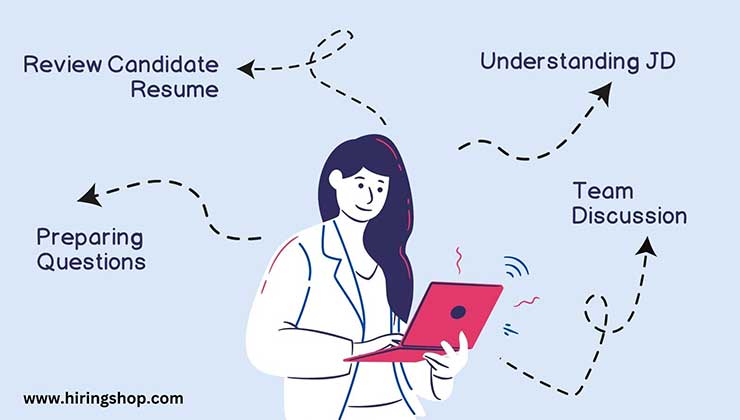
Before starting the interview, spend a few minutes reviewing the candidate’s resume, application, and portfolio if available.
This helps you understand their background and prepare relevant questions instead of asking generic ones.
It also makes the conversation feel more professional and personalized.
2. Define the most important screening criteria
Every role has a few non-negotiable requirements.
These may include years of experience, technical skills, certifications, communication ability, location, salary expectations, or industry knowledge.
Defining these criteria beforehand helps you evaluate every candidate consistently.
3. Ask structured and role-specific questions
A structured interview process makes comparisons easier later.
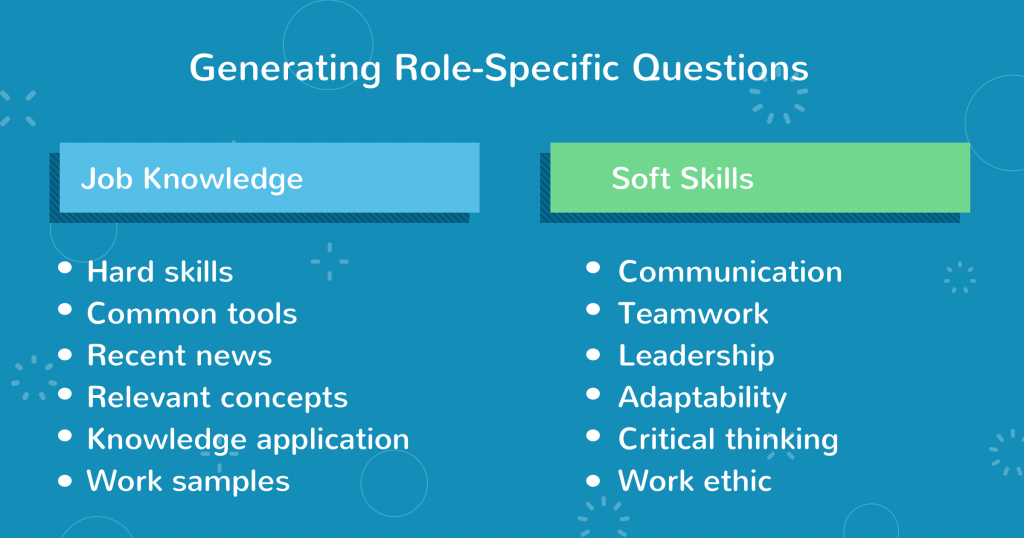
Instead of asking random questions, focus on questions directly related to the role and responsibilities.
This gives you clearer insights into whether the candidate can actually perform the job.
4. Evaluate communication skills and role alignment
Pre screening interviews are also useful for understanding how candidates communicate.
Pay attention to how clearly they explain their experience, answer questions, and discuss their career goals.
Strong communication often reflects confidence, professionalism, and overall role alignment.
5. Keep the interview short, focused, and consistent
Most pre screening interviews should last around 15 to 30 minutes.
The goal is to gather essential information quickly without turning the process into a full interview round.
Keeping the format consistent also improves fairness across candidates.
6. Document responses for better hiring decisions
After the interview, record important notes while the conversation is still fresh.
Documenting responses helps recruiters and hiring managers compare candidates more accurately and make better hiring decisions later in the process.
15 Pre Screening Interview Questions You Can Ask Candidates
Once you understand how to conduct a pre screening interview, the next step is knowing what to ask.
The right questions help you quickly evaluate whether a candidate has the qualifications, communication skills, and expectations required for the role.
Instead of asking broad or unnecessary questions, focus on questions that reveal practical insights early in the hiring process.
1. Questions about experience and current role
A candidate’s previous experience often gives the clearest indication of whether they can handle the responsibilities of the position.
Start with questions that help you understand their background and current situation.
- Can you briefly walk me through your current role and responsibilities?
- What type of projects or tasks do you work on most frequently?
- What achievements in your recent role are you most proud of?
These questions help you evaluate the depth of their experience while understanding how relevant their background is to the role you are hiring for.
2. Questions about skills and technical expertise
After understanding their experience, move into role-specific skills and technical capabilities.
The goal here is not to conduct a deep technical interview.
Instead, you want to confirm whether the candidate has the foundational skills required to move forward.
- Which tools, technologies, or platforms are you most comfortable using?
- How would you rate your expertise in the key skills required for this role?
- Have you previously worked on projects similar to this position?
- What challenges have you faced while working on technical or role-specific tasks?
These questions help you identify whether the candidate’s practical experience matches the job requirements.
3. Questions about career goals and motivation
A candidate may have the right skills but still may not be the right long-term fit.
This is why understanding career goals and motivation is important during the screening stage.
- Why are you currently looking for a new opportunity?
- What interested you about this role and company?
- What kind of work environment helps you perform your best?
These questions help you understand whether the candidate’s goals align with the role, team, and company culture.
4. Questions about salary expectations and availability
It is always better to clarify logistical details early in the hiring process.
Discussing expectations upfront prevents misunderstandings later and helps recruiters avoid progressing candidates who may not align with the role requirements.
- What are your salary expectations for this position?
- When would you be available to start if selected?
- Are you currently interviewing with other companies?
These questions help you understand timelines, urgency, and whether the hiring process needs to move faster.
5. Questions about communication and work preferences
Communication style and work preferences can significantly affect team collaboration and productivity.
Even highly skilled candidates may struggle if their preferred working style does not align with the role.
- How do you usually communicate and collaborate with team members?
- Do you prefer working independently, collaboratively, or a mix of both?
Their responses can give you insights into adaptability, professionalism, and overall workplace compatibility.
Asking structured pre screening interview questions like these makes the hiring process faster, more organized, and easier to evaluate.
For growing hiring teams, manually screening large volumes of candidates can still become overwhelming. Tools like Leelu AI help automate
candidate sourcing, resume screening, outreach, and interview scheduling, allowing recruiters to identify qualified candidates much faster without sacrificing hiring quality.
How Leelu Helps You Automate and Improve Pre Screening
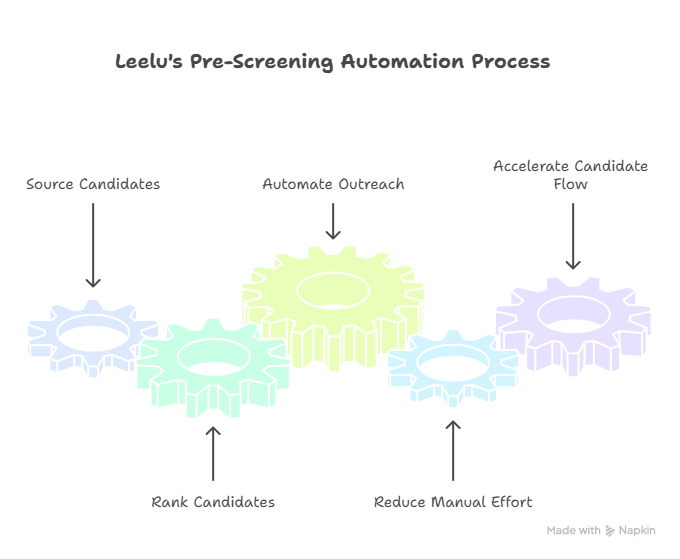
As hiring volume increases, manually screening every application becomes difficult and time-consuming.
Recruiters often spend hours reviewing resumes, shortlisting candidates, sending outreach messages, and coordinating interviews before finding the right fit.
This is where Leelu AI helps simplify the entire pre screening process.
1. Automatically source and shortlist qualified candidates
Leelu AI automatically sources candidates from multiple platforms, including LinkedIn, job boards, and ATS systems.
Instead of manually searching through hundreds of profiles, you can quickly identify candidates that match your job requirements.
This helps recruiters reduce sourcing time while improving candidate quality.
2. Rank candidates based on AI-driven matching
Once candidates are sourced, Leelu AI uses AI-driven matching to rank profiles based on skills, experience, and job relevance.
This allows hiring teams to focus on the most qualified candidates first instead of manually reviewing every application individually.
3. Automate candidate outreach and initial engagement
Reaching out to candidates manually can slow down the hiring process.
Leelu AI automates personalized candidate outreach and follow-ups across channels, helping recruiters engage candidates faster while maintaining consistent communication.
4. Reduce manual screening effort with AI workflows
From resume parsing to candidate scoring, Leelu AI automates repetitive screening tasks that usually consume significant recruiter time.
This reduces manual effort while creating a more organized and scalable hiring workflow.
5. Move candidates faster from screening to interviews
Once qualified candidates are identified, Leelu AI helps streamline interview scheduling and coordination.
By automating multiple stages of the hiring process, recruiters can move candidates from pre screening to interviews much faster while improving overall hiring efficiency.
Suggested Reading:
AI Resume Screening: Definition, Benefits, and How It WorksCommon Mistakes to Avoid During Pre Screening Interviews
Even with a structured hiring process, small mistakes during pre screening interviews can lead to poor hiring decisions and wasted time.
Understanding these common issues helps you create a smoother and more effective screening process for both recruiters and candidates.
1. Asking inconsistent questions across candidates
When different candidates are asked completely different questions, it becomes difficult to compare them fairly.
A structured set of pre screening interview questions helps maintain consistency and ensures every candidate is evaluated using the same criteria.
This leads to more accurate hiring decisions.
2. Focusing too much on resumes instead of fit
A strong resume does not always guarantee the right fit for the role.
Sometimes candidates look impressive on paper but may lack communication skills, motivation, adaptability, or alignment with the company’s work culture.
Pre screening interviews should evaluate both qualifications and overall fit.
3. Making the screening process too long
The purpose of a pre screening interview is to quickly identify whether a candidate should move forward.
Turning it into a lengthy interview round can frustrate candidates and slow down the hiring process unnecessarily.
Keeping the conversation focused and concise improves efficiency.
4. Ignoring candidate experience during early interactions
The screening stage is often a candidate’s first direct interaction with your company.
Poor communication, delayed responses, or disorganized interviews can create a negative impression early in the hiring journey.
A professional screening process improves candidate experience and employer branding.
5. Failing to document and evaluate responses properly
Without proper notes and evaluation criteria, hiring decisions can become inconsistent.
Documenting responses immediately after the interview helps recruiters compare candidates more effectively and prevents important details from being overlooked later in the process.
Conclusion
Pre screening interviews play an important role in helping recruiters identify qualified candidates faster while improving overall hiring efficiency.
By asking structured questions, evaluating role fit early, and keeping the process consistent, you can reduce wasted interview time and make better hiring decisions.
At the same time, modern hiring often requires managing large volumes of applications, which can make manual screening difficult to scale.
Using AI-driven hiring platforms like Leelu AI can help automate sourcing, candidate screening, outreach, and interview scheduling, allowing teams to move qualified candidates through the hiring pipeline faster and more efficiently.
Frequently Asked Questions
1. How long should a pre screening interview last?
Most pre screening interviews usually last between 15 to 30 minutes.The goal is to gather essential information quickly without making the process too lengthy.
2. What questions should you ask in a pre screening interview?
You should ask questions about experience, skills, communication, salary expectations, and availability.The questions should help determine whether the candidate is suitable for the next hiring stage.
3. Who conducts pre screening interviews?
Pre screening interviews are usually conducted by recruiters, HR professionals, or hiring coordinators.In some companies, hiring managers may also handle the initial screening process.
4. Why are pre screening interviews important?
They help reduce time spent on unqualified applicants and improve hiring efficiency.They also make the recruitment process more organized and structured.
5. How can AI improve pre screening interviews?
AI can automate resume screening, candidate matching, outreach, and interview scheduling.This helps recruiters identify qualified candidates faster while reducing manual effort.


