Every workplace decision affects people, trust, and company culture.
That is why HR ethics cannot be treated as just a policy requirement.
When your HR team follows strong ethical principles, employees feel respected, heard, and treated fairly.
It also helps you build a healthier and more transparent work environment.
In this guide, you will learn:
- Why HR ethics matter in modern workplaces
- The most important HR ethics principles every team should follow
- How ethical HR practices improve employee trust and business growth
Why HR Ethics Matter More Than Ever Today
Modern workplaces are changing quickly. Employees now expect fairness, honesty, and accountability from the companies they work for.
At the same time, businesses are under constant public attention. One unethical HR decision can damage employee trust and even hurt the company’s reputation.
That is why HR ethics have become a core part of building strong and sustainable organizations.
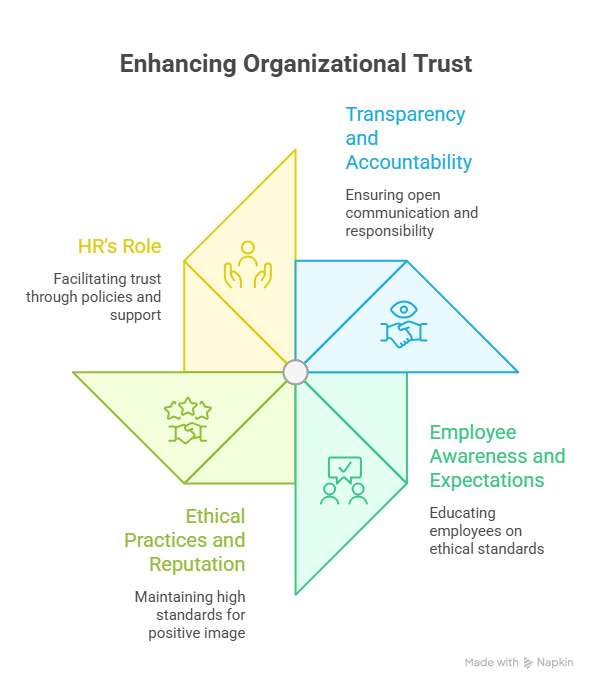
1. Increasing Focus on Transparency and Accountability
Companies are expected to be more transparent about hiring, promotions, workplace policies, and employee treatment. People want clear communication instead of hidden processes or biased decisions.
HR teams play a major role in maintaining this transparency. Ethical practices help create accountability across every stage of the employee experience.
2. Rising Employee Awareness and Expectations
Today’s employees are more informed about workplace rights and ethical standards. They are more likely to question unfair treatment, discrimination, or biased workplace behavior.
People also prefer working for companies that genuinely value respect and inclusion. When HR teams follow ethical practices, employees feel safer and more confident in the organization.
3. Impact of Ethical Practices on Employer Reputation
A company’s reputation is no longer shaped only by products or services. Employee experiences now influence how people view a brand.
Unethical HR practices can quickly spread through online reviews and social platforms. On the other hand, ethical workplaces attract stronger talent and improve employee retention.
4. Role of HR in Building Trust Within Organizations
Trust is one of the most important parts of a healthy workplace culture. Employees trust organizations when HR handles decisions fairly and consistently.
From recruitment to conflict resolution, HR teams influence how employees experience the workplace every day. Strong ethical standards help create a culture where people feel respected, valued, and heard.
10 HR Ethics Principles Every HR Team Must Follow
Strong HR ethics help you create a workplace where employees feel respected, protected, and treated fairly. These principles also help organizations build long-term trust and credibility.
Below are some of the most important HR ethics principles every HR team should follow.
1. Ensuring Fairness and Equality in All HR Practices
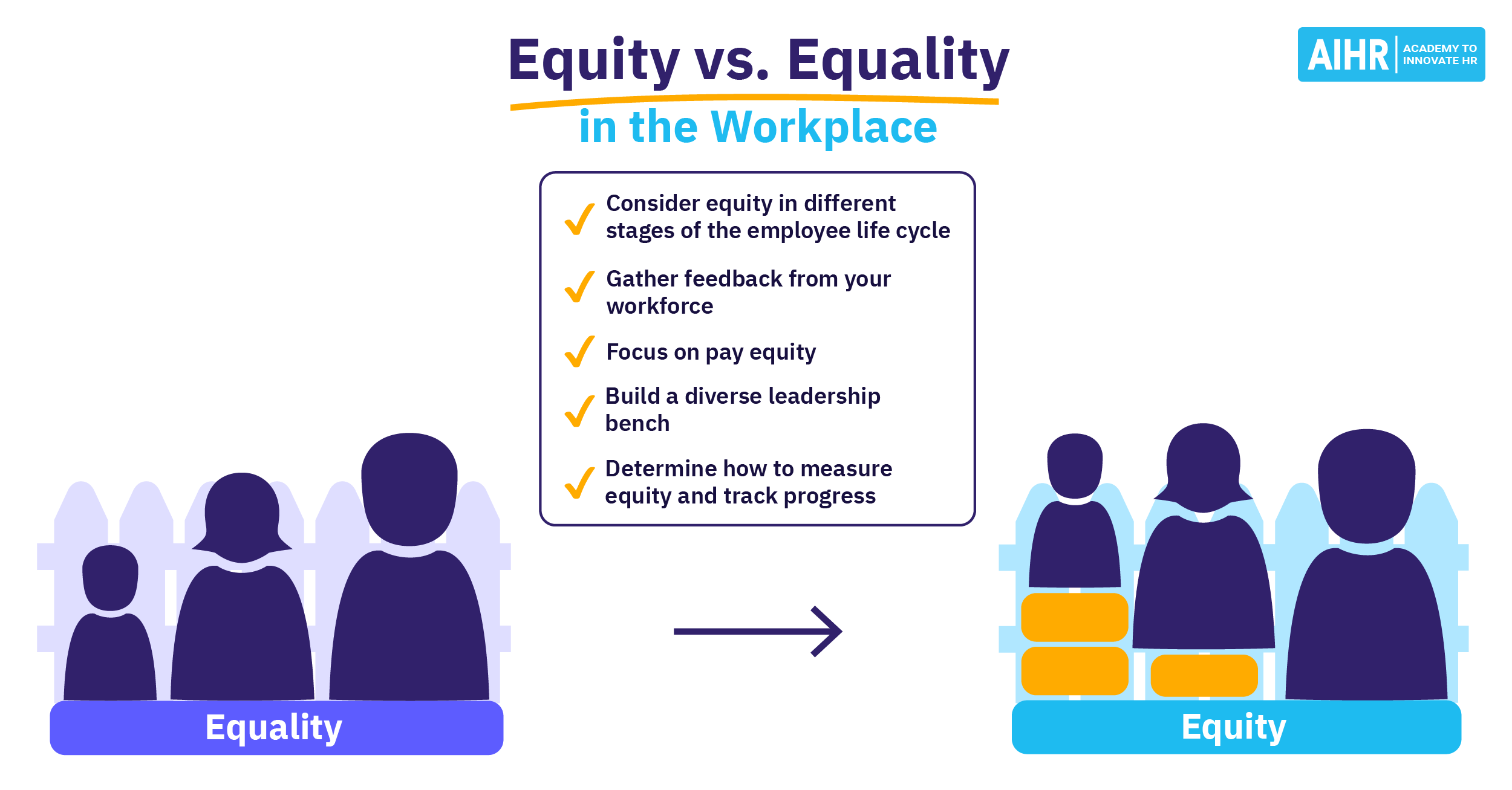
Every employee should receive equal treatment regardless of gender, age, background, religion, or personal beliefs. Fair HR practices create a more inclusive and supportive work environment.
This applies to hiring, promotions, compensation, performance reviews, and workplace policies. When employees see fairness in action, they are more likely to trust leadership decisions.
2. Maintaining Confidentiality of Employee Information
HR teams handle sensitive employee information every day. This includes salary details, personal records, health information, and workplace complaints.
Protecting this information is an essential ethical responsibility. Employees must feel confident that their personal data will remain secure and private.
Strong confidentiality practices also reduce the risk of legal and reputational issues. It shows employees that the organization values professionalism and respect.
3. Promoting Transparency in Decision-Making Processes
Employees want clarity around workplace decisions that affect their careers and daily work experience. Lack of transparency often creates confusion, frustration, and distrust.
HR teams should clearly communicate policies, expectations, and decision-making processes. Transparent communication helps employees understand how and why decisions are made.
This approach also improves accountability within the organization. People are more likely to accept outcomes when processes are open and consistent.
4. Avoiding Bias in Hiring and Employee Management
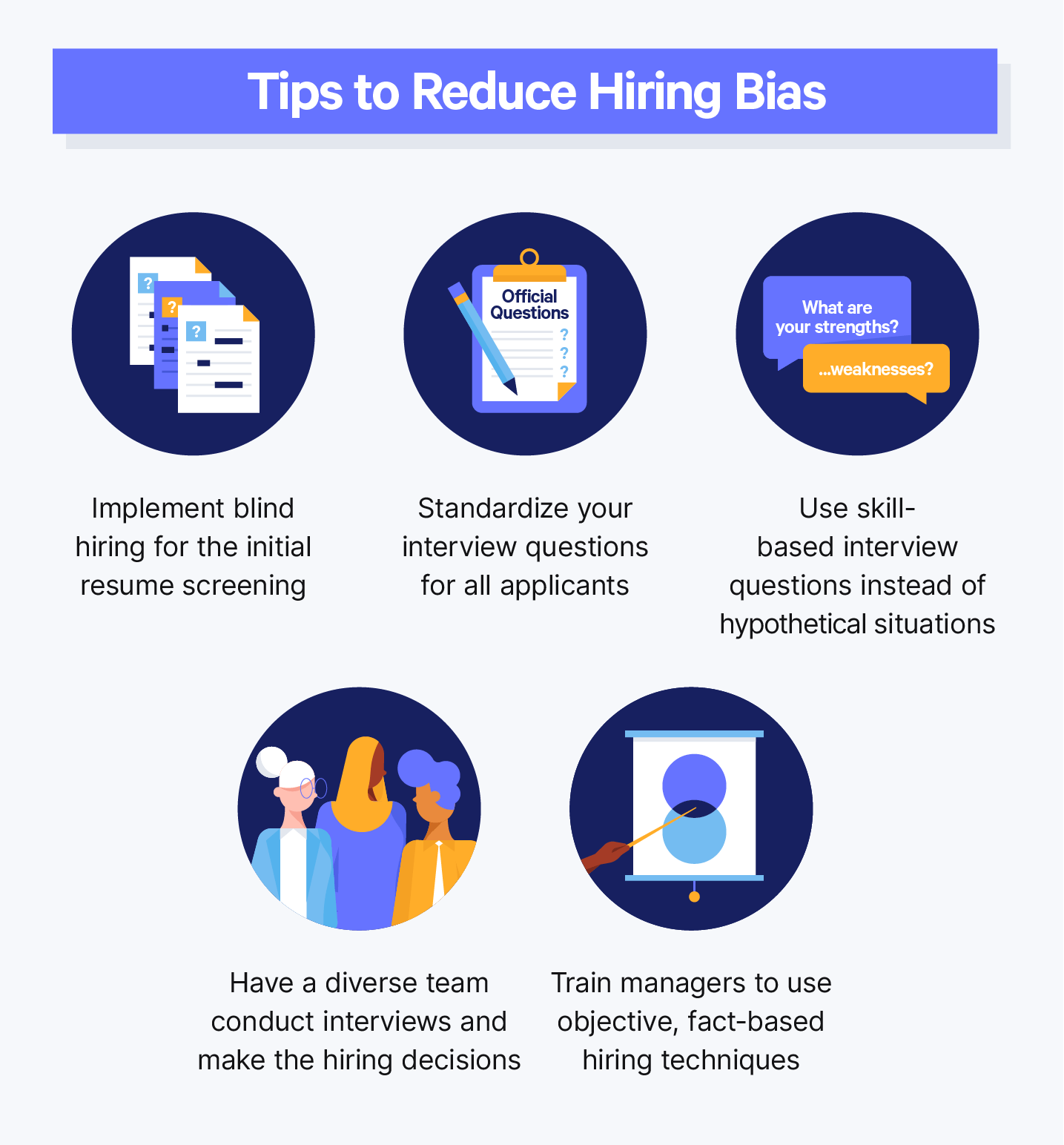
Bias can influence recruitment, promotions, performance evaluations, and workplace interactions. Even unintentional bias can negatively affect employee morale and workplace diversity.
HR teams should focus on skills, qualifications, and performance instead of personal assumptions. Structured hiring processes and standardized evaluations can help reduce bias.
Creating an unbiased workplace encourages equal opportunities for everyone. It also helps organizations build stronger and more diverse teams.
5. Ensuring Compliance With Labor Laws and Regulations
Ethical HR practices must align with labor laws and workplace regulations. Ignoring compliance can lead to legal issues, financial penalties, and damaged employee trust.
HR teams should stay updated on employment laws, workplace safety standards, and employee rights. Regular policy reviews can help organizations remain compliant and avoid unnecessary risks.
Following labor laws also demonstrates that the organization values fairness and responsible workplace practices.
6. Respecting Employee Dignity and Workplace Rights
Every employee deserves to be treated with respect and professionalism. HR teams should ensure that workplace policies protect employee rights and personal dignity.
This includes preventing harassment, discrimination, bullying, and unfair treatment. A respectful workplace helps employees feel valued and emotionally secure.
When people feel respected at work, they are more engaged and motivated. It also strengthens the overall workplace culture.
7. Handling Conflicts of Interest Responsibly
HR professionals often deal with sensitive workplace decisions and relationships. That is why conflicts of interest must be handled carefully and ethically.
Personal relationships or favoritism should never influence hiring, promotions, or disciplinary actions. HR teams must remain objective and prioritize fairness in every decision.
Clear ethical boundaries help maintain employee trust and organizational integrity. They also reduce the risk of biased workplace practices.
8. Encouraging Honest and Open Communication
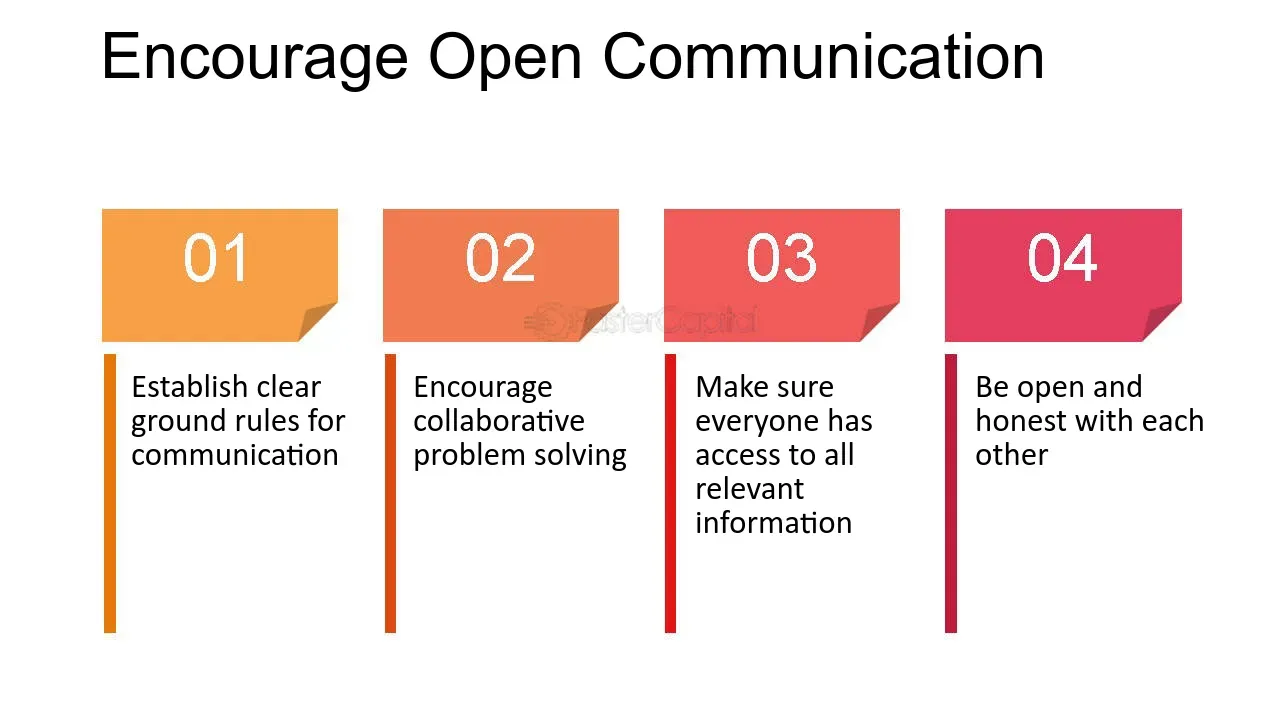
Employees should feel comfortable sharing concerns, feedback, and workplace issues. Open communication creates a healthier and more transparent work environment.
HR teams should actively listen to employees without judgment or retaliation. This encourages people to speak honestly about workplace challenges.
Clear communication also helps prevent misunderstandings and workplace conflicts. It creates stronger relationships between employees and leadership teams.
9. Being Accountable for HR Decisions and Actions
HR teams are responsible for decisions that directly affect employees and workplace culture. That is why accountability is an important part of ethical HR management.
Every decision should be supported by clear policies, fair processes, and proper documentation. HR professionals must also be willing to explain and justify their actions when needed.
Accountability builds trust across the organization. It shows employees that HR decisions are made responsibly and consistently.
10. Creating a Safe and Inclusive Work Environment
Employees perform better when they feel safe, accepted, and included at work. HR teams play a key role in building this type of environment.
This includes supporting workplace safety, diversity, inclusion, and equal opportunities for all employees. Inclusive workplaces encourage collaboration, creativity, and stronger employee relationships.
HR teams should also respond quickly to discrimination, harassment, or unsafe workplace behavior. A safe workplace helps employees feel protected and respected every day.
Suggested Reading:
Code of Conduct: Definition, Template & Real ExamplesHow to Apply HR Ethics Principles in Everyday HR Practices
Understanding HR ethics is important, but applying those principles consistently matters even more. Ethical practices should become part of your daily HR processes and workplace culture.
When ethics are built into everyday decisions, employees are more likely to trust the organization. It also helps businesses create a fair and responsible work environment.
1. Embedding Ethics Into Hiring and Onboarding Processes
Ethical HR practices should begin from the very first interaction with candidates. Hiring processes must remain fair, transparent, and free from discrimination.
HR teams should use consistent evaluation methods and clearly communicate job expectations. This helps candidates feel respected throughout the recruitment process.
During onboarding, employees should also understand workplace values, policies, and ethical standards. A strong ethical foundation early on improves long-term employee trust and engagement.
2. Training HR Teams on Ethical Decision-Making
HR professionals regularly handle sensitive workplace situations and employee concerns. Without proper training, ethical mistakes can happen even with good intentions.
Organizations should provide regular training on workplace ethics, bias prevention, confidentiality, and compliance. This helps HR teams make balanced and responsible decisions.
Ethics training also improves consistency across HR processes. It ensures employees are treated fairly in different workplace situations.
3. Setting Clear Policies and Guidelines
Employees need clear workplace policies to understand acceptable behavior and organizational expectations. Unclear policies often create confusion and inconsistent decision-making.
HR teams should create well-defined guidelines for recruitment, employee conduct, workplace safety, and conflict resolution. These policies should also be easy for employees to access and understand.
Clear ethical guidelines help managers and employees make better workplace decisions. They also reduce the risk of misunderstandings and policy violations.
4. Monitoring and Improving Ethical Practices Over Time
Workplace ethics should not remain a one-time initiative. HR teams should regularly review policies and identify areas that need improvement.
Employee feedback, workplace surveys, and internal audits can help measure ethical performance. These insights allow organizations to address concerns before they become larger issues.
Continuous improvement helps companies maintain a strong ethical culture as workplace expectations evolve. It also shows employees that the organization genuinely values fairness and accountability.
How Leelu.AI Supports Ethical and Consistent Hiring Practices
Maintaining ethical hiring practices becomes difficult when recruitment processes are scattered and heavily manual. Inconsistent evaluations and poor communication can easily create bias and confusion.
This is where AI-driven hiring platforms like Leelu.ai can help HR teams build more structured and transparent workflows. By standardizing key hiring processes, organizations can improve fairness, consistency, and accountability.
1. Standardize Candidate Screening With AI-Driven Evaluation
Manual screening often varies from one recruiter to another. This can create inconsistent candidate evaluations and hiring decisions.
Leelu.ai helps standardize screening by using AI-powered resume parsing and candidate matching. Candidates are evaluated based on job-related qualifications and role requirements.
This creates a more consistent hiring process across teams and departments. It also helps recruiters review large candidate volumes more efficiently.
2. Reduce Bias With Structured and Data-Backed Decisions
Bias can unintentionally influence shortlisting, interviews, and hiring outcomes. Structured hiring processes help reduce subjective decision-making.
Leelu.ai uses AI-driven matching and scoring to prioritize candidates based on skills and job fit. This allows HR teams to make more data-backed and objective hiring decisions.
When hiring decisions rely on consistent evaluation criteria, fairness improves across the recruitment process. It also supports stronger diversity and inclusion efforts.
3. Ensure Transparency Across the Hiring Workflow
Transparency is essential for building trust with both candidates and internal hiring teams. Without visibility, recruitment processes can become difficult to manage and audit.
Leelu.ai centralizes sourcing, screening, outreach, and interview scheduling into one platform. This gives HR teams clearer visibility into every stage of the hiring workflow.
A transparent process helps improve accountability and reduces communication gaps between recruiters and hiring managers. It also creates a more organized candidate experience.
4. Maintain Consistent Communication With Candidates
Poor communication can negatively affect candidate experience and employer reputation. Candidates expect timely updates and professional interactions throughout the hiring journey.
Leelu.ai helps automate outreach, follow-ups, and interview coordination at scale. This ensures candidates receive more consistent communication during the recruitment process.
Consistent engagement also helps HR teams avoid missed follow-ups and delayed responses. It creates a smoother and more professional hiring experience.
5. Centralize Hiring Processes for Better Accountability
Managing hiring activities across multiple tools often leads to fragmented workflows and inconsistent tracking. This makes accountability more difficult for HR teams.
Leelu.ai brings sourcing, screening, communication, and scheduling into a unified hiring workflow. Centralized processes make it easier to track decisions and maintain hiring consistency.
This structure helps organizations create more reliable and ethically aligned recruitment practices. It also improves collaboration between recruiters, HR leaders, and hiring managers.
Common Mistakes to Avoid in HR Ethics
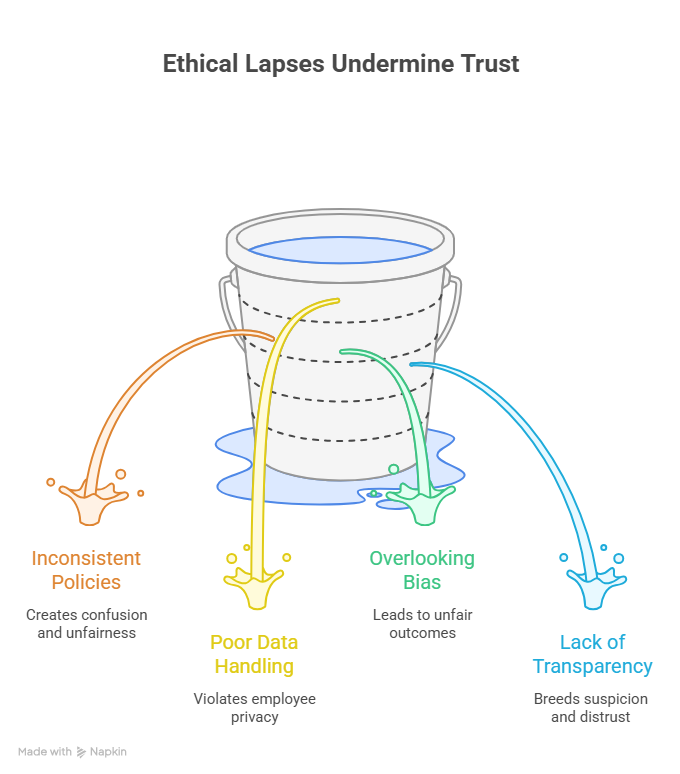
Even companies with strong HR policies can make ethical mistakes when processes are unclear or inconsistently followed. Small issues often become larger workplace problems when they are ignored for too long.
Understanding these common mistakes can help HR teams create a more fair and trustworthy work environment. It also helps organizations reduce risks related to employee trust and workplace culture.
1. Ignoring Ethical Issues Until They Escalate
Small workplace concerns can quickly turn into major problems when HR teams delay action. Ignoring complaints, conflicts, or unethical behavior often damages employee trust and workplace morale.
HR teams should address concerns early, investigate fairly, and communicate clearly. Timely action helps maintain a respectful and accountable workplace culture.
2. Lack of Consistency in Applying Policies
Employees expect workplace policies to apply equally across all teams and departments. Inconsistent decisions often create confusion, frustration, and perceptions of favoritism.
HR teams should follow standardized procedures for hiring, promotions, discipline, and conflict resolution. Consistent policy enforcement helps build trust and creates a fairer workplace environment.
3. Poor Handling of Sensitive Employee Data
HR departments manage confidential employee records, personal details, and workplace complaints daily. Poor data handling can lead to privacy risks and loss of employee confidence.
Sensitive information should only be shared with authorized individuals. Strong confidentiality practices help organizations maintain professionalism, trust, and legal compliance.
4. Overlooking Bias in Decision-Making
Bias can unintentionally influence recruitment, promotions, evaluations, and employee management decisions. When bias goes unchecked, workplace fairness and inclusion can suffer.
HR teams should use structured processes and objective evaluation methods wherever possible. Reducing bias helps create equal opportunities and supports a more inclusive workplace culture.
5. Failing to Communicate Decisions Transparently
Employees want clear communication about workplace policies, expectations, and important decisions. Poor transparency often creates misunderstandings and reduces employee trust.
HR teams should explain decisions openly and provide consistent communication across the organization. Transparent communication strengthens accountability and helps employees feel more informed and respected.
Suggested Reading:
Top HR Metrics Every HR Professional Should TrackConclusion
HR ethics play a major role in building a workplace where employees feel respected, protected, and valued. When HR teams follow ethical practices consistently, it improves trust, transparency, and long-term organizational growth.
From fair hiring to responsible communication, every ethical decision shapes employee experience and company culture. Businesses that prioritize ethics are also better prepared to attract and retain strong talent.
Platforms like Leelu.ai can further support ethical and consistent hiring by helping HR teams standardize workflows, reduce bias, and improve transparency across the recruitment process.
Frequently Asked Questions
1. What should HR teams do when ethical policies conflict with business goals?
HR teams should prioritize ethical standards while finding balanced solutions. Align decisions with long-term trust, compliance, and company values instead of short-term business pressure.
2. How can small companies implement HR ethics without a dedicated HR team?
Small companies can create simple policies, follow fair hiring practices, and ensure transparent communication. Leaders should take responsibility for maintaining consistency and ethical decision-making.
3. How often should HR ethics policies be reviewed and updated?
HR ethics policies should be reviewed at least once a year. Regular updates ensure alignment with changing laws, workplace trends, and evolving employee expectations.
4. What role does employee feedback play in maintaining HR ethics?
Employee feedback helps identify ethical gaps and workplace concerns early. It allows HR teams to improve policies, build trust, and create a more transparent work environment.
5. How can HR measure the effectiveness of ethical practices in the workplace?
HR can track employee feedback, complaint resolution, retention rates, and engagement surveys. These insights help evaluate fairness, transparency, and overall trust within the organization.


