Hiring today feels harder than ever, doesn’t it?
You post a job, wait for responses, and still struggle to find the right fit while timelines keep stretching.
The truth is, talent acquisition challenges are not just about finding candidates anymore—they impact speed, quality, and overall business growth.
In this guide, you’ll discover:
- The most common hiring challenges today
- Why they slow down your hiring process
- Practical ways to fix each one effectively
Key Factors Driving Talent Acquisition Challenges Today
Before you fix hiring problems, you need to understand what’s actually causing them.
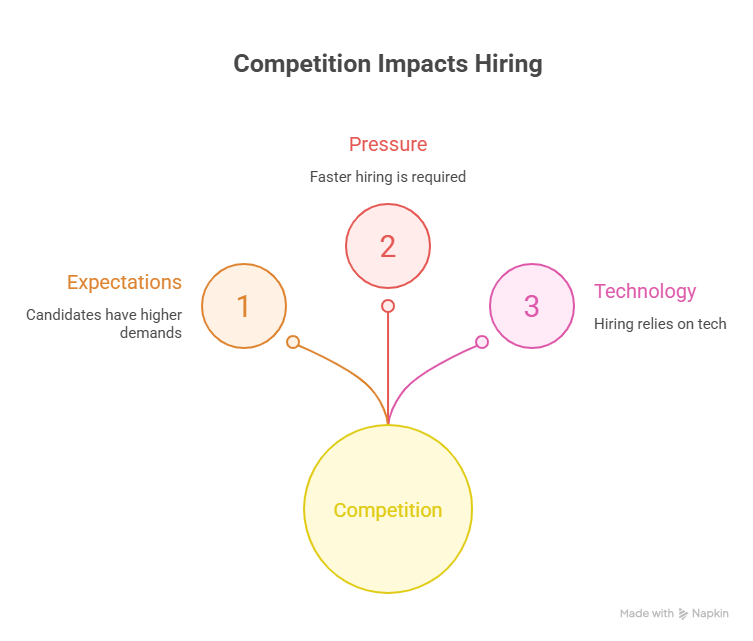
Most talent acquisition challenges today don’t come from one issue but from multiple shifts happening at the same time.
1. Rising competition for skilled candidates
You’re no longer competing with just a few companies for top talent.
You’re competing with global businesses, startups, and remote-first teams all targeting the same skilled candidates.
This makes it harder to grab attention, respond quickly, and secure top talent before someone else does.
2. Changing candidate expectations
Candidates today expect more than just a job offer.
They look for flexibility, faster communication, personalized outreach, and a smooth hiring experience that respects their time.
If your process feels slow or generic, candidates often drop off without a second thought.
3. Faster hiring cycles and pressure to deliver
Hiring timelines have shrunk, but expectations have increased.
You’re expected to source, screen, and hire quickly while still maintaining quality, which puts constant pressure on your team.
This often leads to rushed decisions or missed opportunities.
4. Increasing reliance on technology in hiring
Technology has become essential, but managing multiple tools can create new challenges.
From sourcing platforms to ATS systems, juggling disconnected tools can slow down workflows instead of improving them.
Without the right setup, technology can add complexity rather than solve it.
11 Talent Acquisition Challenges and Fixes
Now that you understand what’s driving these challenges, let’s break down the most common ones you’re likely facing and how you can fix them.
Each of these directly impacts how fast and effectively you hire.
1. Attracting qualified candidates

Getting applications is easy, but getting the right ones is where the real challenge begins.
When your job descriptions are too broad or your targeting is unclear, you end up with a high volume of unqualified applicants.
Fix: Focus on clarity and precision.
- Write specific, outcome-driven job descriptions
- Highlight what success looks like in the role
- Use targeted sourcing instead of relying only on inbound applications
This helps you attract candidates who actually fit your requirements.
2. High candidate drop-off rates
You might be getting interest, but candidates are disappearing midway through the process.
This usually happens when your hiring journey feels long, unclear, or unresponsive.
Fix: Make your process faster and more transparent.
- Reduce unnecessary steps in the hiring funnel
- Communicate timelines clearly
- Follow up consistently after every stage
When candidates know what to expect, they are more likely to stay engaged.
3. Slow hiring process
A slow hiring process is one of the biggest reasons you lose top talent.
By the time you make a decision, candidates often accept other offers.
Fix: Speed up without compromising quality.
- Automate repetitive tasks like sourcing and scheduling
- Set internal deadlines for each hiring stage
- Align decision-makers early in the process
Faster processes help you secure top candidates before competitors do.
4. Poor candidate experience
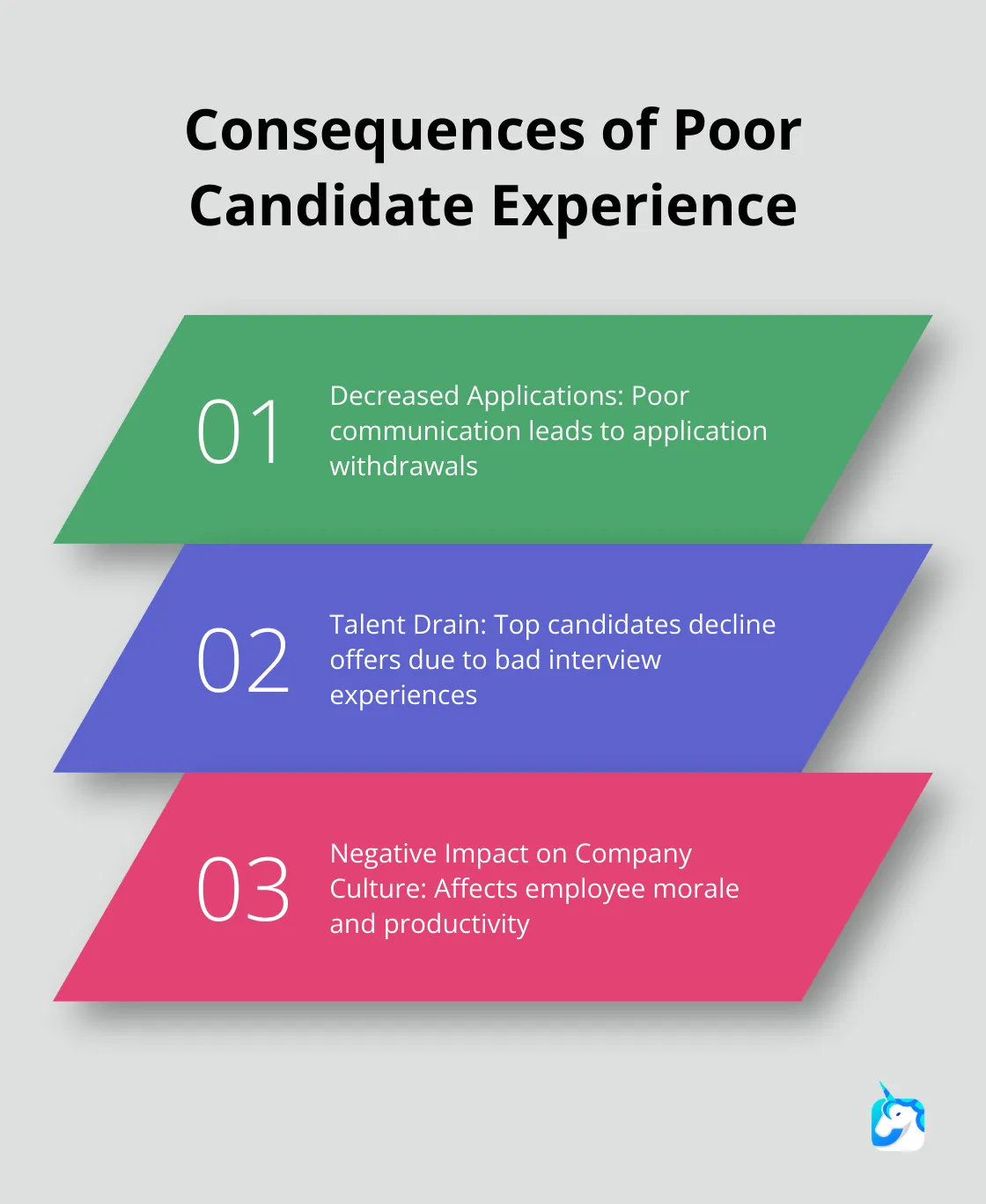
Every interaction a candidate has with your company shapes their perception.
A confusing or impersonal experience can push even strong candidates away.
Fix: Create a smooth and human-centered experience.
- Personalize communication instead of sending generic messages
- Keep candidates informed at every stage
- Respect their time with timely updates
A better experience not only improves hiring but also strengthens your employer brand.
5. Screening inefficiencies
Manually reviewing hundreds of resumes takes time and often leads to missed opportunities.
Important candidates can get overlooked simply due to volume and human limitations.
Fix: Improve how you screen and prioritize candidates.
- Use structured evaluation criteria
- Leverage tools to rank and shortlist candidates faster
- Focus your time only on the most relevant profiles
This allows you to move quickly while still maintaining hiring quality.
6. Bias in hiring decisions
Even with the best intentions, bias can quietly influence hiring decisions.
It often shows up in how resumes are evaluated or how interviews are conducted, leading to missed high-potential candidates.
Fix: Make your process more structured and objective.
- Use standardized evaluation criteria for all candidates
- Focus on skills and outcomes instead of backgrounds
- Involve multiple stakeholders in decision-making
This helps you make fairer and more consistent hiring choices.
7. Difficulty in assessing skills
Resumes don’t always tell you what a candidate can actually do.
Relying only on interviews or past experience makes it hard to accurately assess real skills.
Fix: Validate skills through practical evaluation.
- Use skill-based assessments or real-world tasks
- Introduce structured interview frameworks
- Focus on role-specific capabilities
This gives you a clearer picture of how candidates will perform.
8. Low offer acceptance rates
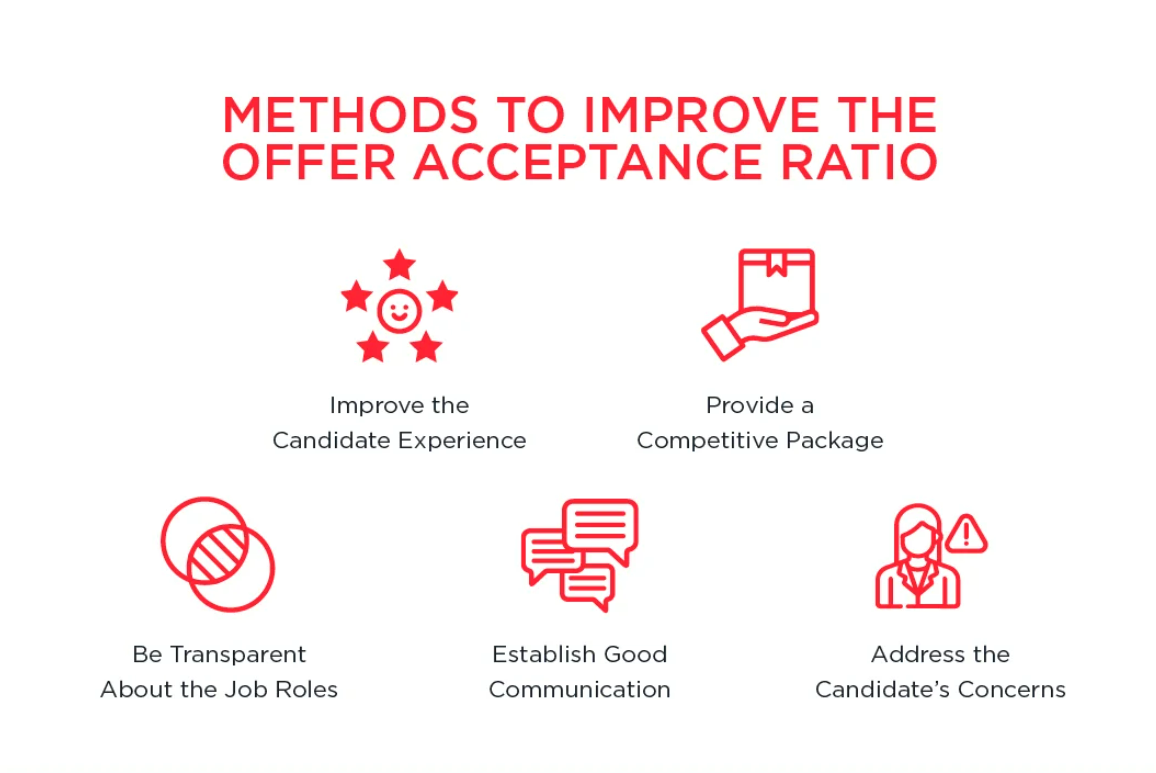
You finally find the right candidate, but they don’t accept your offer.
This usually happens when expectations are misaligned or competitors move faster.
Fix: Improve alignment early in the process.
- Discuss compensation and expectations upfront
- Maintain consistent engagement throughout the process
- Reduce delays between final rounds and offer rollout
Stronger communication increases your chances of closing top talent.
9. Ineffective employer branding
If candidates don’t clearly understand why they should join you, they won’t choose you.
A weak or unclear employer brand makes it harder to stand out in a competitive market.
Fix: Build a clear and authentic employer narrative.
- Highlight your culture, values, and growth opportunities
- Share real employee experiences
- Keep messaging consistent across platforms
This helps you attract candidates who align with your company.
10. Limited use of data in hiring
Many hiring decisions are still based on gut feeling rather than data.
Without insights, it’s difficult to identify what’s working and what’s not.
Fix: Start using data to guide decisions.
- Track key metrics like time-to-hire and drop-off rates
- Analyze which channels bring the best candidates
- Continuously optimize your hiring funnel
Data helps you make smarter and more predictable hiring decisions.
11. Scaling hiring without losing quality
As your hiring needs grow, maintaining quality becomes harder.
Processes that worked for a few hires often break when you need to hire at scale.
Fix: Build scalable and repeatable systems.
- Standardize workflows across hiring stages
- Automate repetitive tasks where possible
- Maintain consistent evaluation standards
This allows you to grow your hiring efforts without compromising on quality.
Suggested Reading:
Talent Acquisition Strategy, Process & Best PracticesFixing Talent Acquisition Challenges with Leelu.ai
At this point, you’ve seen how these challenges slow down your hiring and impact results.
The real shift happens when you stop patching individual problems and start fixing the entire hiring workflow end-to-end.
This is where Leelu.ai fits in naturally.
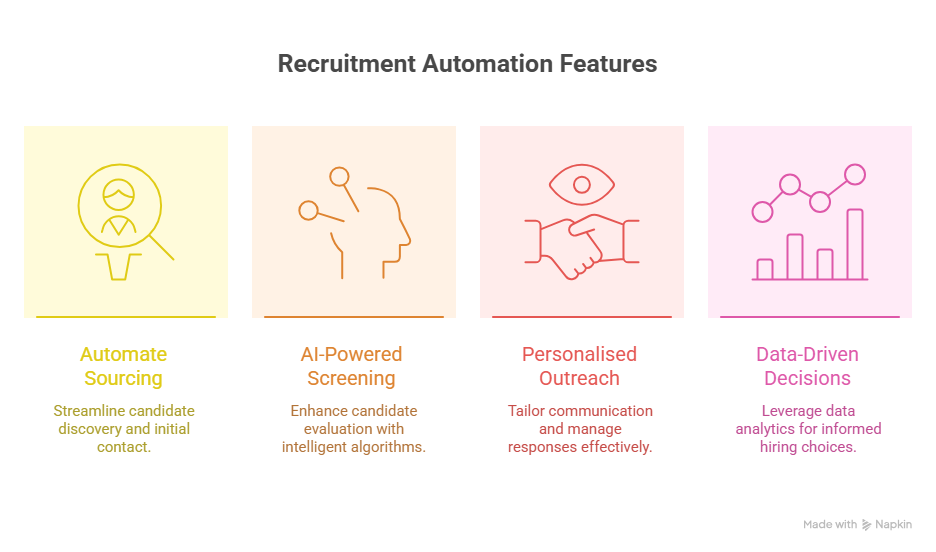
1. Automate sourcing and outreach
Sourcing candidates manually across platforms takes time and limits your reach.
Leelu.ai automates this by scanning millions of profiles across multiple platforms and initiating outreach at scale.
- Find candidates from a pool of 500M+ profiles
- Run outreach campaigns across channels simultaneously
- Reach more qualified candidates without extra effort
This helps you move from limited pipelines to consistent talent flow.
2. Improve screening with AI
Screening hundreds of resumes is not just slow, it’s also inconsistent.
Leelu.ai uses AI to parse, rank, and prioritize candidates based on job fit within minutes.
- Automatically shortlist top candidates
- Rank profiles based on match accuracy
- Reduce manual screening effort significantly
This ensures you focus only on the most relevant candidates.
3. Personalised Candidate Outreach and Reply Handling
Engaging candidates consistently is one of the hardest parts of hiring.
Leelu.ai handles personalized messaging and follow-ups automatically, keeping candidates engaged throughout the process.
- Send tailored outreach messages at scale
- Automate replies and follow-ups 24/7
- Maintain consistent communication without manual effort
This reduces drop-offs and improves response rates.
4. Use data for better hiring decisions
Without visibility, it’s difficult to improve your hiring process.
Leelu.ai provides real-time insights into your hiring funnel so you can optimize every step.
- Track performance across sourcing, resume screening, and outreach
- Identify bottlenecks in your hiring pipeline
- Make data-driven decisions with confidence
This helps you continuously improve hiring outcomes instead of relying on guesswork.
Suggested Reading:
Candidate Engagement StrategiesConclusion
Talent acquisition challenges aren’t going away, but how you handle them can completely change your hiring outcomes.
When you focus on improving speed, candidate experience, and decision-making, hiring becomes more predictable and effective.
The key is to move from manual, fragmented processes to a more structured and scalable approach.
That’s where tools like leelu.ai naturally fit in, helping you streamline sourcing, screening, and engagement so you can hire faster without compromising on quality.
Frequently Asked Questions
1. How can small companies build effective hiring pipelines without large budgets?
Use free tools, employee referrals, and social platforms to attract candidates, while standardizing processes to evaluate applicants consistently and fairly.
2. What metrics should recruiters track to improve hiring outcomes?
Track time to hire, cost per hire, quality of hire, and candidate satisfaction to identify gaps and improve hiring performance.
3. How can hiring teams improve collaboration during recruitment?
Create clear job descriptions, align interviewers on evaluation criteria, and use structured interviews to reduce confusion and improve hiring decisions.
4. What are effective ways to build a strong talent pipeline?
Leverage talent pools, campus hiring, and internal mobility programs to maintain a pipeline and reduce dependency on external recruitment channels.
5. How can companies reduce candidate drop-offs during hiring?
Ensure faster feedback, transparent communication, competitive compensation, and personalized engagement to keep candidates interested and reduce offer drop-offs significantly rates.


