Recruiters spend a large part of their week juggling sourcing, screening, outreach, interview scheduling, and hiring team coordination.
As hiring volumes increase, these repetitive tasks can quickly consume hours that could be spent building stronger candidate relationships.
That is why productivity tools have become essential for modern recruiting teams. The right tools help automate routine work, improve collaboration, and accelerate hiring decisions without adding complexity.
In this guide, you'll discover:
- Why productivity tools are becoming critical for recruiters
- 15 productivity tools that can save 10+ hours every week
- How to choose the right tools for your recruiting team
- Common productivity mistakes that can reduce hiring efficiency
Why Recruiters Need Productivity Tools More Than Ever
Recruiting has become far more complex than it was a few years ago.
You are expected to source talent, engage candidates, coordinate interviews, manage hiring managers, and keep the hiring pipeline moving at the same time.
As these responsibilities grow, staying productive becomes increasingly difficult without the right support systems.
1. Recruiters Handle More Tasks Than Ever Before
The role of a recruiter is no longer limited to finding candidates.
You often switch between sourcing, resume screening, outreach, interview scheduling, reporting, and stakeholder communication throughout the day.
When multiple open positions are involved, even small administrative tasks can quickly add up and consume valuable time.
2. Manual Work Slows Down Hiring Decisions
Many recruiting teams still spend hours on repetitive activities.
Reviewing resumes one by one, sending follow-up emails, updating spreadsheets, and coordinating calendars can slow the entire hiring process.
As a result, strong candidates may lose interest or accept another offer before a decision is made.
3. The Right Tools Create More Time for Candidate Relationships
This growing workload is exactly why productivity tools have become essential for modern recruiters.
By automating routine tasks and reducing manual effort, these tools free up time for more meaningful interactions with candidates.
Instead of spending your day on administrative work, you can focus on building relationships, improving candidate experiences, and making better hiring decisions.
How We Selected These Productivity Tools for Recruiters
With hundreds of productivity tools available, choosing the right ones can be challenging. Some tools promise efficiency but add complexity, while others solve specific recruiting problems without delivering meaningful results.
To create this list, we focused on tools that help recruiters save time, improve workflows, and make hiring processes more efficient.
1. Tools That Reduce Repetitive Recruiting Tasks
A significant portion of a recruiter's day is spent on routine activities that must be completed repeatedly. Tasks such as candidate sourcing, resume screening, outreach, interview scheduling, and data entry can quickly consume valuable hours.
We prioritized tools that automate these processes and help recruiters spend less time on administrative work.
2. Tools That Improve Hiring Team Collaboration
Recruiting rarely happens in isolation. Hiring managers, interviewers, recruiters, and coordinators all need to stay aligned throughout the hiring process.
That's why we included tools that make communication easier, improve visibility across teams, and reduce delays caused by fragmented workflows.
3. Tools That Deliver Measurable Time Savings
Productivity tools should do more than simplify tasks—they should create measurable improvements. We looked for solutions that help recruiters complete work faster, reduce manual effort, and eliminate common bottlenecks.
The tools featured in this list are widely used because they help recruiting teams save time consistently while maintaining a high-quality hiring experience.
15 Productivity Tools for Recruiters That Save 10+ Hours Weekly
Now that you know what makes a recruiting productivity tool valuable, it's time to look at the platforms that consistently help recruiters save time and streamline their workflows.
While every recruiting team has different needs, the tools below stand out because they reduce manual work, improve efficiency, and help recruiters focus on higher-value activities.
1. Leelu.ai
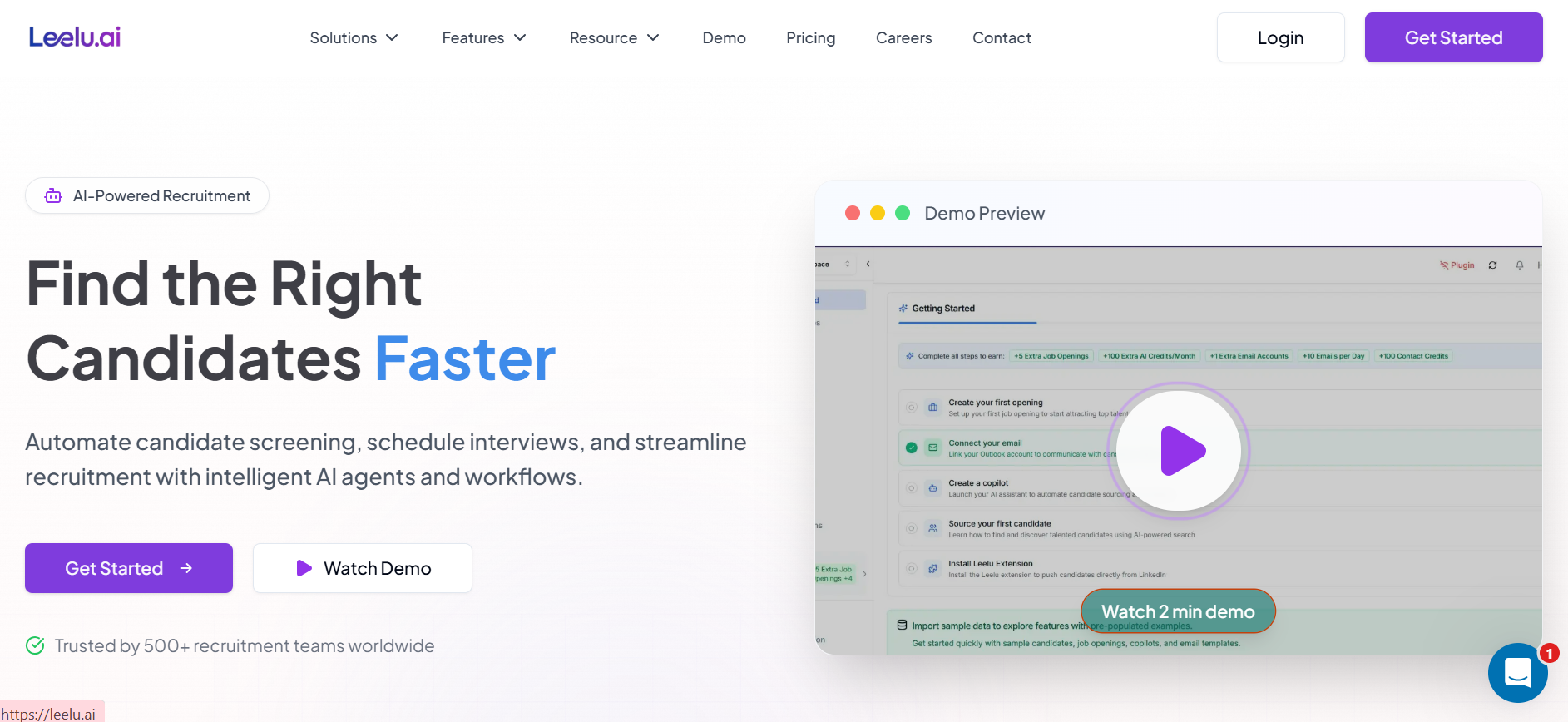
If you're looking for a platform that automates large parts of the recruiting process, Leelu.ai is built specifically for that purpose.
Instead of using separate tools for sourcing, screening, outreach, and scheduling, you can manage the entire workflow from a single platform.
Leelu.ai acts as an AI recruiting copilot that helps recruiters move from job creation to candidate engagement much faster. It can source candidates from hundreds of millions of profiles, automatically screen applicants, personalize outreach, and coordinate interview scheduling.
For recruiting teams dealing with high hiring volumes, this significantly reduces manual effort while helping maintain hiring quality.
Some of the biggest productivity benefits include:
- AI-powered candidate sourcing across multiple platforms
- Automated resume screening and candidate matching
- Personalized outreach at scale
- Smart interview scheduling
- Centralized recruiting workflows in one platform
By eliminating repetitive recruiting tasks, Leelu.ai allows recruiters to spend more time building relationships with qualified candidates.
Suggested Reading:
How Recruitment Automation Is Transforming Hiring in USA2. LinkedIn Recruiter
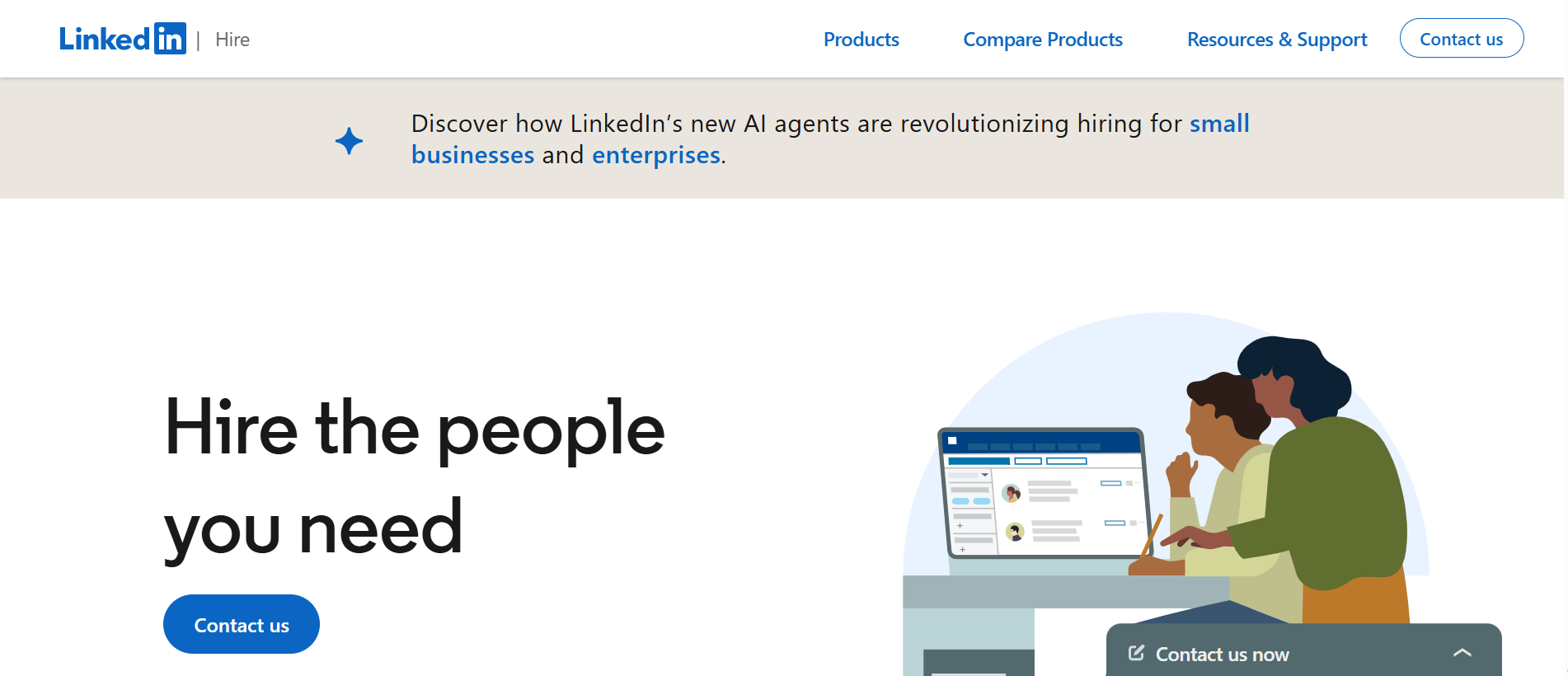
LinkedIn Recruiter remains one of the most widely used sourcing tools in recruiting.
Its advanced search filters help you identify candidates based on skills, experience, location, industry, and other hiring criteria.
The platform also simplifies candidate outreach and pipeline management, making it easier to engage passive talent without spending hours searching manually.
3. Gem
Recruiting often involves managing large volumes of candidate communication.
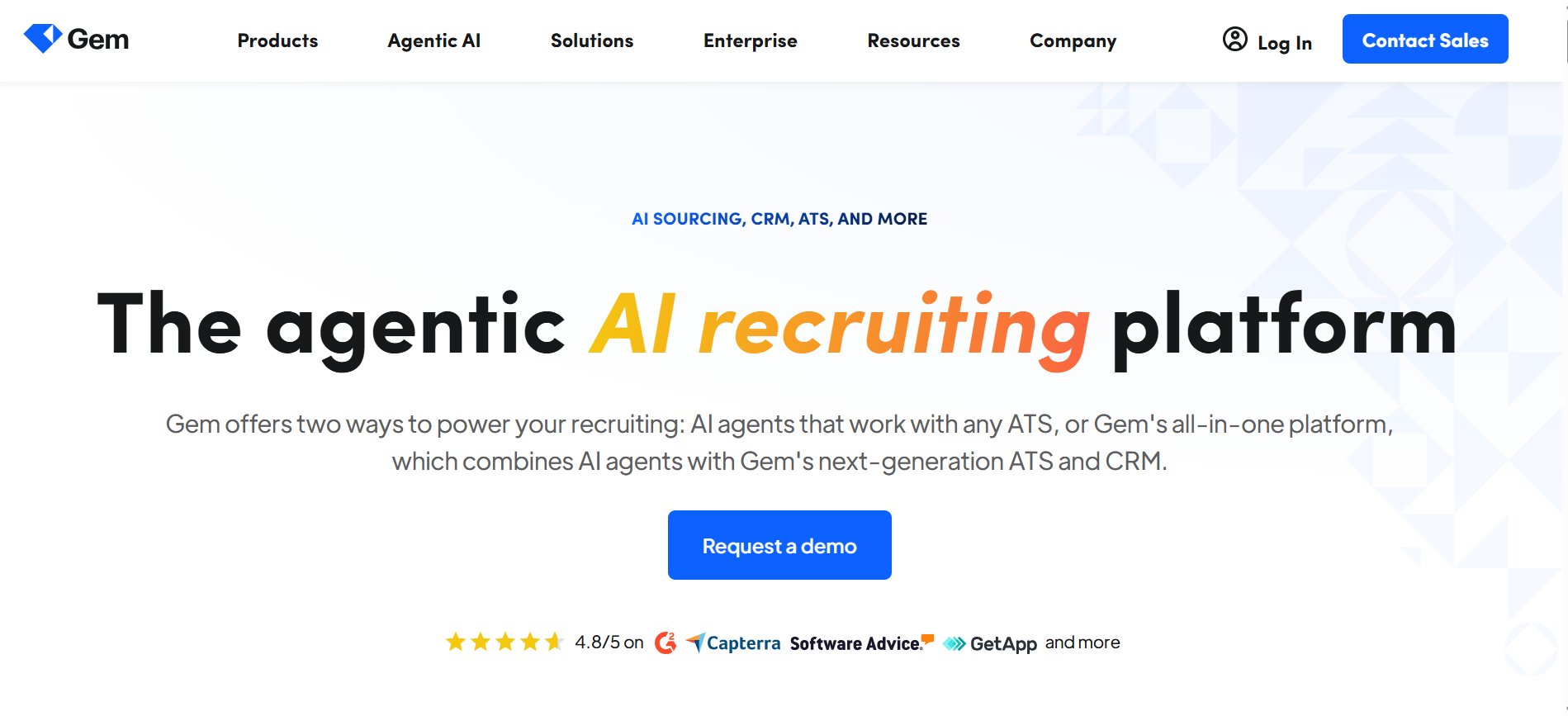
Gem helps streamline this process by automating outreach sequences, follow-ups, and candidate engagement activities.
The platform also provides recruiting analytics that help teams understand what sourcing strategies are producing the best results.
For recruiters who spend significant time managing outbound recruiting campaigns, Gem can create substantial time savings.
4. Calendly
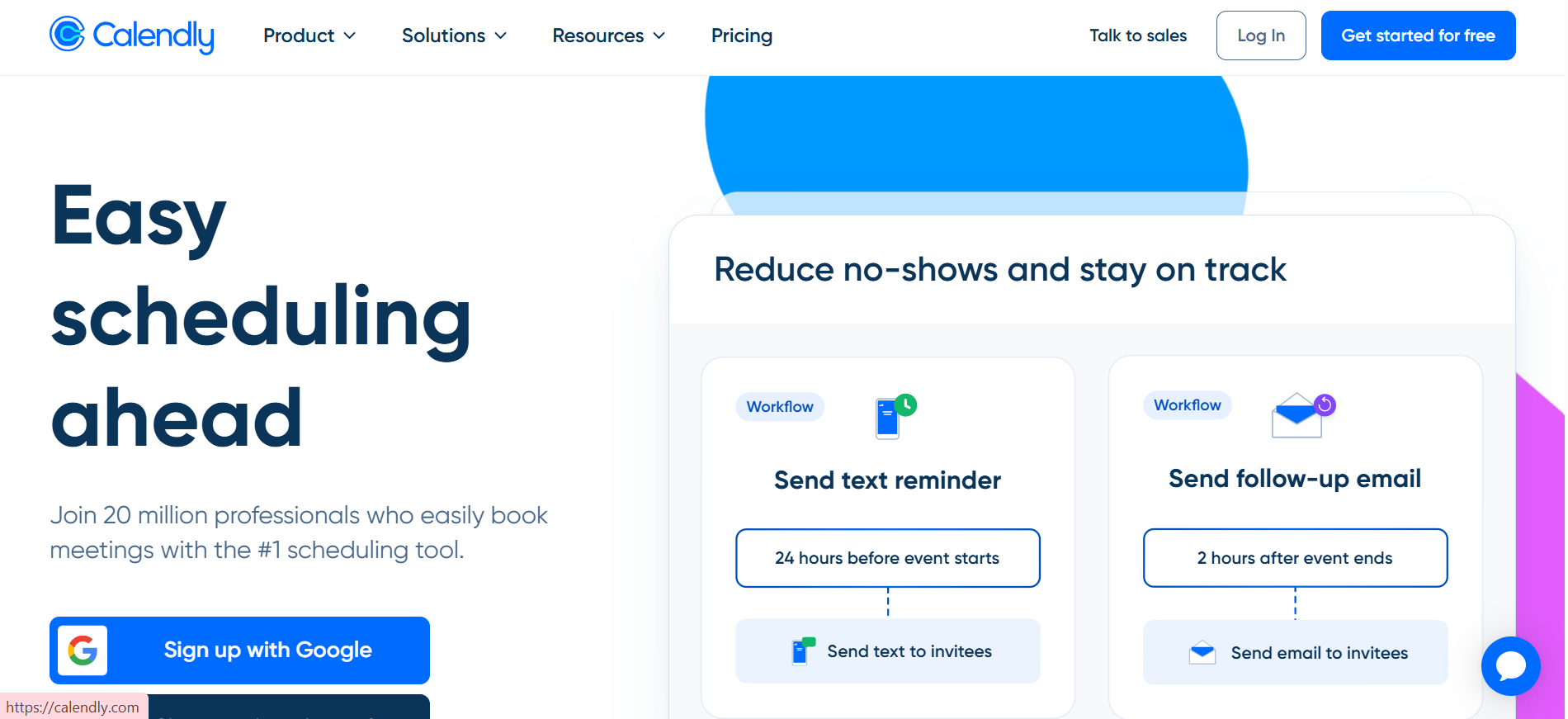
Scheduling interviews may seem like a small task, but it often becomes one of the most time-consuming parts of recruiting.
Back-and-forth emails, calendar conflicts, and last-minute rescheduling can quickly add up.
Calendly removes much of that friction by allowing candidates and hiring teams to book available time slots automatically.
As a result, recruiters spend less time coordinating calendars and more time moving candidates through the hiring process.
4. Notion
Productivity is not only about automation. It is also about keeping information organized and accessible.
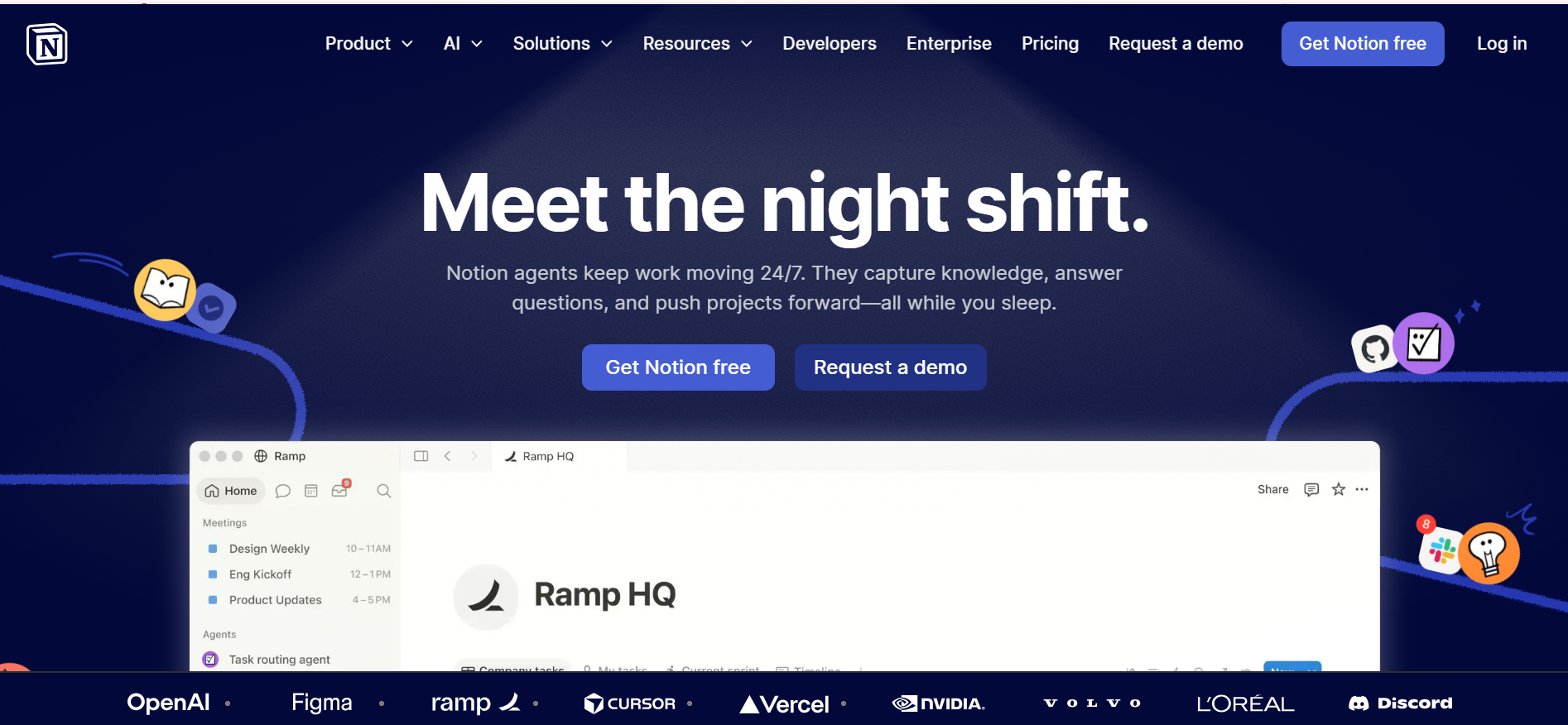
Notion helps recruiting teams centralize hiring documentation, interview processes, candidate notes, scorecards, and internal knowledge.
Instead of searching through emails, spreadsheets, or multiple applications, your team can access important information from a single workspace.
This improves collaboration while reducing the time spent looking for critical recruiting data.
Together, these tools address some of the biggest productivity challenges recruiters face, from candidate sourcing and outreach to scheduling and team collaboration.
In the next section, we'll explore additional tools that help recruiting teams work faster and scale their hiring efforts more effectively.
5. Slack
Recruiting involves constant communication between recruiters, hiring managers, interviewers, and leadership teams.
Without a centralized communication platform, important updates can easily get buried in email threads or scattered across different channels.
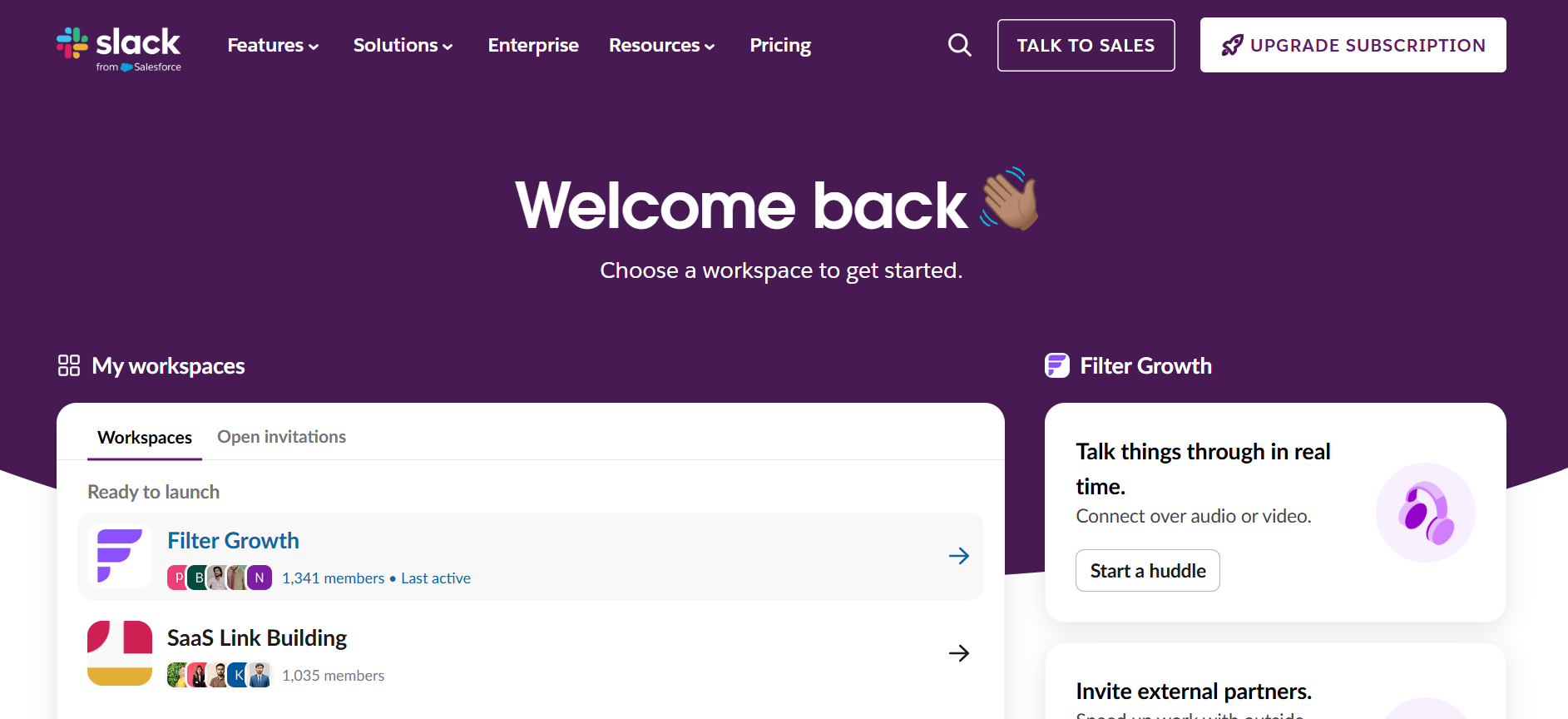
Slack helps teams stay aligned by organizing conversations into dedicated channels. Recruiters can quickly share candidate updates, collect interview feedback, and coordinate hiring decisions without lengthy email exchanges.
This faster communication often translates into quicker hiring decisions and fewer process bottlenecks.
6. Grammarly
Writing is a major part of recruiting.
Whether you're creating outreach messages, writing job descriptions, communicating with candidates, or sharing internal updates, clear communication matters.
Grammarly helps recruiters improve the quality and consistency of their writing by identifying grammar issues, improving readability, and suggesting more effective wording.
Instead of spending extra time proofreading messages, recruiters can communicate confidently while maintaining a professional candidate experience.
7. Loom
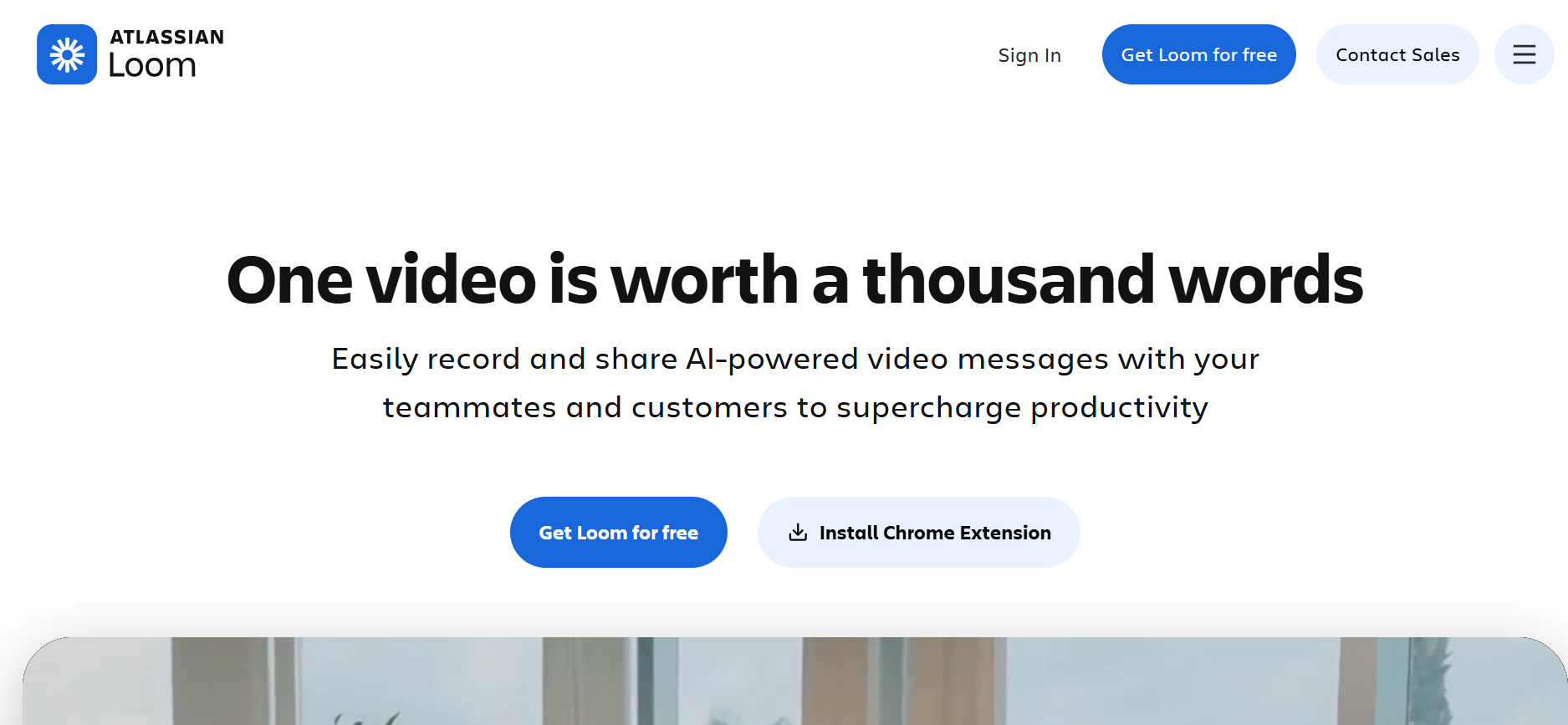
Not every conversation requires a meeting.
Recruiters often need to explain hiring processes, share candidate feedback, provide updates, or answer common questions. Scheduling meetings for every discussion can slow productivity and create calendar overload.
Loom allows users to record quick video messages that can be shared instantly with team members.
This makes it easier to communicate context, explain complex topics, and reduce unnecessary meetings while keeping everyone informed.
For distributed recruiting teams, Loom can save several hours of meetings each week.
8. Trello
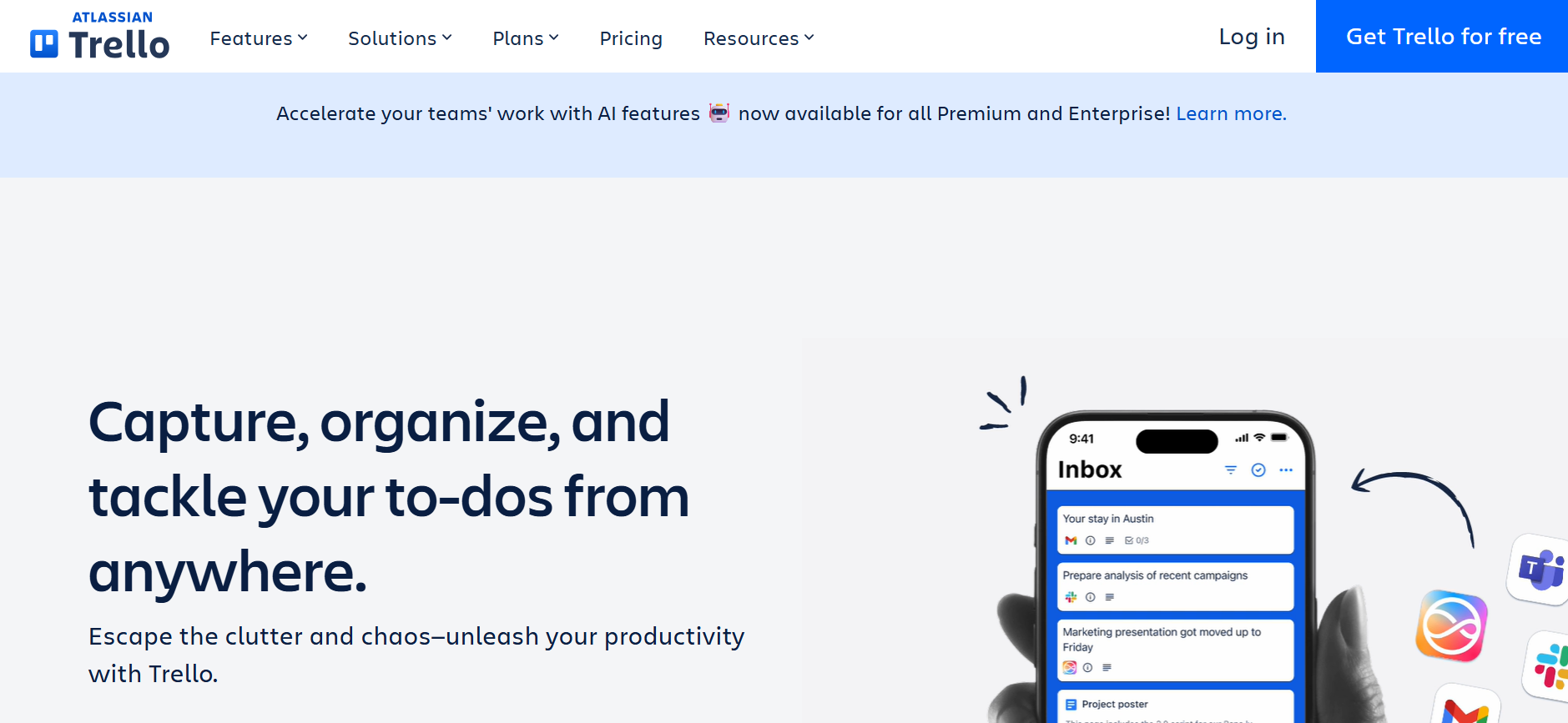
Managing multiple open roles can quickly become difficult without a structured workflow.
Trello provides a simple visual project management system that helps recruiters organize tasks, hiring stages, and recruiting activities.
Teams can create boards for different roles, track candidate progress, assign responsibilities, and monitor deadlines in one place.
The visual nature of Trello makes it easy to identify hiring bottlenecks before they impact recruitment timelines.
For smaller recruiting teams, it can serve as an effective way to keep hiring projects organized without adding complexity.
9. Zapier
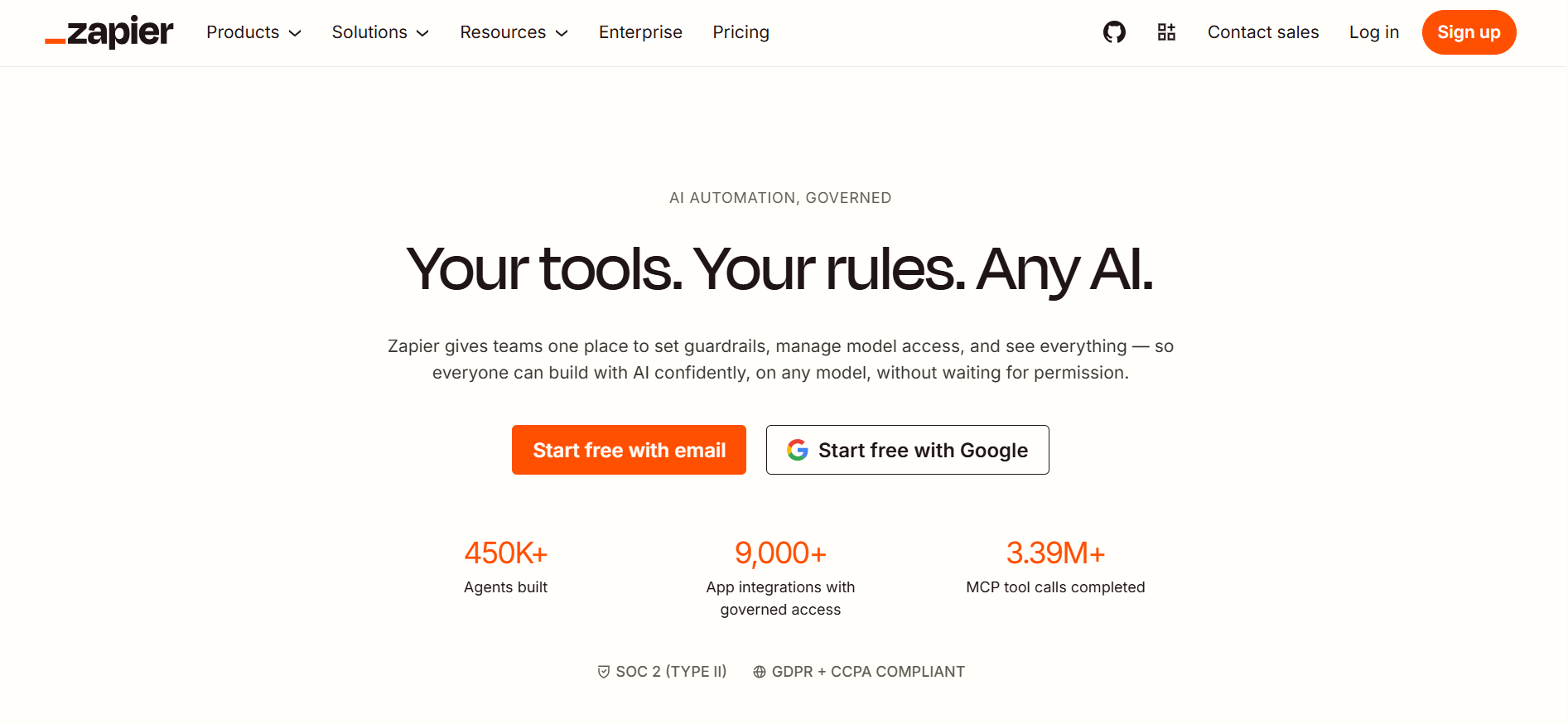
Many recruiting teams use multiple tools throughout the hiring process.
The challenge is that moving information between systems often requires manual work.
Zapier solves this problem by connecting applications and automating repetitive workflows. Instead of manually transferring data between recruiting tools, recruiters can create automated workflows that handle those tasks automatically.
Common recruiting automations include:
- Sending candidate information between platforms
- Triggering interview scheduling workflows
- Creating tasks after application submissions
- Updating spreadsheets and reporting dashboards
These automations eliminate repetitive administrative work and help recruiters focus on more strategic activities.
10. Greenhouse

As hiring volume grows, managing candidates efficiently becomes increasingly important.
Greenhouse is one of the most widely used applicant tracking systems because it helps recruiting teams organize and streamline the entire hiring process.
The platform centralizes candidate information, interview feedback, hiring workflows, and reporting. This reduces the need to switch between multiple systems and gives recruiters a clear view of every stage of the hiring pipeline.
Greenhouse also supports collaboration between recruiters and hiring managers, helping teams make decisions faster while maintaining a structured hiring process.
Together, these tools help recruiters improve communication, automate routine work, and keep hiring projects organized. The result is a more efficient recruiting process that saves time while creating a better experience for both candidates and hiring teams.
11. Ashby
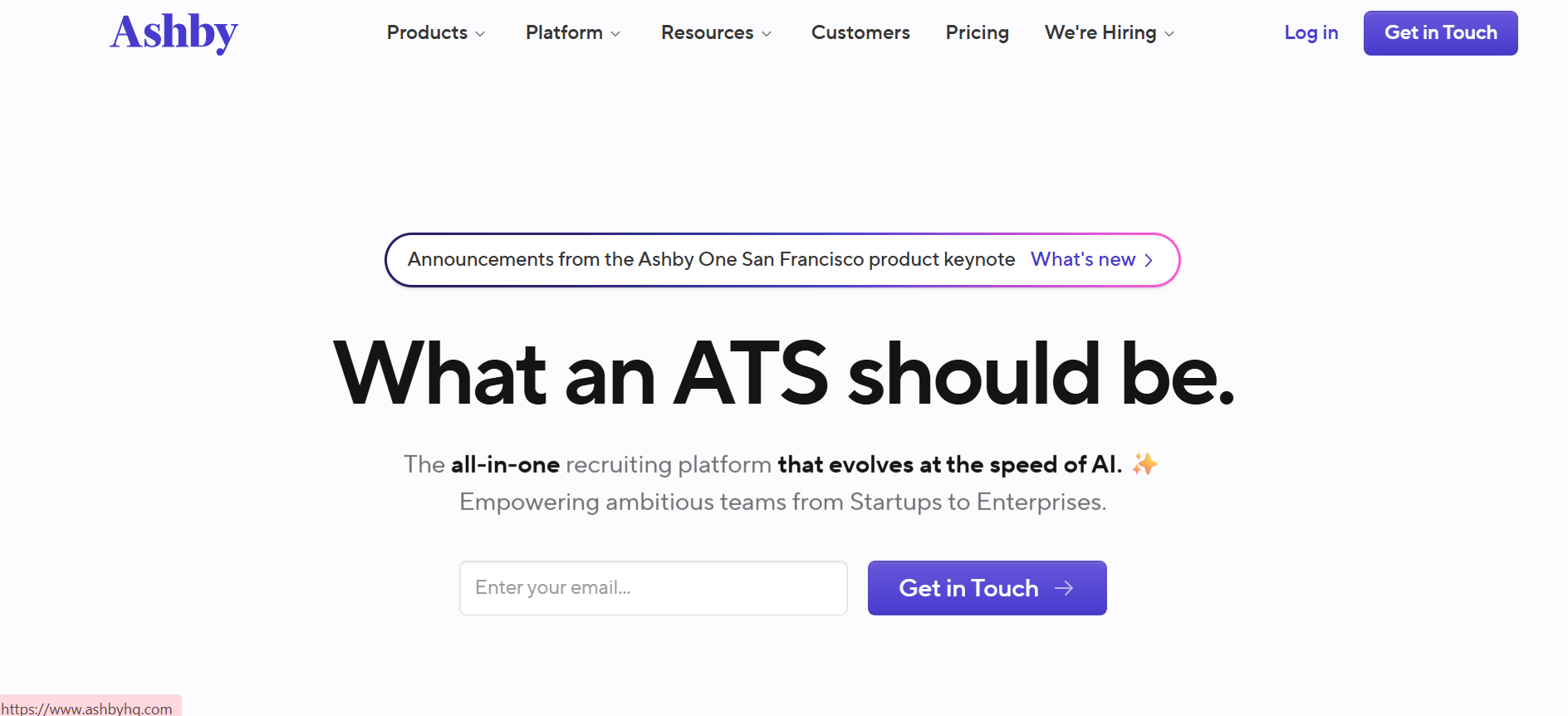
Ashby is a modern recruiting platform designed to bring sourcing, applicant tracking, and analytics into a single system.
Instead of switching between multiple tools, recruiters can manage the entire hiring pipeline in one place, from candidate sourcing to final offer.
One of Ashby’s biggest strengths is its focus on data-driven hiring. It provides detailed insights into pipeline performance, time-to-hire metrics, and recruiter activity.
This helps teams identify bottlenecks and improve hiring efficiency over time.
For fast-growing companies, Ashby reduces complexity while improving hiring visibility across teams.
12. ClickUp
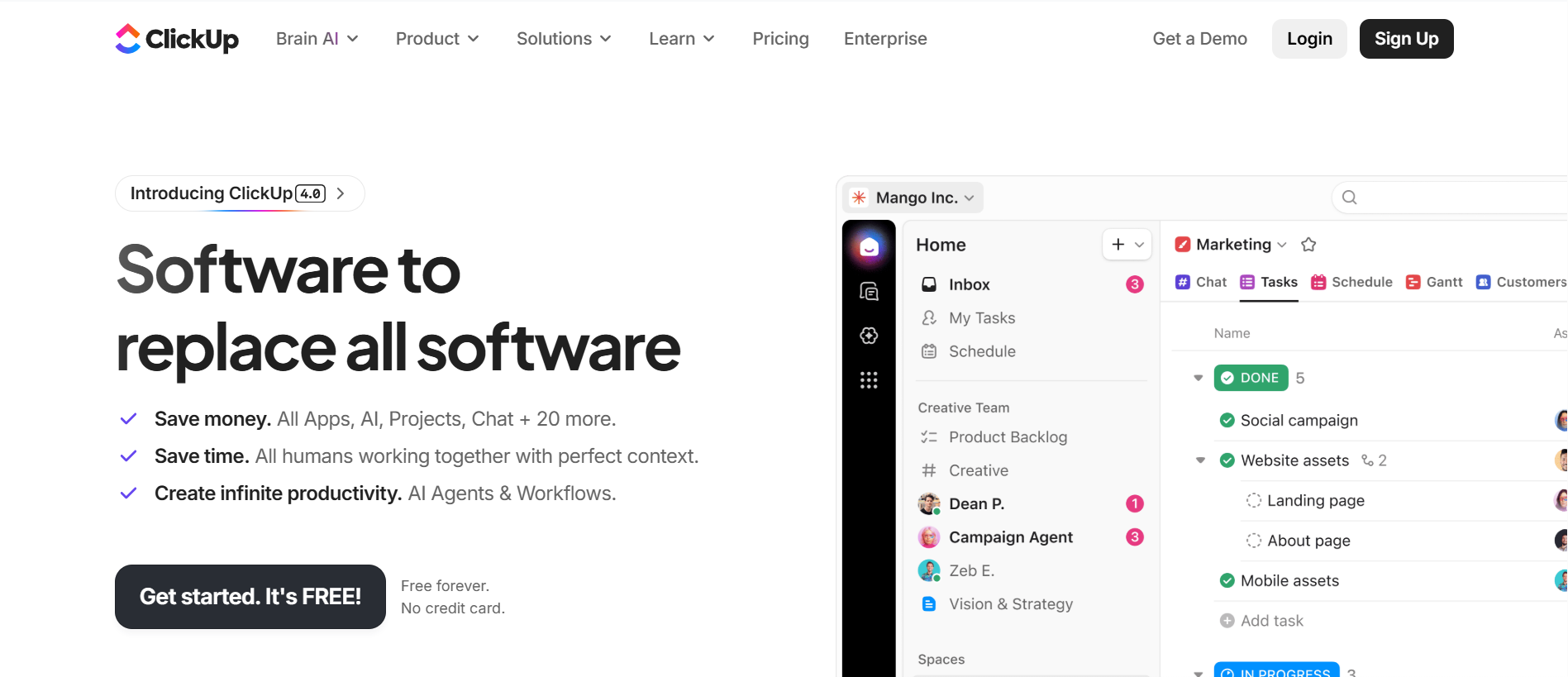
Recruiting involves many moving parts, especially when multiple roles are open at once.
ClickUp helps recruiters manage tasks, hiring workflows, and team collaboration in a structured way.
Teams can create custom workflows for each role, assign responsibilities, track progress, and monitor deadlines in real time.
Unlike basic task tools, ClickUp allows recruiters to build detailed hiring pipelines that match their internal processes.
This makes it especially useful for teams that want flexibility without losing structure.
13. HireEZ
Finding qualified candidates quickly is one of the biggest challenges in recruiting.
HireEZ helps solve this by enabling recruiters to source candidates across multiple platforms using AI-powered search.
Instead of manually searching on job boards or LinkedIn, recruiters can identify relevant candidates based on skills, experience, and job fit in seconds.
The platform also helps with outreach, making it easier to engage passive candidates at scale.
For sourcing-heavy roles, HireEZ significantly reduces the time spent finding qualified talent.
14. ChatGPT
Recruiters spend a surprising amount of time writing content.
From job descriptions and outreach emails to interview questions and feedback summaries, writing takes up a significant portion of the day.
ChatGPT helps accelerate this process by generating high-quality written content in seconds.
Recruiters can use it to draft job descriptions, improve candidate messages, or create structured interview guides.
While it doesn’t replace recruiting expertise, it helps reduce time spent on repetitive writing tasks and improves communication quality across teams.
15. Google Workspace
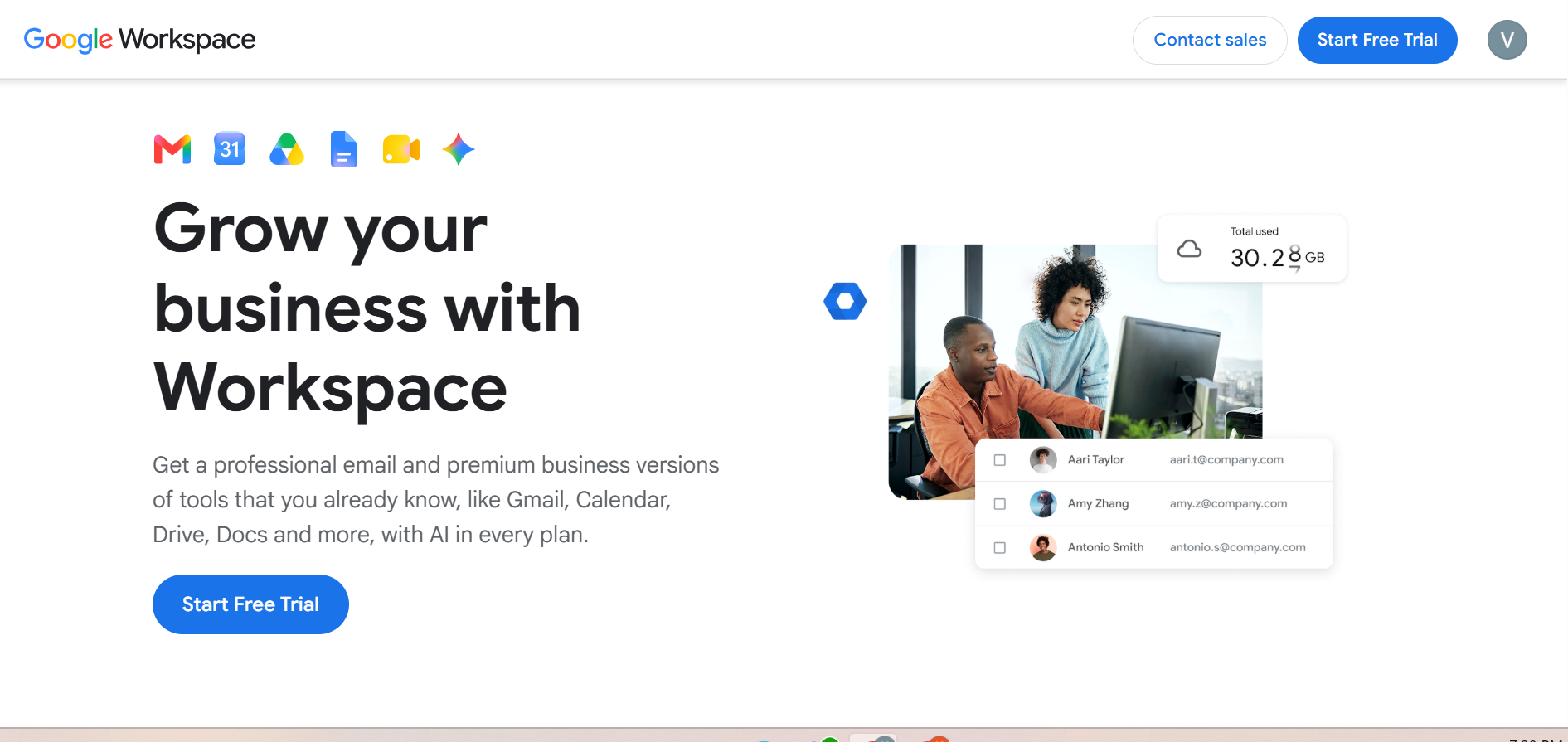
Most recruiting operations still rely heavily on Google Workspace for day-to-day collaboration.
Tools like Gmail, Google Sheets, Docs, and Calendar help recruiters manage communication, track candidates, and coordinate interviews.
Google Sheets is often used for tracking hiring pipelines, while Google Docs supports collaborative feedback and interview notes.
Calendar integration ensures smooth scheduling between recruiters and candidates.
Because it is already widely adopted, Google Workspace acts as the backbone of many recruiting workflows.
Together, these tools help recruiting teams operate at scale by improving structure, automating repetitive tasks, and enhancing collaboration across hiring functions.
They complement earlier tools by strengthening the execution layer of the recruiting process and ensuring that teams can manage high-volume hiring efficiently.
How to Choose the Right Productivity Tools for Your Recruiting Team
The right productivity tool can save recruiters hours every week. But with so many options available, choosing the right one often feels overwhelming.
Instead of chasing every new platform, focus on tools that solve the biggest challenges in your hiring process.
1. Focus on the Biggest Time Drains First
Start by identifying where your team spends the most time.
For many recruiters, repetitive tasks like sourcing candidates, screening resumes, sending follow-ups, and scheduling interviews consume a large portion of the day.
When you know which activities slow your team down, it becomes much easier to find tools that deliver measurable value instead of adding another layer of complexity.
Suggested Reading:
10 Candidate Sourcing Channels That Deliver Better Hires Fast2. Prioritize Automation Opportunities
Once you've identified the bottlenecks, look for areas that can be automated.
Tasks such as candidate sourcing, resume screening, outreach campaigns, and interview scheduling are ideal candidates for automation.
Platforms like Leelu AI help recruiters automate these repetitive workflows, allowing teams to focus more on candidate relationships and hiring decisions rather than administrative work.
3. Select Tools That Integrate Easily
Even the most powerful tool can create problems if it doesn't fit into your existing workflow.
Look for solutions that integrate smoothly with your ATS, email platforms, calendars, and other recruiting systems.
Strong integrations reduce manual data entry, improve collaboration, and ensure information stays updated across your hiring stack.
4. Measure Time Savings After Implementation
Implementing a tool is only the first step.
Track key metrics such as time-to-hire, hours spent on administrative tasks, and recruiter productivity before and after adoption.
Measuring results helps you understand whether the tool is delivering real value and ensures your recruiting technology investments continue to support long-term hiring efficiency.
Common Productivity Mistakes Recruiters Should Avoid
Productivity tools can significantly improve recruiting efficiency, but only when they're used strategically.
Many hiring teams invest in technology expecting immediate results, only to discover that poor implementation creates new challenges instead of solving existing ones.
1. Using Too Many Tools at Once
One of the most common mistakes is building a recruiting stack filled with disconnected platforms.
Switching between multiple sourcing, outreach, scheduling, and tracking tools often creates more work than it removes. Instead of increasing productivity, it can lead to confusion, duplicate data, and inefficient workflows.
2. Automating Processes Without Clear Workflows
Automation works best when the underlying process is already well defined.
If your recruiting workflow is inconsistent, automating it may simply scale the inefficiencies. Before introducing automation, map out each stage of your hiring process and identify clear responsibilities and goals.
3. Ignoring Tool Adoption Across the Team
Even the best recruiting software won't deliver results if your team doesn't use it consistently.
Provide proper training, create clear usage guidelines, and ensure recruiters understand how the tool fits into their daily work. Strong adoption is often the difference between success and failure.
4. Tracking Activity Instead of Outcomes
Many recruiting teams focus on metrics like emails sent or candidates contacted.
While activity matters, the real goal is hiring outcomes. Focus on metrics such as qualified candidates, interview conversions, time-to-hire, and placement success to understand whether your tools are actually improving productivity.
Conclusion
Recruiting productivity is not about working faster at every task. It's about eliminating repetitive work, improving workflows, and giving recruiters more time to focus on building relationships with the right candidates.
By choosing the right tools, automating high-impact tasks, and avoiding common productivity mistakes, your team can hire more efficiently without increasing workload.
As hiring becomes increasingly competitive, recruiters who combine smart processes with the right technology will be better positioned to attract top talent, reduce time-to-hire, and create a more effective recruiting operation.
Frequently Asked Questions
1. What are the best productivity tools for recruiters?
The best tools automate sourcing, screening, scheduling, communication, and collaboration while helping recruiters save time and improve hiring efficiency.
2. How can productivity tools help recruiters save time?
They reduce manual work by automating repetitive tasks like candidate sourcing, outreach, interview scheduling, and data management.
3. Should small recruiting teams use productivity tools?
Yes. Productivity tools help small teams handle higher hiring volumes without increasing workload or adding additional recruiters.
4. How do I choose the right recruiting productivity tool?
Start by identifying workflow bottlenecks, then select tools that automate tasks and integrate with existing systems.
5. Can AI-powered recruiting tools improve hiring outcomes?
Yes. AI tools can accelerate sourcing, screening, outreach, and scheduling while helping recruiters identify qualified candidates faster.


