
Finding great candidates is no longer the hard part.
The real challenge is reaching talented professionals who are not actively applying for jobs but are open to the right opportunity.
That is why passive candidate sourcing has become one of the most valuable recruiting skills. The best candidates are often already employed, performing well, and rarely browsing job boards.
The good news is that recruiters today have access to smarter sourcing methods that make identifying and engaging passive talent much easier.
In this guide, you'll learn:
- The passive sourcing fundamentals every recruiter should master
- 11 practical passive candidate sourcing hacks that uncover hidden talent
- A proven outreach framework that improves response rates
- How to build a passive candidate pipeline that grows stronger over time
Get These Passive Sourcing Fundamentals Right First
Before you start experimenting with sourcing hacks, it's important to build a strong foundation.
Many recruiters focus on finding more candidates when the real issue is that their sourcing process isn't designed to attract and engage passive talent effectively. Getting a few fundamentals right can significantly improve your sourcing results.
1. Define Your Ideal Candidate Beyond Job Titles
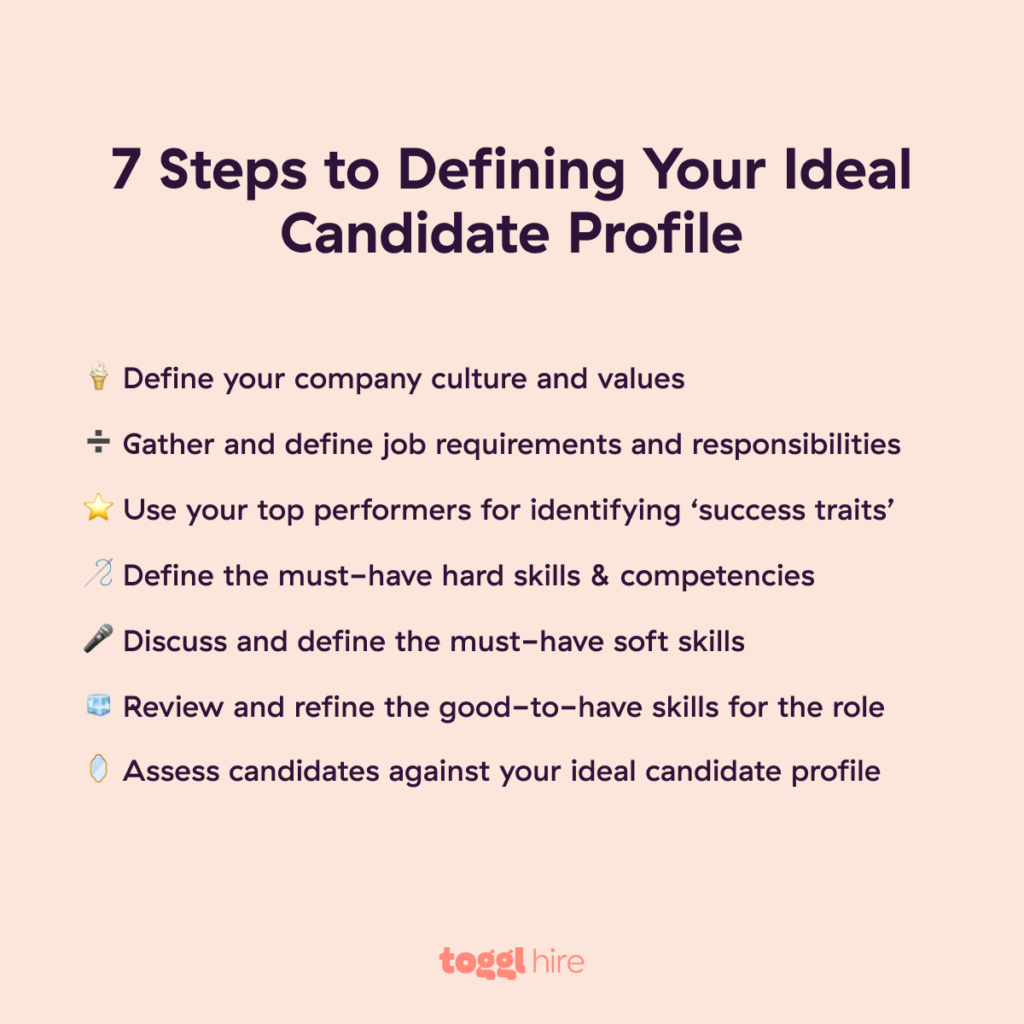
Job titles rarely tell the full story.
Two people with the same title can have completely different skills, responsibilities, and career goals. Instead of searching only for titles, identify the specific experience, technical skills, achievements, and industries that make someone a strong fit.
Ask yourself:
- What problems should this person be able to solve?
- Which skills are absolutely necessary?
- What career path typically produces successful hires?
This approach helps you uncover qualified candidates who may be overlooked by traditional searches.
2. Build an Opportunity Story Passive Candidates Actually Care About
Passive candidates are not actively looking for a job.
That means your opportunity needs to be more compelling than a list of responsibilities and benefits. Focus on what could motivate someone to consider a change.
Whether it's career growth, ownership, leadership exposure, or the chance to work on meaningful projects, your message should explain why this opportunity matters to them.
3. Set Up a Sourcing Workflow That Prioritizes Speed
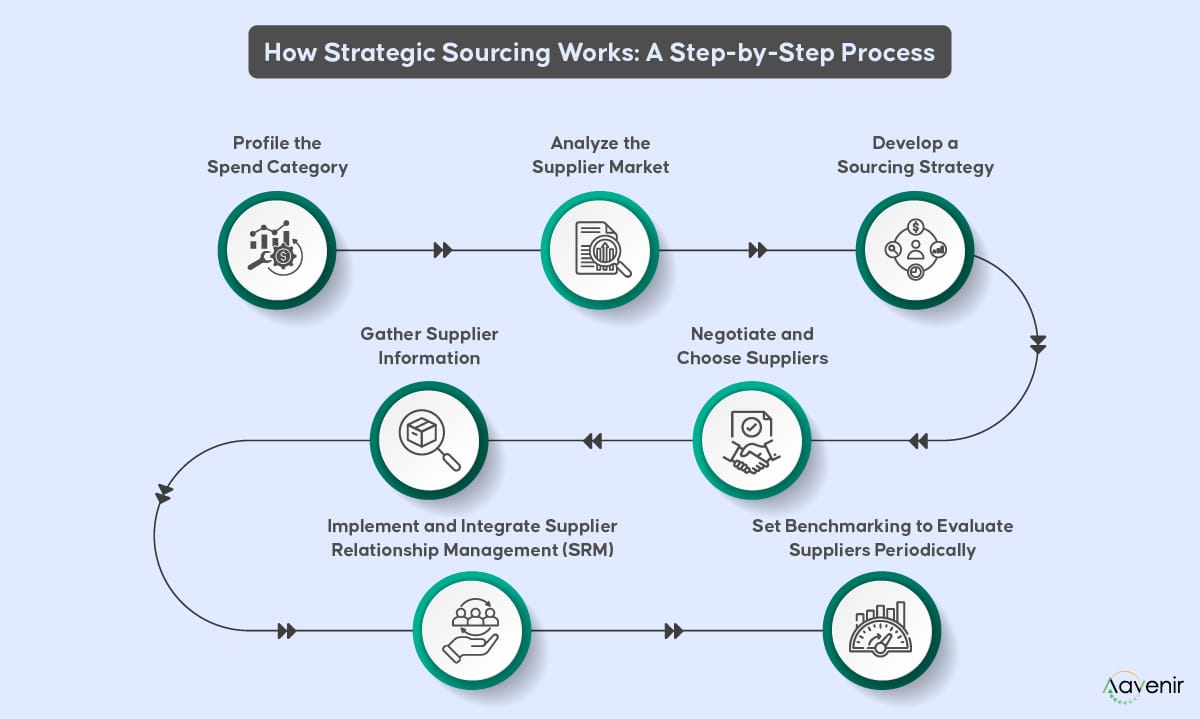
Great candidates move quickly.
If your sourcing, outreach, and screening process takes weeks, you risk losing talent before meaningful conversations even begin. Create a workflow that allows you to identify, contact, and evaluate candidates without unnecessary delays.
4. Create Talent Pools Before Roles Open Up
The best time to build candidate relationships is before you need them.
Maintain organized talent pools based on skills, experience levels, and functional expertise. When a new role opens, you'll already have a list of relevant prospects instead of starting from scratch.
5. Make Employer Branding Part of Your Sourcing Strategy
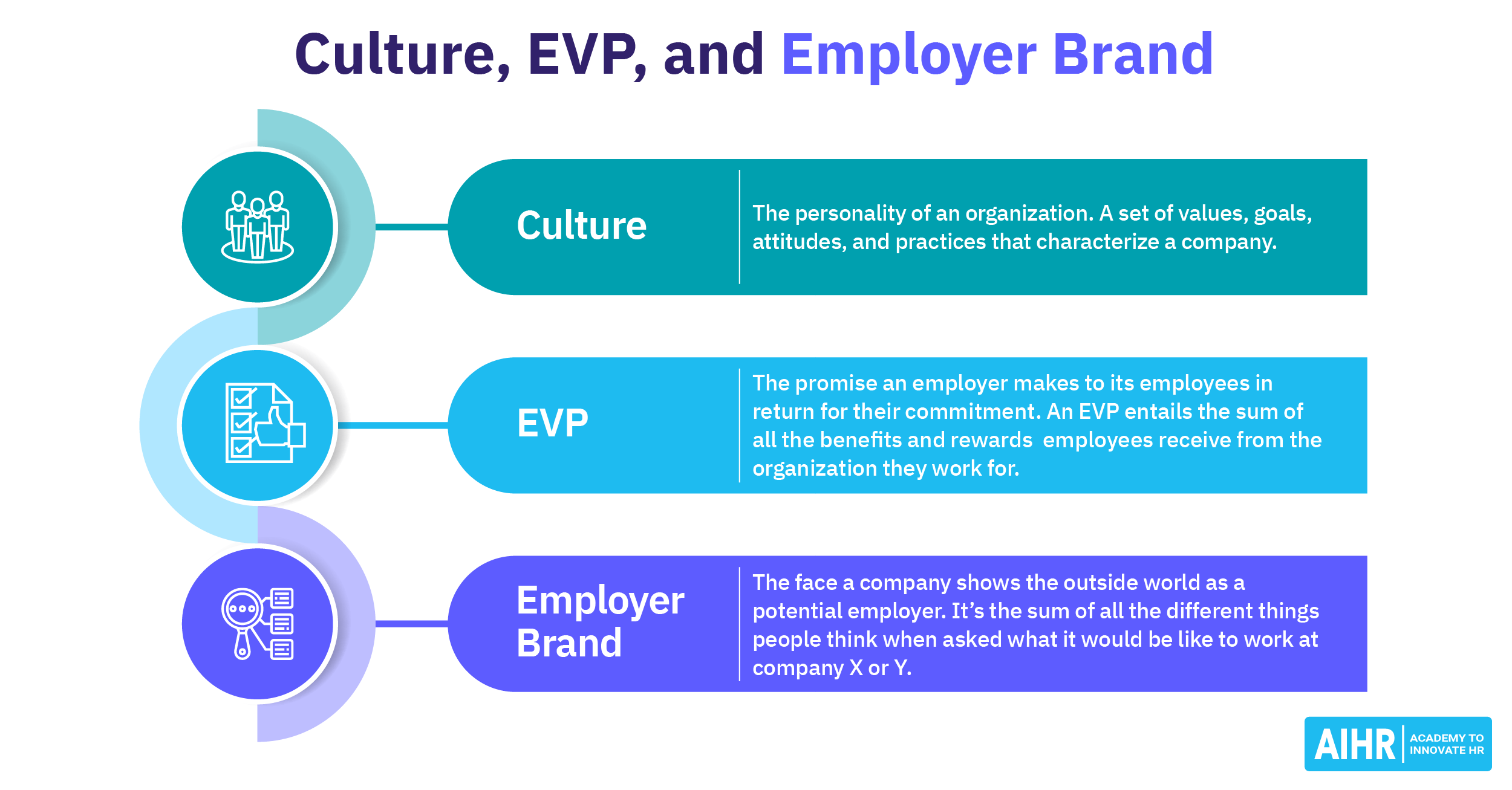
Even the best sourcing efforts become harder when candidates know little about your company.
Recruiters who consistently share employee stories, company achievements, hiring insights, and workplace culture create familiarity long before outreach begins.
When passive candidates recognize your brand, they are far more likely to respond and engage.
11 Passive Candidate Sourcing Hacks
Once your sourcing fundamentals are in place, you can start using more advanced tactics to uncover candidates your competitors are likely missing.
The goal isn't to contact more people. It's to find the right people before everyone else does.
Suggested Reading:
10 Recruiter-Tested Ways to Find Passive Candidates FasterHack 1 — Use Leelu AI to Uncover Hidden Talent Pools Automatically
Most recruiters spend hours switching between LinkedIn, job boards, ATS platforms, and spreadsheets trying to build candidate lists.
The problem is that valuable candidates are scattered across multiple sources, making manual sourcing slow and inconsistent.
This is where AI-powered sourcing can create a major advantage.
Leelu AI helps recruiters search across 500M+ candidate profiles from platforms like LinkedIn, Indeed, Monster, and ATS systems in a single workflow.
Instead of manually searching platform by platform, you can quickly identify qualified candidates who match your hiring criteria and build sourcing pipelines much faster.
More importantly, automation allows you to spend less time searching and more time building relationships with high-potential candidates.
Hack 2 — Turn LinkedIn Post Engagement Into Sourcing Lists
People often reveal professional interests through the content they engage with.
When someone comments on a post about data engineering, cybersecurity, product management, or sales leadership, they are publicly signaling interest in that topic.
Those interactions can become valuable sourcing signals.
Review the engagement on industry-specific posts and identify professionals who consistently contribute meaningful comments.
These individuals are often highly engaged in their field and more responsive to recruiter outreach than cold prospects.
Instead of targeting everyone, focus on people who demonstrate expertise through their participation.
Hack 3 — Find Candidates Through Your Competitors' Employee Networks
Your competitors have already invested significant effort in hiring strong talent.
Rather than targeting only current employees, look at their broader professional networks.
Former employees, team members who worked together previously, referrals, and close professional connections often possess similar skills and industry experience.
A few useful places to investigate include:
- Former employees who recently changed companies
- Team members connected to high-performing employees
- Professionals who worked under the same managers
- Employees who frequently collaborate across departments
This approach expands your talent pool without relying on the same candidate searches every recruiter uses.
Hack 4 — Source From People Who Recently Earned Promotions
A promotion is one of the strongest career signals you can monitor.
When professionals move into larger responsibilities, they often become more visible within their industry. Their skills are validated, their confidence increases, and they become attractive prospects for future opportunities.
At the same time, not every promotion fully satisfies long-term career ambitions.
Some professionals quickly begin evaluating what comes next after reaching a milestone.
Monitoring recent promotions can help you identify talented candidates who are entering a new phase of their careers and may be open to the right conversation.
Hack 5 — Build Talent Lists From Companies Announcing Layoffs
Layoffs create uncertainty for talented professionals who may not have considered changing jobs otherwise.
When companies announce workforce reductions, recruiters have an opportunity to connect with experienced candidates who are actively evaluating their next move.
The key is to approach these situations thoughtfully and professionally.
Focus on understanding:
- Which departments were affected
- What skills those employees possess
- Which roles align with your current hiring needs
- How quickly outreach should begin
Recruiters who react early often gain access to highly qualified talent before competitors even start sourcing.
Instead of viewing layoffs as isolated events, treat them as signals of talent entering the market.
Building sourcing lists around these announcements can become one of the most effective ways to identify skilled candidates who are immediately available for conversations.
Hack 6 — Track Funding Rounds to Identify Upcoming Talent Movement
Funding announcements are often viewed as business news, but they can also be valuable sourcing signals.
When companies secure new funding, they typically accelerate hiring, restructure teams, launch new initiatives, or expand into new markets. These changes often create talent movement both inside and outside the organization.
Professionals may take on larger responsibilities, switch teams, or decide it's the right time to explore new opportunities.
Keep an eye on:
- Startup funding announcements
- Expansion plans into new regions
- Product launch announcements
- Leadership hiring initiatives
By monitoring these events early, you can identify potential candidates before they become visible through traditional sourcing channels.
Hack 7 — Search Niche Communities Where Professionals Showcase Their Work
The best candidates don't always spend time updating LinkedIn profiles.
Many professionals are far more active in communities where they learn, collaborate, and share their expertise with peers.
A software engineer might be contributing to GitHub projects. A designer may be sharing work on portfolio platforms. Marketers often participate in specialized communities where they discuss campaigns, analytics, and growth strategies.
These spaces reveal something resumes often miss: actual proof of expertise.
When you source candidates from niche communities, you're evaluating real work instead of relying solely on job titles and keyword matches.
That often leads to stronger conversations and better hiring outcomes.
Hack 8 — Mine Conference Speaker Lists and Webinar Attendees
Industry events bring together professionals who actively invest in their careers.
While recruiters often focus on attendees, speaker lists can be even more valuable. Speakers are typically recognized experts who have demonstrated knowledge, leadership, or unique experience within their field.
Even if they are not open to changing jobs today, they frequently have strong professional networks.
When reviewing events, focus on:
- Conference speakers
- Webinar presenters
- Panel participants
- Workshop facilitators
These individuals can become potential candidates, referral sources, or future additions to your talent pipeline.
The goal is not immediate hiring. It's building relationships before hiring needs become urgent.
Hack 9 — Use Former Employees as a Gateway to Passive Talent Networks
Former employees are often an overlooked sourcing asset.
Whether they left on good terms or simply pursued new opportunities, they maintain relationships with people you've worked with before.
Those connections can help you discover passive candidates who would otherwise remain invisible.
A former employee may know:
- High performers from their current company
- Former colleagues looking for growth opportunities
- Professionals with highly specialized skills
- Trusted referrals within their network
Because these introductions come through existing relationships, conversations often begin with a higher level of trust than completely cold outreach.
Hack 10 — Monitor Hiring Managers Instead of Candidates
Most recruiters spend their time tracking potential candidates.
Sometimes it's more effective to monitor the people building teams.
Hiring managers often reveal valuable information through hiring activity, social posts, interviews, podcasts, and company updates.
These signals can indicate which teams are growing, which skills are becoming priorities, and where talent demand is increasing.
For example, if an engineering leader repeatedly discusses AI infrastructure challenges, that may point to future hiring needs and talent concentrations within that space.
Understanding where managers are investing helps you identify talent ecosystems before competitors notice them.
Hack 11 — Create Talent Magnets That Attract Passive Candidates to You
The strongest sourcing strategy is one that reduces the need for sourcing.
Instead of constantly chasing candidates, create reasons for them to discover and engage with you naturally.
This is where content becomes a recruiting advantage.
Share hiring insights, industry observations, employee success stories, and behind-the-scenes perspectives on company culture. Over time, this content builds familiarity and trust with professionals who may not be considering a job change today.
When the timing becomes right, they already know who you are.
Passive candidates rarely respond because of a job description alone. They respond because they recognize credibility, opportunity, and value.
A consistent talent magnet strategy helps you build those signals long before the first outreach message is sent.
The Outreach Framework Recruiters Use After Finding Passive Candidates
Finding passive candidates is only half the battle. The real challenge is starting conversations that feel relevant, timely, and worth responding to.
1. Lead With Career Relevance Instead of Open Roles
Most passive candidates are not actively searching for jobs.
Instead of opening with a vacancy, focus on what could make a career move valuable for them.
Whether it's leadership opportunities, faster growth, or exposure to new challenges, the conversation should be about their future rather than your hiring needs.
2. Reference a Trigger That Makes the Message Timely
Generic outreach is easy to ignore.
A recent promotion, industry achievement, project launch, conference appearance, or career milestone gives your message context. It shows that you're reaching out for a specific reason rather than sending the same template to hundreds of people.
3. Give Candidates a Reason to Reply Without Committing to an Interview
Many recruiters ask for a call too early.
A lower-friction approach is to invite a conversation. Ask for their perspective, share an interesting opportunity, or simply see whether they are open to exploring future possibilities.
The easier it is to respond, the more likely you are to receive a reply.
4. Build a Follow-Up Sequence Before Sending the First Message
Most responses come from follow-ups, not initial outreach.
Plan a sequence that adds value with each touchpoint instead of repeatedly asking for a meeting. Consistent, thoughtful follow-ups help you stay visible without overwhelming potential candidates.
Suggested Reading:
13 Passive Candidate Outreach Tactics to Fill Roles QuicklyHow to Build a Passive Candidate Pipeline That Compounds Over Time
The most effective recruiters don't restart their sourcing efforts every time a new role opens.
Instead, they build systems that continuously grow their talent network and make future hiring faster.
1. Create Sourcing Lists Before Positions Open
Waiting until a role becomes urgent puts unnecessary pressure on your recruiting process.
Keep active sourcing lists for critical positions, high-demand skills, and future hiring needs. When a requisition opens, you'll already have qualified prospects ready for outreach instead of starting from zero.
2. Organize Prospects by Skill, Not Job Title
Job titles vary significantly between companies.
A stronger approach is to categorize candidates based on skills, expertise, certifications, and functional strengths. This makes it easier to identify relevant talent even when titles don't perfectly match your requirements.
3. Turn Every Sourcing Project Into a Reusable Talent Pool
Every sourcing effort should create long-term value.
Rather than treating candidate lists as one-time projects, save and organize promising prospects for future opportunities. Over time, these talent pools become one of your most valuable recruiting assets.
Consider grouping candidates by:
- Technical skills
- Industry experience
- Seniority level
- Geographic location
This structure makes future sourcing significantly more efficient.
4. Combine Outbound Sourcing With Employer Brand Content
A strong passive candidate pipeline relies on both direct outreach and visibility.
While outbound sourcing helps you initiate conversations, employer brand content helps candidates discover and trust your organization before you ever contact them.
When professionals regularly see valuable insights, employee stories, and company updates, your outreach feels familiar rather than unexpected.
Over time, this combination creates a recruiting engine that continuously attracts and nurtures passive talent, making every future hiring effort easier than the last.
Conclusion
Passive candidate sourcing is no longer a competitive advantage—it is a necessity for recruiters who want access to the best talent.
By combining strong sourcing fundamentals, creative sourcing hacks, personalized outreach, and a long-term pipeline strategy, you can consistently connect with professionals who are not actively searching but are open to the right opportunity.
The key is to think beyond immediate hiring needs. Every conversation, sourcing project, and talent relationship should contribute to a pipeline that becomes stronger over time.
The recruiters who invest in building these systems today will have a significant hiring advantage tomorrow.
Frequently Asked Questions
1. What is passive candidate sourcing?
Passive candidate sourcing is the process of identifying and engaging professionals who are not actively job hunting but open to opportunities.
2. Why are passive candidates important for recruiters?
Passive candidates often include highly skilled professionals who may not apply directly, giving recruiters access to stronger talent pools.
3. How can recruiters identify passive candidates?
Recruiters can identify passive candidates through LinkedIn engagement, professional communities, referrals, industry events, and sourcing tools.
4. What is the best way to approach passive candidates?
Lead with career growth opportunities, personalize outreach, reference relevant triggers, and avoid immediately pushing for interviews.
5. How can AI improve passive candidate sourcing?
AI automates candidate discovery, screening, outreach, and talent matching, helping recruiters find qualified candidates much faster.