Hiring through Indeed can feel like you’re casting a wide net but still missing the right candidates.
You get volume, but not always quality.
And as roles become more specialized, relying on a single platform can slow down your hiring pipeline instead of strengthening it.
That’s why exploring Indeed alternatives isn’t just an option anymore, it’s a smarter hiring strategy.
In this guide, you’ll discover:
- The best Indeed alternatives for employers
- What makes each platform unique
- How to choose the right one for your hiring needs
Let’s help you build a stronger, faster talent pipeline.
What to Look for in an Indeed Alternative
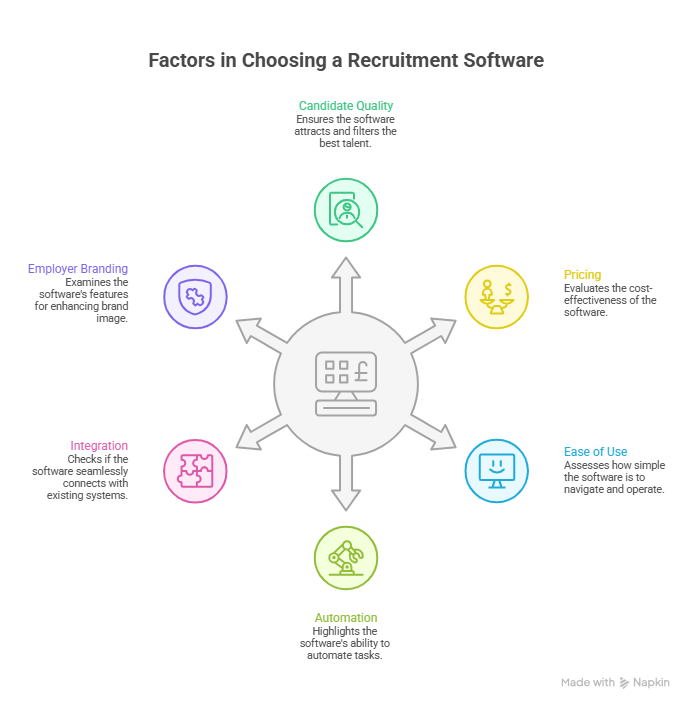
Once you decide to explore alternatives, the next question becomes simple.
How do you actually choose the right one without wasting time or budget?
Not every platform solves the same problem, so you need to evaluate them based on what actually impacts your hiring outcomes.
1. Candidate Quality and Relevance
Getting more applications doesn’t always mean better hiring decisions.
What you really need is a platform that brings candidates who actually match your role requirements.
Look for tools that focus on:
- Skill-based matching instead of keyword stuffing
- Access to both active and passive candidates
- Filters that go beyond basic job titles
The goal is simple.
Less noise, more qualified conversations.
2. Pricing and Cost Efficiency
Hiring costs can quietly add up if you’re not paying attention.
Some platforms charge per job post, others per click, and some even per hire.
You want to evaluate:
- Cost per qualified candidate, not just cost per post
- Flexibility in pricing as your hiring scales
- Hidden costs like resume access or outreach credits
A cheaper platform isn’t always better if it brings low-quality applicants.
3. Ease of Use and Setup
A powerful platform is useless if your team struggles to use it.
You should be able to get started without long onboarding cycles or heavy training.
Look for:
- Clean, intuitive dashboards
- Quick job posting workflows
- Minimal dependency on technical teams
Your recruiters should spend time hiring, not figuring out software.
4. Automation and AI Features
Manual hiring processes slow everything down, especially when you’re scaling.
This is where modern alternatives really stand out.
The best platforms now offer:
- Automated candidate sourcing across multiple channels
- AI-based screening and ranking
- Outreach automation and follow-ups
These features help you move faster without compromising on quality.
5. Integration with Hiring Workflows
Your hiring process doesn’t exist in isolation.
It’s connected to your ATS, calendars, communication tools, and internal workflows.
Make sure the platform can:
- Sync with your existing ATS
- Integrate with email and scheduling tools
- Keep candidate data centralized
This avoids fragmented processes and manual data entry.
6. Employer Branding Options
Top candidates don’t just apply, they evaluate you too.
Your job listings should reflect your company, not look like generic posts.
Look for platforms that allow:
- Custom company profiles
- Rich media in job posts (videos, culture highlights)
- Branded communication with candidates
Strong branding helps you stand out in a competitive talent market.
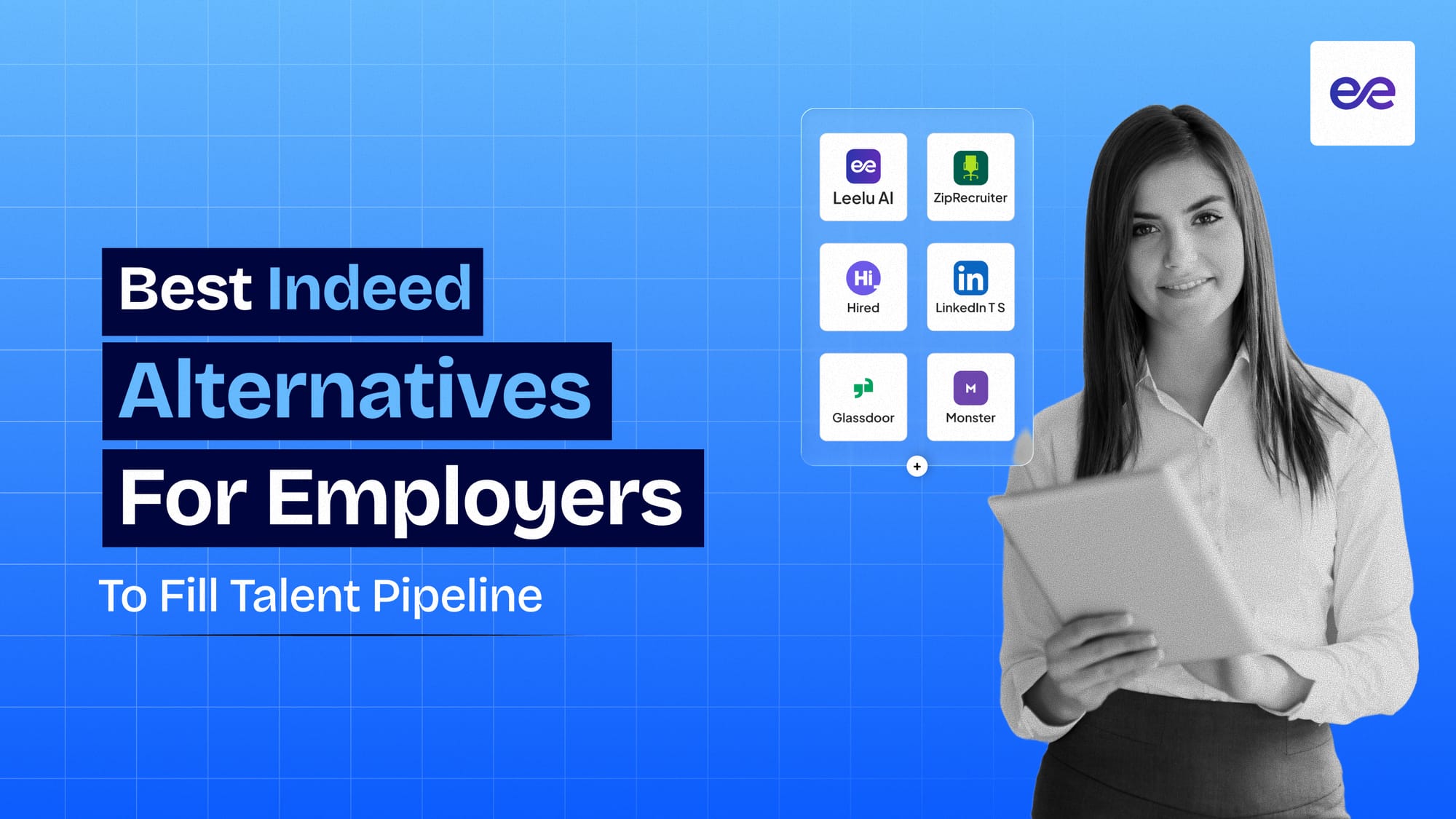
10 Best Indeed Alternatives for Employers
Now that you know what to evaluate, let’s look at the platforms that actually help you build a stronger talent pipeline.
Each of these alternatives solves a slightly different part of hiring, so your choice depends on your priorities.
1. Leelu.ai
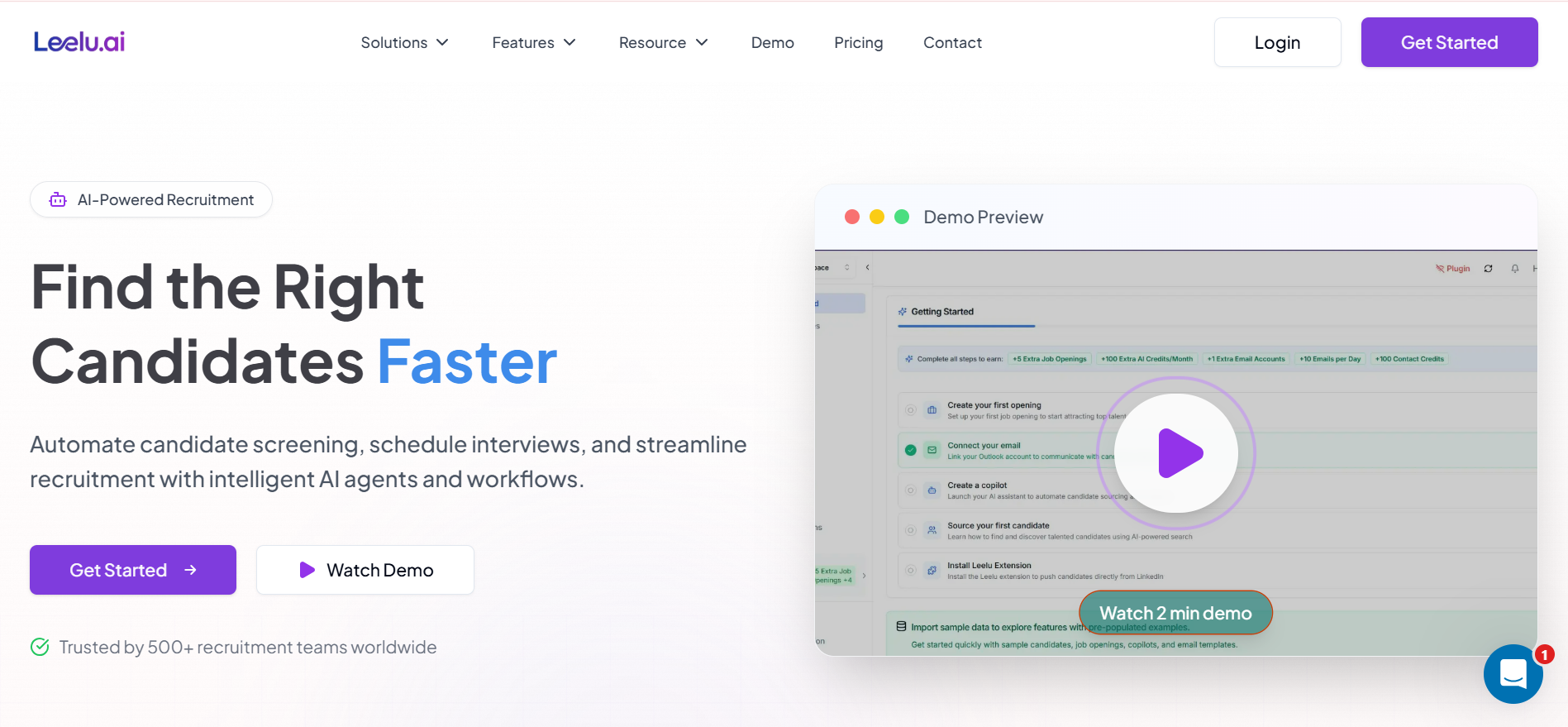
If your biggest challenge is speed and manual effort, this is where things start to shift.
Instead of just posting jobs and waiting, you actively build your pipeline with automation.
Leelu.ai is designed to remove the repetitive work that usually slows down hiring.
From sourcing to scheduling, everything moves in a connected flow so you don’t lose time between steps.
Key Features
Leelu.ai works like an AI recruiting copilot that handles the heavy lifting for you.
- Sources candidates from 500M+ profiles across multiple job boards
- Automatically screens and ranks candidates based on job fit
- Sends personalized outreach at scale with high response rates
- Automates follow-ups and candidate conversations 24/7
- Schedules interviews instantly with calendar sync
This means you move from job post to interview-ready candidates much faster.
Pricing Overview
- Starts from $79/month for small teams with basic AI features
- Growth plans range between $149–$499/month for advanced automation and integrations
- Enterprise pricing is custom (₹50,000+/month or $600+) based on hiring scale
- Free trial available for 14 days to test full features before committing
2. LinkedIn Talent Solutions
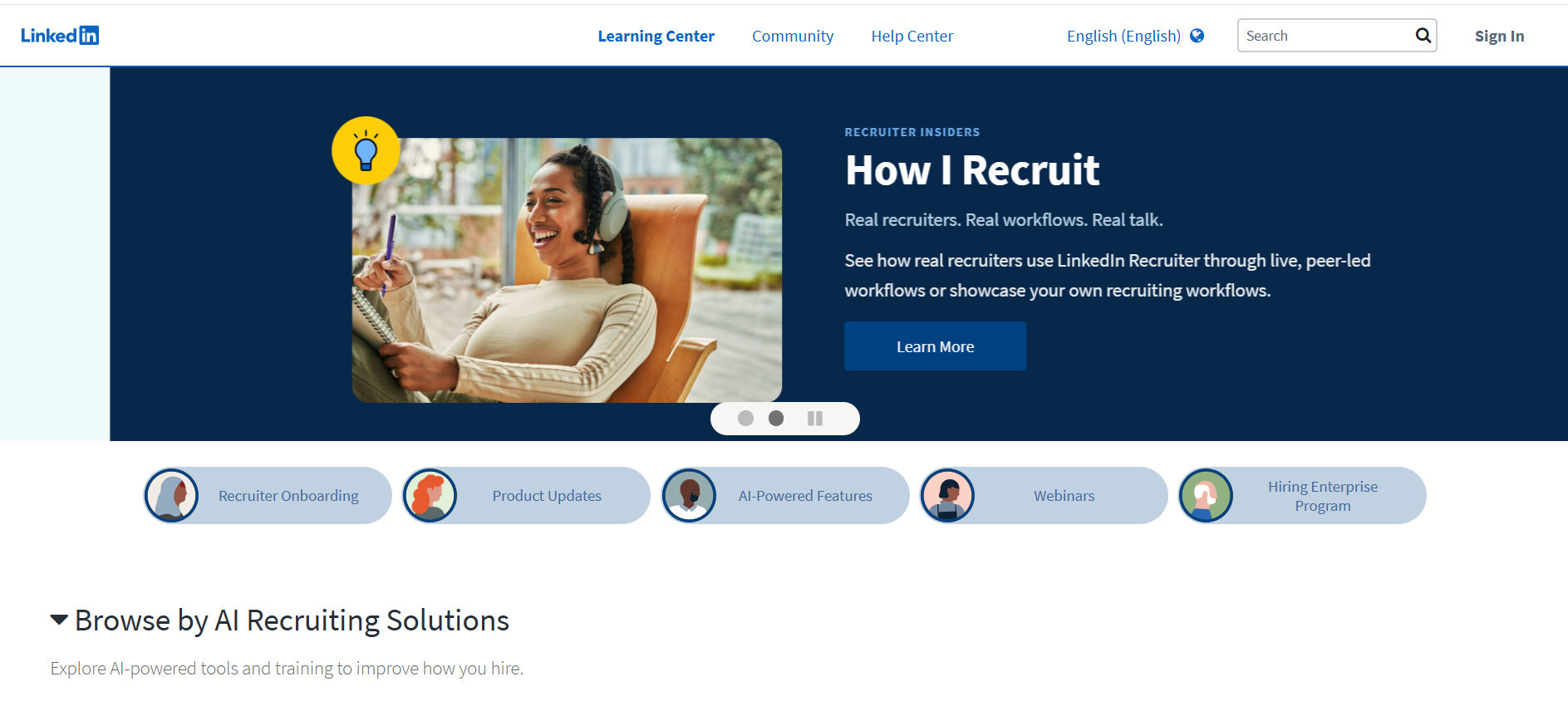
If you want access to one of the largest professional networks, LinkedIn is hard to ignore.
It works especially well for mid to senior-level hiring and passive candidates.
Key Features
LinkedIn Talent Solutions focuses on targeted sourcing and employer branding.
- Advanced search filters to find niche talent
- Access to passive candidates who aren’t actively applying
- InMail messaging for direct outreach
- Strong employer branding through company pages
- Analytics to track hiring performance
It gives you more control over who you reach, not just who applies.
Pricing Overview
LinkedIn operates on a premium pricing model.
Costs can include recruiter licenses, job slots, and InMail credits, which makes it more suitable for companies with larger hiring budgets.
3. Glassdoor
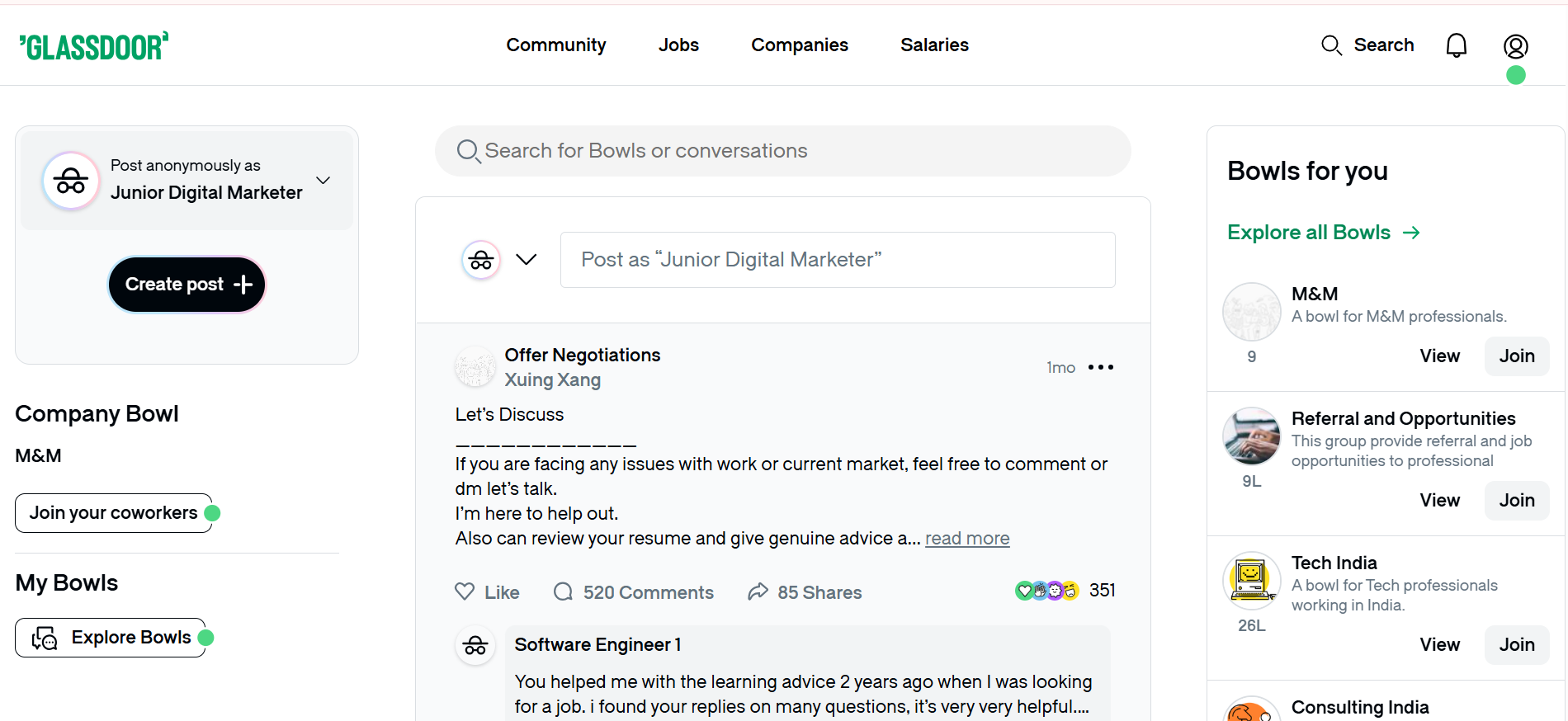
Hiring is no longer just about posting jobs, it’s about building trust.
Glassdoor helps you do that by combining job listings with employer reputation.
Key Features
Glassdoor stands out because candidates evaluate you as much as you evaluate them.
- Employer reviews and ratings that influence candidates
- Salary insights for transparency
- Branded company profiles
- Job posting capabilities
- Integration with employer branding strategies
This platform is especially useful for improving candidate perception.
Pricing Overview
Glassdoor offers both free and paid options.
Paid plans usually include enhanced branding and sponsored job visibility, which can improve applicant quality.
4. ZipRecruiter
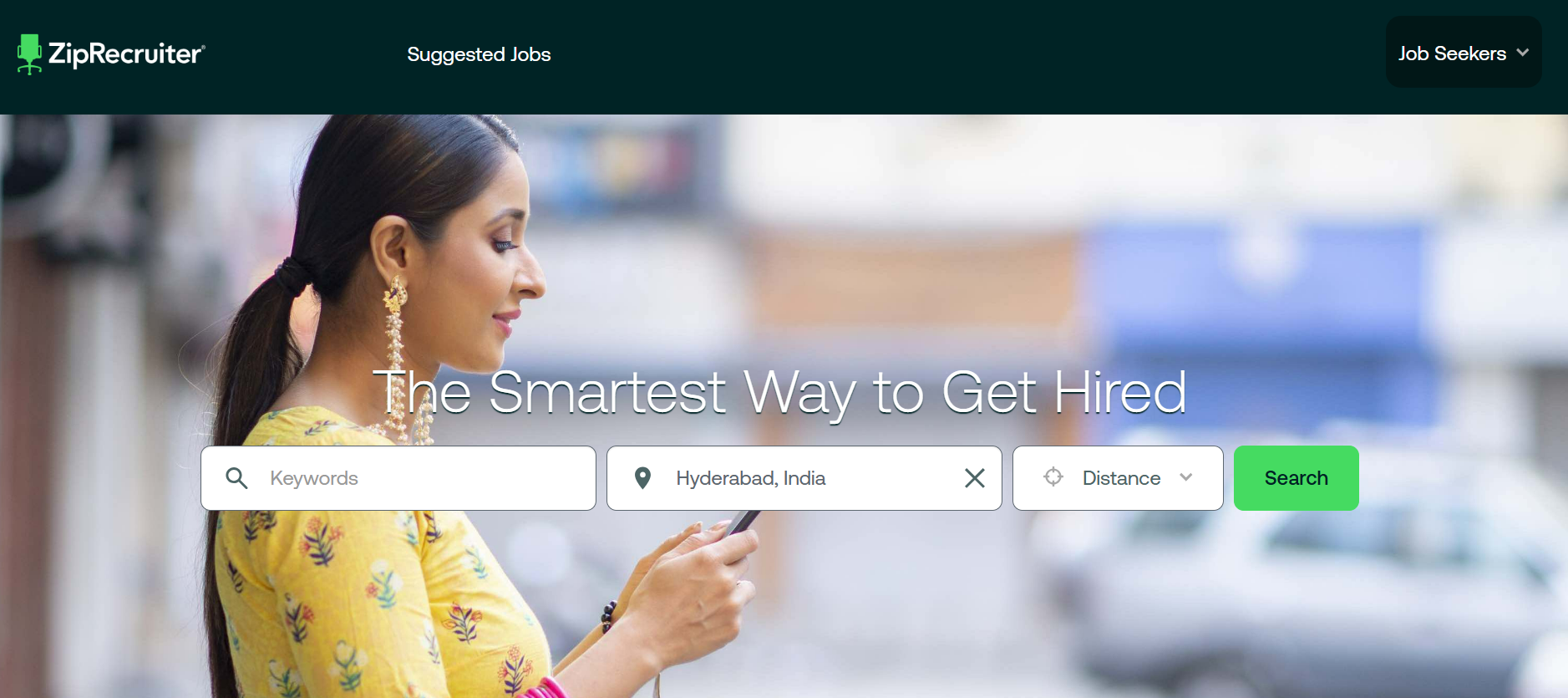
If you want reach without complexity, ZipRecruiter simplifies distribution.
It pushes your job postings across multiple job boards automatically.
Key Features
ZipRecruiter is built for speed and visibility.
- One-click job posting to multiple platforms
- AI-powered candidate matching suggestions
- Resume database access
- Alerts for matching candidates
- Easy-to-use dashboard for quick hiring actions
It helps you get in front of more candidates without extra effort.
Pricing Overview
ZipRecruiter uses a subscription-based pricing model.
Plans vary based on the number of active job postings and features, making it flexible for growing teams.
5. Monster
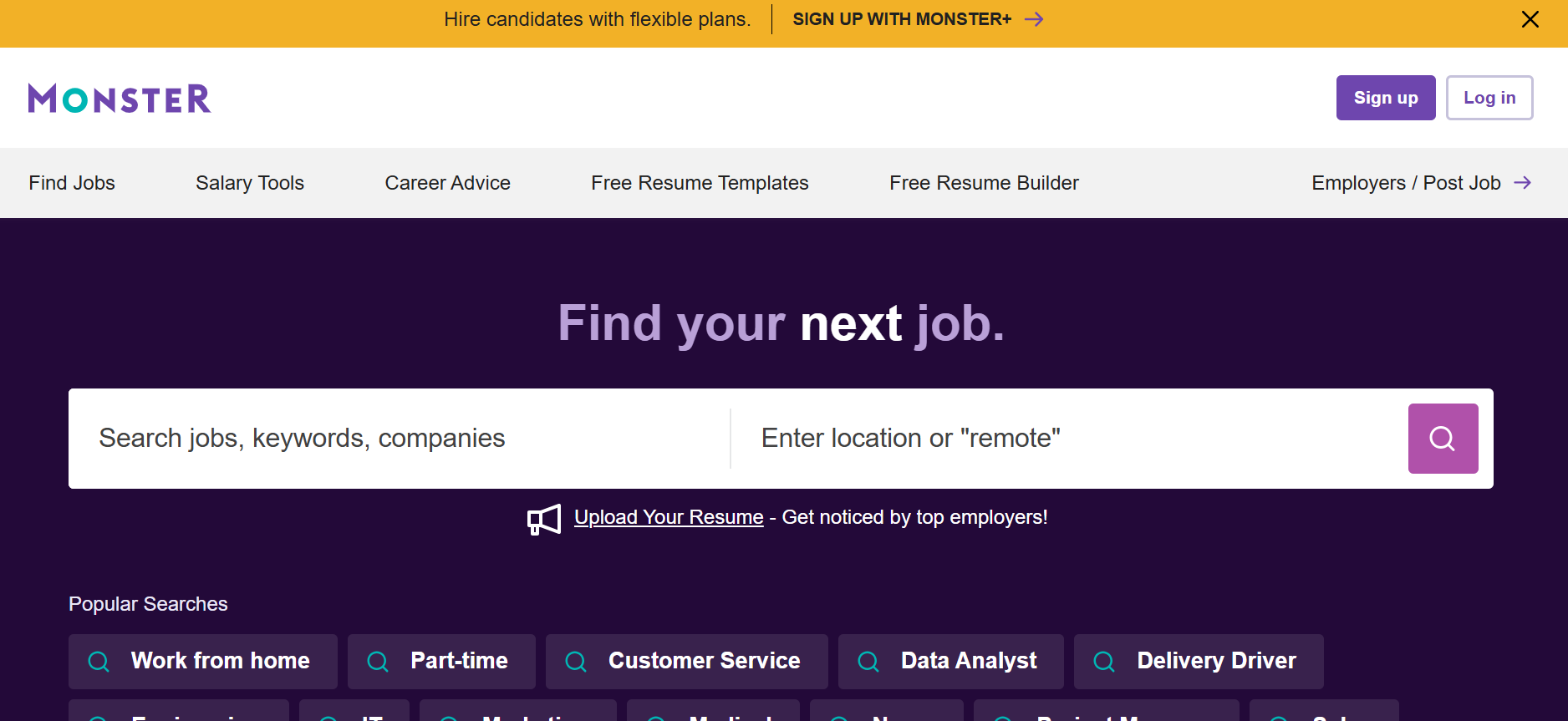
Monster is one of the older players, but it still holds value in certain markets.
It works well for roles that require steady candidate flow rather than niche targeting.
Key Features
Monster focuses on database access and job visibility.
- Large resume database for sourcing candidates
- Job posting and distribution tools
- Candidate management features
- Basic screening tools
- Hiring advice and resources
It’s a solid option for consistent, high-volume hiring needs.
Pricing Overview
Monster offers tiered pricing based on job postings and database access.
Costs are generally moderate, making it a practical option for companies that need ongoing hiring support.
6. CareerBuilder
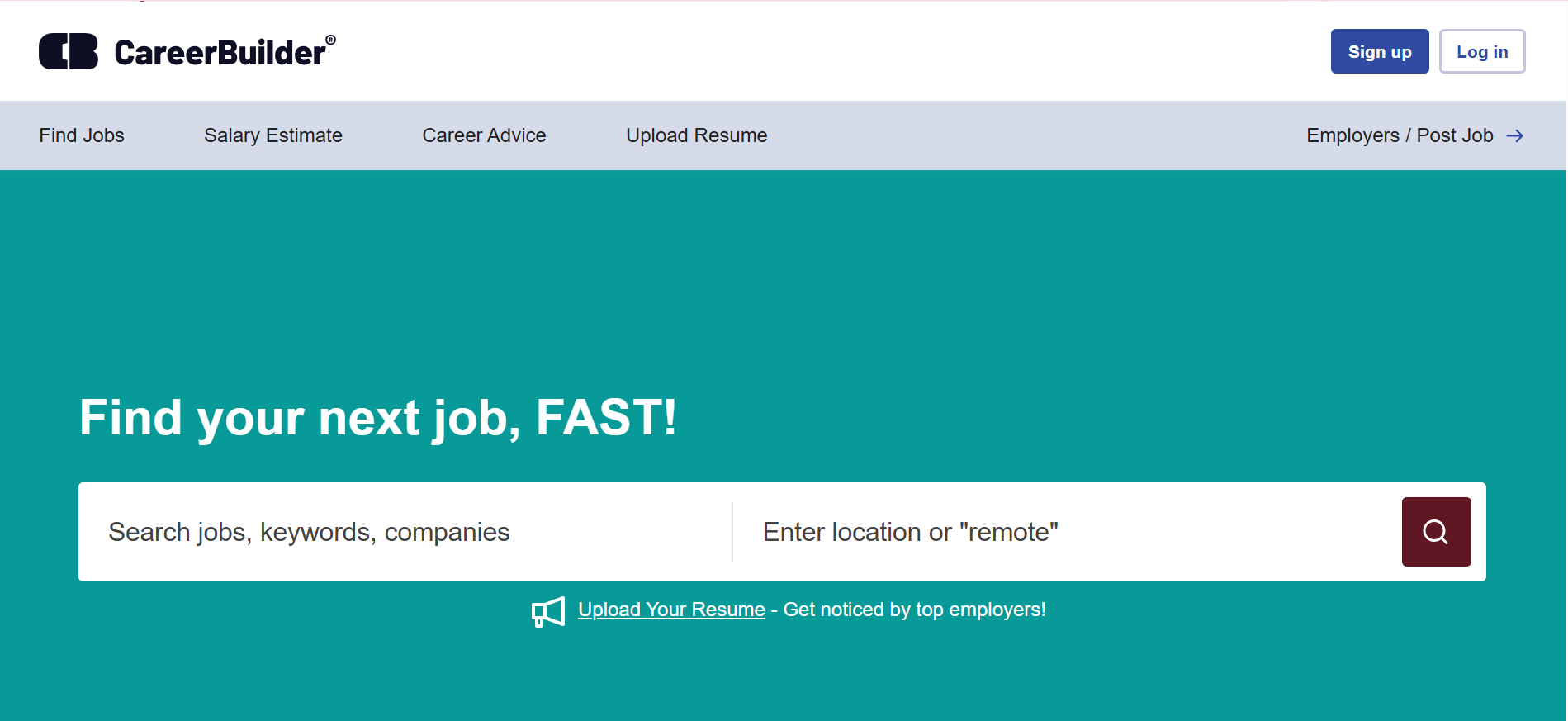
If you’re looking for a mix of job distribution and candidate data insights, CareerBuilder brings both together.
It goes beyond just posting jobs and helps you understand the talent market better.
Key Features
CareerBuilder focuses on data-driven hiring and candidate matching.
- Access to a large resume database across industries
- AI-powered candidate matching based on job requirements
- Labor market insights to guide hiring decisions
- Job posting and distribution across partner sites
- Built-in tools for candidate engagement
This helps you not just hire faster, but hire smarter.
Pricing Overview
CareerBuilder typically offers custom pricing based on hiring needs.
Costs depend on job postings, resume database access, and additional analytics features.
7. SimplyHired
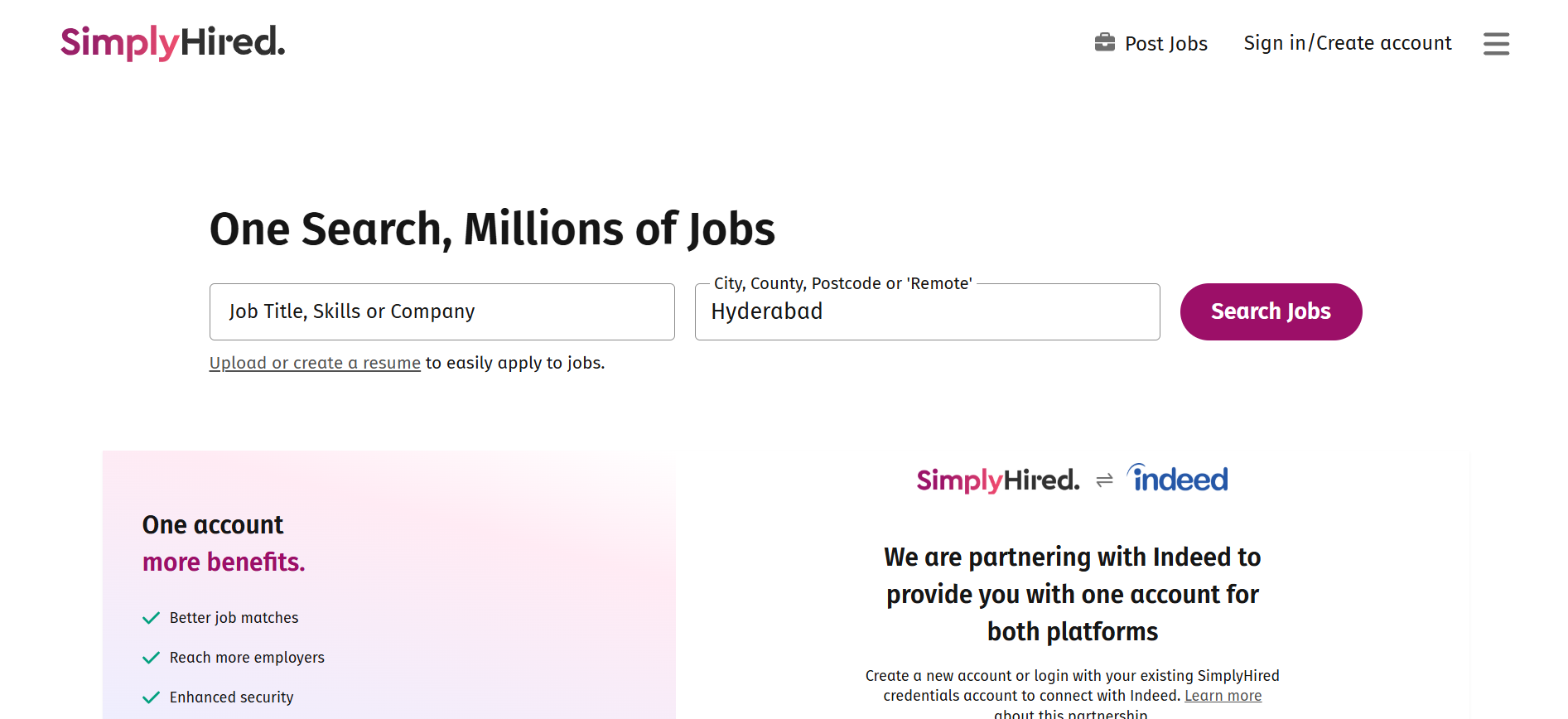
If you want a simple and budget-friendly alternative, SimplyHired keeps things straightforward.
It works well for small to mid-sized teams that need visibility without complexity.
Key Features
SimplyHired focuses on ease and reach without overwhelming features.
- Free job posting with pay-per-contact model
- Aggregates listings across multiple job boards
- Basic screening questions for applicants
- Employer dashboard to manage candidates
- Salary estimator tools for better job listings
It’s ideal when you want quick exposure without heavy setup.
Pricing Overview
SimplyHired follows a pay-per-contact pricing model.
You only pay when you choose to engage with candidates, which keeps costs controlled.
8. AngelList Talent (Wellfound)
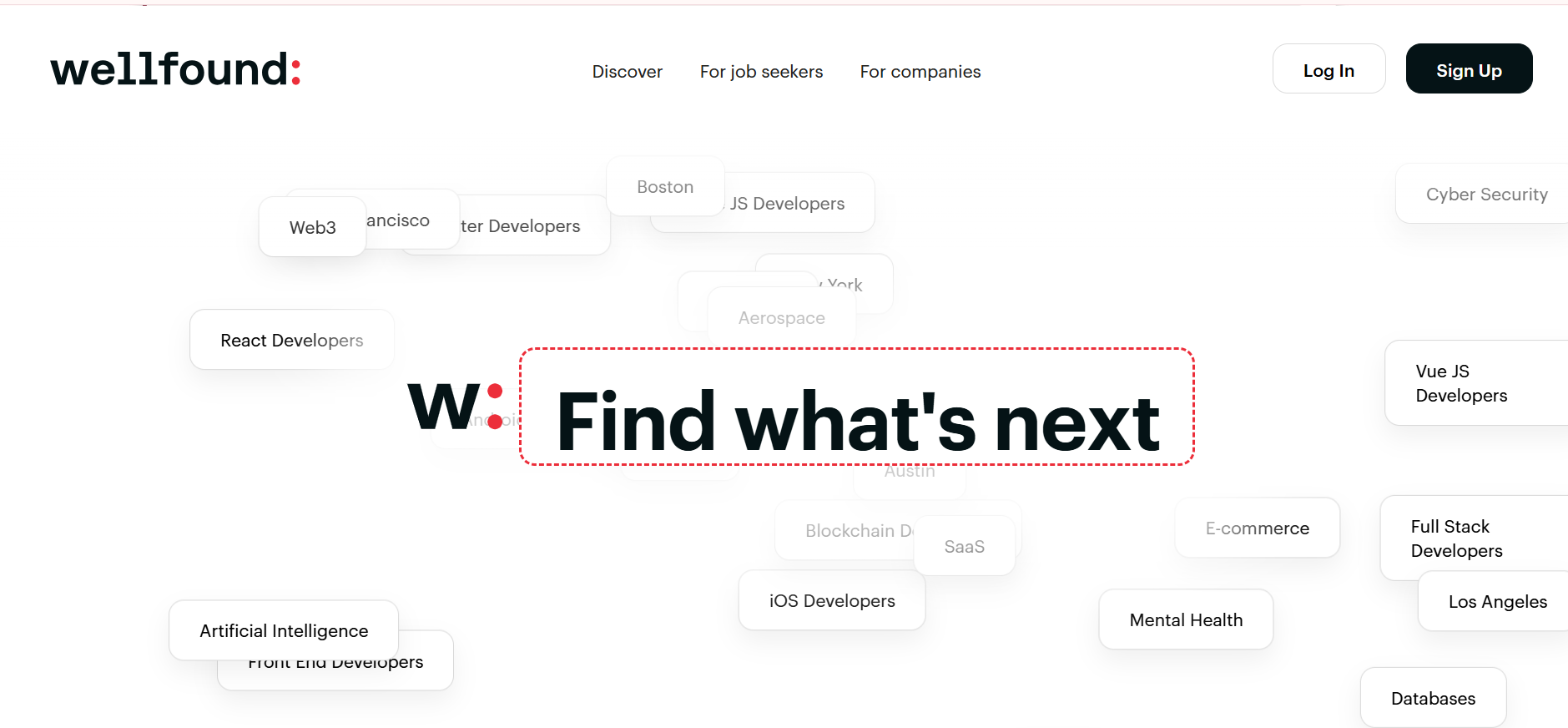
If you’re hiring for startups or tech roles, this platform is built specifically for you.
It connects you directly with candidates who are already interested in startup environments.
Key Features
AngelList Talent, now known as Wellfound, is focused on startup hiring.
- Direct access to startup-ready candidates
- Transparent candidate profiles with salary expectations
- Ability to reach out directly without intermediaries
- Strong focus on tech and product roles
- Employer branding tailored for startups
This makes it easier to find candidates aligned with startup culture.
Pricing Overview
Wellfound offers flexible pricing options.
Many features are free for startups, with paid plans for advanced recruiting tools and visibility.
9. Hired
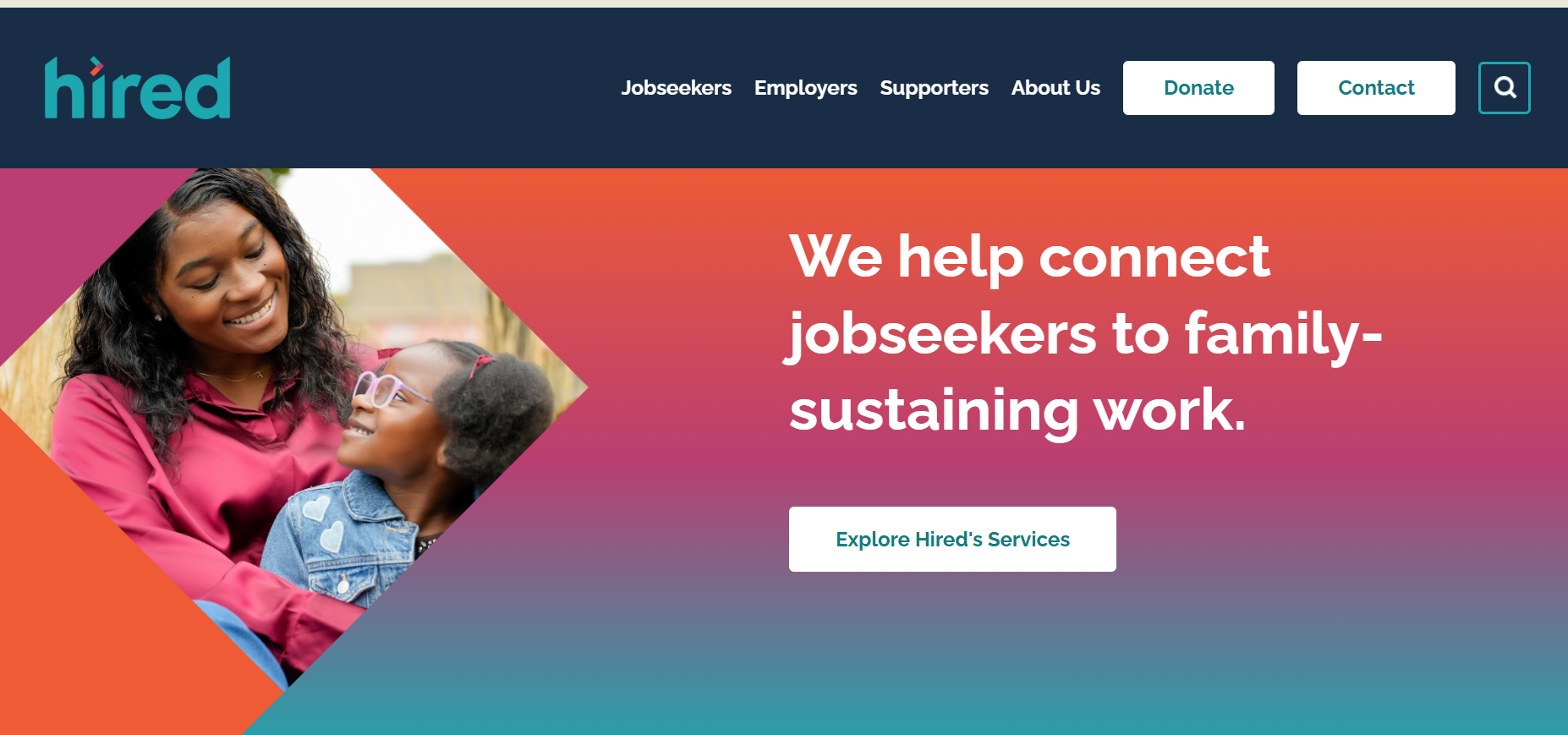
If you prefer a more curated approach, Hired flips the traditional hiring model.
Here, candidates apply to you instead of the other way around.
Key Features
Hired focuses on pre-vetted, high-quality candidates.
- Curated talent pool with verified skills and experience
- Candidate profiles with salary expectations upfront
- AI matching to connect you with relevant candidates
- Interview scheduling and communication tools
- Strong presence in tech and sales roles
This reduces time spent filtering unqualified applicants.
Pricing Overview
Hired uses a success-based pricing model.
You typically pay when you successfully hire a candidate, making it performance-driven.
10. Dice
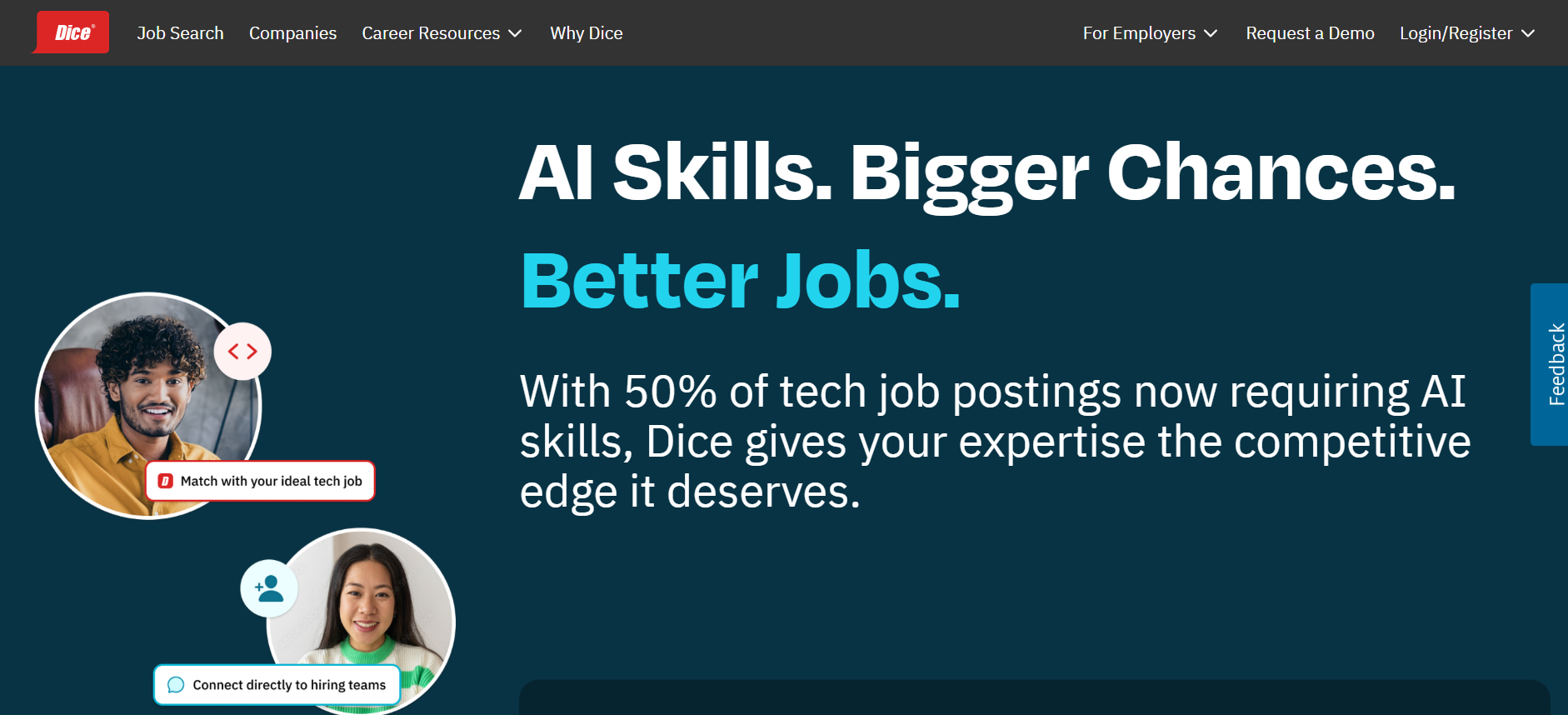
For tech hiring, general job boards often fall short.
Dice is built specifically for sourcing skilled technology professionals.
Key Features
Dice specializes in connecting employers with tech talent.
- Large database of technology professionals
- Advanced search filters for niche technical skills
- Job postings targeted at IT and engineering roles
- Candidate engagement tools
- Market insights specific to tech hiring
It’s a strong option when you need precision in technical hiring.
Pricing Overview
Dice offers tiered pricing based on job postings and database access.
Plans are usually tailored for companies with ongoing tech hiring needs.
Suggested Reading:
13 Best LinkedIn Recruiter Alternatives for Scalable Talent Sourcing (2026 Guide)How to Choose the Right Platform for Your Hiring Needs
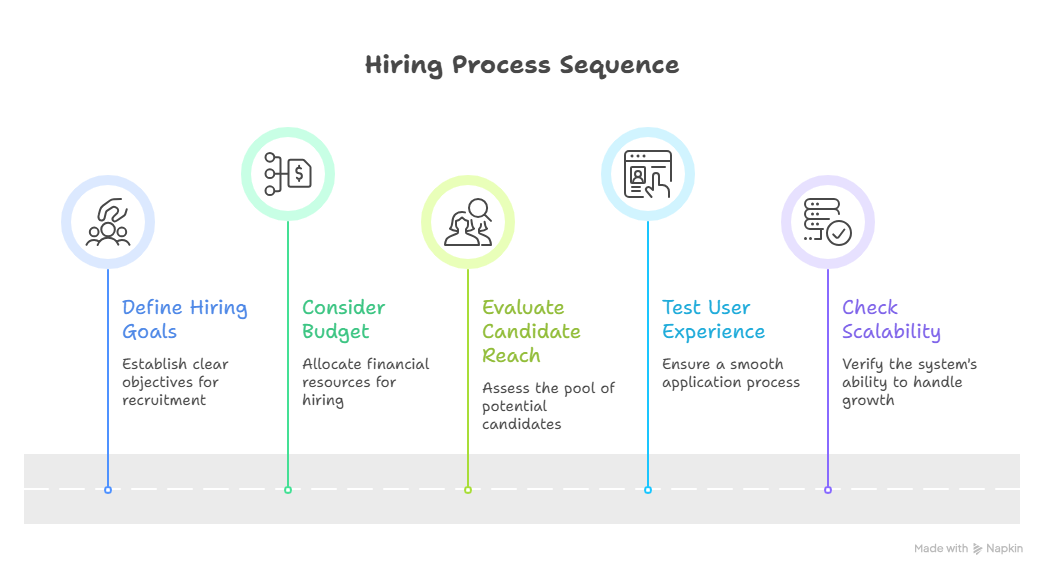
With so many options available, choosing the right platform can quickly feel overwhelming.
But the decision becomes much easier when you break it down into a few practical factors that directly impact your hiring success.
1. Define Your Hiring Goals
Before comparing platforms, you need clarity on what you actually want to achieve.
Are you hiring in volume, filling niche roles, or improving candidate quality?
Your goals will shape everything from platform choice to budget allocation.
- High-volume hiring needs distribution-focused platforms
- Niche roles require targeted sourcing tools
- Faster hiring needs automation-driven solutions
When your goal is clear, the right platform becomes obvious.
2. Consider Your Budget
Hiring platforms can vary widely in pricing, and costs can scale quickly.
Instead of looking at absolute pricing, focus on the return you’re getting.
- Cost per qualified candidate matters more than cost per post
- Subscription tools may save money in the long run
- Pay-per-click models can become expensive without optimization
The goal is not to spend less, but to spend smarter.
3. Evaluate Candidate Reach
A platform is only as good as the talent pool it gives you access to.
Some platforms specialize in active job seekers, while others unlock passive candidates.
- Broad platforms give you volume
- Niche platforms give you precision
- AI-driven tools expand reach across multiple sources
Choose based on whether you need reach, relevance, or both.
4. Test User Experience
Even the best platform fails if your team doesn’t enjoy using it.
Your recruiters should be able to move quickly without friction.
- Check how easy it is to post jobs and manage candidates
- Evaluate dashboard clarity and navigation
- Look for platforms that reduce manual steps
A smoother experience directly translates into faster hiring.
5. Check Scalability
Your hiring needs today won’t look the same six months from now.
The platform you choose should grow with you, not limit you.
- Can it handle increased job postings and candidate volume?
- Does it support automation as you scale?
- Will it integrate with future tools and workflows?
Scalability ensures you don’t have to switch platforms every time your hiring grows.
Suggested Reading:
How to Reduce Hiring Cost: 13 Proven Ways to Cut Hiring CostTips to Build a Strong Talent Pipeline Using Multiple Platforms
Relying on just one platform limits your hiring potential more than you think.
The strongest talent pipelines are built when you combine multiple channels and create a system that keeps candidates flowing in consistently.
1. Use a Multi-Channel Approach
Different platforms attract different types of candidates.
If you stick to one, you’re only seeing a fraction of the available talent.
- Use job boards for active job seekers
- Tap into professional networks for passive candidates
- Explore niche platforms for specialized roles
When you combine channels, you balance both volume and quality in your pipeline.
2. Automate Candidate Engagement
Manually reaching out to every candidate slows you down quickly.
And delays often mean losing top talent to faster-moving companies.
- Automate outreach messages at scale
- Set up follow-ups so no candidate goes cold
- Keep conversations active without constant manual effort
This ensures every candidate stays engaged without overwhelming your team.
3. Focus on Employer Branding
Candidates today don’t just apply, they research.
What they find about your company directly impacts whether they respond or not.
- Maintain consistent messaging across platforms
- Highlight your culture, values, and growth opportunities
- Use visuals, testimonials, and real employee stories
A strong brand helps you attract better candidates without extra effort.
4. Track and Optimize Performance
If you’re using multiple platforms, guessing what works won’t help.
You need clear data to understand where your best candidates come from.
- Track source of hire and conversion rates
- Measure response rates and time to hire
- Double down on platforms that perform best
Small optimizations here can significantly improve your hiring outcomes.
5. Build Talent Pools for Future Roles
Not every great candidate will fit your current opening.
But that doesn’t mean they won’t be perfect later.
- Save and segment candidates for future roles
- Stay in touch through periodic updates or outreach
- Create a ready-to-engage talent pool
This reduces dependency on starting from scratch every time you hire.
Common Mistakes to Avoid When Switching from Indeed
Switching from Indeed can improve your hiring results, but only if you do it right.
Many teams make small mistakes during this transition that end up slowing them down instead of improving outcomes.
1. Relying on a Single Platform
Moving away from Indeed doesn’t mean replacing it with just one alternative.
That simply recreates the same limitation in a different form.
- You miss out on diverse talent pools across platforms
- Your pipeline becomes dependent on one source again
- Hiring slows down when that channel underperforms
The smarter approach is to spread your efforts across multiple platforms.
2. Ignoring Candidate Experience
When you focus only on sourcing, you risk overlooking how candidates experience your process.
And that directly impacts your ability to close top talent.
- Slow responses can cause candidates to lose interest
- Complicated application processes reduce completion rates
- Lack of communication creates a poor impression
A smooth and responsive experience keeps candidates engaged till the end.
3. Not Tracking ROI
Switching platforms without tracking performance is a risky move.
You might invest in tools that look promising but don’t deliver results.
- Track cost per hire instead of just platform costs
- Measure time to hire and candidate quality
- Identify which channels actually convert
Without data, you’re making hiring decisions blindly.
4. Overlooking Niche Platforms
General job boards are useful, but they don’t always work for specialized roles.
Ignoring niche platforms can limit your access to highly relevant candidates.
- Tech roles often perform better on specialized platforms
- Startup hiring benefits from targeted communities
- Industry-specific boards bring higher-quality applicants
Sometimes smaller platforms deliver better results than larger ones.
5. Poor Job Description Quality
Even the best platform won’t help if your job description doesn’t attract the right candidates.
This is one of the most overlooked factors in hiring success.
- Vague requirements attract unqualified applicants
- Lack of clarity reduces candidate interest
- Poor structure makes roles harder to understand
A clear, well-written job description sets the foundation for better hiring outcomes.
Conclusion
Relying only on Indeed is no longer enough if you want consistent, high-quality hiring results. The hiring landscape has evolved, and sticking to a single platform can limit both your reach and the quality of candidates you attract.
The right mix of platforms helps you reach better candidates, reduce hiring time, and build a stronger talent pipeline.
In this guide, you explored the best Indeed alternatives, what to look for before choosing a platform, and practical ways to improve your hiring strategy. Now, it’s about applying these insights to build a smarter, faster, and more scalable hiring process.
Frequently Asked Questions
1. What are the best Indeed alternatives for employers?
The best alternatives include LinkedIn, Glassdoor, ZipRecruiter, and AI-driven tools like Leelu.ai.Your ideal choice depends on your hiring goals, budget, and role requirements.
2. Are free job boards effective for hiring?
Free job boards can work for entry-level or high-volume roles.But for niche or senior roles, paid or specialized platforms perform better.
3. How do AI-powered hiring tools improve recruitment?
They automate sourcing, screening, and outreach, saving significant time.This helps you focus more on engaging and closing the right candidates.
4. What is the biggest mistake when switching from Indeed?
Relying on just one alternative platform instead of diversifying channels.This limits your access to a broader and more relevant talent pool.