Finding qualified candidates quickly is harder than ever when applications keep increasing and recruiter workloads continue growing.
Indeed remains one of the most widely used platforms for candidate sourcing because it gives you access to a massive talent pool and faster hiring opportunities.
But simply posting jobs is no longer enough if you want better hiring results.
In this guide, you will learn:
- how Indeed candidate sourcing works
- proven recruiting tips to attract better candidates
- common mistakes recruiters should avoid
- how AI recruiting tools can simplify hiring workflows
Why Recruiters Use Indeed for Candidate Sourcing
Recruiters need platforms that help them find candidates faster without making the hiring process more complicated.
That is one reason Indeed continues to be a popular sourcing channel across industries and hiring teams.
It helps recruiters reach active job seekers, manage applications, and fill roles faster from one platform.
1. Access to a Large Talent Pool
Indeed gives you access to candidates across different industries, experience levels, and locations.
You can find entry-level applicants, experienced professionals, remote workers, and specialized talent in one place.
This becomes especially useful when you are hiring for multiple openings at the same time.
Instead of relying only on referrals or one sourcing channel, you get a wider pool of candidates to review quickly.
2. Better Reach for Active Job Seekers
Many candidates actively search for jobs on Indeed every day.
That means your job posts can reach people who are already ready to apply and switch roles.
This often improves response speed compared to passive sourcing methods alone.
Candidates also receive job recommendations based on their skills and preferences, which increases visibility for relevant openings.
3. Faster Hiring for High-Volume Roles
High-volume hiring can quickly become difficult when recruiters manually manage sourcing and applications.
Indeed simplifies this process by helping you attract large numbers of applicants faster.
This is helpful for industries like customer support, retail, healthcare, logistics, and sales where hiring demand stays consistent.
Recruiters can review applications, filter candidates, and move qualified applicants forward without switching between multiple systems.
4. Search Filters That Simplify Recruiting
Sorting through hundreds of applications manually takes time.
Indeed provides filters that help recruiters narrow candidates based on experience, location, education, skills, and other criteria.
This reduces the time spent reviewing unqualified applications.
You can focus more on interviewing and engaging with strong candidates instead of handling repetitive screening tasks.
How Indeed Candidate Sourcing Works
Once you understand why recruiters use Indeed, the next step is learning how the sourcing process actually works.
Indeed combines job visibility, resume databases, outreach tools, and screening features to simplify recruiting workflows.
1. Resume Search and Candidate Discovery
Indeed Resume allows recruiters to search candidate profiles directly using keywords and filters.
You can search based on skills, job titles, certifications, industries, or location preferences.
This helps you discover candidates even before they apply to your job postings.
Recruiters often use Boolean searches and targeted filters to find more relevant profiles faster.
2. Sponsored Jobs and Visibility
Organic job posts can still attract applicants, but sponsored listings usually improve visibility significantly.
Sponsored jobs appear higher in search results, which helps more candidates notice your openings.
This becomes valuable when competition for talent is high or when you need applications quickly.
Better visibility often leads to higher application volume and faster candidate discovery.
3. Direct Candidate Outreach
Indeed also allows recruiters to contact candidates directly through messaging tools.
Instead of waiting for applications, you can proactively engage qualified candidates and invite them to apply.
Personalized outreach usually performs better than generic recruiting messages.
Candidates are more likely to respond when messages clearly explain the opportunity and why they were selected.
4. Screening and Shortlisting Options
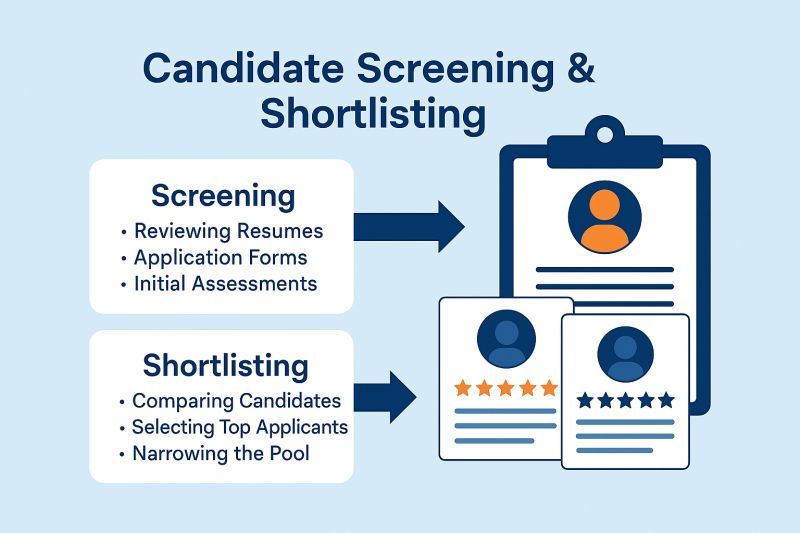
Recruiters can add screening questions to identify qualified applicants earlier in the hiring process.
This helps reduce manual review time and improves shortlist quality.
You can quickly identify candidates who meet required qualifications, certifications, availability, or experience levels.
A structured shortlisting process also helps hiring teams move faster without losing candidate quality.
9 Proven Recruiting Tips to Source Candidates on Indeed
Finding candidates on Indeed is not usually the difficult part.
The bigger challenge is attracting qualified applicants and moving them through the hiring process faster.
Small improvements in your sourcing strategy can make a noticeable difference in application quality and response rates.
Tip 1: Write Clear and Search-Friendly Job Titles
Your job title is often the first thing candidates notice in search results.
If the title feels confusing or overly creative, many candidates will skip the listing completely.
Use titles that candidates already search for naturally.
“Customer Support Representative” usually performs better than vague titles like “Customer Happiness Hero.”
Keep job titles simple and specific.
Include important details only when they help candidates understand the role faster.
Good examples include:
- Remote Sales Executive
- Senior React Developer
- Part-Time Warehouse Associate
- Entry-Level Marketing Coordinator
Clear titles also improve visibility inside Indeed search results.
That helps your jobs reach more relevant candidates without increasing recruiting effort.
Tip 2: Improve Your Job Descriptions
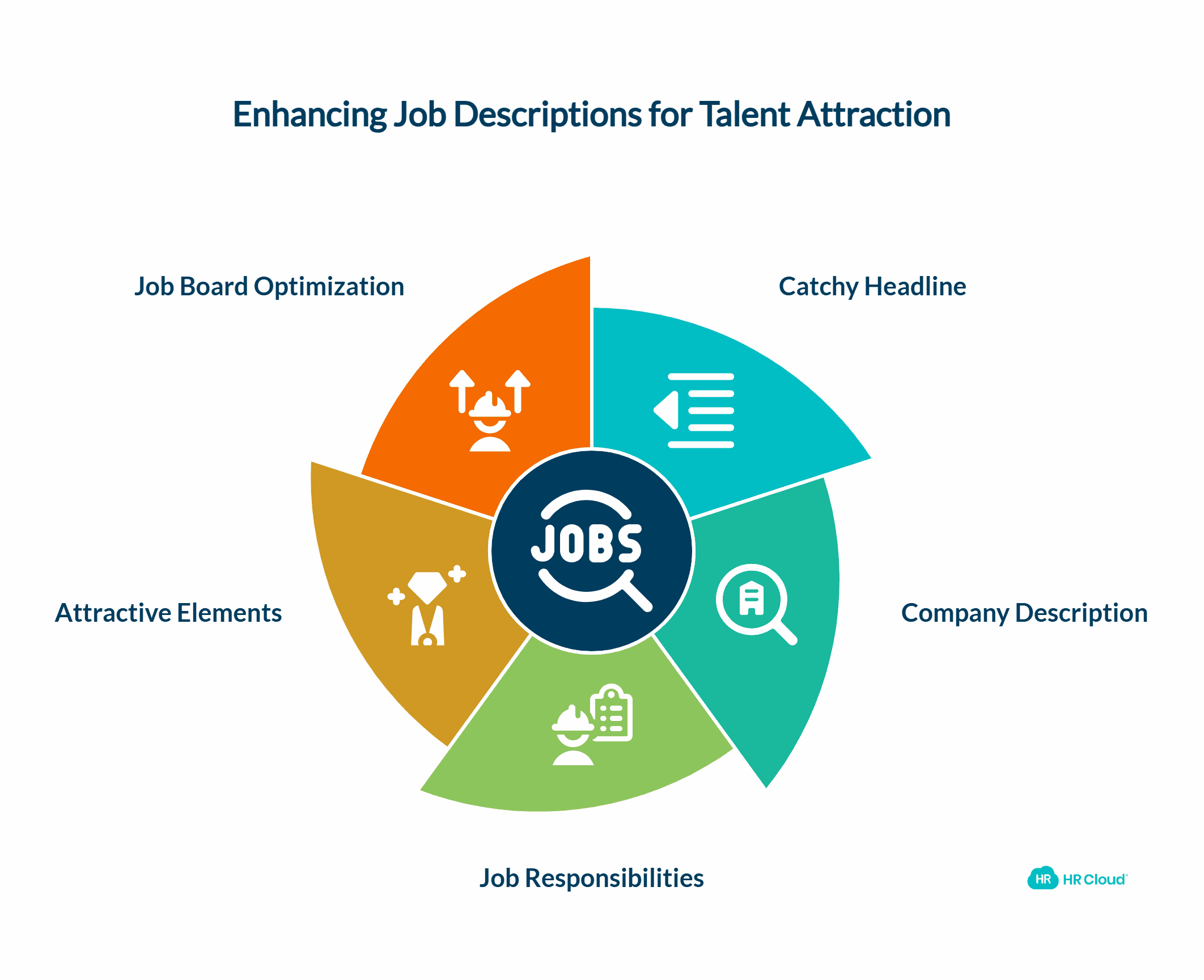
A weak job description can reduce application quality even when the role itself is attractive.
Candidates want to quickly understand responsibilities, expectations, salary ranges, and work environments.
Long blocks of text usually lower engagement.
Most candidates skim job descriptions before deciding whether to apply.
Keep descriptions structured and easy to scan.
You can improve readability by breaking information into smaller sections like:
- responsibilities
- required skills
- preferred qualifications
- benefits
- work setup
- growth opportunities
Avoid stuffing too many requirements into one listing.
Large requirement lists often discourage qualified candidates from applying.
Focus on the skills that truly matter for success in the role.
It also helps to make the role sound human instead of overly corporate.
Candidates respond better when job descriptions feel clear and realistic.
Tip 3: Use Indeed Resume Search Effectively
Many recruiters only wait for applications instead of actively sourcing candidates.
That usually slows hiring, especially for competitive roles.
Indeed Resume Search helps you proactively discover candidates using keywords, filters, and experience criteria.
You can narrow results based on:
- skills
- location
- certifications
- years of experience
- previous job titles
- education
Using more targeted searches often improves candidate quality significantly.
For example, searching “B2B SaaS Account Executive” produces stronger results than searching only “sales.”
Boolean searches can also help refine candidate discovery further.
This reduces time spent reviewing irrelevant profiles manually.
Save promising profiles even if you are not hiring immediately.
Building a talent pipeline early makes future hiring much faster.
Suggested Reading:
Passive Candidates: How to Source & Hire Top TalentTip 4: Reach Out to Candidates Quickly
Good candidates rarely stay available for long.
Slow response times often lead to missed hiring opportunities.
When candidates apply, try reaching out as quickly as possible.
Fast communication creates a better candidate experience and increases response rates.
Personalized outreach also performs better than generic recruiter messages.
Candidates are more likely to respond when messages explain why they were selected specifically.
Keep outreach messages short and clear.
A simple message that explains the role, team, and next step usually works best.
It also helps to maintain communication throughout the hiring process.
Candidates often lose interest when follow-ups become inconsistent or delayed.
Tip 5: Use Screening Questions to Save Time
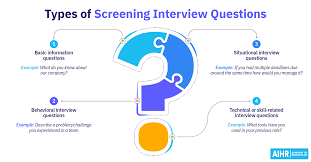
Screening questions help recruiters identify qualified candidates earlier in the hiring process.
This reduces manual review work and speeds up shortlisting.
You can use screening questions to check for:
- required certifications
- shift availability
- location preferences
- years of experience
- technical skills
- work authorization
Keep screening questions relevant and limited.
Too many questions can increase candidate drop-offs before applications are completed.
The goal is to simplify decision-making, not create unnecessary friction.
Well-structured screening questions help recruiters focus faster on the strongest applicants.
As hiring volume grows, these small workflow improvements save significant recruiting time consistently.
Tip 6: Keep Your Employer Brand Strong
Candidates often research companies before applying or responding to recruiter messages.
If your employer brand feels unclear or outdated, strong candidates may lose interest quickly.
Your Indeed company profile should reflect your work culture, team values, and employee experience clearly.
Simple updates like employee reviews, workplace photos, and transparent job information can improve trust significantly.
Consistency also matters across your careers page, LinkedIn presence, and job descriptions.
Candidates should get the same impression everywhere they interact with your brand.
A strong employer brand helps recruiters attract better applicants without relying only on sponsored visibility.
Tip 7: Combine Indeed With AI Recruiting Tools
Manual sourcing becomes difficult when hiring volume increases or recruiters manage multiple open roles simultaneously.
That is where AI recruiting tools can improve recruiting speed and efficiency.
AI tools help automate repetitive tasks like sourcing, screening, follow-ups, and candidate ranking.
This allows recruiters to spend more time on interviews and relationship-building instead of administrative work.
For example, platforms like Leelu.ai help recruiters source candidates across multiple platforms, automate outreach, and identify strong matches faster.
This becomes especially useful when Indeed applications increase beyond what recruiters can manually manage efficiently.
Using AI alongside Indeed helps create a more scalable recruiting workflow without reducing candidate quality.
Tip 8: Track Recruiting Performance Regularly
Many recruiters focus only on application numbers instead of overall hiring performance.
But more applications do not always mean better hiring outcomes.
Tracking recruiting metrics helps you understand what is actually working.
You can identify which job posts attract qualified candidates and which sourcing methods create better response rates.
Important recruiting metrics often include:
- application completion rates
- response rates
- interview conversion rates
- time-to-hire
- cost-per-hire
- candidate quality
Reviewing performance regularly helps recruiters make faster adjustments before hiring problems grow larger.
Even small improvements in sourcing strategy can significantly improve hiring efficiency over time.
Tip 9: Build a Long-Term Candidate Pipeline
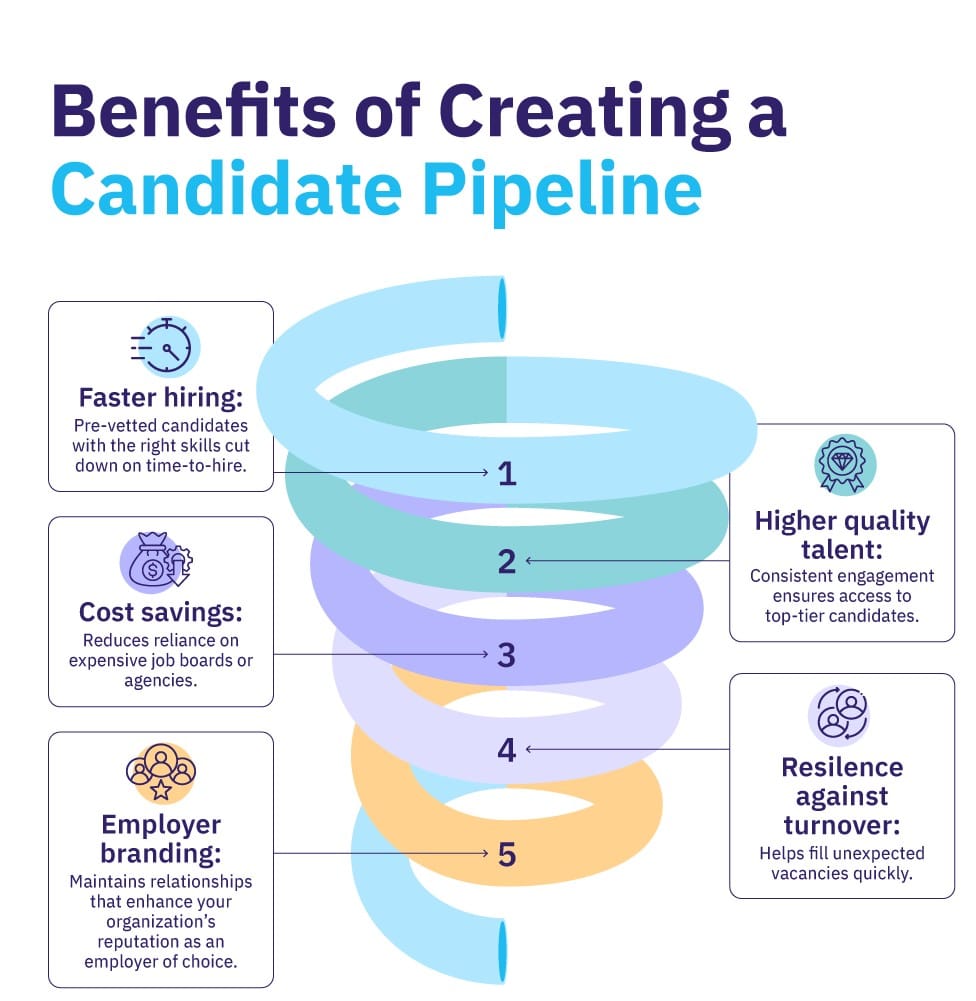
Not every strong candidate will be ready to switch jobs immediately.
That does not mean they are not valuable for future hiring needs.
Strong recruiters continuously build relationships with promising candidates even when roles are already filled.
This creates a long-term talent pipeline that reduces future sourcing pressure.
Save qualified profiles, organize candidate notes, and maintain occasional communication with top prospects.
When new openings appear, you already have a shortlist ready instead of restarting sourcing from zero.
Long-term pipelines also help recruiters reduce time-to-hire for urgent positions.
Over time, this creates a more predictable and efficient recruiting process.
How Leelu.AI Can Help You Source and Hire Better Candidates on Autopilot
As hiring volume grows, recruiters often spend too much time switching between sourcing, screening, outreach, and scheduling tools.
That manual work slows hiring and makes it harder to maintain candidate engagement consistently.
Tools like Leelu.AI help automate large parts of the recruiting workflow so teams can hire faster with less manual effort.
1. Automate Candidate Sourcing Across Multiple Platforms
Recruiters often search for candidates across LinkedIn, job boards, ATS platforms, and internal databases separately.
Managing sourcing manually across multiple channels quickly becomes time-consuming.
Leelu.ai helps automate candidate sourcing across different platforms from one workflow.
This allows recruiters to discover more relevant candidates without constantly switching between recruiting tools.
Broader sourcing also improves hiring reach for difficult or high-volume roles.
2. Screen and Rank Candidates Faster With AI
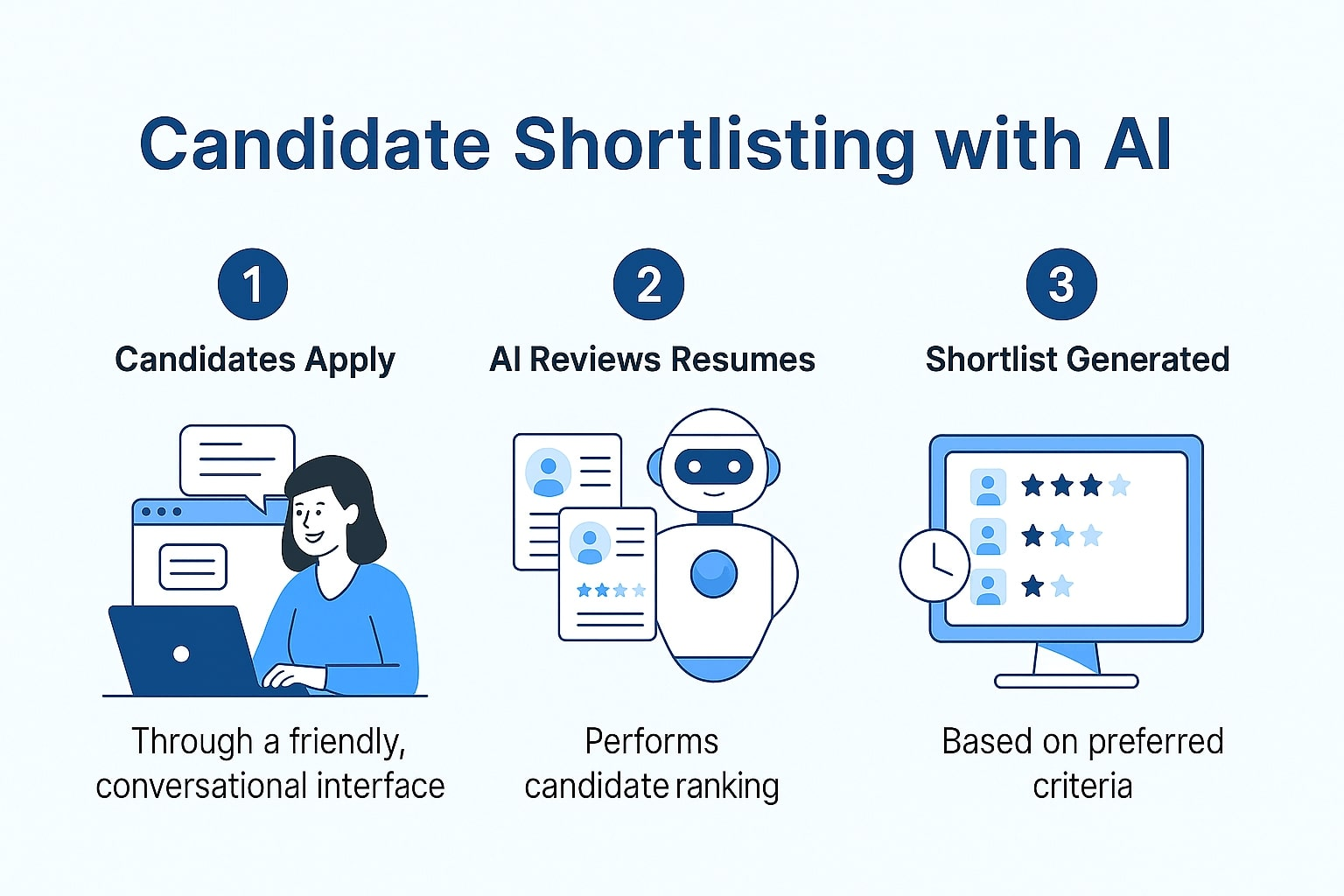
Reviewing resumes manually takes significant time when applications increase.
Recruiters may spend hours filtering profiles before identifying qualified candidates.
Leelu.ai uses AI-powered matching and resume screening to rank candidates based on job fit automatically.
This helps recruiters identify stronger candidates faster without manually reviewing every application.
Automated ranking also improves shortlist consistency across hiring workflows.
3. Reduce Manual Recruiting Tasks and Follow-Ups
A large portion of recruiting time goes into repetitive administrative work.
Tasks like follow-ups, candidate replies, scheduling, and status tracking can slow hiring operations significantly.
Leelu.ai helps automate these repetitive recruiting workflows.
Recruiters can maintain candidate engagement without manually handling every follow-up conversation.
This reduces recruiter workload while keeping the hiring process moving consistently.
4. Organize Candidate Pipelines More Efficiently
As hiring pipelines grow, candidate tracking becomes harder to manage manually.
Important updates, interview stages, and candidate notes can easily become disorganized.
Leelu.ai helps centralize candidate data and pipeline management in one place.
Recruiters can track sourcing, outreach, screening, and hiring progress more efficiently across teams.
Better organization also improves collaboration between recruiters and hiring managers.
5. Improve Outreach and Candidate Engagement
Generic outreach messages often receive lower response rates.
Candidates usually respond better when communication feels timely and personalized.
Leelu helps recruiters automate personalized outreach at scale across different communication channels.
This makes it easier to maintain candidate engagement throughout the hiring process.
Consistent communication also reduces candidate drop-offs during longer hiring cycles.
6. Speed Up Hiring Decisions With Better Insights
Recruiting decisions become difficult when teams lack visibility into hiring performance.
Without clear data, recruiters may struggle to identify sourcing gaps or process delays.
Leelu.ai provides hiring insights and pipeline visibility that help recruiters track recruiting performance more effectively.
Teams can identify bottlenecks faster and improve hiring workflows using real-time data.
This helps organizations make faster and more informed hiring decisions overall.
Suggested Reading:
AI Talent Acquisition ToolsCommon Mistakes Recruiters Make on Indeed
Even experienced recruiters can struggle to get consistent hiring results on Indeed.
Small mistakes in sourcing strategy often reduce application quality and candidate engagement.
1. Writing Vague Job Descriptions
Unclear job descriptions confuse candidates and reduce application quality.
Candidates want to quickly understand responsibilities, qualifications, and expectations before applying.
Vague descriptions also make jobs harder to discover in search results.
Clear and structured listings usually attract more relevant applicants.
2. Ignoring Candidate Response Time
Slow recruiter responses often lead to missed hiring opportunities.
Strong candidates may accept other offers before recruiters even begin follow-ups.
Quick communication improves candidate experience and increases response rates significantly.
Fast follow-ups also help recruiters maintain hiring momentum.
3. Using Too Many Requirements
Large requirement lists can discourage qualified candidates from applying.
Many applicants avoid roles when they do not match every listed qualification perfectly.
Focus on skills that are truly necessary for the role.
Simpler requirement lists usually improve application volume and candidate quality together.
4. Failing to Personalize Outreach
Generic recruiting messages often feel automated and easy to ignore.
Candidates are more likely to respond when outreach feels relevant and personalized.
Even small personalization can improve engagement noticeably.
Mentioning candidate skills, experience, or career background helps messages feel more genuine.
Conclusion
Sourcing candidates on Indeed becomes much more effective when you combine strong recruiting practices with faster and more organized hiring workflows.
Clear job descriptions, faster outreach, better screening, and consistent candidate engagement all play a major role in improving hiring results.
As recruiting demands continue growing, many teams also use AI recruiting platforms like Leelu AI to automate sourcing, screening, and follow-ups more efficiently.
The goal is not just filling open roles faster.
It is building a hiring process that consistently attracts and engages better candidates over time.
Frequently Asked Questions
1. How often should recruiters update job postings on Indeed?
Updating job postings regularly helps keep them visible in search results and improves candidate engagement. Many recruiters refresh listings every few weeks for better reach.
2. Can small businesses use Indeed effectively for hiring?
Yes. Small businesses can use Indeed to attract local and remote candidates without needing a large recruiting team or budget.
3. What types of jobs perform best on Indeed?
Indeed works well for high-volume hiring, entry-level roles, remote jobs, customer support, sales, healthcare, and technical positions.
4. Is it better to use free or sponsored job posts on Indeed?
Free job posts can still attract applicants, but sponsored posts usually improve visibility and help recruiters reach more qualified candidates faster.
5. How can recruiters reduce candidate drop-offs during applications?
Recruiters can reduce drop-offs by simplifying application forms, shortening screening steps, and making job descriptions easier to understand.


