Hiring the right employees can feel overwhelming when you are just getting started.
You post a job, wait for applications, and still struggle to find people who truly fit the role and your company culture.
On top of that, sorting resumes, scheduling interviews, and keeping candidates engaged takes more time than most businesses expect.
The good news is that recruiting does not have to be complicated when you follow the right process.
With the right strategies, you can attract better candidates, speed up hiring, and build a stronger team without wasting weeks on manual work.
In this guide, you will learn:
- How to recruit employees step by step
- The best ways to attract qualified candidates
- Common hiring mistakes you should avoid
- Simple strategies to improve your recruitment process
Core Fundamentals That Make Employee Recruiting More Effective
Before you start posting jobs or reaching out to candidates, you need a strong recruitment foundation. Many companies struggle with hiring not because of a lack of applicants, but because their process feels unclear, slow, or disconnected.
When your recruiting strategy is structured from the beginning, it becomes much easier to attract qualified candidates and move them through the hiring process efficiently.
Writing Clear Job Descriptions That Attract Qualified Candidates
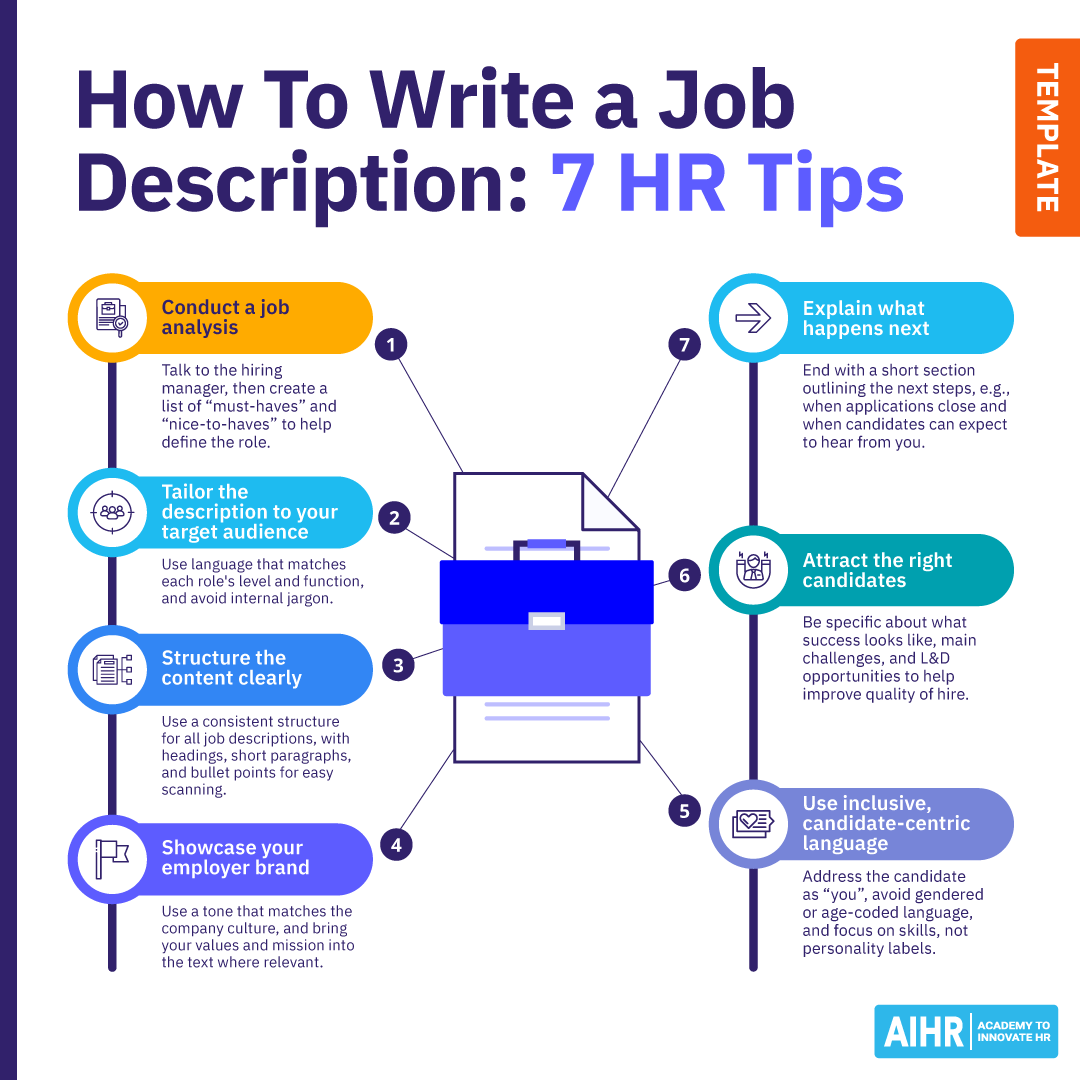
A job description is often the first interaction candidates have with your company. If the role sounds confusing, overly generic, or unrealistic, strong candidates may skip it immediately.
Your job description should clearly explain:
- What the employee will actually do daily
- Skills and experience required for success
- Expected outcomes for the role
- Salary range and benefits if possible
- Company culture and work environment
Avoid stuffing job posts with unnecessary requirements. Long qualification lists can discourage qualified applicants who may still be a great fit.
Instead of writing vague descriptions like “must be a team player,” explain the actual responsibilities candidates will handle.
The clearer your job post is, the more relevant applications you will receive.
Building a Strong Employer Brand Candidates Trust
Candidates do not just evaluate the job role anymore. They also evaluate the company behind it.
Before applying, many people check your website, employee reviews, LinkedIn presence, and social media activity to understand how your company treats employees.
A strong employer brand helps you attract better talent because candidates feel more confident about joining your organization.
You can improve your employer brand by:
- Sharing employee success stories
- Highlighting company culture online
- Maintaining transparent communication
- Responding professionally during hiring
- Showcasing growth opportunities for employees
Even small improvements in candidate communication can leave a strong positive impression.
Creating a Faster and Smoother Hiring Experience
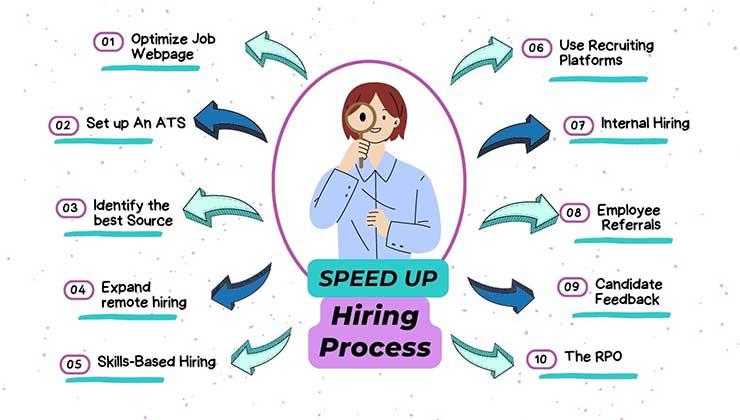
One of the biggest hiring mistakes companies make is moving too slowly.
Top candidates are usually interviewing with multiple companies at the same time. If your hiring process takes weeks between interviews or feedback rounds, you risk losing strong applicants quickly.
A smoother recruitment process should include:
- Quick resume screening
- Clear interview timelines
- Fast communication with candidates
- Simplified interview stages
- Timely feedback after interviews
Candidates remember how your hiring process made them feel. A fast and organized experience improves both hiring success and employer reputation.
Aligning Recruiters and Hiring Managers Before Sourcing Starts
Recruiting becomes difficult when recruiters and hiring managers are not aligned on what they actually need.
Before sourcing candidates, both sides should discuss:
- Required skills versus preferred skills
- Ideal experience level
- Budget and salary expectations
- Interview evaluation criteria
- Hiring urgency and timelines
This alignment reduces confusion later in the process and helps recruiters focus on the right candidates from the beginning.
Without clear expectations, teams often waste time reviewing profiles that were never truly suitable for the role.
Using the Right Recruiting Channels for Different Roles
Not every hiring channel works equally well for every position.
Some roles perform better through LinkedIn outreach, while others attract stronger candidates through job boards, employee referrals, niche communities, or campus recruitment.
For example:
- LinkedIn works well for professional and leadership hiring
- Job boards help attract active job seekers
- Employee referrals often improve candidate quality
- Niche communities help with specialized technical roles
- Campus hiring supports entry-level recruitment
Using multiple recruiting channels increases your reach and helps you connect with both active and passive candidates more effectively.
The key is choosing channels based on the role you are hiring for instead of relying on a single recruitment source for every position.
10 Best Ways to Recruit Employees Successfully
Once you build a strong hiring foundation, the next step is choosing the right recruitment strategies. The best employee recruitment methods help you reach qualified candidates faster while reducing manual hiring effort.
The key is not relying on a single hiring channel. Companies that recruit successfully usually combine multiple strategies based on the role, industry, and hiring urgency.
Here are some of the most effective ways to recruit employees in today’s competitive job market.
1. Using AI-Powered Candidate Sourcing to Find Talent Faster
Traditional sourcing takes a huge amount of time. Recruiters often spend hours searching profiles, filtering resumes, and manually shortlisting candidates.
AI-powered recruiting tools help simplify this process by automatically finding and matching candidates based on job requirements.
Instead of searching one platform at a time, modern AI recruiting systems can scan millions of candidate profiles across LinkedIn, job boards, and ATS databases in minutes.
This helps you:
- Reach more qualified candidates faster
- Reduce manual sourcing work
- Improve candidate matching accuracy
- Speed up the overall hiring cycle
AI recruiting also helps identify candidates who may not appear in simple keyword searches, which improves talent discovery significantly.
Platforms like Leelu AI help companies automate sourcing, screening, outreach, and interview scheduling in one workflow, making recruitment faster and more scalable without increasing recruiter workload.
Suggested Reading:
AI Candidate Sourcing Tools: 10 Best Solutions for Recruiters (2026 Guide)2. Recruiting Through Employee Referral Programs
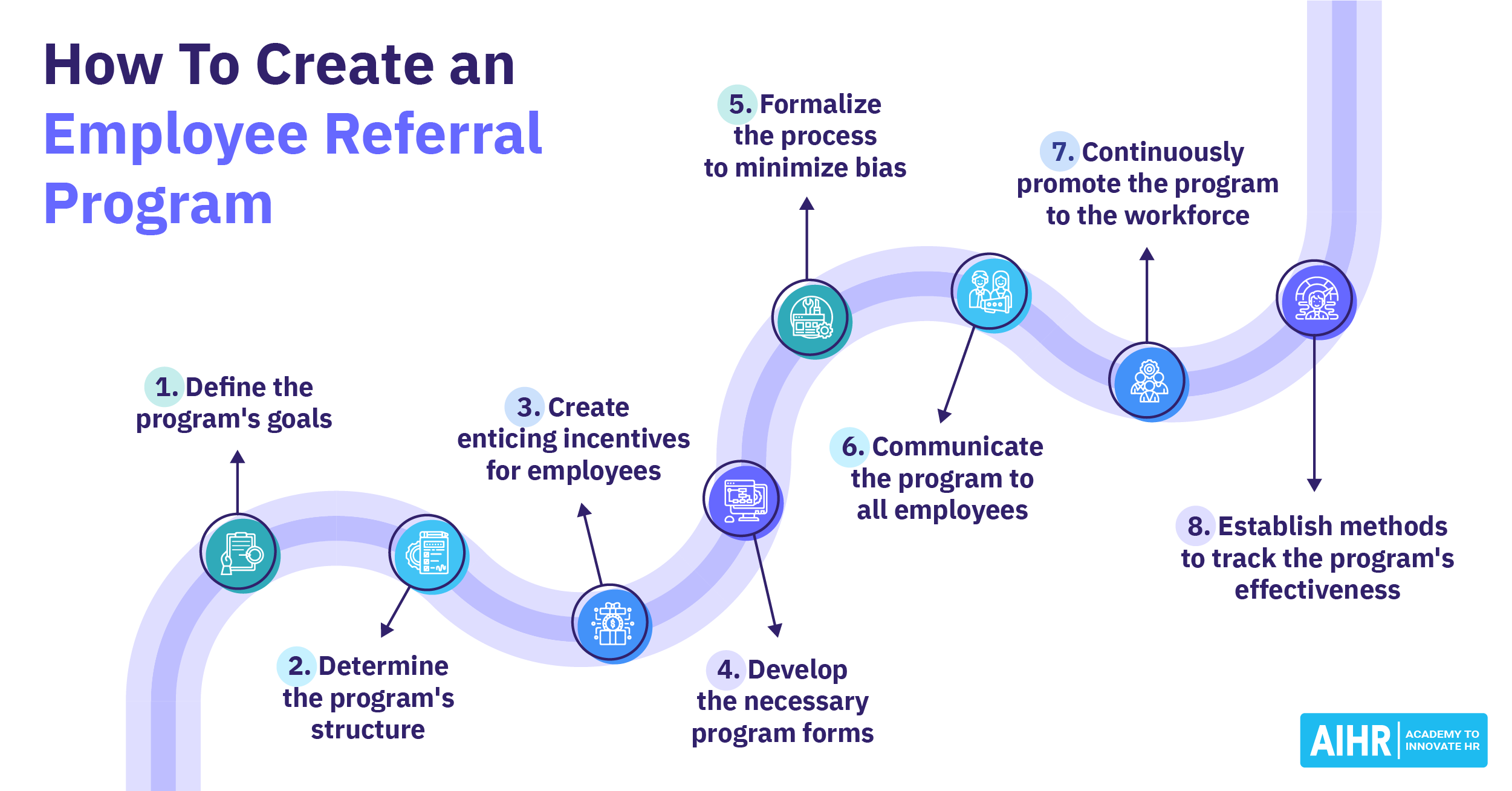
Employee referrals continue to be one of the most reliable hiring methods for many businesses.
Your existing employees already understand your company culture, expectations, and work environment. Because of this, they are more likely to recommend candidates who fit the organization well.
Referral programs also offer several advantages:
- Faster hiring timelines
- Higher candidate trust
- Better employee retention
- Lower recruitment costs
To improve referral participation, make the process simple and reward employees for successful hires. Even small incentives can encourage more referrals over time.
The best referral programs are consistent and easy for employees to use.
3. Reaching Candidates Through LinkedIn and Professional Networks
LinkedIn has become one of the most important recruiting platforms for professional hiring. It allows you to connect directly with candidates, showcase your employer brand, and build long-term talent relationships.
Instead of waiting for applications, recruiters can proactively engage professionals who match specific skills and experience levels.
You can use LinkedIn for:
- Direct candidate outreach
- Industry networking
- Employer branding
- Sharing company updates and culture
- Finding niche professionals
Professional communities, Slack groups, online forums, and industry events can also help you discover high-quality candidates who may not actively apply through job boards.
Building relationships through professional networks creates a stronger long-term talent pipeline.
4. Leveraging Job Boards and Hiring Platforms Strategically
Job boards still play an important role in recruitment, especially when hiring at scale or filling entry-level positions.
However, simply posting jobs everywhere often leads to low-quality applications and unnecessary screening work.
A better approach is choosing hiring platforms based on the type of role you are recruiting for.
For example:
- General job boards work well for broad hiring needs
- Niche platforms help with specialized roles
- Remote job boards attract distributed talent
- Industry-specific platforms improve targeting
Your job posts should also be optimized with clear titles, accurate role descriptions, salary transparency when possible, and simple application steps.
The easier it is for candidates to understand and apply, the higher your chances of attracting qualified applicants.
5. Engaging Passive Candidates With Personalized Outreach
Not every strong candidate is actively searching for jobs. In fact, many highly skilled professionals are passive candidates who only respond to the right opportunity.
That is why personalized outreach matters.
Generic recruiting messages often get ignored because candidates receive them constantly. Personalized communication helps you stand out and creates better engagement.
A strong outreach message should:
- Mention the candidate’s background or experience
- Explain why they are a good fit
- Highlight growth opportunities
- Keep the message short and relevant
- Feel conversational instead of automated
When candidates feel that the opportunity is genuinely relevant to them, response rates improve significantly.
Consistent follow-ups also play a major role because many candidates respond after the second or third interaction rather than the first message alone.
6. Using Recruitment Agencies for Specialized Hiring Needs
Some roles are harder to fill than others. Leadership positions, technical roles, healthcare hiring, and niche industry jobs often require specialized recruiting expertise and stronger candidate networks.
This is where recruitment agencies can help.
Specialized hiring agencies already have access to pre-screened candidates and industry-specific talent pools. Instead of starting from scratch, you can quickly connect with professionals who match your requirements.
Recruitment agencies are especially useful when:
- You need to hire urgently
- Internal recruiters lack niche expertise
- The role requires rare skills
- You are expanding into new markets
- Confidential hiring is required
However, agencies work best when expectations are clearly defined from the beginning. Share detailed role requirements, hiring timelines, salary ranges, and company culture information to improve candidate quality.
The more context recruiters have, the better they can represent your company to candidates.
7. Attending Hiring Events and Career Fairs
Not every great hire comes from online applications. Hiring events and career fairs still provide valuable opportunities to meet candidates directly and build stronger first impressions.
These events allow you to interact with candidates in real conversations rather than judging them only through resumes.
Career fairs are especially effective for:
- Campus hiring
- Entry-level recruitment
- Internship programs
- Local hiring initiatives
- Industry-specific networking
In-person interactions also help candidates understand your company culture faster, which increases engagement and application quality.
To stand out during hiring events:
- Prepare clear role information
- Train recruiters to communicate consistently
- Use simple application processes
- Follow up quickly after the event
- Collect candidate information efficiently
The faster you continue conversations after the event, the higher your chances of converting strong candidates into hires.
8. Recruiting Through Social Media Channels
Social media has become a powerful recruiting channel because candidates spend a significant amount of time on these platforms daily.
Platforms like LinkedIn, Instagram, Facebook, and even X can help companies increase hiring visibility and attract talent more organically.
Social recruiting works best when your content feels authentic instead of overly corporate.
You can use social media to:
- Share job openings
- Highlight company culture
- Showcase employee experiences
- Post behind-the-scenes content
- Build long-term employer branding
Candidates often trust employee stories and workplace content more than traditional job advertisements.
Short videos, team updates, and workplace achievements can make your company feel more approachable and attractive to potential applicants.
Social recruiting also helps passive candidates discover opportunities naturally without actively searching for jobs.
9. Building Talent Pipelines for Future Hiring Needs
One of the biggest recruiting mistakes companies make is hiring only when positions become urgent.
Strong recruiting teams continuously build talent pipelines even when there are no immediate openings.
A talent pipeline is simply a group of potential candidates you can reconnect with later when hiring needs arise.
This includes:
- Previous applicants
- Silver-medalist candidates
- Employee referrals
- Passive candidates
- Event connections
- Industry professionals
Building relationships early reduces future hiring pressure and shortens time-to-hire significantly.
Modern recruiting platforms also help companies organize and track talent pools more effectively by keeping candidate information centralized and searchable.
Instead of restarting the hiring process every time, you already have qualified candidates available for future opportunities.
10. Running Targeted Recruitment Campaigns for Specific Roles
Some positions require highly focused recruiting efforts rather than general hiring strategies.
For example, hiring software engineers, healthcare professionals, or sales leaders often requires customized recruitment campaigns designed for that audience.
Targeted recruitment campaigns allow you to tailor:
- Job messaging
- Candidate outreach
- Platform selection
- Advertising strategy
- Employer branding content
This improves both candidate quality and response rates.
For high-volume or specialized hiring, AI-driven recruitment tools can also help automate outreach, candidate matching, and engagement at scale.
Platforms like Leelu AI help recruiters run targeted sourcing and outreach campaigns across multiple hiring platforms while reducing repetitive manual work.
When recruitment campaigns are personalized and role-specific, candidates are far more likely to engage with your hiring process.
How Leelu Helps You Recruit Employees Faster and More Efficiently
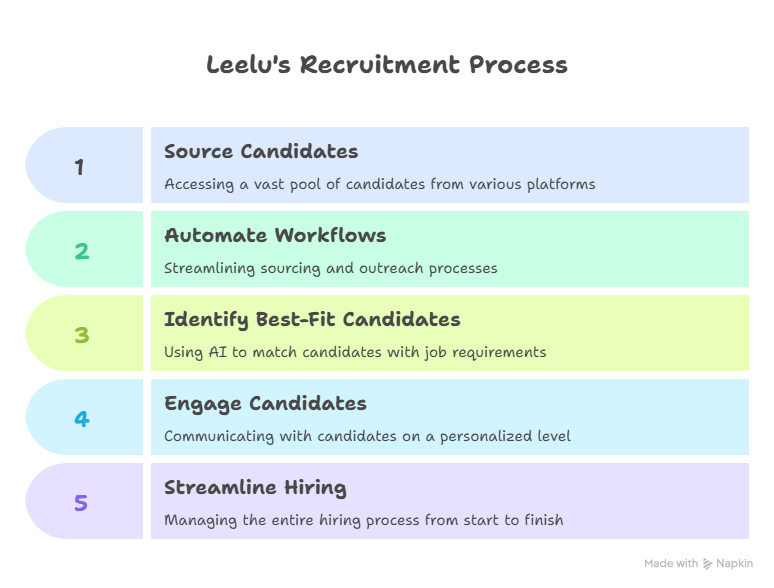
As hiring becomes more competitive, recruiters are expected to fill roles faster while managing sourcing, screening, outreach, and scheduling at the same time.
But handling every step manually often slows down the hiring process and increases recruiter workload.
This is where AI-powered recruiting platforms can make a major difference.
Leelu.AI helps companies automate and simplify employee recruitment by combining sourcing, candidate matching, outreach, and interview coordination into one streamlined workflow.
Instead of switching between multiple tools and spending hours on repetitive tasks, recruiters can focus more on engaging the right candidates and making better hiring decisions.
1. Source Candidates From 500M+ Profiles Across Platforms
Finding qualified candidates is one of the most time-consuming parts of recruitment.
Leelu helps recruiters source talent from a database of 500M+ candidate profiles across LinkedIn, job boards, and ATS systems in one place.
This wider sourcing reach helps companies:
- Discover more relevant candidates faster
- Access talent across multiple hiring platforms
- Reduce dependency on single sourcing channels
- Improve candidate pipeline quality
Instead of manually searching platform by platform, recruiters can identify suitable candidates within minutes.
2. Automate Candidate Sourcing and Outreach Workflows
Manual sourcing and outreach can quickly become overwhelming, especially when hiring for multiple positions simultaneously.
Leelu automates repetitive recruiting workflows such as:
- Candidate sourcing
- Profile screening
- Outreach messaging
- Follow-ups
- Interview coordination
This significantly reduces recruiter workload while helping teams move candidates through the hiring funnel much faster.
Automation also improves consistency because candidates receive timely communication without long delays.
3. Identify Best-Fit Candidates With AI Matching
Recruiters often spend hours reviewing resumes that may not match the role requirements properly.
Leelu uses AI-powered matching to analyze candidate profiles and rank applicants based on job fit, skills, and relevance.
This helps recruiters:
- Prioritize stronger candidates faster
- Improve shortlist quality
- Reduce manual screening time
- Make more data-driven hiring decisions
Instead of reviewing hundreds of profiles manually, hiring teams can focus on the most relevant candidates first.
4. Engage Candidates With Personalized Communication at Scale
Candidate engagement plays a major role in successful recruitment. Generic outreach messages often get ignored, especially by passive candidates.
Leelu helps recruiters send personalized outreach messages across channels while managing communication at scale.
This allows hiring teams to:
- Reach more candidates efficiently
- Improve response rates
- Keep candidates engaged throughout the process
- Automate follow-ups without losing personalization
Consistent communication also creates a better candidate experience, which improves employer branding over time.
5. Streamline Hiring From Sourcing to Interview Scheduling
Recruitment becomes much more efficient when every stage of hiring works together in one system.
Leelu helps streamline the entire hiring workflow, from sourcing and screening to candidate engagement and interview scheduling.
With automated scheduling and centralized candidate management, recruiters can reduce coordination delays and move candidates through the process faster.
This end-to-end workflow helps companies:
- Shorten hiring cycles
- Reduce manual administrative work
- Improve recruiter productivity
- Create a smoother hiring experience for candidates
For growing teams and fast-moving companies, this type of automation can significantly improve hiring speed without sacrificing candidate quality.
Common Recruiting Mistakes to Avoid
Even with the right hiring strategies, small recruiting mistakes can slow down the entire process and reduce candidate quality.
Many companies struggle with recruitment not because they lack opportunities, but because their hiring approach creates unnecessary friction for candidates and recruiters alike.
Understanding these common mistakes can help you improve hiring efficiency and attract better employees consistently.
1. Relying on Only One Recruiting Channel
One of the biggest hiring mistakes is depending entirely on a single recruitment source.
If you only use job boards, referrals, or LinkedIn alone, you limit your access to qualified candidates. Different channels attract different types of talent, and relying on one source often creates inconsistent hiring results.
A stronger recruiting strategy combines multiple channels such as:
- Employee referrals
- LinkedIn sourcing
- Job boards
- Social media recruiting
- Recruitment agencies
- Industry communities
Using multiple recruiting channels improves candidate reach and increases your chances of finding the right fit faster.
2. Using Generic Outreach Messages for Every Candidate
Candidates receive recruiting messages constantly, especially for competitive roles. Generic outreach messages usually get ignored because they feel automated and irrelevant.
Messages like “We found your profile interesting” rarely create engagement.
Instead, strong recruiting outreach should feel personalized and specific to the candidate’s experience, skills, or career background.
A better outreach approach includes:
- Mentioning relevant experience
- Explaining why the role matches their background
- Keeping communication short and conversational
- Highlighting meaningful opportunities instead of generic benefits
Personalized outreach improves response rates and helps build stronger candidate relationships from the beginning.
3. Delaying Follow-Ups With Interested Candidates
Recruitment speed matters more than many companies realize.
Strong candidates are often interviewing with multiple employers at the same time. When recruiters delay follow-ups, interview scheduling, or feedback, candidates may lose interest or accept another offer first.
Even simple communication delays can damage the candidate experience.
To avoid this problem:
- Respond quickly after applications
- Share clear interview timelines
- Follow up consistently after interviews
- Keep candidates updated throughout the process
Fast and transparent communication keeps candidates engaged and improves overall hiring success.
4. Ignoring Data and Recruiting Performance Metrics
Many companies make hiring decisions without properly tracking recruitment performance.
Without data, it becomes difficult to understand:
- Which sourcing channels perform best
- Where candidates drop off
- How long hiring takes
- Which outreach methods generate responses
- What improves hiring quality
Recruitment metrics help teams optimize their hiring process instead of relying only on assumptions.
Tracking performance regularly allows recruiters to identify bottlenecks, improve efficiency, and make more informed hiring decisions over time.
Modern AI recruiting platforms like Leelu AI also provide hiring insights and pipeline visibility that help teams improve recruiting workflows more effectively.
5. Failing to Build Long-Term Talent Pipelines
Many businesses only start recruiting when a position becomes urgent. This reactive approach often leads to rushed hiring decisions and longer time-to-fill.
Strong recruiting teams continuously build relationships with candidates, even before roles become available.
Long-term talent pipelines help companies:
- Reduce future hiring delays
- Improve candidate availability
- Build ongoing relationships with skilled professionals
- Respond faster to sudden hiring needs
Recruiting becomes much easier when you already have a pool of engaged candidates instead of restarting the sourcing process every time a role opens.
Suggested Reading:
Top HR Metrics Every HR Professional Should TrackConclusion
Recruiting the right employees is not just about filling open positions quickly. It is about building a hiring process that consistently attracts qualified candidates, creates a positive candidate experience, and supports long-term business growth.
When you combine clear job descriptions, multiple recruiting channels, personalized outreach, and faster hiring workflows, recruitment becomes far more effective and scalable.
Modern AI recruiting platforms like Leelu AI can further simplify sourcing, screening, outreach, and scheduling, helping your team hire faster with less manual effort.
The better your recruitment strategy becomes, the easier it is to build stronger teams that drive long-term success.
Frequently Asked Questions
1. How can I recruit employees faster?
You can recruit employees faster by using multiple hiring channels, improving communication, and automating repetitive recruitment tasks. Faster screening and interview scheduling also help reduce hiring delays.
2. What is the best way to find qualified candidates?
The best way is to combine LinkedIn sourcing, employee referrals, job boards, and personalized outreach. Using multiple channels increases access to better talent pools.
3. Why is employer branding important in recruitment?
Employer branding helps candidates trust your company before applying for jobs. A strong brand also improves candidate engagement and application quality.
4. How do AI recruiting tools help recruiters?
AI recruiting tools automate sourcing, screening, outreach, and scheduling workflows. This reduces manual work and helps recruiters hire faster.
5. What are the biggest recruitment mistakes companies make?
Common mistakes include relying on one hiring channel, delaying candidate follow-ups, and using generic outreach messages. Ignoring recruitment data can also slow hiring performance.


