
Hiring the wrong candidate is expensive, but losing the right candidate during the hiring process can hurt even more.
Many companies struggle to attract top talent not because of salary or benefits, but because of avoidable hiring mistakes that create delays, confusion, or poor candidate experiences.
The good news is that most of these mistakes are fixable once you identify them early.
In this guide, you’ll learn:
- The most common hiring mistakes companies make
- How these mistakes impact candidate quality and hiring speed
- Simple ways to improve your recruitment process and avoid losing top talent
Why Hiring Mistakes Cost More Than You Think
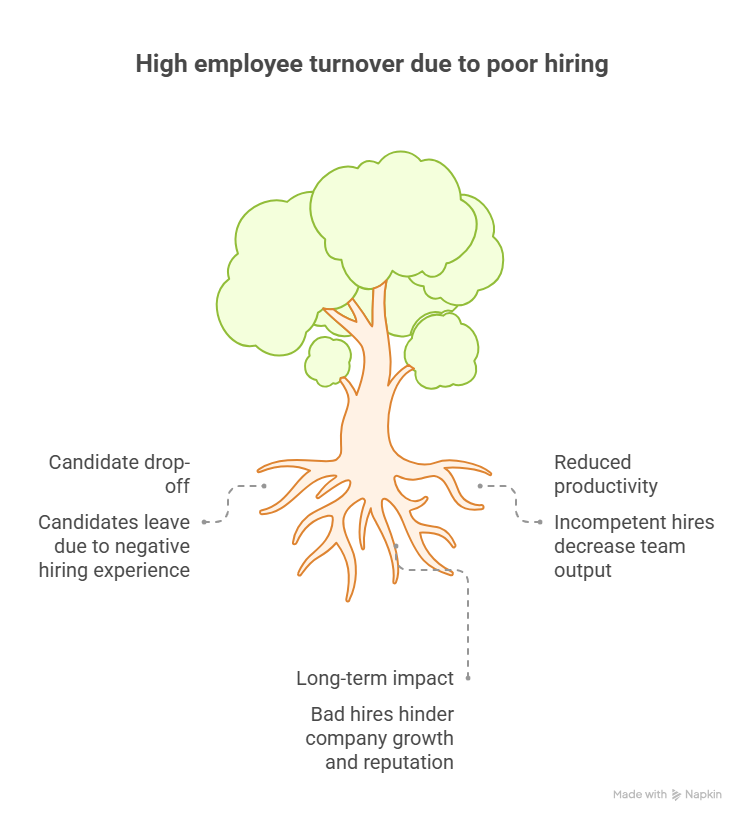
Hiring mistakes rarely affect just one role or one department.
In most cases, they create a ripple effect that impacts productivity, employee morale, hiring costs, and long-term business growth.
What looks like a small recruitment issue today can quickly turn into a much bigger operational problem tomorrow.
1. The hidden cost of poor hiring decisions
A bad hire costs far more than just salary expenses.
You also lose time spent on sourcing, interviews, onboarding, training, and replacing the employee again if things do not work out.
On top of that, your existing team often has to cover unfinished work while managers spend additional time correcting mistakes or restarting the hiring process.
These hidden costs can include:
- Delayed projects and missed deadlines
- Increased recruiter and manager workload
- Higher employee turnover
- Extra onboarding and training expenses
- Reduced team confidence in hiring decisions
Over time, repeated hiring mistakes can quietly drain both time and revenue.
2. Why candidates leave during the hiring process
Top candidates usually have multiple opportunities available at the same time.
If your hiring process feels slow, confusing, or unorganized, they are unlikely to wait for too long.
Many companies lose strong candidates because of issues like:
- Delayed interview scheduling
- Poor communication after applications
- Lengthy approval processes
- Generic outreach messages
- Lack of clarity about the role
Candidates often judge your company based on the hiring experience itself.
A frustrating process can make even a great company look disorganized from the outside.
3. How hiring mistakes reduce team productivity
When the wrong person joins the team, the impact spreads quickly across daily operations.
Managers spend more time supervising, coworkers take on extra responsibilities, and overall efficiency starts slowing down.
Even one poor hiring decision can create:
- Workflow disruptions
- Increased dependency on senior employees
- Communication gaps inside teams
- Lower morale among high performers
- More pressure on existing staff
Instead of helping the business grow, the team ends up spending energy fixing avoidable problems.
4. The long-term impact of bad hiring on company growth
Hiring mistakes do not just affect short-term performance. Over time, they can slow down business growth, weaken company culture, and make scaling much harder.
If hiring processes remain inconsistent, companies often struggle to:
- Build high-performing teams
- Maintain strong employer branding
- Retain skilled employees
- Scale recruitment efficiently
- Achieve long-term business goals
This is why improving hiring accuracy is not only an HR priority. It directly affects how fast and effectively your company can grow.
12 Common Hiring Mistakes to Avoid
Now that you understand how costly hiring mistakes can become, the next step is identifying where companies usually go wrong.
Many hiring problems are not caused by a lack of candidates, but by outdated processes, unclear communication, and rushed decisions.
Here are some of the most common hiring mistakes that can make you lose top talent before they even join your company.
Mistake #1: Writing Vague Job Descriptions
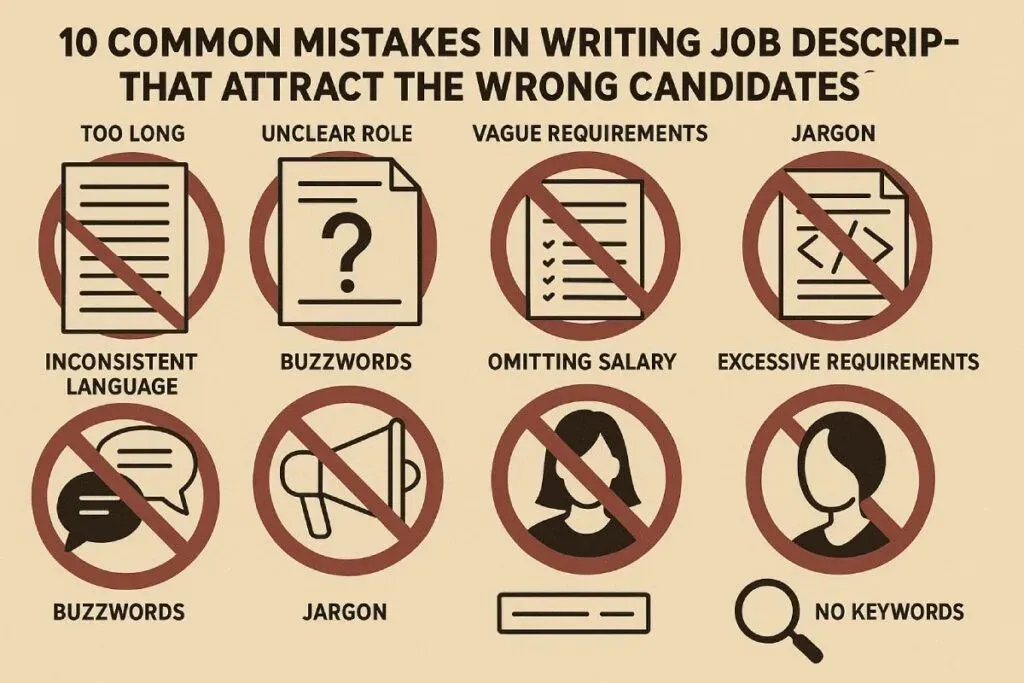
A job description is often the first interaction candidates have with your company. If the role feels unclear or overly generic, strong candidates may simply skip applying.
Many companies make the mistake of:
- Adding too many unnecessary requirements
- Using confusing job titles
- Not explaining responsibilities clearly
- Missing salary or growth information
- Writing descriptions that sound copied and impersonal
A clear and focused job description helps attract candidates who actually match the role instead of generating irrelevant applications.
Mistake #2: Taking Too Long to Hire
Slow hiring is one of the biggest reasons companies lose qualified candidates. Top talent usually gets hired quickly, especially in competitive industries.
When interview rounds stretch for weeks, candidates often lose interest or accept another offer before your process finishes.
Common causes of hiring delays include:
- Too many approval stages
- Manual interview scheduling
- Slow resume screening
- Lack of internal coordination
- Delayed communication with candidates
Reducing hiring delays helps you secure strong candidates before competitors do.
Mistake #3: Relying Too Much on Resumes
Resumes only show part of a candidate’s potential. Many great candidates may not have perfectly optimized resumes but still possess strong skills, adaptability, and problem-solving ability.
Hiring decisions based only on resumes can lead to:
- Overlooking high-potential candidates
- Prioritizing formatting over capability
- Bias toward certain backgrounds or companies
- Weak assessment of real-world skills
A better hiring process combines resumes with skill evaluation, structured interviews, and deeper candidate conversations.
Mistake #4: Ignoring Candidate Experience
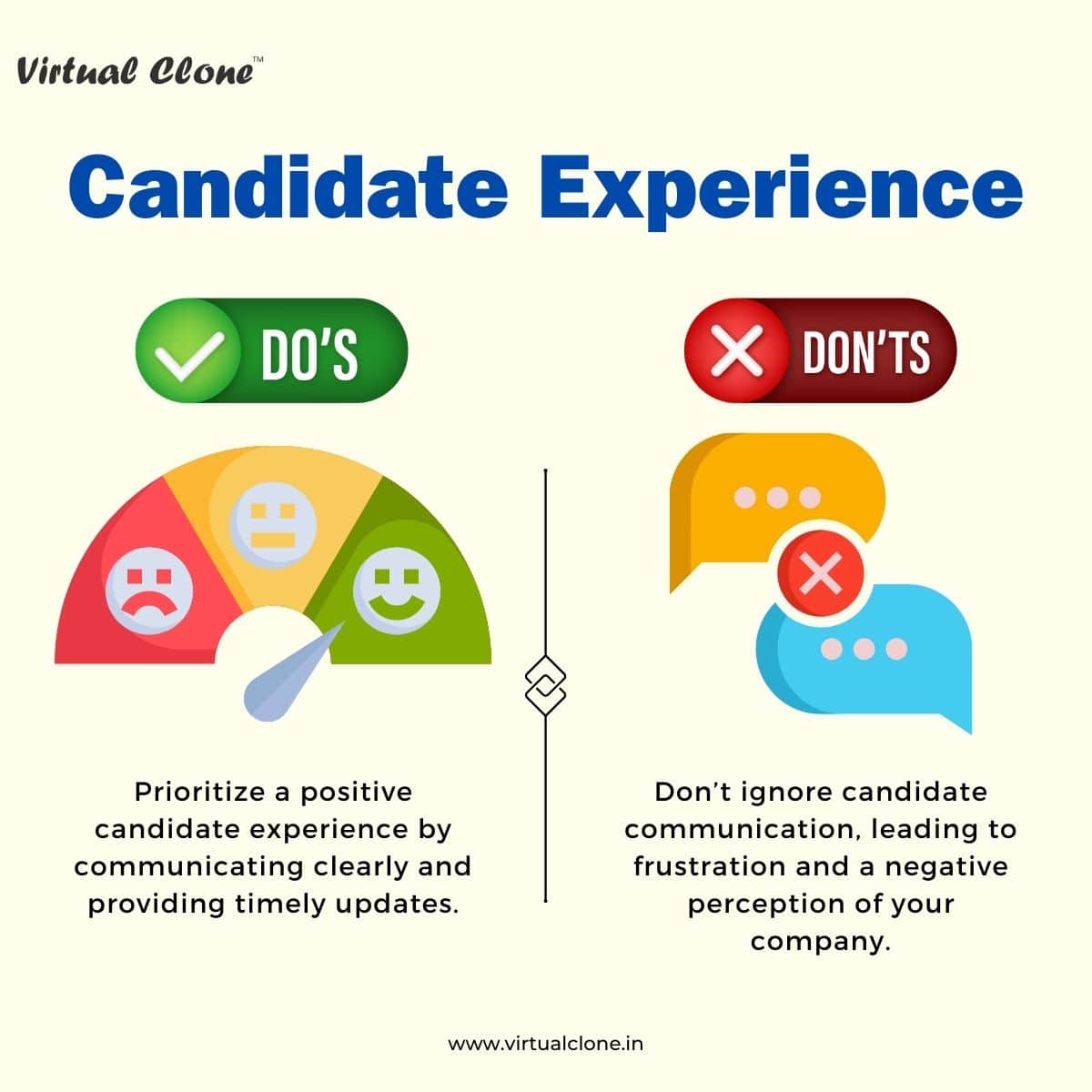
Candidates pay close attention to how companies communicate during recruitment. A poor hiring experience can damage your employer brand even if the candidate never joins the company.
Some common mistakes include:
- Not responding after interviews
- Sending unclear interview instructions
- Poor communication between rounds
- Unprofessional interview behavior
- Complicated application processes
Even rejected candidates can leave with a positive impression if the hiring experience feels respectful and organized.
Mistake #5: Asking Weak Interview Questions
Interviews should help you understand how candidates think, communicate, and solve problems. But many interviews become ineffective because the questions are too generic or repetitive.
Weak interview questions often:
- Focus too much on memorized answers
- Fail to assess practical skills
- Create inconsistent evaluations
- Make interviews feel unstructured
Instead, interview questions should connect directly to the role, responsibilities, and real workplace scenarios.
Mistake #6: Hiring Based on Gut Feeling Alone
Instinct can play a role in hiring, but relying only on personal feelings often leads to biased decisions.
A candidate may seem confident or relatable during interviews while lacking the skills required for the role.
Hiring based purely on intuition can result in:
- Inconsistent hiring standards
- Personal bias affecting decisions
- Poor culture and skill fit
- Higher employee turnover
Strong hiring decisions combine human judgment with structured evaluation methods, skills assessment, and predictive hiring analytics.
Mistake #7: Skipping Skills Assessments
A resume and interview alone cannot always show whether a candidate can actually perform the job.
Without proper skill assessments, companies often make decisions based on assumptions instead of real capability.
This becomes especially risky for technical, creative, or specialized roles where practical performance matters more than polished interview answers.
Skipping assessments can lead to:
- Hiring candidates with skill gaps
- Poor job performance after onboarding
- Increased training requirements
- Higher chances of early turnover
Simple role-based tasks or structured candidate selection tests can help you evaluate candidates more accurately before making a final decision.
Mistake #8: Overlooking Team and Culture Fit
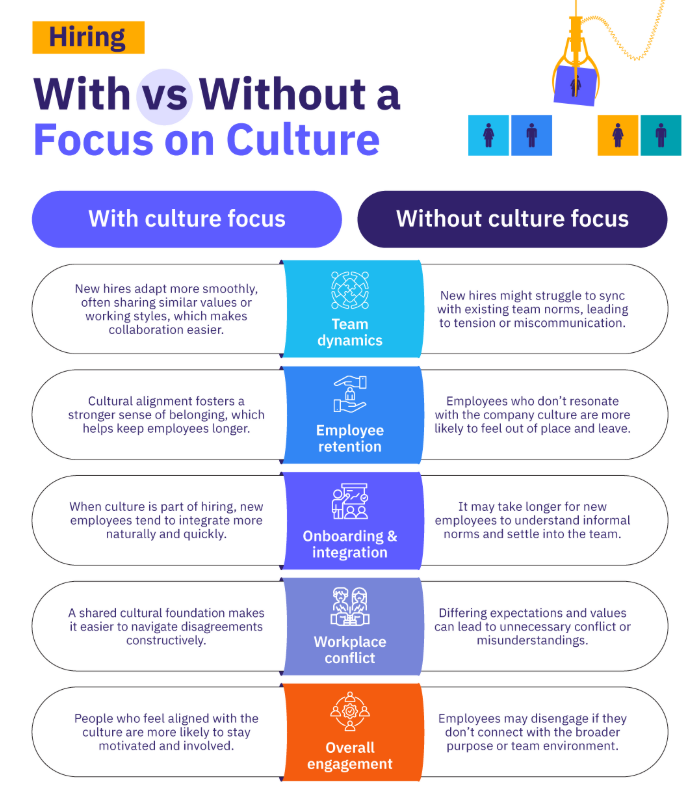
Technical skills are important, but they are only one part of successful hiring. A candidate who struggles to collaborate, communicate, or adapt to your work environment can affect the entire team.
Ignoring team and culture fit may result in:
- Communication issues inside teams
- Reduced employee engagement
- Conflicts in workflow and collaboration
- Lower long-term retention
The goal is not to hire people with identical personalities. It is about finding candidates who align with your company values, work style, and team expectations.
Mistake #9: Failing to Screen Candidates Properly
Poor screening processes often create hiring bottlenecks later in recruitment.
If unqualified candidates move too far into the pipeline, recruiters and hiring managers waste valuable time on unnecessary interviews.
Common screening mistakes include:
- Reviewing resumes too quickly
- Missing key qualification checks
- Inconsistent screening criteria
- No structured evaluation process
- Relying heavily on manual filtering
A strong screening process helps identify the right candidates early and keeps the hiring pipeline efficient.
Suggested Reading:
Applicant Tracking System (ATS)Mistake #10: Using Too Many Manual Hiring Processes
Manual hiring workflows slow everything down. From sourcing and outreach to scheduling interviews, repetitive tasks consume hours that recruiters could spend building stronger candidate relationships.
Manual processes often create:
- Delayed hiring timelines
- Higher recruiter workload
- Increased chances of human error
- Poor coordination between teams
- Missed candidate follow-ups
This is where AI-powered hiring platforms like Leelu.AI can help streamline sourcing, screening, outreach, and interview scheduling in one workflow.
According to Leelu’s positioning, AI-driven hiring workflows can reduce recruiter effort by 70–85% while helping teams move faster through the hiring pipeline.
Mistake #11: Not Using AI in Recruitment
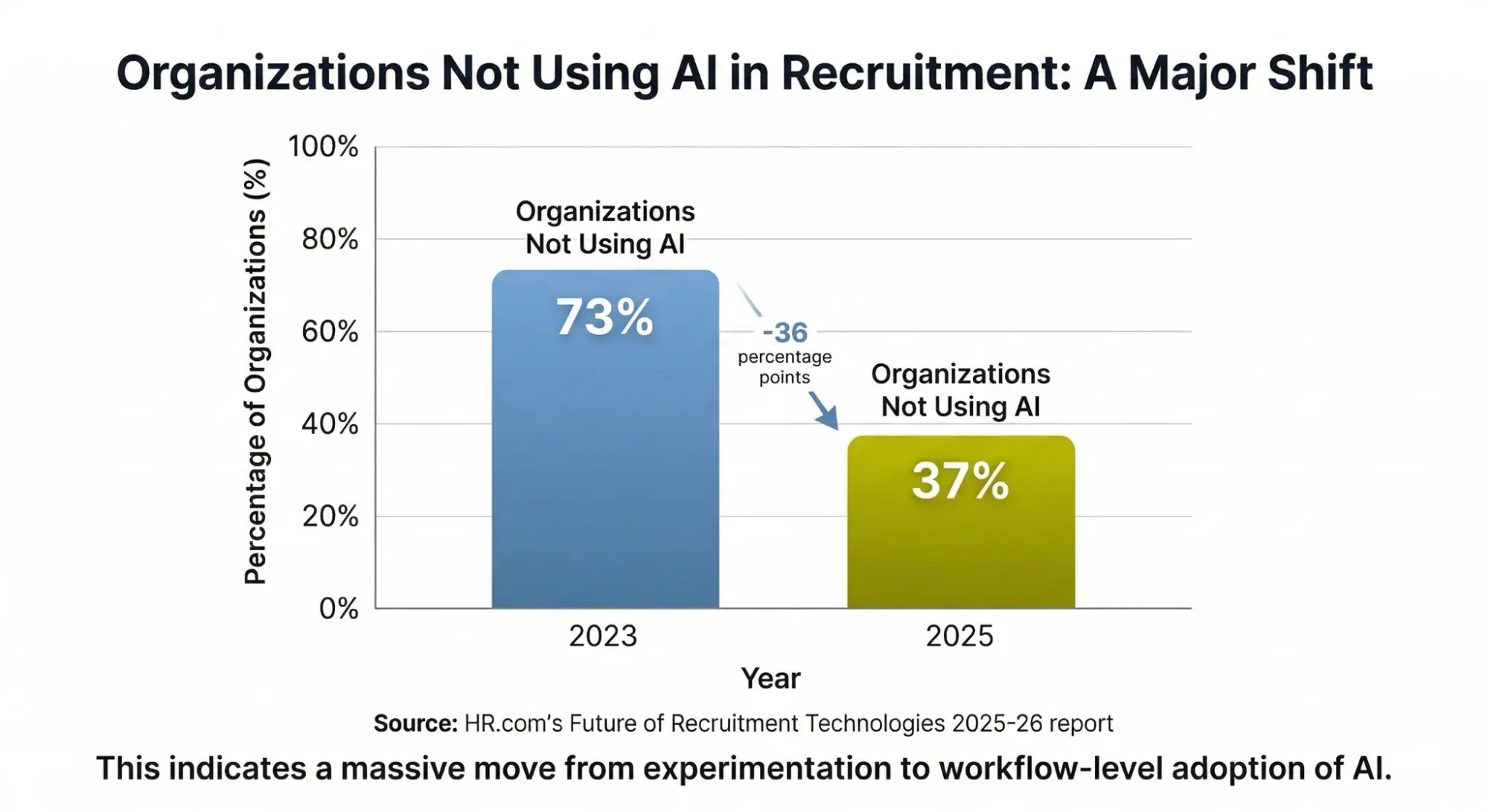
Recruitment has become too competitive for fully manual hiring strategies.
Companies that still rely only on spreadsheets, traditional sourcing methods, and manual outreach often struggle to keep up with hiring demand.
AI helps recruiters:
- Source candidates faster
- Screen large applicant volumes efficiently
- Personalize outreach at scale
- Reduce repetitive administrative work
- Improve hiring speed and accuracy
Modern AI recruiting tools can also help companies engage candidates continuously instead of losing them because of delayed communication.
Mistake #12: Making Hiring Decisions Without Data
Hiring decisions based only on opinions or assumptions can create inconsistent results. Without data, it becomes difficult to identify what is actually working in your recruitment process.
Important hiring metrics often include:
- Time-to-hire
- Candidate response rates
- Interview-to-offer ratios
- Source quality performance
- Employee retention after hiring
Tracking recruitment data helps companies improve hiring strategies, reduce inefficiencies, and make better long-term hiring decisions.
How Recruiting Teams Use Leelu.ai to Avoid Common Hiring Mistakes
Hiring teams often struggle with slow processes, inconsistent screening, and poor candidate communication.
This is why many companies are now using AI-driven recruitment platforms to improve hiring efficiency.
Leelu.AI helps automate sourcing, screening, outreach, and scheduling in one workflow.
1. Automating candidate sourcing and screening to reduce hiring delays
Manual sourcing and resume screening consume hours every week. Delays in these stages often cause companies to lose qualified candidates quickly.
Leelu.ai helps recruiters source candidates across multiple platforms faster. The platform also automates resume parsing and candidate shortlisting using AI.
This helps teams:
- Reduce hiring delays
- Improve recruiter efficiency
- Speed up candidate shortlisting
- Handle larger hiring volumes easily
2. Using AI-driven scoring to improve hiring consistency
Hiring decisions become inconsistent when recruiters rely only on manual reviews. Different interviewers may evaluate candidates differently without structured scoring systems.
Leelu.ai uses AI-driven candidate matching and ranking to improve consistency. Recruiters can quickly identify candidates who closely match job requirements.
This helps companies:
- Reduce screening bias
- Improve shortlist quality
- Standardize hiring evaluations
- Make faster hiring decisions
3. Improving candidate engagement with faster communication and follow-ups
Candidates expect quick communication during the hiring process. Slow replies and missed follow-ups often lead to candidate drop-offs.
Leelu.ai automates outreach and follow-up communication across hiring workflows. This helps recruiters maintain engagement without adding extra manual work.
Recruiting teams can:
- Respond faster to applicants
- Improve candidate experience
- Increase response rates
- Reduce missed opportunities
4. Reducing manual interview scheduling and coordination work
Interview scheduling often creates unnecessary hiring delays. Recruiters spend significant time coordinating calendars and confirming interview availability.
Leelu.ai simplifies scheduling with automated calendar syncing and interview coordination. This reduces repetitive administrative tasks for hiring teams.
As a result, recruiters can:
- Schedule interviews faster
- Reduce coordination effort
- Avoid scheduling conflicts
- Improve hiring workflow efficiency
5. Building a more predictable and data-driven hiring workflow with Leelu.ai
Recruitment becomes difficult to improve without clear hiring data. Many companies struggle to identify where candidates drop off in the pipeline.
Leelu.ai provides hiring insights and workflow visibility in one platform. Recruiters can track sourcing, engagement, and hiring performance more effectively.
This helps teams:
- Improve hiring decisions
- Track recruitment performance
- Identify workflow bottlenecks
- Build scalable hiring processes
Suggested Reading:
Candidate Engagement StrategiesConclusion
Hiring mistakes can slow growth, increase costs, and make it harder to attract top talent. But with the right hiring strategy, structured processes, and faster communication, you can avoid many of these common recruitment problems before they impact your team.
The key is building a hiring workflow that is efficient, consistent, and candidate-focused from start to finish.
Platforms like Leelu.AI help recruiting teams simplify sourcing, screening, outreach, and scheduling so companies can hire faster without sacrificing candidate quality.
Frequently Asked Questions
1. How can small businesses reduce hiring mistakes with limited HR resources?
Small businesses can reduce hiring mistakes by using structured interviews, clear evaluation criteria, and hiring automation tools that simplify screening and communication.
2. What are the early signs of a poor hiring process?
Common signs include high candidate drop-off rates, delayed hiring decisions, poor communication, repeated hiring for the same role, and low employee retention.
3. How often should companies review their hiring process?
Companies should review their hiring process regularly, especially after major hiring campaigns, growth periods, or increases in employee turnover.
4. Can remote hiring increase the risk of hiring mistakes?
Yes. Remote hiring can create challenges in communication, skill evaluation, and culture alignment if companies do not use structured assessments and consistent interview processes.
5. Why do top candidates drop out before the final interview stage?
Top candidates often leave because of slow responses, unclear hiring steps, lengthy interview rounds, or receiving faster offers from other companies.


