
Hiring a C-suite executive is one of the most important decisions your company will make. Yet finding the right leader is rarely straightforward.
You are often dealing with a limited talent pool, long hiring cycles, multiple stakeholders, and the high cost of making the wrong hire. Even experienced hiring teams struggle to navigate these challenges efficiently.
In this guide, you'll learn:
- The 9 biggest challenges in C-suite hiring
- Why executive searches often take longer than expected
- Practical ways to solve each hiring challenge faster
- How AI can help streamline executive recruitment and improve hiring outcomes
The 9 Biggest Challenges in C-Suite Hiring and Their Solutions
Hiring for the C-suite is very different from filling most other positions.
The stakes are higher, the talent pool is smaller, and a single hiring decision can influence company performance for years.
Understanding the most common executive hiring challenges can help you build a more effective recruitment strategy and avoid costly mistakes.
Challenge 1: Finding Qualified Executive Candidates in a Small Talent Pool
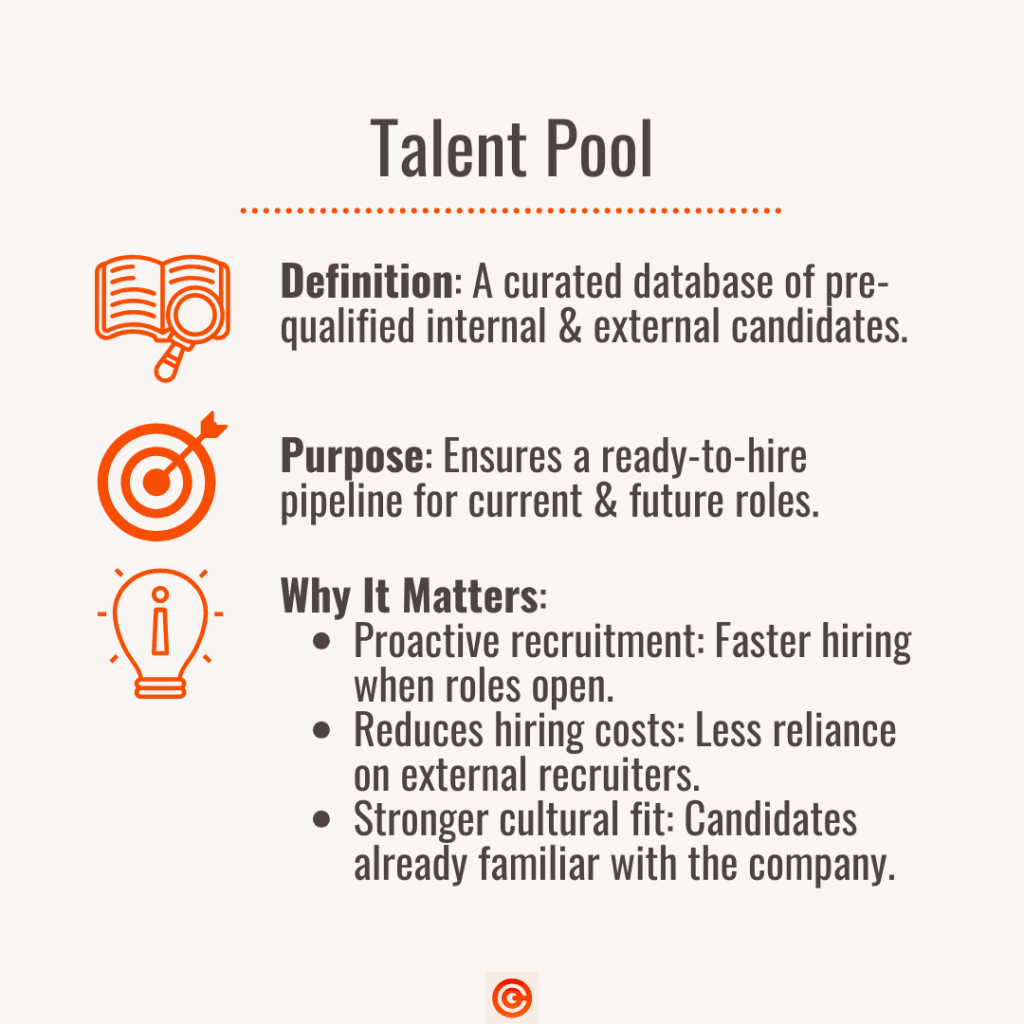
One of the biggest obstacles in C-suite hiring is the limited number of qualified candidates available for each role.
Unlike mid-level positions, executive roles require a unique combination of leadership experience, industry expertise, strategic thinking, and proven business impact. The number of professionals who meet all these requirements is naturally small.
Many of these leaders are also not actively looking for new opportunities. They are already succeeding in senior positions and are rarely applying through traditional job boards.
To overcome this challenge, companies need to move beyond reactive recruiting methods.
A more effective approach includes:
- Proactively sourcing executive talent
- Building relationships with passive candidates
- Expanding searches beyond immediate networks
- Using data-driven talent discovery tools
The broader and more targeted your search process is, the better your chances of identifying exceptional leadership talent.
Suggested Reading:
Passive Candidates: How to Source & Hire Top TalentChallenge 2: Attracting Leaders Away From Existing Roles
Finding qualified executives is only half the battle. Convincing them to consider a new opportunity is often even harder.
Most top-performing leaders already have strong compensation packages, leadership authority, and long-term career plans. They are not typically motivated by salary alone.
Executive candidates often evaluate opportunities based on larger factors such as company vision, growth potential, leadership autonomy, and organizational stability.
If your value proposition is unclear, even highly interested candidates may choose to stay where they are.
To improve executive attraction rates, companies should focus on communicating:
- The strategic impact of the role
- Future growth opportunities
- Leadership influence and decision-making authority
- The company's long-term vision and goals
When candidates can clearly see how the opportunity aligns with their ambitions, engagement becomes much easier.
Challenge 3: Assessing Leadership Ability Beyond the Resume
A resume can tell you where an executive has worked. It cannot fully reveal how they lead, make decisions, or handle complex business challenges.
This creates a major hiring risk.
Many candidates have impressive credentials, but leadership effectiveness depends on much more than job titles and years of experience.
Organizations need to evaluate qualities such as:
- Strategic thinking
- Decision-making ability
- Change management skills
- Team leadership capabilities
- Crisis management experience
Traditional interviews often fail to uncover these deeper leadership traits.
Instead, companies should incorporate structured assessments, leadership-focused interviews, scenario-based evaluations, and detailed reference checks.
The goal is to understand not just what a candidate has achieved, but how they achieved it and whether they can replicate that success within your organization.
Challenge 4: Measuring Culture and Leadership Fit
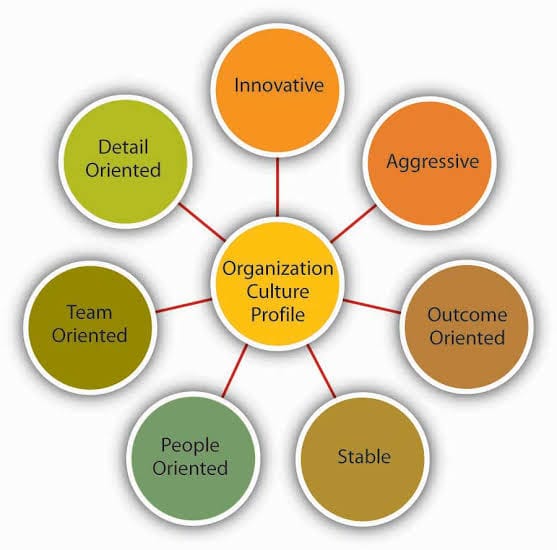
Even highly qualified executives can struggle if they are not aligned with the company's culture and leadership style.
A leader who thrives in a fast-moving startup environment may not perform as effectively in a highly structured enterprise organization. The reverse can also be true.
Culture fit is not about hiring people who think exactly alike. It is about ensuring that leadership approaches, values, communication styles, and decision-making methods align with organizational expectations.
When culture fit is overlooked, companies often experience:
- Leadership conflicts
- Lower employee engagement
- Reduced executive effectiveness
- Higher turnover risk
Evaluating culture fit requires more than a few interview questions.
Successful organizations involve multiple stakeholders, assess leadership behaviors, and create opportunities for candidates to interact with teams they will eventually lead.
This provides a clearer picture of how the executive will operate within the company's environment and whether they can build long-term success.
Challenge 5: Managing Multiple Stakeholders and Opinions
Executive hiring decisions rarely involve just one person.
Boards, founders, CEOs, investors, department heads, and HR leaders often have different expectations for the same role. While this collaboration is important, it can also make the hiring process more complicated.
Each stakeholder may prioritize different qualities.
One person may focus on industry experience, while another values leadership style or growth expertise. Without alignment, decision-making can become slow and inconsistent.
This often leads to:
- Delayed hiring decisions
- Conflicting candidate feedback
- Frequent changes in hiring criteria
- Candidate drop-offs due to prolonged processes
The best way to address this challenge is to establish clear evaluation criteria early in the search.
When stakeholders agree on expectations from the beginning, it becomes much easier to assess candidates objectively and move forward with confidence.
Challenge 6: Maintaining Confidentiality Throughout the Search
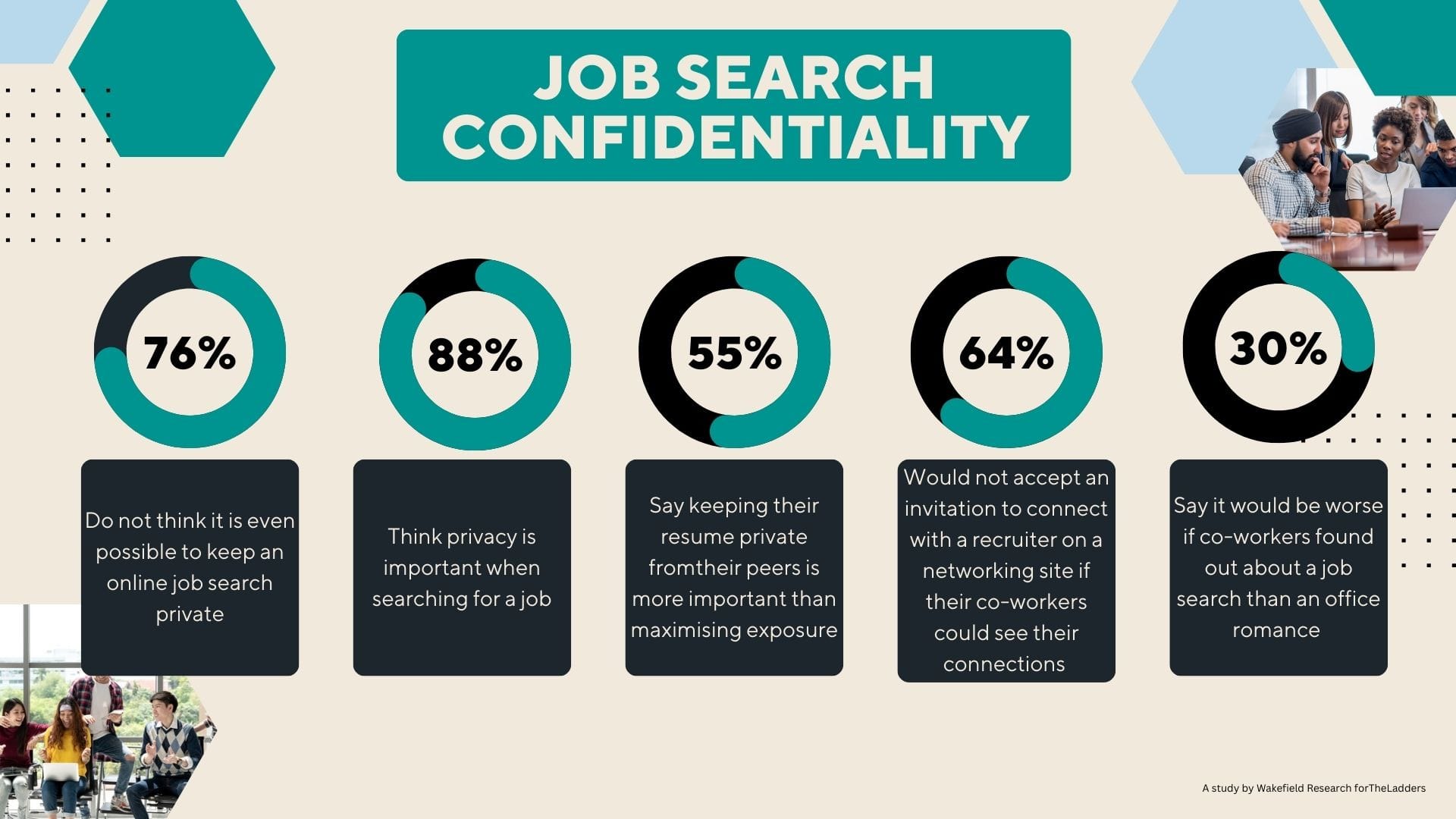
Confidentiality is a critical part of many executive searches.
In some situations, companies may be replacing an existing executive, entering a new market, planning a major strategic shift, or preparing for organizational changes that have not yet been publicly announced.
A leaked executive search can create uncertainty among employees, investors, customers, and even competitors.
Confidentiality concerns also apply to candidates.
Many senior leaders do not want their current employers to know they are exploring new opportunities. If information becomes public too early, it can affect professional relationships and career stability.
To maintain confidentiality, organizations should:
- Limit access to candidate information
- Use secure communication channels
- Control stakeholder involvement carefully
- Conduct discreet outreach and interviews
A structured and confidential hiring process helps protect both the organization and the candidates involved.
Challenge 7: Competing Against Other Companies for Top Talent
The most qualified executives are rarely evaluating only one opportunity.
High-performing leaders are often approached by multiple organizations, executive search firms, and investors at the same time.
This creates intense competition for top talent.
If your hiring process is slow, unclear, or overly complex, candidates may lose interest before reaching the final stage.
Compensation certainly plays a role, but it is not always the deciding factor.
Many executives are equally focused on:
- Company vision and mission
- Leadership influence
- Business growth potential
- Organizational culture
- Long-term career opportunities
Companies that clearly communicate these advantages often stand out, even when competing against larger organizations.
Creating a strong candidate experience from the first interaction can significantly improve your chances of securing top executive talent.
Challenge 8: Handling Long Hiring Timelines
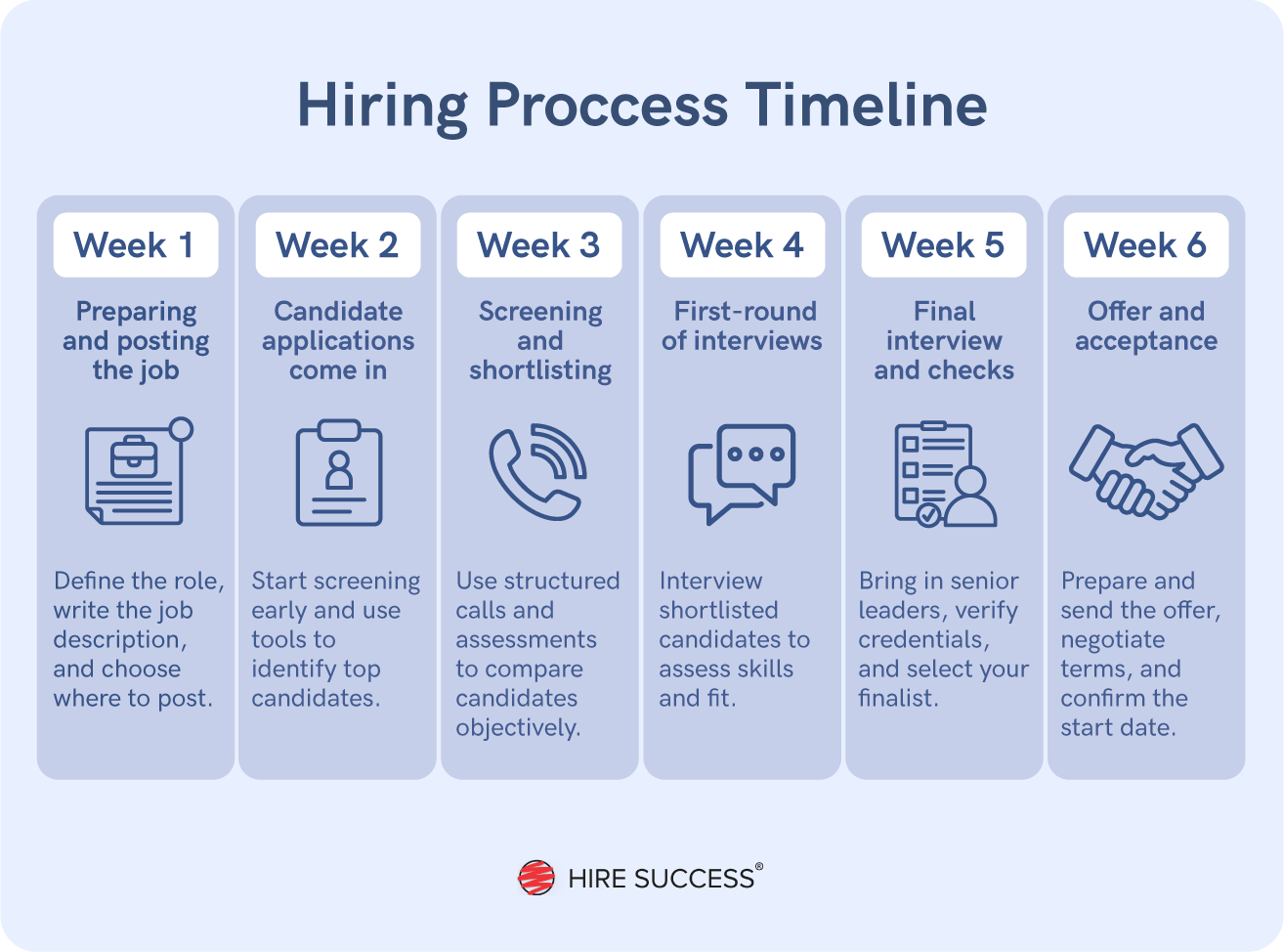
Executive hiring typically takes much longer than traditional recruitment.
The process often includes extensive sourcing, multiple interview rounds, stakeholder reviews, assessments, reference checks, negotiations, and board approvals.
While thorough evaluation is important, lengthy timelines create several risks.
Top candidates may accept other offers before your process is complete. Stakeholder priorities may also change, causing further delays and uncertainty.
Long hiring cycles can result in:
- Higher candidate drop-off rates
- Increased recruitment costs
- Business disruption caused by leadership gaps
- Greater pressure on existing leadership teams
Organizations can reduce delays by creating structured hiring workflows, defining decision timelines, and maintaining consistent communication with candidates throughout the process.
The faster you move without sacrificing quality, the greater your chances of securing the right executive.
Suggested Reading:
10 Smart Ways to Reduce Time to Hire Without Sacrificing QualityChallenge 9: Reducing the Risk of a Bad Executive Hire
Perhaps the most significant challenge in C-suite hiring is the cost of making the wrong decision.
A poor executive hire can impact company performance, employee morale, strategic execution, and long-term growth.
Unlike other hiring mistakes, executive hiring failures often affect the entire organization.
The consequences may include:
- Lost revenue opportunities
- Leadership instability
- Reduced employee confidence
- Increased turnover across teams
- Significant replacement costs
Reducing this risk requires a comprehensive evaluation process.
Companies should combine leadership assessments, structured interviews, reference checks, stakeholder feedback, and culture-fit evaluations before making a final decision.
The goal is not simply to hire an experienced executive.
It is to identify a leader who can successfully drive the organization's vision, align teams, and create sustainable business results over the long term.
How Leelu.ai Transforms C-Suite Hiring
Hiring senior executives is rarely a volume problem. The challenge is finding the right leaders from a small pool of highly qualified candidates and moving them through the hiring process efficiently.
Leelu.ai helps you streamline every stage of executive recruitment, from sourcing to interview scheduling, without adding more work to your team.
1. Source Executive Talent From a Limited Candidate Pool
Finding C-level leaders often requires looking beyond active job seekers.
- Search across 500M+ candidate profiles from LinkedIn, job boards, and ATS databases.
- Reach passive executives who may not be actively applying.
- Expand your access to niche leadership talent across industries.
2. Screen and Prioritize High-Potential Executive Candidates
Reviewing executive profiles manually can slow down decision-making.
- Use AI-powered matching to identify candidates that align with your role requirements.
- Automatically rank candidates based on skills, experience, and leadership fit.
- Focus your attention on the strongest executive prospects first.
3. Automate Personalized Outreach to Targeted Executives
Senior leaders expect relevant and personalized communication.
- Generate tailored outreach messages for each executive candidate.
- Engage candidates through email and LinkedIn at scale.
- Increase response rates without spending hours on manual outreach.
4. Manage and Track Candidate Replies in One Place
Executive hiring often involves multiple conversations happening simultaneously.
- Centralize candidate responses in a single dashboard.
- Track engagement and follow-up status in real time.
- Ensure no important conversation slips through the cracks.
5. Schedule Executive Interviews Without Back-and-Forth
Coordinating schedules with senior leaders can be time-consuming.
- Automate interview scheduling with calendar integrations.
- Eliminate lengthy email chains and manual coordination.
- Book executive interviews in minutes instead of days.
6. Sync All Hiring Data With Your ATS and Internal Hiring Systems
Keeping hiring data updated across systems is essential for visibility.
- Automatically sync candidate information with your ATS.
- Reduce manual data entry and administrative work.
- Maintain a unified and accurate executive hiring pipeline across your organization.
With Leelu.ai, you can manage sourcing, screening, outreach, scheduling, and hiring operations from a single platform, helping you move executive candidates through the hiring process faster and with greater confidence.
Conclusion
C-suite hiring is one of the most challenging and high-impact recruitment processes a company can undertake.
From finding qualified leaders and attracting passive candidates to evaluating leadership fit and managing multiple stakeholders, every stage requires careful planning.
The good news is that these challenges can be addressed with the right strategy, structured evaluation process, and technology support.
By combining effective executive search practices with AI-driven hiring tools, you can reduce hiring timelines, improve decision-making, and increase the likelihood of making successful leadership hires that drive long-term business growth.
Frequently Asked Questions
1. What makes C-suite hiring more difficult than other hiring?
C-suite hiring is harder because it requires scarce talent strategic leadership skills stakeholder alignment and significant business impact responsibility expertise
2. How long does a typical executive hiring process take?
Typically executive hiring takes three to six months depending on role complexity stakeholder alignment market conditions and candidate availability variations
3. What is the biggest risk in executive recruitment?
The biggest risk is a wrong executive hire causing financial loss strategic misalignment and long-term organizational performance decline impact instability
4. How can companies attract passive executive candidates?
Companies attract passive executives by offering strong vision leadership autonomy career growth opportunities compelling culture and strategic business impact roles
5. Can AI improve C-suite hiring outcomes?
Yes AI improves C-suite hiring by accelerating sourcing improving candidate matching reducing bias and enhancing decision-making accuracy significantly overall outcomes


