Struggling to attract the right candidates even after posting on multiple platforms?
You’re not alone — most recruiters today face low response rates, irrelevant applications, and long hiring cycles that slow everything down.
The good news is, top recruiters don’t rely on luck. They use proven candidate attraction strategies that consistently bring in high-quality talent.
In this guide, you’ll learn:
- What actually attracts top candidates today
- Strategies used by high-performing recruiters
- How to improve your hiring results step by step
Why Candidate Attraction Has Become More Competitive Than Ever
Hiring today is more complex than ever before.
You’re not just filling roles — you’re competing for attention, trust, and timing in a crowded talent market where candidates have more choices and higher expectations.
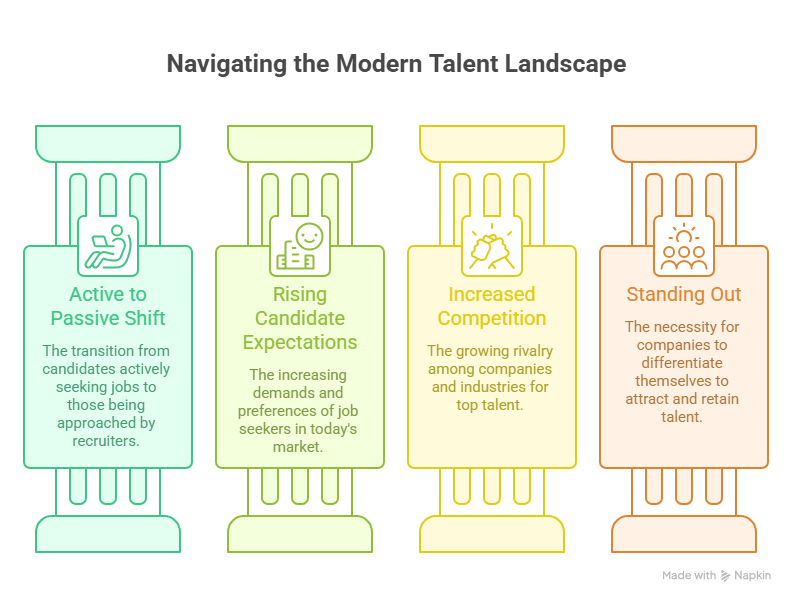
1. Shift from active applicants to passive talent
Most high-quality candidates are no longer actively applying for jobs.
They are already employed and only consider opportunities that feel relevant and timely.
This shift forces you to proactively reach out, build relationships, and engage candidates who are not actively searching but open to the right opportunity.
2. Rising expectations from modern candidates
Candidates today expect more than just a job offer.
They look for flexibility, growth opportunities, clear communication, and a smooth hiring experience.
If your process feels slow or unclear, they quickly lose interest and move on to companies that provide a better overall candidate experience.
3. Increased competition across companies and industries
You are no longer competing only with companies in your industry.
Different industries and global organizations are targeting the same talent pool.
This increases competition significantly, making it harder to capture attention and forcing you to differentiate your hiring approach to attract top candidates.
4. Importance of standing out in crowded talent markets
Simply posting jobs is no longer enough to attract quality candidates.
You need to stand out through strong messaging, employer branding, and personalized outreach.
When your company clearly communicates value and relevance, candidates are more likely to notice you, engage with you, and choose your opportunity.
10 Best Candidate Attraction Strategies Used by Top Recruiters
Once you understand what drives candidate behavior, the next step is applying strategies that consistently work in real hiring scenarios.
Top recruiters don’t rely on guesswork — they use structured approaches that help them attract, engage, and convert the right candidates more efficiently.
1. Using AI in candidate sourcing to find the right talent faster
Traditional sourcing methods can be slow and limit how many candidates you can realistically evaluate.
Top recruiters use AI to scan large talent pools, identify relevant profiles, and rank candidates based on job fit in seconds.
This helps you reduce manual effort, improve targeting accuracy, and spend more time engaging qualified candidates instead of searching, making your overall hiring process faster and more effective.
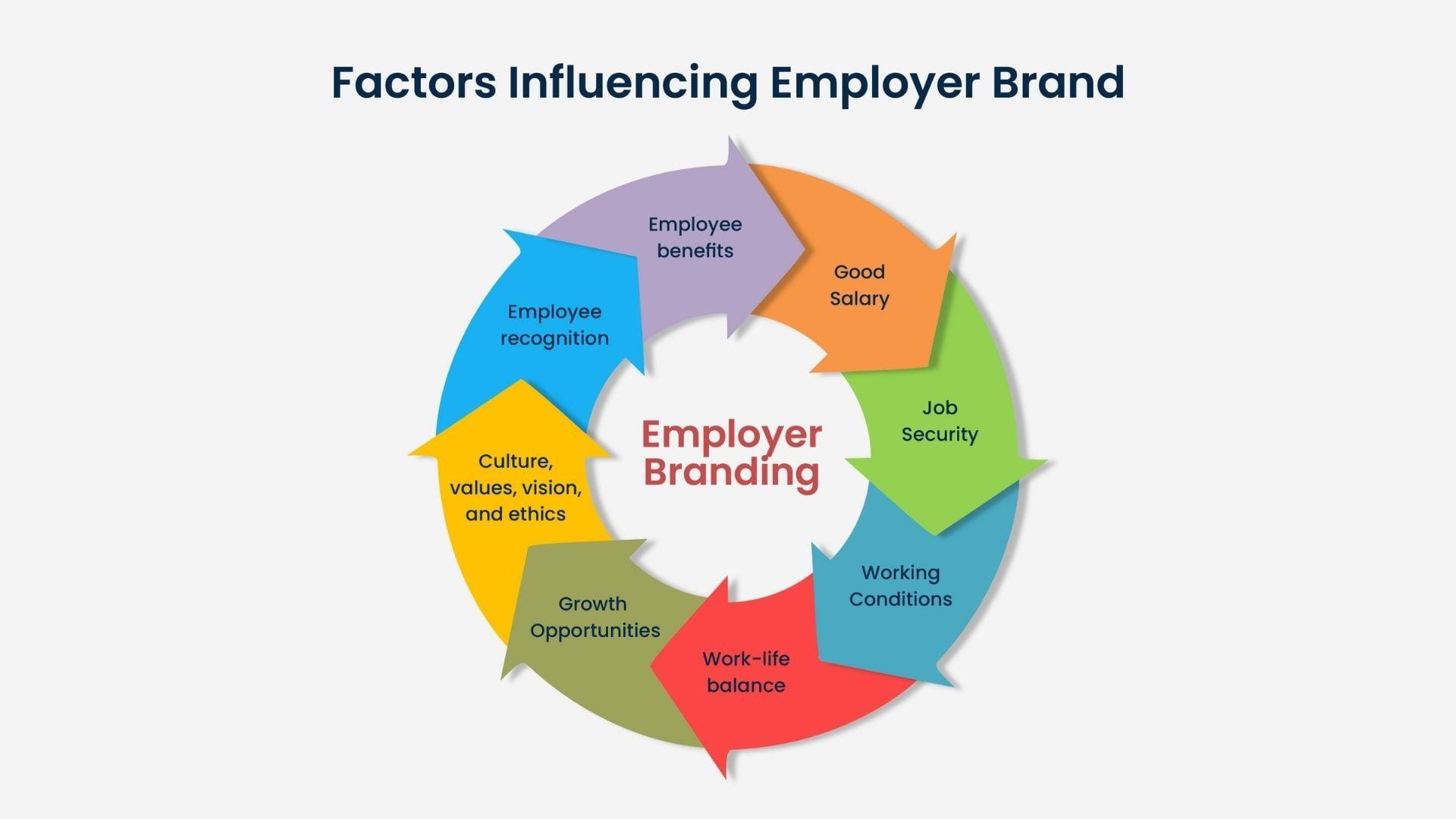
2. Building a strong and authentic employer brand
Candidates form opinions about your company before they ever speak to you.
Top recruiters focus on building an authentic employer brand that reflects real employee experiences, values, and work culture.
By consistently sharing meaningful content across platforms, you create trust and familiarity, which makes candidates more likely to engage with your outreach and feel confident choosing your company over competing opportunities.
3. Writing clear and compelling job descriptions
A confusing or overly complex job description can discourage the right candidates from applying.
Top recruiters write job descriptions that are clear, structured, and focused on what candidates actually care about.
They highlight responsibilities, impact, and growth opportunities in a simple way, helping candidates quickly understand the role and decide if it aligns with their goals, which increases both application quality and engagement.
4. Leveraging multiple sourcing channels effectively
Limiting your hiring efforts to one platform reduces your chances of finding the best candidates.
Top recruiters use a mix of sourcing channels such as LinkedIn, job boards, internal databases, and niche communities.
This diversified approach helps you reach different talent segments, increase visibility, and ensure that you are consistently discovering high-quality candidates who may not be active on a single platform.
5. Personalizing outreach to candidates at scale
Candidates receive many messages, so generic outreach often gets ignored.
Top recruiters personalize their communication by tailoring messages based on candidate experience, skills, and interests while still maintaining scale.
This approach makes your outreach feel relevant and thoughtful, which improves response rates, builds stronger first impressions, and increases the likelihood of starting meaningful conversations with high-quality candidates.
6. Engaging passive candidates proactively
Most high-quality candidates are not actively searching for jobs, which makes inbound hiring less effective on its own.
Top recruiters take a proactive approach by identifying and reaching out to passive candidates with relevant opportunities.
Instead of pushing roles immediately, they focus on building genuine relationships and starting meaningful conversations.
This approach helps you stay top of mind, build trust over time, and create a stronger pipeline of candidates who are more likely to engage when the right opportunity comes along.
7. Showcasing company culture and employee stories
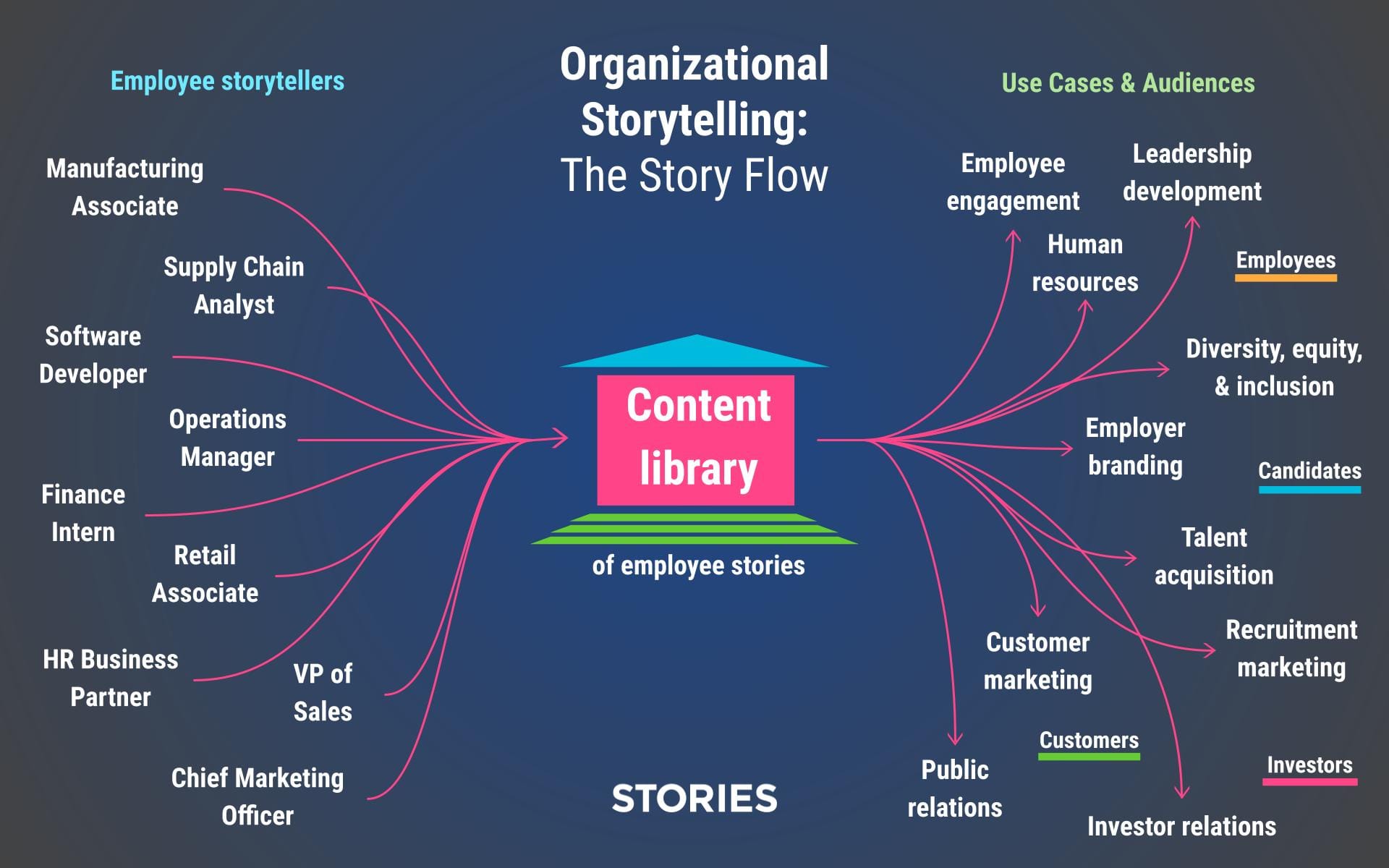
Candidates want to understand what it truly feels like to work at your company before making a decision.
Top recruiters consistently showcase real employee experiences, team interactions, and workplace culture across different platforms.
This can include behind-the-scenes content, employee testimonials, or day-in-the-life stories that feel authentic and relatable.
When candidates can visualize themselves in your environment, they develop trust faster and feel more confident engaging with your brand and opportunities.
8. Optimizing career pages for conversions
Your career page plays a crucial role in turning interest into actual applications.
Top recruiters treat it as a conversion-focused experience rather than just an informational page.
They ensure it is easy to navigate, clearly structured, and aligned with candidate expectations from the start.
When you highlight key information like role clarity, benefits, and growth opportunities while reducing friction, you increase the chances of visitors exploring roles and completing applications.
9. Using data to refine attraction strategies
Relying on assumptions can limit your ability to improve hiring outcomes over time.
Top recruiters use data to understand what attracts candidates and where improvements are needed.
They track metrics such as response rates, source performance, and conversion points across the funnel.
By analyzing this data regularly, you can refine your strategies, focus on high-performing channels, and continuously improve the quality and efficiency of your candidate attraction efforts.
10. Creating a fast and engaging candidate experience
A slow or unclear hiring process can cause even interested candidates to lose interest quickly.
Top recruiters prioritize speed, transparency, and consistent communication at every stage of the hiring journey.
They simplify application steps, reduce delays, and ensure candidates always know what to expect next.
When you create a smooth and engaging experience, candidates feel valued, stay involved throughout the process, and are more likely to accept your offer.
Suggested Reading:
Candidate Engagement StrategiesHow to Choose the Right Candidate Attraction Strategy for Your Needs
Not every strategy works the same for every hiring challenge.
The key is to identify where you’re struggling first, and then apply the right approach instead of trying everything at once.
1. If you are struggling with low candidate volume
If you’re not getting enough applicants, your reach is likely limited.
Focus on expanding sourcing channels, improving job visibility, and tapping into passive talent pools.
Using multiple platforms and proactive outreach helps you increase visibility and bring more candidates into your pipeline without relying only on inbound applications.
2. If candidate quality is not meeting expectations
Getting applications but not the right ones usually points to targeting issues.
Refine your job descriptions, clearly define role expectations, and improve your screening criteria.
When your messaging and targeting align better with the role, you naturally attract candidates who are more relevant and closer to what you actually need.
3. If response rates are consistently low
Low response rates often come down to generic or irrelevant outreach.
Focus on personalizing your communication and making your message feel tailored to each candidate.
When candidates feel that you’ve genuinely understood their background and are offering something relevant, they are far more likely to respond and engage.
4. If your hiring process is causing drop-offs
If candidates start but don’t finish the process, your experience may be the issue.
Look at your application flow, communication speed, and interview timelines.
When you simplify steps and keep the process fast and transparent, candidates stay engaged and are more likely to move forward without dropping off midway.
How Leelu.Ai Helps You Attract and Engage the Right Candidates Faster
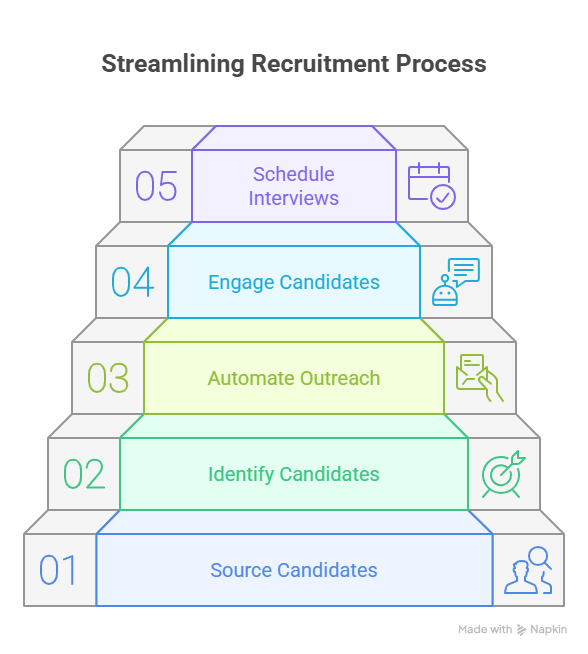
Once you know what strategies work, the real challenge is executing them consistently without slowing down your team.
This is where Leelu.AI helps you turn these strategies into a fast, automated, and scalable hiring process.
1. Source candidates from 500M+ profiles across platforms instantly
Manually searching across platforms limits both speed and reach.
Leelu.ai scans over 500M+ profiles across LinkedIn, job boards, and ATS systems in one go.
This means you can instantly access a much larger talent pool and find relevant candidates faster without switching between multiple tools or spending hours on sourcing.
2. Identify and prioritize best-fit candidates with AI matching
Sorting through hundreds of profiles manually can slow down decision-making.
Leelu.ai uses AI matching to analyze candidate profiles and rank them based on job fit within seconds.
This helps you quickly focus on high-potential candidates, improve shortlist quality, and avoid wasting time on profiles that don’t meet your requirements.
3. Automate personalized outreach with higher response rates
Sending individual messages to candidates takes time and often limits scale.
Leelu.ai automates personalized outreach across channels like email and LinkedIn while keeping messages relevant to each candidate.
This balance of personalization and scale helps you increase response rates and start more meaningful conversations without adding extra workload.
4. Engage candidates 24/7 with AI-driven conversations
Candidates don’t always respond during working hours, and delays can cost you opportunities.
Leelu.ai keeps conversations going with automated follow-ups and real-time responses around the clock.
This ensures candidates stay engaged throughout the process, reducing drop-offs and improving your chances of moving them forward faster.
5. Move from sourcing to interview scheduling in one workflow
Switching between tools often slows down your hiring process.
Leelu.ai brings sourcing, resume screening, outreach, and scheduling into a single workflow.
You can go from identifying a candidate to booking an interview in minutes, making your hiring process faster, smoother, and far more efficient.
Suggested Reading:
Applicant Tracking System (ATS)Common Mistakes to Avoid in Candidate Attraction
Even with the right strategies in place, small mistakes can limit your results.
Top recruiters don’t just focus on what to do — they also avoid what can quietly hurt their hiring efforts.
1. Relying only on inbound applications
Depending only on candidates who apply on their own can restrict your talent pool.
Most high-quality candidates are not actively applying, which means you miss out on strong profiles.
To improve results, you need to combine inbound with proactive sourcing so you consistently bring the right candidates into your pipeline.
2. Using generic and non-personalized outreach
Sending the same message to every candidate rarely gets attention.
Generic outreach feels impersonal and easy to ignore, especially for experienced candidates.
When you tailor your message based on the candidate’s background and interests, it feels more relevant and significantly improves your chances of getting a response.
3. Ignoring employer branding signals
Candidates often research your company before responding or applying.
If your online presence, employee reviews, or content don’t reflect a strong and clear employer brand, it creates doubt.
Building consistent and authentic branding signals helps you create trust and makes candidates more confident in engaging with your company.
4. Delayed communication with interested candidates
Slow responses can quickly turn interest into disinterest.
When candidates don’t hear back on time, they may move forward with other opportunities.
Keeping communication fast and consistent shows professionalism, keeps candidates engaged, and increases your chances of moving them through the hiring process successfully.
5. Not tracking what actually drives candidate interest
Without data, it’s hard to know what’s working and what’s not.
Many recruiters continue using the same approach without measuring results.
Tracking metrics like response rates, source performance, and conversion points helps you refine your strategy and focus on what actually attracts and converts the right candidates.
Conclusion
Attracting the right candidates today is no longer about posting jobs and waiting.
It’s about using the right mix of strategy, speed, and personalization to stand out in a competitive market.
When you focus on proactive sourcing, strong messaging, and a smooth candidate experience, you naturally attract better talent.
The key is to stay consistent, track what works, and continuously refine your approach so your hiring results keep improving over time.
Frequently Asked Questions
1. How long does it take to see results from candidate attraction strategies?
It depends on the strategy and consistency. Some tactics like job post optimization can show results within weeks, while employer branding and talent community building may take a few months to deliver strong outcomes.
2. What role does career page design play in attracting candidates?
A well-designed career page improves trust and engagement. Clear job listings, employee stories, and simple navigation can increase application rates and reduce drop-offs.
3. How can small companies compete with larger brands in attracting talent?
Smaller companies can stand out by offering flexibility, faster growth opportunities, and a more personal hiring experience. Clear communication and strong culture messaging make a big difference.
4. Is it better to focus on active or passive candidates?
Both are important. Active candidates help fill roles quickly, while passive candidates often bring higher quality and long-term value. A balanced approach works best.
5. How often should candidate attraction strategies be updated?
Strategies should be reviewed regularly, ideally every quarter. Hiring trends, candidate behavior, and market conditions change quickly, so continuous improvement is necessary.


