Recruitment workflows become difficult when your team is handling sourcing, screening, outreach, and follow-ups manually.
As hiring volume grows, even small delays can slow down your entire recruitment pipeline and affect candidate experience.
That is why many companies now use talent pipeline tools to automate repetitive hiring tasks, improve collaboration, and move candidates through the funnel faster.
In this guide, you will discover:
- How talent pipeline tools improve recruitment workflows
- 11 tools that help streamline hiring processes
- How to choose the right recruitment platform for your team
- Common mistakes to avoid when using hiring automation tools
How Talent Pipeline Tools Improve Recruitment Workflows
Talent pipeline tools simplify the entire process by helping recruiters manage sourcing, screening, communication, and hiring decisions from one place.
Instead of spending hours on repetitive tasks, your team can focus more on building relationships with qualified candidates and closing positions faster.
1. Faster Candidate Sourcing
Finding the right candidates manually takes time, especially when recruiters search across multiple job boards and platforms separately.
Talent pipeline tools speed this up by pulling candidates from LinkedIn, job boards, internal databases, and ATS systems into one centralized workflow.
Many platforms also use AI-powered sourcing to identify candidates that closely match your job requirements, reducing sourcing effort significantly.
2. Better Candidate Screening
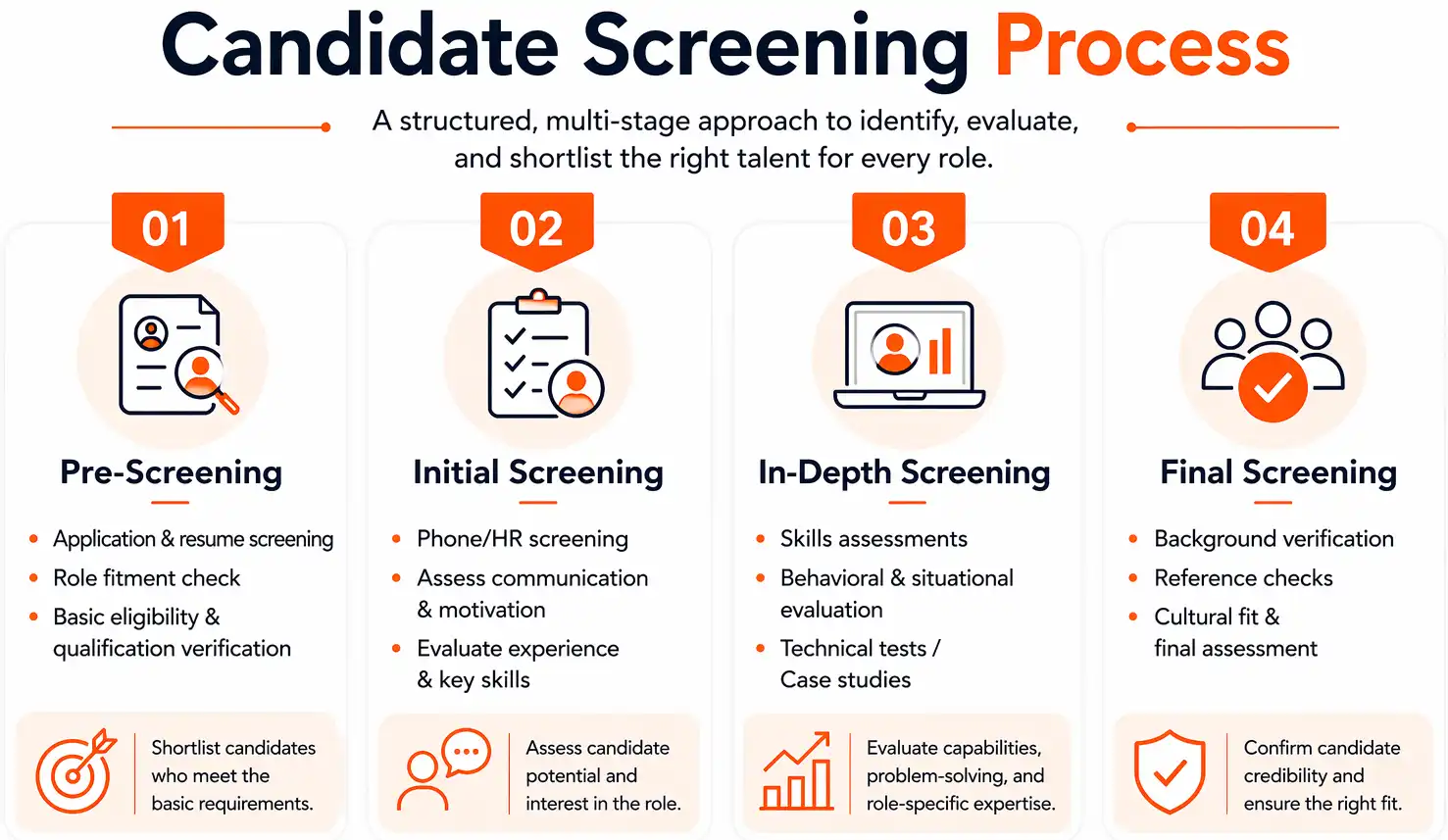
Screening hundreds of resumes manually can slow down recruitment workflows and increase the chances of missing qualified candidates.
Talent pipeline tools automate resume parsing, candidate ranking, and skill matching to help recruiters identify strong applicants faster.
This allows hiring teams to spend less time filtering resumes and more time engaging with top talent.
3. Automated Outreach and Follow-Ups
Consistent communication is important during hiring, but manual outreach often creates delays and missed follow-ups.
Talent pipeline tools automate candidate messaging, interview reminders, and follow-up sequences across email and LinkedIn.
This keeps candidates engaged throughout the hiring process while reducing repetitive work for recruiters.
Suggested Reading:
Best Platform for VCs to Build Scalable Talent Pipelines4. Improved Collaboration Between Hiring Teams
Hiring decisions become smoother when recruiters, hiring managers, and interviewers work from the same system.
Talent pipeline tools centralize candidate profiles, interview feedback, and hiring updates, making collaboration easier across teams.
This improves communication and reduces confusion during the recruitment process.
5. Smarter Recruitment Analytics
Without clear hiring data, it becomes difficult to identify what is slowing down recruitment workflows.
Talent pipeline tools provide analytics dashboards that track sourcing performance, hiring funnel conversion rates, and recruiter productivity.
These insights help companies optimize hiring strategies and improve recruitment efficiency over time.
11 Talent Pipeline Tools That Streamline Recruitment Workflows
As hiring becomes more competitive, recruitment teams need tools that can reduce manual work and improve hiring speed without affecting candidate quality.
That is where talent pipeline tools make a major difference.
From sourcing and screening to outreach and analytics, these platforms help recruiters manage the entire hiring workflow more efficiently.
Below are some of the best talent pipeline tools companies use to streamline recruitment workflows.
1. Leelu.ai
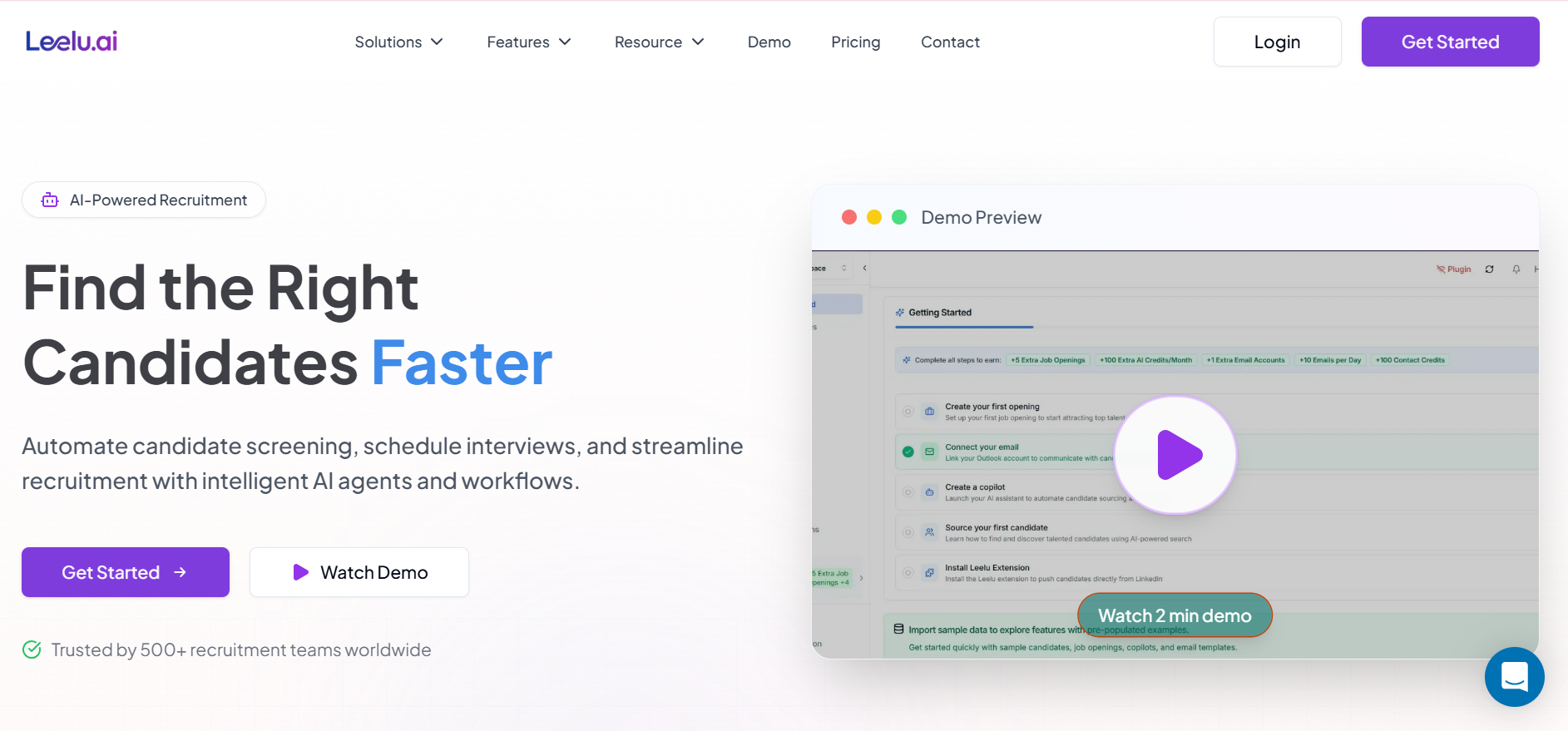
Leelu.ai is an AI recruiting copilot designed to automate sourcing, screening, outreach, and interview scheduling in one workflow.
Instead of switching between multiple recruitment tools, recruiters can manage the hiring pipeline from a single platform.
Leelu.ai helps teams source candidates from LinkedIn, job boards, and ATS systems while using AI matching to identify the most relevant profiles faster.
Key features include:
- AI-powered candidate sourcing across multiple platforms
- Automated resume parsing and candidate scoring
- Personalized outreach across email and LinkedIn
- Automated follow-ups and interview scheduling
- Recruitment analytics and hiring insights dashboard
The platform is especially useful for companies looking to reduce manual recruiter effort and speed up hiring cycles.
2. LinkedIn Talent Solutions
LinkedIn Talent Solutions is one of the most widely used recruitment platforms for sourcing and engaging professional talent.
Because LinkedIn already has a massive professional network, recruiters can quickly search for candidates based on skills, experience, location, and industry.
Its recruitment tools also support candidate outreach, employer branding, and hiring collaboration.
Popular features include:
- Advanced candidate search filters
- InMail messaging for recruiter outreach
- Talent pool management
- Employer branding tools
- Recruitment analytics and insights
LinkedIn Talent Solutions works well for companies that rely heavily on proactive sourcing and professional networking.
3. Greenhouse
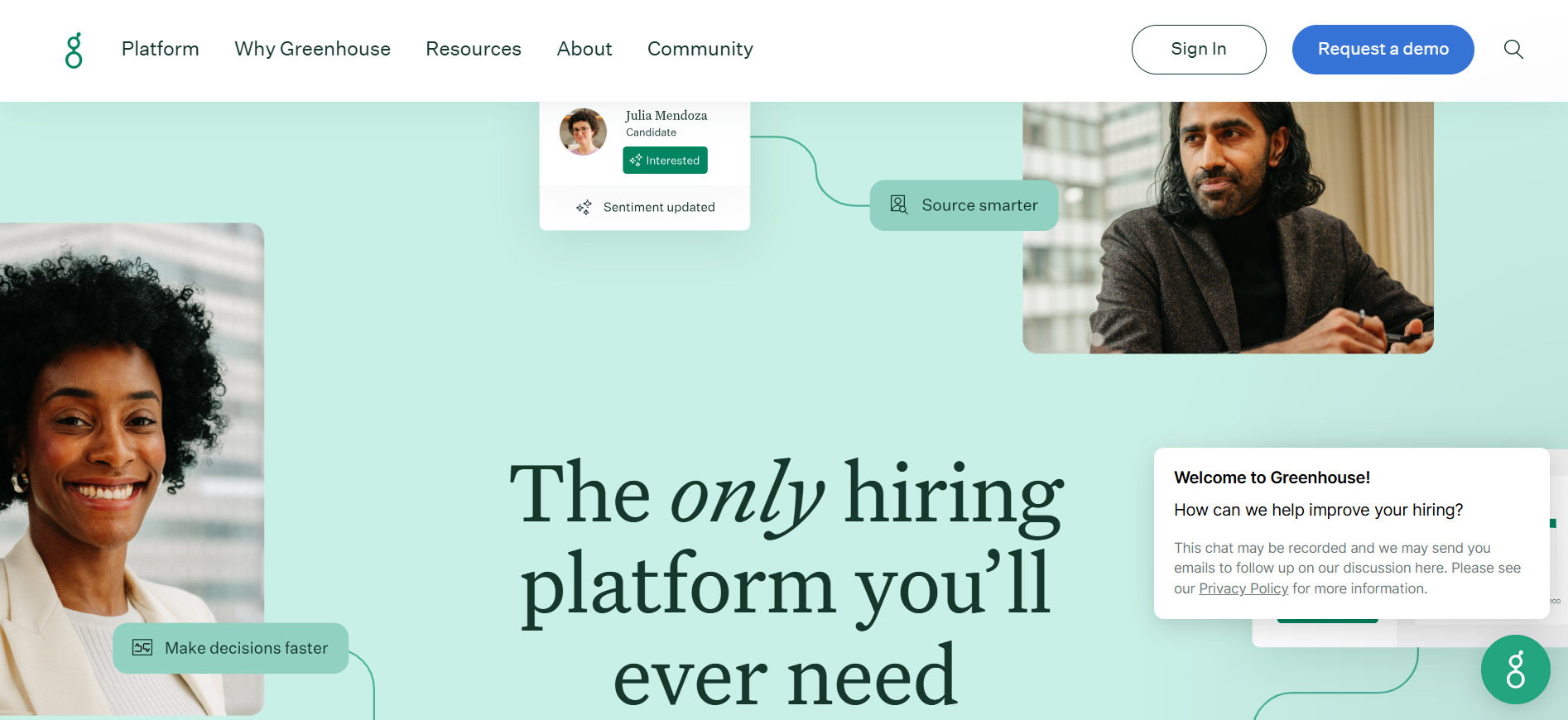
Greenhouse is a recruitment platform focused on structured hiring and recruitment workflow management.
It helps hiring teams create consistent recruitment processes while improving collaboration between recruiters and hiring managers.
Greenhouse also supports automation for interview scheduling, feedback collection, and candidate tracking.
Key capabilities include:
- Applicant tracking system (ATS) functionality
- Structured interview workflows
- Candidate scorecards and feedback collection
- Interview scheduling automation
- Recruitment reporting and analytics
The platform is commonly used by growing companies that want a more organized and scalable hiring process.
4. Lever
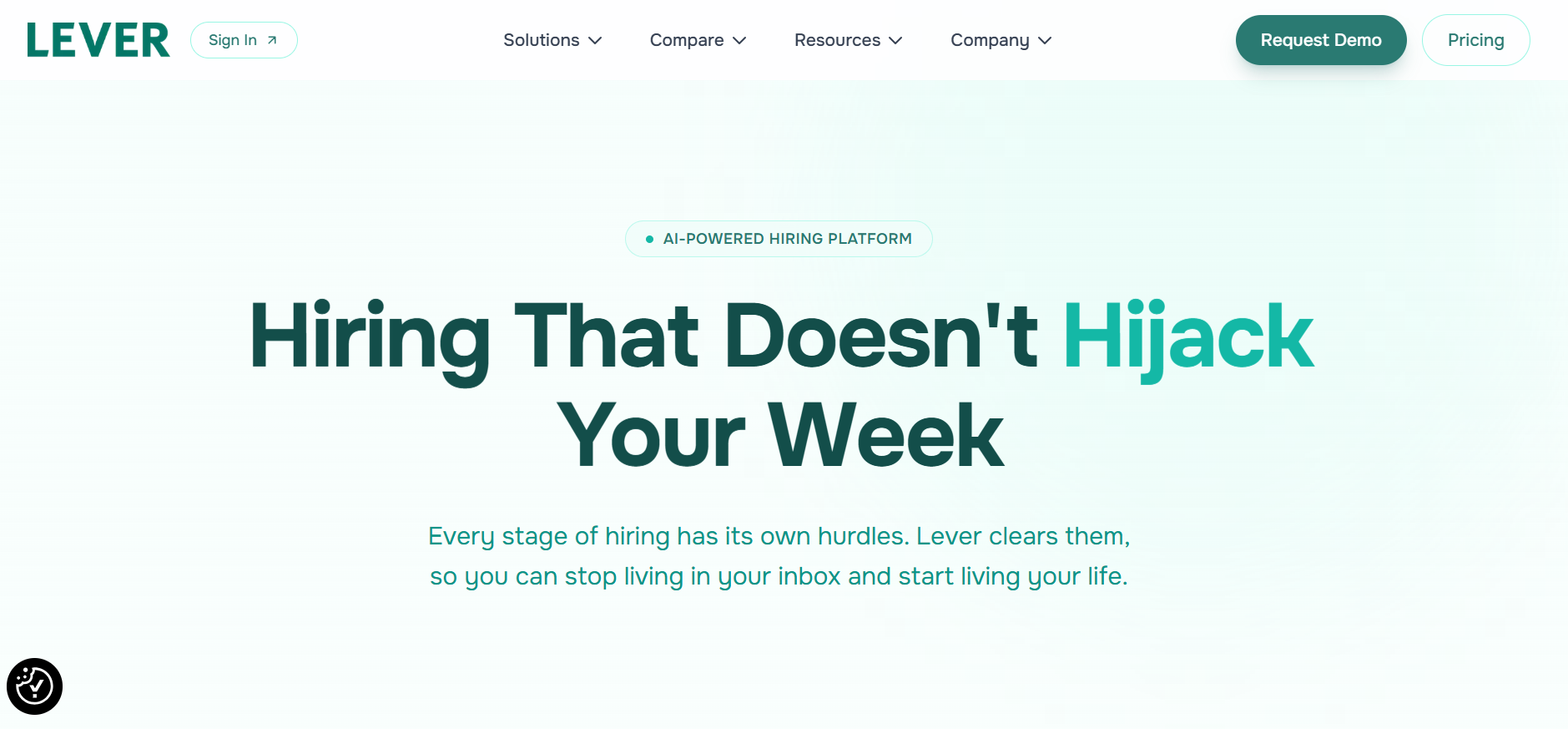
Lever combines applicant tracking and candidate relationship management into a single recruitment platform.
This makes it easier for recruiters to build long-term talent pipelines instead of managing only active applicants.
Lever focuses heavily on candidate engagement and recruitment automation, helping teams maintain communication throughout the hiring journey.
Some notable features include:
- Candidate relationship management (CRM) tools
- Automated recruitment workflows
- Email sequencing and outreach automation
- Pipeline tracking and collaboration tools
- Recruitment analytics dashboards
Lever is often preferred by organizations that prioritize relationship-driven recruiting and talent nurturing.
5. Workday Recruiting
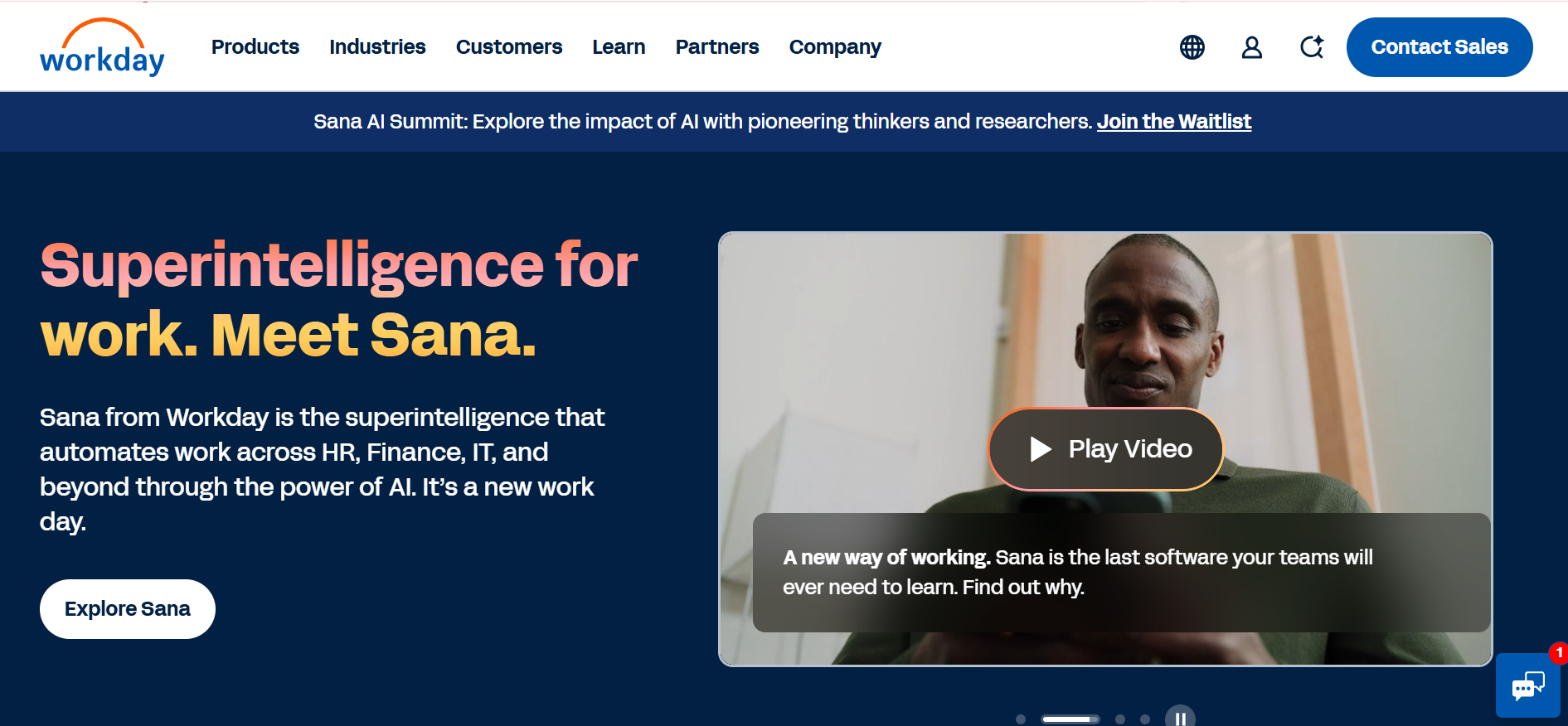
Workday Recruiting is part of the broader Workday human capital management ecosystem.
It is designed for enterprises that need recruitment workflows tightly connected with HR operations, workforce planning, and employee management systems.
The platform helps companies centralize recruitment data while improving hiring visibility across departments.
Core features include:
- Enterprise-level applicant tracking
- Workforce planning integration
- Recruitment workflow automation
- Interview management and scheduling
- Hiring analytics and reporting tools
Workday Recruiting is commonly used by large organizations managing high hiring volumes across multiple teams and locations.
6. Gem
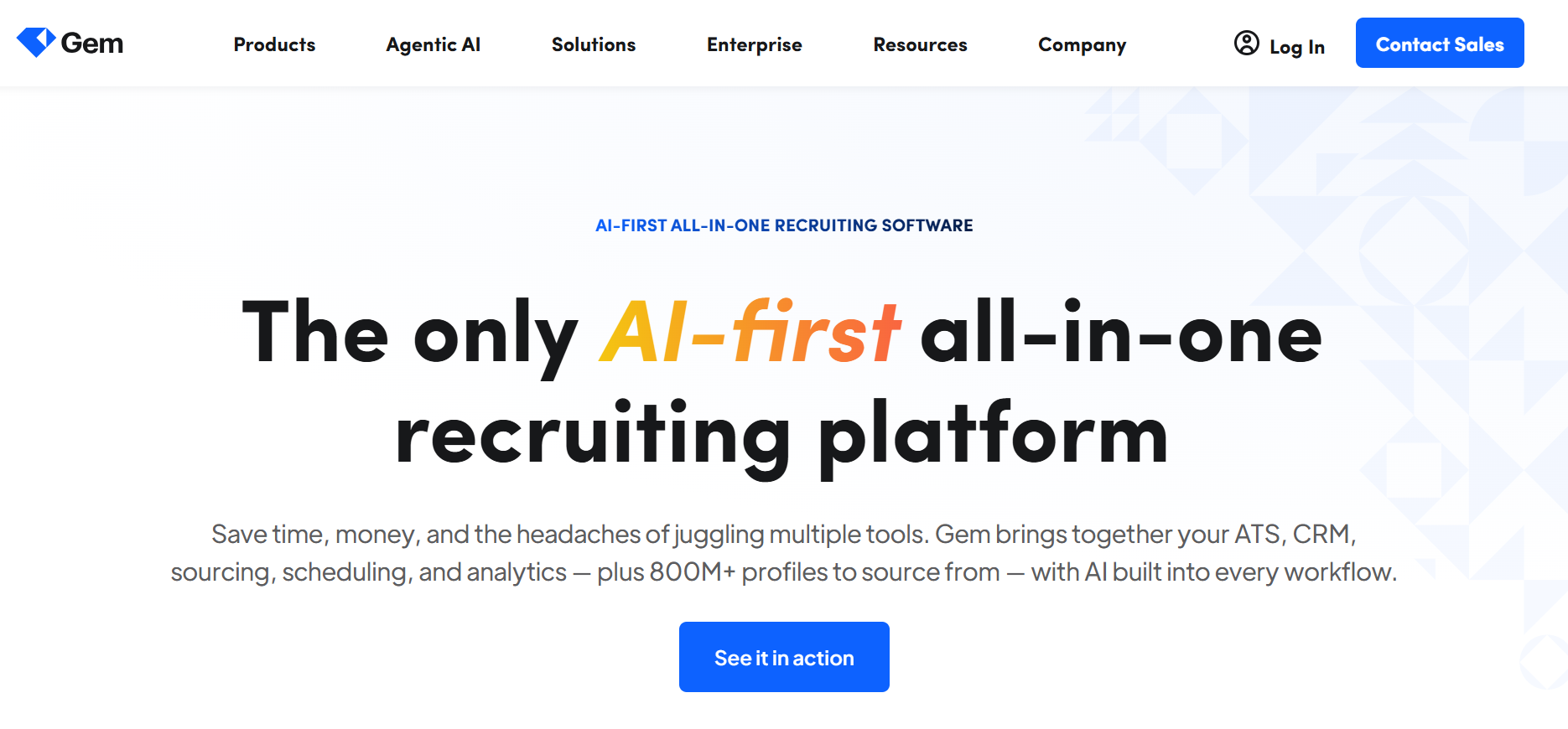
Gem is a recruitment platform built to improve sourcing, candidate engagement, and recruitment analytics.
It helps recruiters create stronger talent pipelines by combining CRM functionality with workflow automation and reporting tools.
Gem is especially useful for outbound recruiting teams that rely heavily on candidate outreach and relationship building.
Key features include:
- Talent pipeline and CRM management
- Automated email outreach sequences
- Recruitment analytics and reporting
- Diversity hiring insights
- ATS integrations and workflow syncing
The platform helps recruiters maintain consistent candidate communication while improving visibility into hiring performance.
7. SeekOut
SeekOut is an AI-powered sourcing platform designed to help recruiters find hard-to-reach talent across multiple data sources.
It focuses strongly on candidate discovery, making it easier to identify specialized professionals with specific technical skills or industry experience.
Recruiters can also use advanced filters to improve sourcing accuracy and reduce manual searching effort.
Some notable capabilities include:
- AI-powered talent sourcing
- Advanced diversity and skills-based search filters
- Candidate contact discovery
- Talent market insights and analytics
- Integration with ATS and recruitment platforms
SeekOut is commonly used by companies hiring for technical, engineering, and difficult-to-fill roles.
8. hireEZ
hireEZ is a recruitment automation platform focused on sourcing, engagement, and hiring workflow efficiency.
The platform allows recruiters to search talent across multiple databases while automating outreach and candidate nurturing processes.
Its AI capabilities also help recruiters prioritize qualified candidates faster.
Core features include:
- AI-powered sourcing and matching
- Automated candidate outreach campaigns
- Recruitment CRM functionality
- Pipeline management and analytics
- ATS and recruiting tool integrations
hireEZ is useful for recruitment teams looking to scale outbound hiring efforts without increasing manual recruiter workload.
9. SmartRecruiters
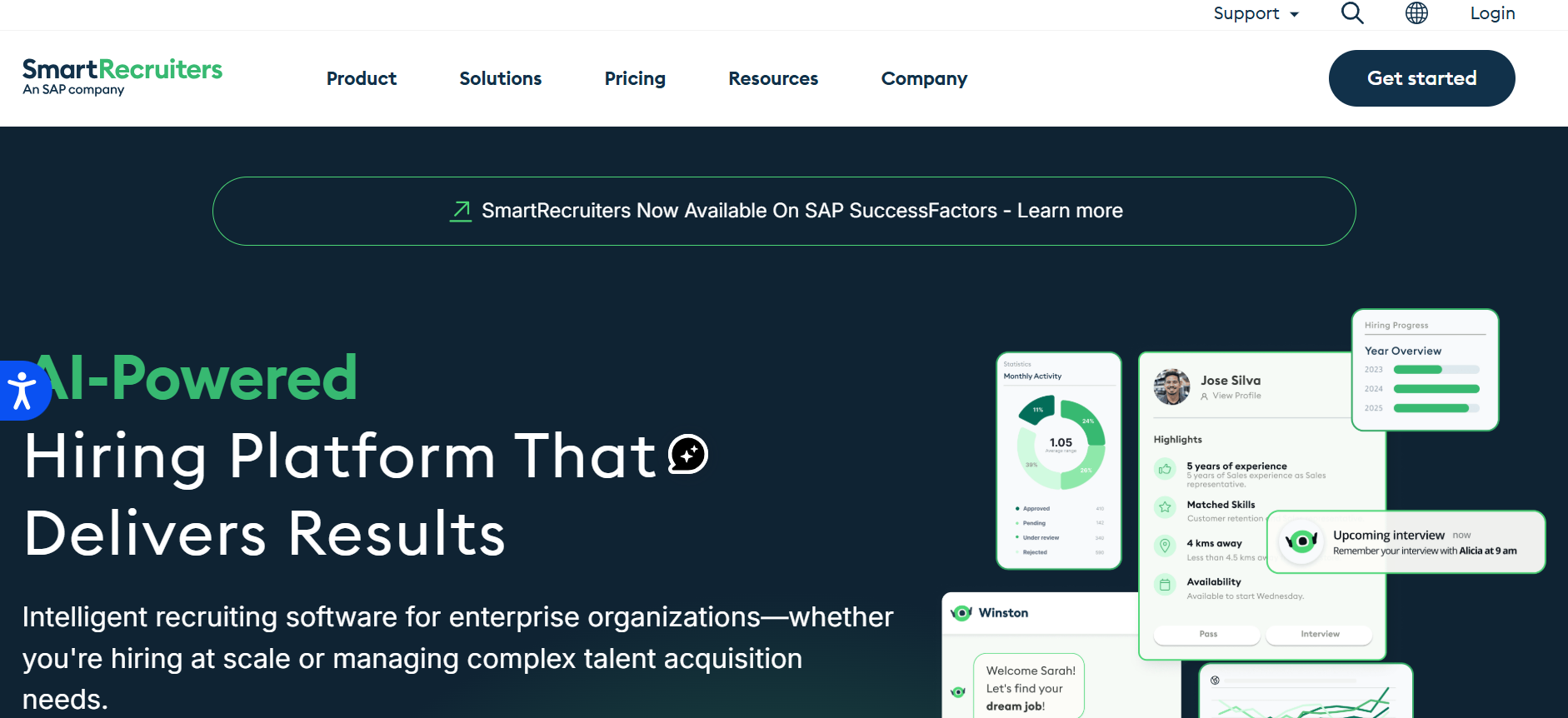
SmartRecruiters is a cloud-based hiring platform that helps businesses manage recruitment workflows from sourcing to onboarding.
The platform focuses on collaboration and workflow automation, helping hiring teams move candidates through the recruitment process more efficiently.
It also offers marketplace integrations that allow companies to connect additional hiring tools easily.
Important features include:
- Applicant tracking and recruitment workflow management
- Collaborative hiring tools
- Interview scheduling automation
- Recruitment marketplace integrations
- Analytics and hiring dashboards
SmartRecruiters works well for organizations that want a flexible hiring platform with strong collaboration features.
10. Ashby
Ashby combines applicant tracking, recruiting CRM, scheduling, and analytics into one recruitment platform.
Instead of relying on multiple disconnected systems, hiring teams can manage the complete recruitment workflow from a single interface.
Ashby is also known for its detailed analytics capabilities, which help companies make more data-driven hiring decisions.
Key capabilities include:
- Recruitment CRM and applicant tracking
- Automated scheduling and workflow management
- Advanced hiring analytics
- Candidate pipeline reporting
- Interview planning and collaboration tools
The platform is often preferred by fast-growing companies that need scalable recruitment operations and deeper hiring insights.
11. Zoho Recruit
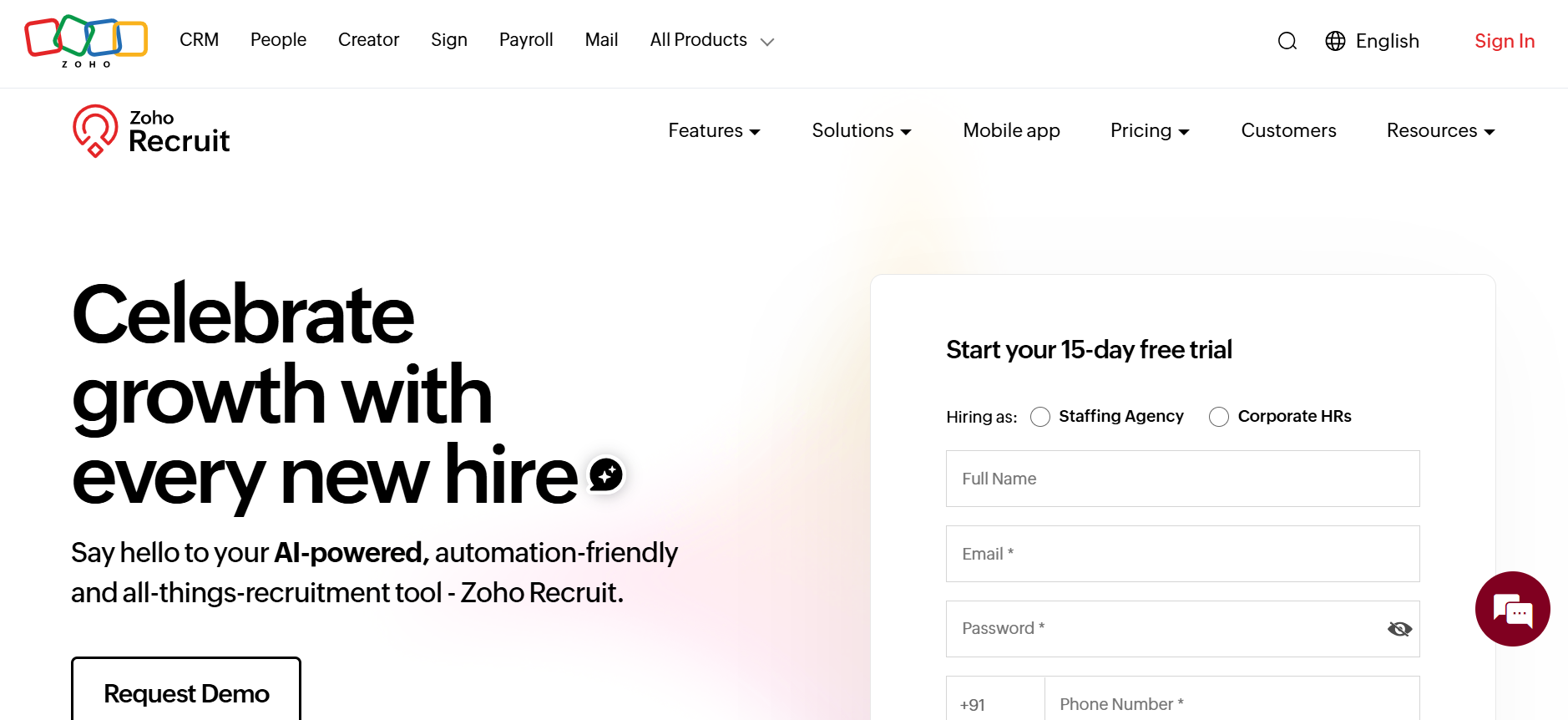
Zoho Recruit is a recruitment software platform designed for staffing agencies and in-house hiring teams.
It helps recruiters manage job postings, candidate pipelines, interview scheduling, and communication from one centralized dashboard.
Because it is part of the larger Zoho ecosystem, businesses can also integrate it with other operational tools easily.
Key features include:
- Applicant tracking system (ATS) functionality
- Resume parsing and candidate management
- Workflow automation tools
- Job posting management
- Reporting and recruitment analytics
Zoho Recruit is a practical option for small to mid-sized businesses looking for an affordable and easy-to-manage recruitment solution.
How to Choose the Right Talent Pipeline Tool
Not every recruitment platform fits every hiring team.
Some tools are designed for startups with small hiring needs, while others are built for enterprises managing large-scale recruitment operations.
Choosing the right talent pipeline tool depends on how your team hires, how often you recruit, and how much automation you actually need.
1. Based on Company Size
Smaller companies usually need simple recruitment workflows that are easy to manage without a large HR team.
In many cases, lightweight platforms with sourcing, applicant tracking, and communication features are enough to support growing hiring needs.
Larger organizations often require more advanced capabilities like workflow automation, analytics dashboards, compliance management, and multi-team collaboration.
Enterprise hiring teams also benefit from platforms that can integrate with broader HR systems and internal processes.
2. Based on Hiring Volume
Your hiring frequency plays a major role in selecting the right recruitment platform.
If your company hires occasionally, a basic applicant tracking system with simple pipeline management may work well.
However, companies hiring across multiple departments every month usually need stronger automation and candidate relationship management features.
High-volume recruiters often look for tools that can:
- Automate candidate sourcing and screening
- Handle large applicant databases efficiently
- Manage outreach at scale
- Reduce manual interview coordination
The higher your recruitment volume, the more important workflow efficiency becomes.
3. Based on Recruitment Automation Needs
Some hiring teams mainly need help with applicant tracking, while others want complete recruitment automation.
Before choosing a platform, it is important to identify which parts of your hiring workflow consume the most time.
For example, some companies struggle with sourcing candidates manually, while others lose time scheduling interviews or sending follow-ups.
Modern talent pipeline tools can automate:
- Candidate sourcing
- Resume screening and ranking
- Outreach campaigns
- Follow-up communication
- Interview scheduling
- Recruitment reporting
Choosing a platform with the right level of automation helps avoid unnecessary complexity and improves recruiter productivity.
Suggested Reading:
AI Recruiting Tools4. Based on Budget and Integrations
Recruitment software pricing can vary significantly depending on features, hiring volume, and company size.
Some platforms charge based on recruiter seats, while others price according to job openings or workflow usage.
Beyond pricing, integration flexibility is equally important.
Your talent pipeline tool should work smoothly with existing systems like:
- Applicant tracking systems (ATS)
- HR management platforms
- Email and calendar tools
- Communication software
- Recruitment analytics platforms
Strong integrations reduce manual data entry and help create a more connected hiring workflow.
Common Mistakes to Avoid When Using Talent Pipeline Tools
Even the best recruitment software cannot improve hiring workflows if teams use it incorrectly.
Many companies invest in talent pipeline tools but still face hiring delays because of poor implementation or overdependence on automation.
Avoiding common mistakes helps recruiters get better results from their recruitment technology.
1. Over-Automating Candidate Communication
Automation can improve recruitment efficiency, but excessive automation can make candidate interactions feel impersonal.
Candidates still expect genuine communication during the hiring process, especially in competitive job markets.
Using automated outreach for every interaction may reduce engagement and damage employer branding.
A better approach is balancing automation with personalized recruiter communication when candidates move deeper into the hiring funnel.
2. Ignoring Candidate Experience
Recruitment workflows should not only focus on recruiter efficiency.
Poor communication, delayed updates, and confusing interview processes can create a negative candidate experience and affect hiring success.
Talent pipeline tools should help improve communication speed and transparency rather than making the hiring process feel robotic.
3. Relying Only on AI Matching
AI-powered candidate matching can help recruiters identify qualified applicants faster, but it should not replace human judgment completely.
Strong candidates may sometimes be overlooked if recruiters depend only on automated scoring systems.
Recruitment teams should combine AI insights with manual evaluation to make better hiring decisions.
4. Not Tracking Recruitment Metrics
Without tracking hiring performance, it becomes difficult to improve recruitment workflows over time.
Many companies use recruitment software but fail to monitor important metrics like sourcing effectiveness, time-to-hire, response rates, and candidate conversion rates.
Regularly reviewing recruitment analytics helps hiring teams identify bottlenecks and optimize their hiring strategy more effectively.
Conclusion
Managing recruitment workflows manually can slow down hiring, increase recruiter workload, and create inconsistent candidate experiences.
Talent pipeline tools help solve these challenges by improving sourcing, automating communication, streamlining collaboration, and providing better hiring insights.
Whether you are a startup hiring occasionally or an enterprise managing large recruitment pipelines, choosing the right platform can improve both hiring speed and candidate quality.
The key is selecting a tool that fits your hiring goals, workflow complexity, automation needs, and long-term recruitment strategy.
Frequently Asked Questions
1. What is a talent pipeline tool in recruitment?
A talent pipeline tool helps recruiters source, organize, engage, and manage candidates throughout the hiring process. These platforms automate tasks like candidate sourcing, outreach, screening, and interview scheduling.
2. How do talent pipeline tools improve recruitment workflows?
They reduce manual work by automating repetitive recruitment tasks. This helps recruiters hire faster, maintain candidate engagement, and manage hiring pipelines more efficiently.
3. What features should companies look for in a talent pipeline tool?
Important features include AI-powered sourcing, automated outreach, resume screening, interview scheduling, analytics, and ATS or CRM integrations.
4. Are talent pipeline tools suitable for small businesses?
Yes. Many recruitment platforms offer flexible pricing and automation features that help small teams manage hiring without needing a large recruiting department.
5. How does AI help in talent pipeline management?
AI helps recruiters identify qualified candidates faster, automate candidate matching, personalize outreach, and improve hiring decisions using recruitment data and analytics.


