Finding quality candidates on LinkedIn sounds easy until you realize every recruiter is reaching out to the same talent pool.
Generic searches, low response rates, and manual follow-ups can quickly slow down your hiring process.
That is why modern recruiters are now combining smarter sourcing strategies, personalization, and AI-powered workflows to find and engage the right candidates faster.
In this guide, you will learn:
- Why LinkedIn remains one of the best sourcing platforms
- Proven strategies to source better candidates consistently
- Common LinkedIn sourcing mistakes recruiters should avoid
- How AI tools can help you scale sourcing efficiently without extra manual work
Why LinkedIn Has Become One of the Top Platforms for Candidate Sourcing
Recruitment today is no longer limited to waiting for applications on job boards.
Companies now actively search for talent, and LinkedIn has become one of the most effective platforms for doing that.
It gives recruiters direct access to professionals across industries, experience levels, and locations, making candidate sourcing faster and more targeted.
1. Access to a Large Pool of Active and Passive Candidates
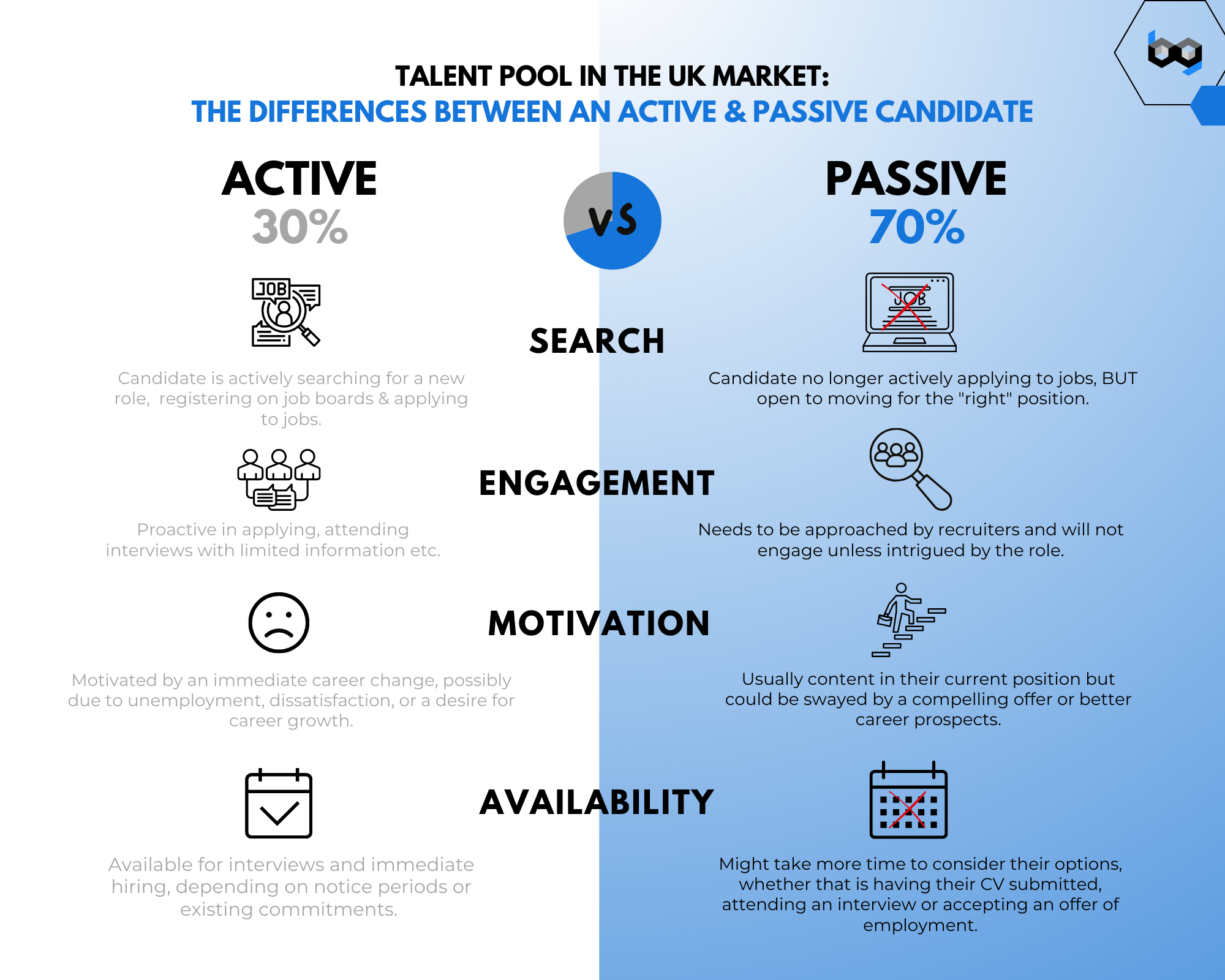
One of LinkedIn’s biggest advantages is the size of its professional network.
You can find active candidates who are already searching for jobs, along with passive candidates who may not be applying anywhere but are still open to better opportunities.
This expands your talent pool significantly and increases your chances of finding high-quality candidates for difficult roles.
2. Better Targeting Through Filters and Professional Data
LinkedIn provides detailed professional information that helps recruiters narrow down searches more accurately.
You can filter candidates based on job title, skills, industry, years of experience, location, education, and even previous companies.
This level of targeting reduces irrelevant profiles and helps recruiters spend more time engaging qualified candidates.
3. Faster Outreach and Candidate Engagement Opportunities
Unlike traditional hiring channels, LinkedIn allows recruiters to directly connect with candidates through messages and connection requests.
This creates faster communication and improves the chances of starting conversations early in the hiring process.
Personalized outreach also helps recruiters build stronger candidate relationships over time.
4. Growing Competition Among Recruiters on LinkedIn
As more companies use LinkedIn for hiring, competition for top talent has increased heavily.
Many candidates now receive multiple recruiter messages every week, especially for technical and niche roles.
This is why recruiters need better sourcing strategies, personalized communication, and faster follow-ups to stand out from competitors.
Fundamentals That Improve LinkedIn Candidate Sourcing Results
Even with access to millions of profiles, sourcing success depends on how well your process is structured.
Recruiters who prepare properly before searching usually attract better candidates and achieve higher response rates.
1. Optimizing Recruiter and Company LinkedIn Profiles
Candidates often check who contacted them before replying to a message.
If your recruiter or company profile looks incomplete, outdated, or unclear, candidates may ignore your outreach completely.
A professional profile with clear company information, hiring details, and active engagement builds credibility and trust.
2. Defining Ideal Candidate Criteria Before Sourcing
Starting candidate sourcing without clear hiring criteria usually leads to wasted time and inconsistent results.
Before searching, define the exact skills, experience level, industry background, and qualifications your ideal candidate should have.
This helps recruiters focus only on relevant profiles and improve sourcing efficiency.
3. Using the Right Keywords and Search Filters
The quality of LinkedIn search results depends heavily on the keywords and filters you use.
Small keyword adjustments can dramatically improve the relevance of candidate profiles appearing in your search results.
Combining skill-based keywords with advanced filters usually produces more accurate sourcing outcomes.
4. Creating Personalized Outreach Strategies for Better Responses
Sending the same generic message to every candidate rarely works anymore.
Candidates respond better when outreach feels personalized and directly connected to their experience, achievements, or career goals.
Simple personalization can significantly improve response rates and help recruiters build better conversations with potential hires.
11 Proven Strategies to Source Candidates on LinkedIn
Once your sourcing fundamentals are in place, the next step is improving how you actually discover and engage candidates on LinkedIn.
The platform is highly competitive, which means simply searching profiles is no longer enough. Recruiters now need smarter sourcing techniques, faster workflows, and more personalized engagement strategies to consistently attract quality talent.
Here are some proven LinkedIn sourcing strategies that can help you improve hiring results significantly.
1. Using AI-Powered Sourcing Tools to Find Candidates Faster
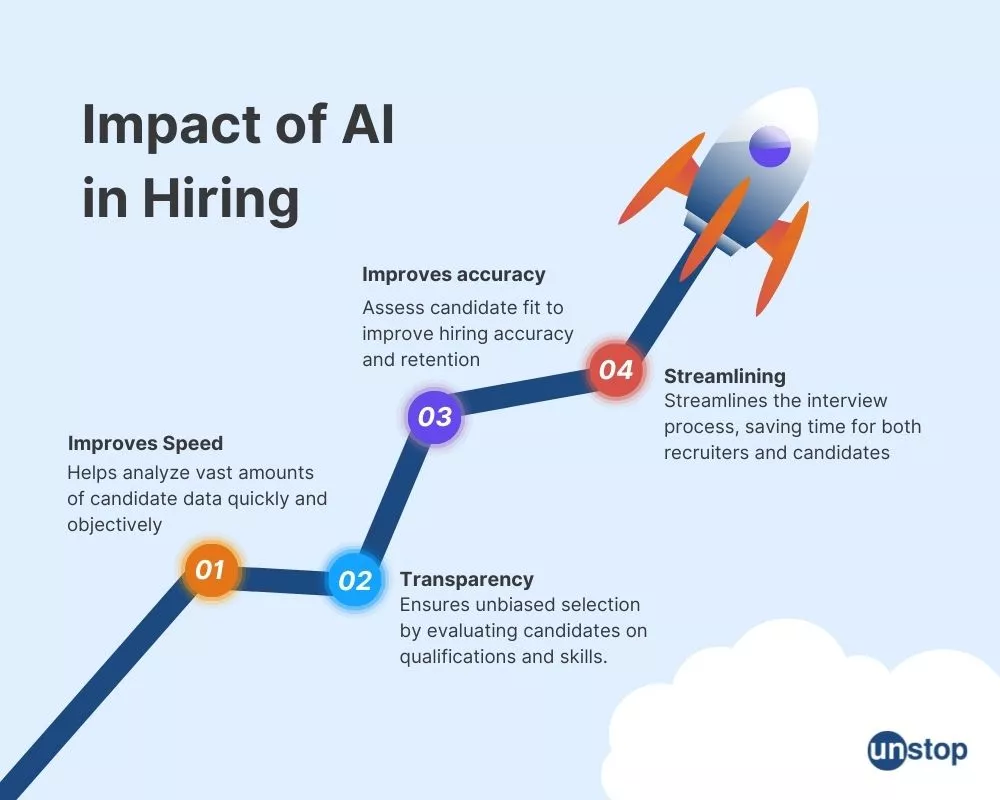
Manual sourcing takes a huge amount of time, especially when recruiters are hiring for multiple roles simultaneously.
AI-powered sourcing tools help automate candidate discovery, profile screening, and shortlisting based on job requirements. This allows recruiters to focus more on engagement instead of repetitive searching tasks.
Modern AI sourcing platforms can help you:
- Search candidates across multiple platforms simultaneously
- Identify best-fit candidates using AI matching
- Rank profiles based on relevance and qualifications
- Reduce manual screening effort significantly
- Speed up hiring workflows without sacrificing quality
This becomes especially useful when hiring for high-volume or niche positions.
2. Leveraging LinkedIn Boolean Search for Precise Targeting
LinkedIn Boolean search helps recruiters find more accurate candidate results by combining keywords with search operators.
Instead of relying only on simple keyword searches, Boolean logic allows you to narrow searches based on specific skills, titles, or experience combinations.
Some commonly used Boolean operators include:
- AND → Finds profiles containing multiple required keywords
- OR → Expands search results using alternative terms
- NOT → Excludes irrelevant profiles or skills
- Quotation Marks (" ") → Searches exact phrases
- Parentheses () → Groups complex search conditions
For example, searching:
("Product Designer" OR "UX Designer") AND Figma NOT Intern
can help you identify more relevant mid-level design candidates quickly.
Suggested Reading:
How to Search for Candidates on LinkedIn (Free & Paid Methods + Pro Tips)3. Using LinkedIn Filters to Narrow Down Qualified Candidates
LinkedIn’s advanced filters make sourcing much more targeted and efficient.
Instead of reviewing hundreds of irrelevant profiles, recruiters can narrow results using detailed professional data.
Some of the most valuable LinkedIn filters include:
- Location
- Current company
- Previous company
- Industry
- Skills
- Years of experience
- Education
- Open-to-work status
Combining multiple filters usually improves sourcing accuracy and saves recruiters significant time during candidate evaluation.
4. Engaging Passive Candidates With Personalized Connection Requests
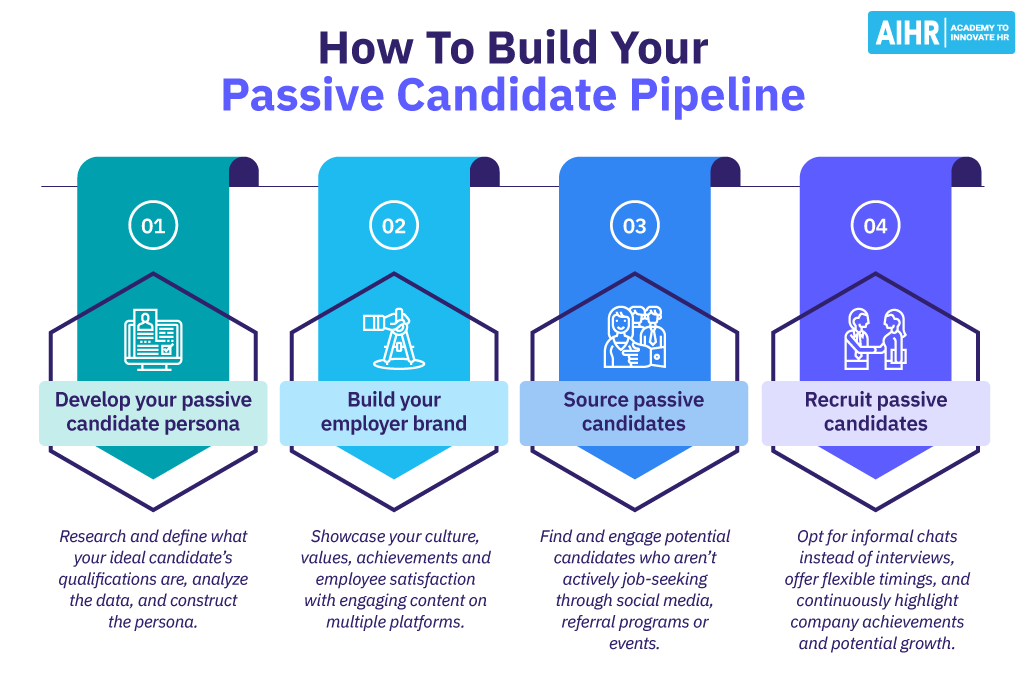
Passive candidates are often some of the strongest potential hires because they are usually already employed and experienced.
However, these candidates rarely respond to generic recruiter messages.
Personalized connection requests work better because they show genuine interest in the candidate’s background and achievements.
Instead of sending overly formal outreach, focus on making your message feel conversational and relevant. Mentioning a shared interest, recent achievement, skill, or career progression can make your outreach stand out immediately.
Strong personalization also increases candidate trust and improves response rates over time.
Suggested Reading:
13 Passive Candidate Outreach Tactics to Fill Roles Quickly5. Sourcing Candidates Through LinkedIn Groups and Communities
Many recruiters overlook LinkedIn groups, even though they can be valuable sourcing channels for niche talent.
Industry-specific communities often contain highly engaged professionals discussing trends, challenges, and expertise related to their field.
These groups can help recruiters:
- Discover specialized talent pools
- Identify active professionals in specific industries
- Observe candidate expertise through discussions
- Build relationships before direct outreach
- Stay updated on industry conversations and hiring trends
Participating in communities consistently also helps recruiters strengthen their professional presence and credibility within their target hiring market.
6. Identifying Candidates Through Employee and Network Connections
Sometimes the best candidates are already connected to your existing network.
LinkedIn makes it easier to discover professionals through employee connections, mutual contacts, and second-degree networks.
This approach often works well because referrals and shared connections naturally create more trust during outreach.
Recruiters can identify strong candidates by:
- Exploring employee connection networks
- Checking mutual industry contacts
- Reviewing team member recommendations
- Looking at similar company employee profiles
- Using alumni and shared-interest connections
Candidates are usually more responsive when they see a familiar connection or company relationship attached to the outreach.
This strategy is especially effective for leadership, technical, and hard-to-fill roles where trust plays a major role in candidate engagement.
7. Using LinkedIn Job Posts to Attract Relevant Applicants
While proactive sourcing is important, LinkedIn job posts still play a major role in attracting qualified candidates.
A well-optimized job post can bring inbound applications from candidates who already match your hiring criteria and are actively interested in new opportunities.
The key is making your job posts clear, specific, and candidate-focused instead of overly corporate or keyword-heavy.
Strong LinkedIn job posts usually include:
- Clear role expectations
- Important skills and qualifications
- Growth opportunities
- Team or company context
- Salary transparency when possible
- Simple application processes
Recruiters should also optimize job titles carefully because candidates often search roles using common industry terms.
Better job visibility combined with proactive sourcing creates a stronger hiring pipeline overall.
8. Tracking Candidate Activity and Engagement Signals
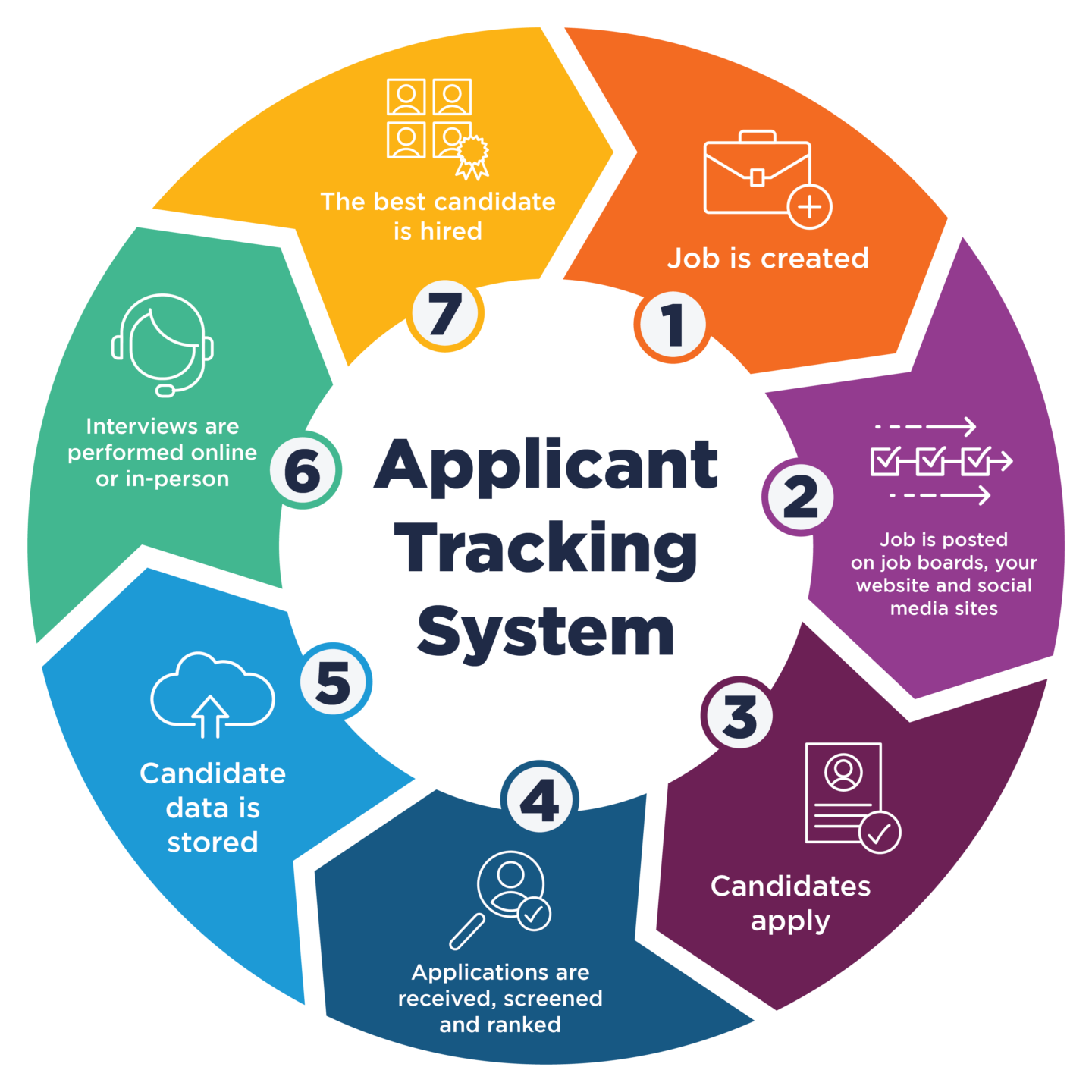
LinkedIn provides useful engagement signals that can help recruiters identify candidates who may be open to opportunities.
Paying attention to these signals can improve outreach timing and increase response rates significantly.
Some useful candidate activity indicators include:
- Profile updates or recent activity
- New certifications or skills added
- Engagement with industry content
- “Open to Work” indicators
- Recent promotions or role changes
- Increased posting or networking activity
For example, candidates updating profiles or engaging more actively on LinkedIn are often more open to career conversations.
Tracking these signals helps recruiters prioritize outreach toward candidates who are more likely to respond positively.
9. Building Long-Term Talent Pipelines on LinkedIn
One of the biggest sourcing mistakes recruiters make is only searching when an urgent role opens.
Strong recruiters continuously build talent pipelines even before hiring needs become immediate.
LinkedIn makes this easier by allowing recruiters to save profiles, organize candidate lists, and maintain ongoing professional relationships over time.
Building long-term pipelines helps you:
- Reduce future hiring delays
- Maintain relationships with quality candidates
- Improve hiring speed for recurring roles
- Create a ready-to-engage talent pool
- Reduce dependency on urgent sourcing efforts
Instead of restarting the sourcing process every time, recruiters can quickly reconnect with candidates who were already identified earlier.
This creates a much more scalable and efficient hiring process.
10. Re-Engaging Previous Candidates and Connections
Many recruiters focus heavily on finding new candidates while ignoring previous applicants or older LinkedIn connections.
However, past candidates can often become strong future hires, especially if their experience or career goals have evolved over time.
Re-engaging existing connections is usually faster than building entirely new relationships from scratch.
Recruiters can reconnect with previous candidates by:
- Sharing relevant job opportunities
- Sending personalized follow-up messages
- Checking for recent career updates
- Re-engaging candidates who previously reached final rounds
- Maintaining occasional professional communication
Candidates who already recognize your company or brand are often more likely to respond positively compared to cold outreach.
This approach also helps recruiters maximize the value of their existing talent network.
11. Automating Outreach and Follow-Ups for Better Response Rates
Consistent follow-ups are one of the most important parts of LinkedIn sourcing, but they are also one of the most time-consuming tasks for recruiters.
Many qualified candidates simply miss the first message or respond only after multiple follow-ups.
This is where automation can improve sourcing efficiency significantly.
Automated outreach workflows help recruiters:
- Send personalized messages at scale
- Schedule follow-up sequences automatically
- Track candidate responses centrally
- Reduce manual administrative work
- Maintain consistent engagement with candidates
The goal is not to replace personalization completely but to remove repetitive tasks that slow recruiters down.
When automation is combined with strong messaging and targeted sourcing, recruiters can engage more candidates without sacrificing outreach quality or candidate experience.
How Leelu.AI Helps You Source Candidates on LinkedIn More Efficiently
As LinkedIn sourcing becomes more competitive, recruiters are spending more time searching profiles, sending outreach, screening resumes, and managing follow-ups manually.
This slows down hiring teams and makes it harder to scale recruitment efficiently, especially when hiring for multiple roles at once.
That is where Leelu.ai helps streamline the entire sourcing process using AI-driven workflows and automation.
1. Source Candidates From LinkedIn and Multiple Platforms Simultaneously
Instead of searching one platform at a time, Leelu.ai allows recruiters to source candidates across LinkedIn, job boards, and ATS systems from a single workflow.
This expands your talent reach significantly and helps recruiters discover more relevant candidates faster without switching between multiple tools manually.
2. Find and Rank Best-Fit Candidates Using AI Matching
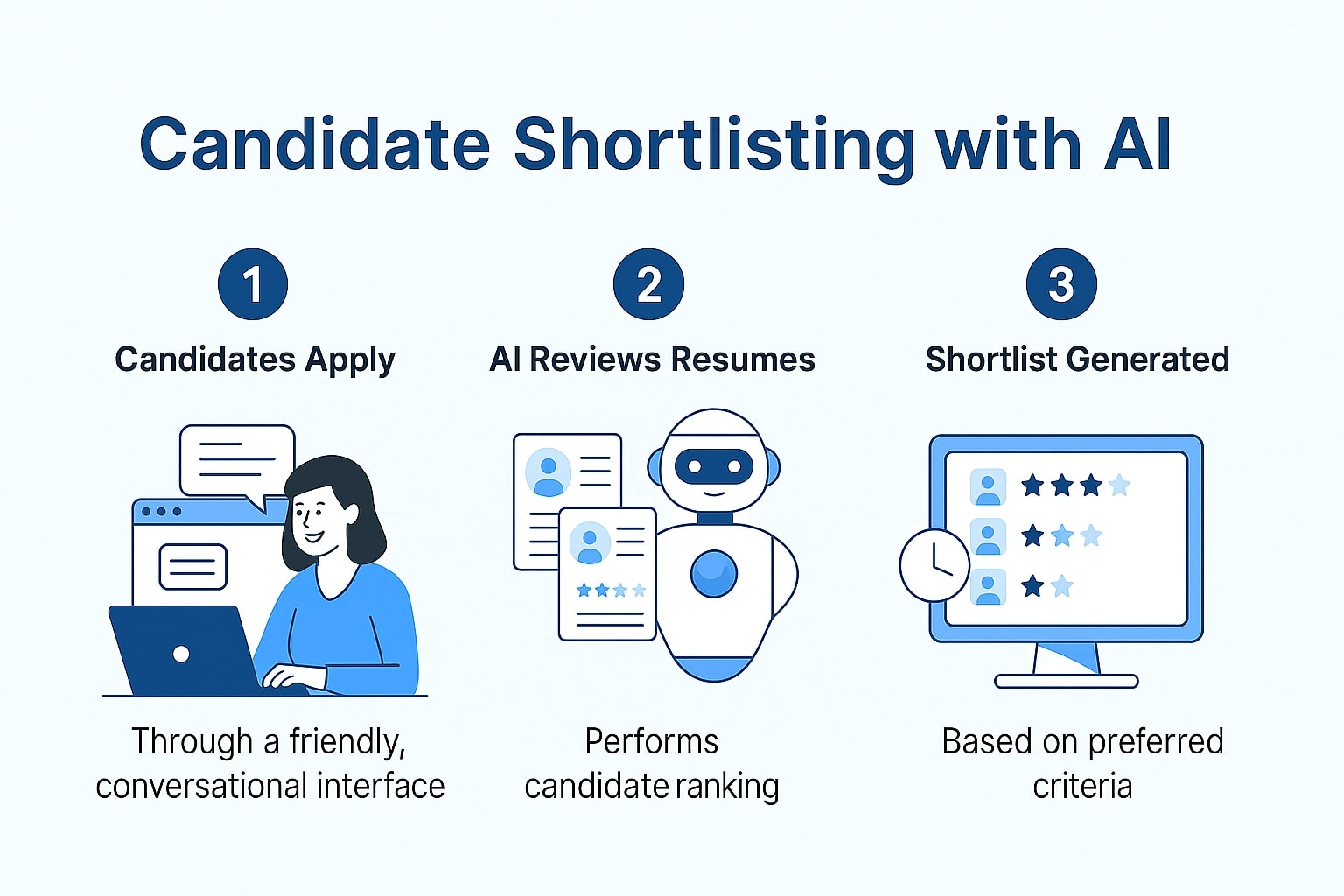
Reviewing hundreds of candidate profiles manually can slow down the hiring process quickly.
Leelu.ai uses AI-powered matching to identify and rank candidates based on job fit, skills, experience, and hiring requirements.
This helps recruiters prioritize high-quality candidates faster while reducing time spent on manual screening.
3. Automate Personalized LinkedIn and Email Outreach
Consistent outreach is important, but sending personalized messages manually at scale becomes difficult for growing hiring teams.
Leelu.ai helps automate personalized LinkedIn and email outreach while still keeping communication relevant to each candidate’s background and role fit.
This improves engagement rates and helps recruiters maintain candidate conversations more efficiently.
4. Reduce Manual Sourcing and Screening Effort Significantly
A large part of recruiting time is usually spent on repetitive tasks like sourcing, filtering, shortlisting, and follow-ups.
Leelu.ai automates much of this workflow, helping recruiters reduce manual effort significantly while improving sourcing speed and hiring efficiency.
5. Manage Sourcing, Engagement, and Scheduling in One Workflow
Recruitment workflows often become fragmented across multiple sourcing, outreach, and scheduling tools.
Leelu.ai brings sourcing, candidate engagement, screening, and interview scheduling into one unified workflow, helping recruiters manage the entire hiring process more efficiently from a single platform.
How to Choose the Right LinkedIn Sourcing Strategy for Your Hiring Needs
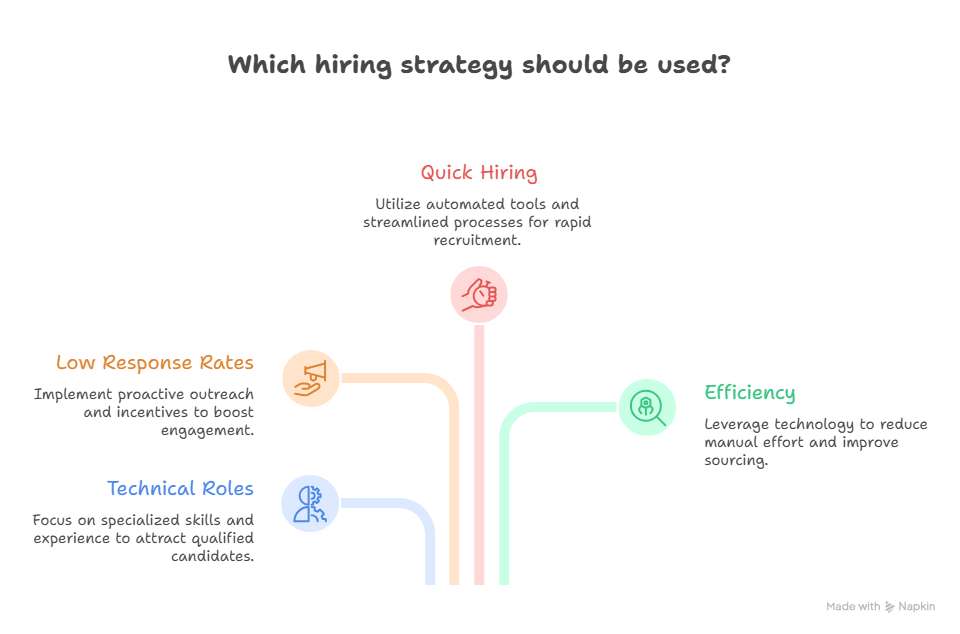
Not every LinkedIn sourcing strategy works equally well for every hiring situation.
The right approach usually depends on the type of role you are hiring for, your hiring timeline, candidate availability, and how much manual effort your team can handle.
Understanding these differences helps recruiters choose sourcing strategies that produce better results faster.
1. If You Are Hiring for Technical or Niche Roles
Technical and niche hiring often requires more targeted sourcing because qualified candidates are harder to find and usually receive frequent recruiter outreach.
In these cases, recruiters should focus on:
- Boolean search strategies
- Skill-based keyword targeting
- LinkedIn groups and niche communities
- Employee referral networks
- Personalized outreach messaging
Building long-term talent pipelines also becomes extremely important for specialized roles where hiring demand remains consistently high.
2. If Candidate Response Rates Are Low
Low response rates usually indicate problems with outreach quality, timing, or targeting.
Instead of increasing message volume, recruiters should improve personalization and focus on candidate relevance.
You can improve response rates by:
- Writing shorter and more personalized messages
- Mentioning candidate-specific experience or achievements
- Following up consistently without sounding repetitive
- Reaching out when candidates show activity signals
- Using multi-channel outreach beyond LinkedIn alone
Even small personalization improvements can significantly increase candidate engagement.
3. If You Need to Hire Quickly at Scale
High-volume hiring requires speed, consistency, and automation.
Manual sourcing alone usually becomes difficult when recruiters need to fill multiple roles simultaneously within short timelines.
For faster hiring at scale, recruiters should combine:
- AI-powered sourcing tools
- Automated outreach workflows
- Advanced LinkedIn filters
- Candidate ranking systems
- Structured follow-up sequences
This helps reduce sourcing bottlenecks while maintaining candidate quality.
4. If You Want to Improve Sourcing Efficiency With Less Manual Work
Many recruiters spend too much time switching between sourcing, screening, outreach, and scheduling tools.
Improving sourcing efficiency often means simplifying workflows and automating repetitive tasks wherever possible.
Using AI recruiting platforms, centralized workflows, and automated engagement tools can help recruiters spend more time building candidate relationships instead of handling administrative work manually.
Suggested Reading:
9 Recruitment Automation Tools That Save 70% Hiring TimeCommon LinkedIn Sourcing Mistakes to Avoid
Even experienced recruiters can struggle with LinkedIn sourcing when the process becomes rushed or inconsistent.
Avoiding common sourcing mistakes can improve candidate quality, response rates, and overall hiring efficiency significantly.
1. Using Overly Broad or Inaccurate Search Filters
Broad searches often produce large numbers of irrelevant candidate profiles.
Without precise keywords and filters, recruiters waste time reviewing candidates who do not actually match hiring requirements.
Using targeted skills, role-specific keywords, and refined filters usually improves sourcing accuracy considerably.
2. Sending Generic Outreach Messages to Every Candidate
Candidates can quickly recognize copy-paste recruiter messages.
Generic outreach often feels impersonal and reduces the chances of receiving a response, especially from passive candidates.
Personalized communication creates stronger engagement and helps recruiters stand out in crowded inboxes.
3. Ignoring Passive Candidates Who Are Not Actively Applying
Some of the strongest candidates are not actively searching for jobs at all.
Recruiters who only focus on active applicants often miss highly qualified professionals who may still be open to the right opportunity.
Passive candidate engagement is now a major part of successful LinkedIn sourcing strategies.
4. Failing to Follow Up Consistently With Candidates
Many candidates do not reply to the first message simply because they are busy or missed the notification.
Stopping outreach after one attempt often results in lost hiring opportunities.
Consistent and thoughtful follow-ups usually improve response rates significantly over time.
5. Relying Only on LinkedIn Without Diversifying Sourcing Channels
LinkedIn is one of the strongest sourcing platforms, but relying on it alone can limit your talent reach.
Recruiters often achieve better results when they combine LinkedIn sourcing with job boards, employee referrals, talent communities, ATS databases, and AI sourcing platforms.
Diversified sourcing strategies create stronger candidate pipelines and reduce dependency on a single channel.
Conclusion
LinkedIn has become one of the most effective platforms for candidate sourcing, but successful hiring now requires more than simple profile searches.
Recruiters need a combination of targeted sourcing, personalized outreach, consistent follow-ups, and automation to attract and engage the right candidates efficiently.
From Boolean search and LinkedIn groups to AI-powered sourcing tools and automated workflows, every strategy helps improve hiring speed and candidate quality.
As competition for top talent continues to grow, recruiters who build smarter sourcing processes will reduce manual effort, improve response rates, and create stronger long-term talent pipelines for future hiring needs.
Frequently Asked Questions
1. How do recruiters source candidates on LinkedIn?
Recruiters use LinkedIn filters, Boolean searches, communities, and personalized outreach to identify and engage qualified candidates faster consistently.
2. What is the best way to contact candidates on LinkedIn?
Personalized LinkedIn messages mentioning candidate skills, achievements, and career interests usually generate stronger engagement and better response rates consistently.
3. How many LinkedIn messages should recruiters send daily?
Recruiters should send targeted and personalized LinkedIn messages daily instead of focusing only on higher outreach volume consistently today online.
4. Is LinkedIn Recruiter worth it for sourcing?
LinkedIn Recruiter helps recruiters access advanced filters, candidate insights, and sourcing tools for more efficient hiring and engagement processes consistently.
5. Can AI tools improve LinkedIn candidate sourcing?
AI tools automate sourcing, screening, outreach, and follow-ups, helping recruiters improve hiring speed and candidate matching accuracy significantly overall.


