Hiring delays are becoming a bigger problem across industries in 2026.
Companies are struggling to fill critical roles, while skilled candidates are becoming harder to attract, evaluate, and retain.
From AI engineers to healthcare specialists, some positions now stay open for months, slowing growth and increasing workload for existing teams.
In this guide, you’ll discover:
- Why certain roles are harder to fill in 2026
- The 17 roles causing the biggest hiring delays
- Common reasons companies struggle to hire faster
- How AI recruiting tools like Leelu AI can speed up hiring
Why Some Roles Are Taking Longer to Fill in 2026
Hiring challenges are no longer limited to a few industries. In 2026, companies across tech, healthcare, manufacturing, logistics, and construction are all facing longer hiring cycles for critical positions.
The problem is not just about talent shortages anymore. It is also about changing skill demands, rising competition, and faster shifts in technology.
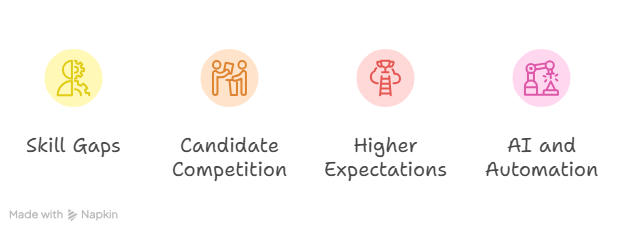
1. Rising Skill Gaps Across Industries
Many industries are evolving faster than the workforce can adapt.
Companies now need candidates with specialized technical skills, hands-on experience, and the ability to work with AI-driven systems.
The gap between available talent and required skills continues to grow, especially in technology and healthcare sectors.
2. Competition for Experienced Candidates
Experienced professionals are receiving multiple offers at the same time.
Businesses are competing aggressively for a smaller pool of qualified candidates, which increases hiring delays and makes retention more difficult for employers.
3. Higher Expectations From Employers and Candidates
Hiring expectations have changed on both sides.
Employers want candidates who can contribute immediately, while candidates expect better salaries, flexibility, career growth, and faster hiring experiences before accepting offers.
4. The Impact of AI and Automation on Hiring
AI is transforming how companies hire, but it is also creating demand for entirely new skill sets.
As automation expands, businesses are searching for professionals who can manage AI systems, analyze data, and adapt to rapidly changing technologies, making hiring even more competitive.
17 Hard-to-Fill Roles That Delay Hiring the Most in 2026
The hiring market in 2026 is becoming increasingly competitive, especially for roles that require specialized skills, certifications, or real-world experience.
Many of these positions directly impact business growth, security, operations, and innovation, which is why companies are struggling to hire fast enough.
1. AI / Machine Learning Engineers
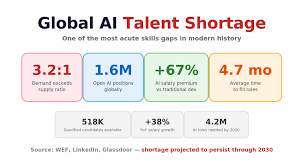
AI and machine learning engineers remain among the hardest professionals to hire in 2026.
Businesses across industries are investing heavily in AI products, automation, predictive analytics, and generative AI systems.
At the same time, the number of experienced engineers capable of building and managing these systems is still limited.
Most companies are not only looking for coding expertise. They also want candidates with experience in model training, cloud infrastructure, data pipelines, and AI deployment.
This combination of technical depth and hands-on experience makes hiring extremely competitive.
2. Cybersecurity Analysts and Security Engineers
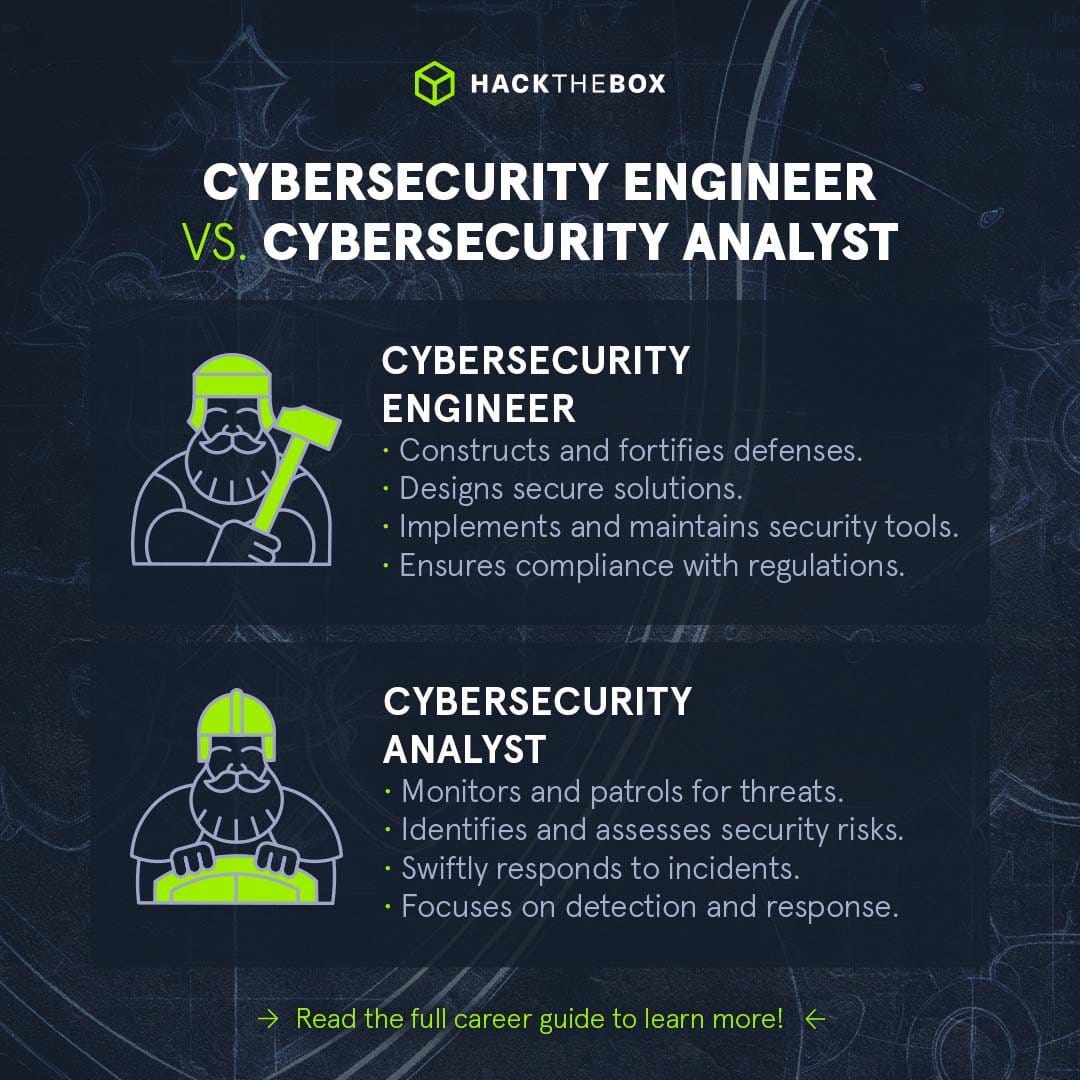
Cybersecurity threats continue to rise, making security hiring a top priority for organizations worldwide.
Companies now need professionals who can protect systems, detect threats, manage compliance, and respond to cyberattacks in real time.
The challenge is that experienced cybersecurity talent is in short supply.
Security engineers often receive multiple offers quickly, especially candidates with cloud security, ethical hacking, and incident response expertise. Hiring delays in cybersecurity can create serious operational and financial risks for businesses.
3. Cloud Architects
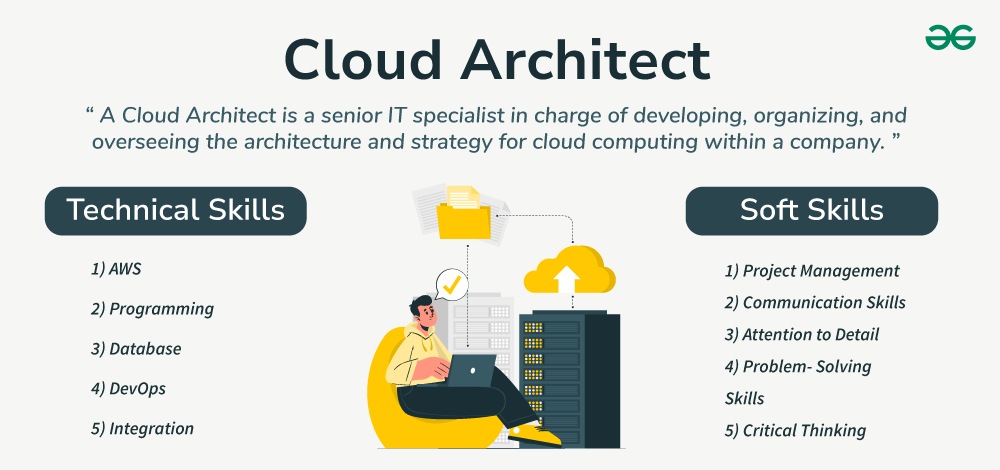
As businesses continue moving infrastructure to the cloud, demand for cloud architects is growing rapidly.
Organizations need experts who can design scalable cloud systems, manage multi-cloud environments, and optimize performance while maintaining security and cost efficiency.
Hiring becomes difficult because cloud architecture requires both technical and strategic knowledge.
Companies often expect experience with platforms like AWS, Azure, and Google Cloud, along with leadership skills and infrastructure planning capabilities. Finding candidates who meet all these requirements takes time.
4. Data Scientists
Data has become one of the most valuable business assets in 2026.
Companies rely on data scientists to uncover insights, improve decision-making, and build predictive models that support business growth.
The hiring challenge comes from the wide range of skills required for the role. Employers want professionals who understand statistics, machine learning, programming, and business strategy at the same time.
Candidates who can combine technical analysis with real-world business understanding are highly sought after and difficult to attract.
5. DevOps Engineers
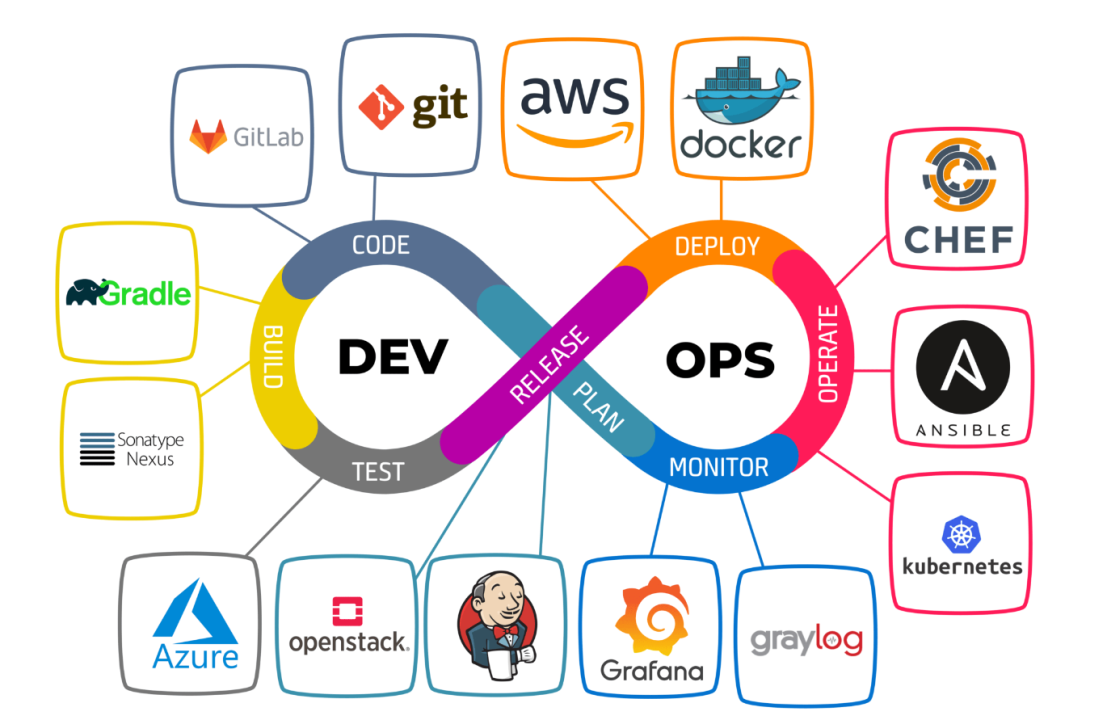
DevOps engineers play a critical role in modern software development and infrastructure management.
They help businesses automate deployments, improve system reliability, and speed up product releases while maintaining operational stability.
The demand for DevOps talent continues to increase because companies want faster development cycles without compromising performance or security.
Experienced DevOps professionals with expertise in Kubernetes, CI/CD pipelines, cloud automation, and infrastructure monitoring are especially difficult to hire.
6. Full-Stack Developers
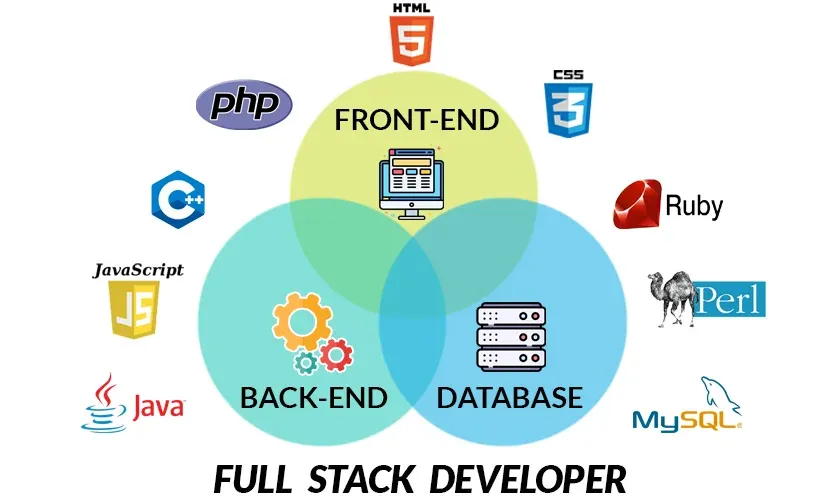
Full-stack developers remain one of the most in-demand technology roles because they can manage both front-end and back-end development.
Companies prefer hiring developers who can work across multiple technologies instead of maintaining separate teams for every function.
However, experienced full-stack developers are becoming harder to find.
Many businesses now expect expertise in modern frameworks, APIs, databases, cloud environments, and user experience optimization. This broad skill requirement significantly reduces the available talent pool.
7. Healthcare Nurses and Registered Nurses (RNs)
Healthcare systems around the world are still dealing with staffing shortages, making nurses and registered nurses some of the hardest roles to fill in 2026.
An aging population, increasing patient demand, and workforce burnout have all contributed to the growing shortage.
Hospitals and healthcare providers are competing aggressively for qualified nursing professionals.
Long shifts, emotional stress, and licensing requirements also make retention more challenging, which further increases hiring delays across the healthcare industry.
8. Physicians and Medical Specialists
Healthcare organizations are facing major shortages of physicians and medical specialists in 2026.
Demand for specialists in cardiology, oncology, radiology, and emergency medicine continues to rise as patient volumes increase globally.
At the same time, the path to becoming a licensed specialist takes years of education, training, and certifications.
Many hospitals are also competing for the same limited pool of experienced professionals.
This creates longer hiring timelines, especially for rural healthcare facilities and organizations struggling to offer competitive compensation packages.
9. Mental Health Therapists
Mental health awareness has grown significantly over the last few years, increasing the demand for licensed therapists and counselors.
Companies, schools, hospitals, and healthcare providers are all investing more in mental health services, but the supply of qualified professionals is not growing fast enough.
Hiring delays are especially common for therapists with experience in trauma care, addiction recovery, child psychology, and workplace mental health support.
Licensing requirements and emotional burnout within the profession also contribute to long-term talent shortages.
10. Skilled Trade Technicians (Electricians, Welders, Plumbers)
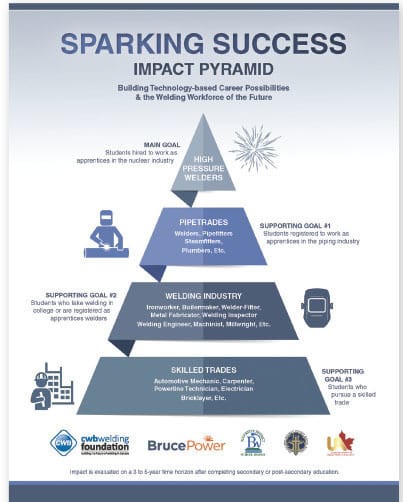
Skilled trade roles continue to be some of the hardest positions to fill across construction, manufacturing, and infrastructure industries.
Many experienced technicians are reaching retirement age, while fewer younger workers are entering trade professions compared to previous generations.
Businesses are now competing for electricians, welders, plumbers, and HVAC technicians who already have practical field experience and certifications.
Projects often get delayed because companies cannot find enough skilled workers to handle growing construction and industrial demands.
11. Truck Drivers and Logistics Operators
Supply chains continue to depend heavily on truck drivers and logistics professionals, making these roles critical for business operations.
However, transportation companies are still struggling to hire and retain qualified drivers in 2026.
Long working hours, demanding schedules, regulatory requirements, and lifestyle challenges have made the profession less attractive for many workers.
At the same time, the growth of eCommerce and global shipping has increased the demand for logistics operators, warehouse coordinators, and commercial drivers across industries.
12. Sales Executives for Enterprise SaaS

Enterprise SaaS companies are aggressively hiring experienced sales executives who can manage complex B2B sales cycles and close high-value deals.
These roles require more than just communication skills. Companies want professionals who understand enterprise software, customer pain points, technical solutions, and long-term relationship building.
The competition becomes even tougher for candidates with proven experience in selling SaaS products to large enterprises.
Top-performing sales executives are often approached by multiple companies offering higher commissions, remote flexibility, and leadership opportunities, making hiring slower and more competitive.
13. Construction Project Managers

Construction projects are becoming larger, more complex, and more technology-driven in 2026.
Companies now need project managers who can oversee budgets, timelines, workforce coordination, safety compliance, and communication across multiple teams at once.
Finding professionals with this level of experience is becoming increasingly difficult.
The shortage is especially noticeable in infrastructure, commercial construction, and large-scale residential projects.
Many businesses are struggling to hire managers who can balance technical expertise with leadership and problem-solving skills under tight deadlines.
14. Industrial and Manufacturing Engineers
Manufacturing industries are rapidly modernizing with automation, robotics, and smart factory systems.
As a result, industrial and manufacturing engineers are now responsible for improving production efficiency, reducing operational costs, and managing advanced manufacturing technologies.
Hiring becomes challenging because companies want candidates who understand both traditional engineering processes and modern automation systems.
Professionals with experience in robotics, lean manufacturing, process optimization, and industrial AI tools are especially difficult to recruit in today’s market.
15. Pharmacists and Pharmacy Technicians
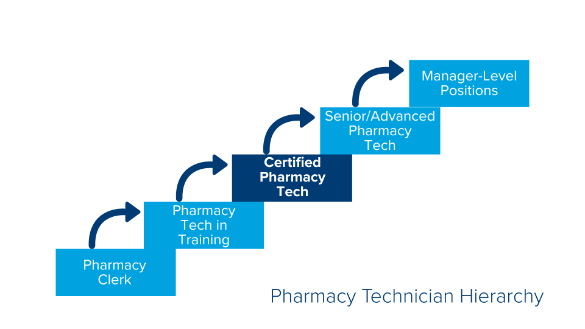
Pharmacists and pharmacy technicians continue to play a critical role in healthcare systems, retail pharmacies, and hospital operations.
The demand for these professionals has increased due to rising healthcare needs, aging populations, and the expansion of prescription-based treatments.
At the same time, hiring delays are growing because licensed pharmacy professionals require specialized training, certifications, and regulatory compliance.
Retail chains, hospitals, and healthcare providers are all competing for the same talent pool, making recruitment more competitive across the industry.
16. Renewable Energy Technicians
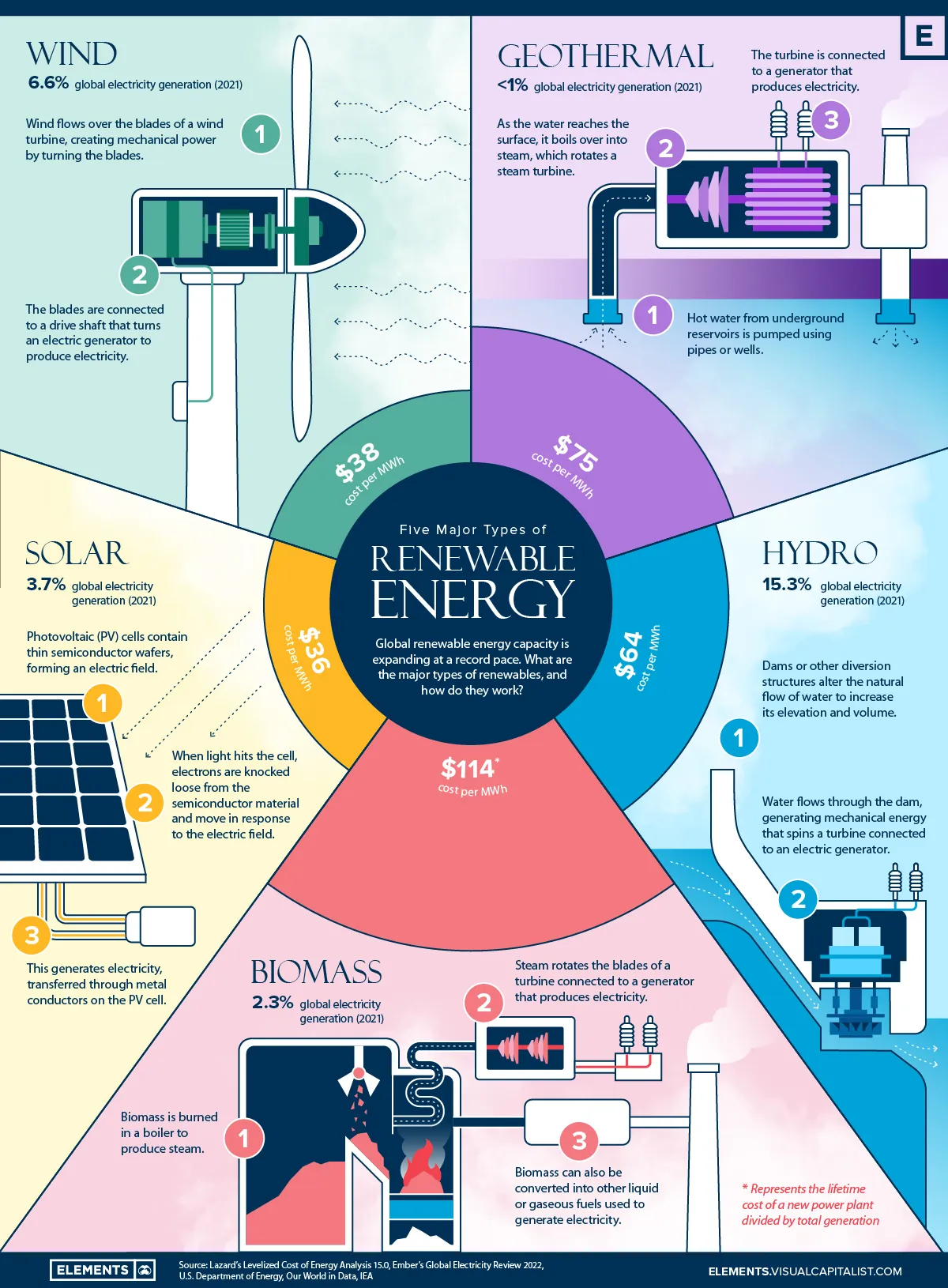
The global push toward clean energy is creating massive demand for renewable energy technicians in solar, wind, and energy storage sectors.
Governments and private companies are investing heavily in sustainable infrastructure, but there are not enough skilled workers available to support this rapid growth.
Employers are searching for technicians who can install, maintain, and troubleshoot renewable energy systems while understanding safety standards and evolving technologies.
Because the industry is expanding faster than workforce training programs, many organizations are experiencing longer hiring cycles for these positions.
17. Semiconductor and Chip Design Engineers

Semiconductor and chip design engineers are among the most difficult professionals to hire in 2026.
The growing demand for AI systems, consumer electronics, electric vehicles, and data centers has increased the need for advanced chip development worldwide.
These roles require highly specialized expertise in semiconductor architecture, embedded systems, circuit design, and hardware optimization.
Since experienced chip engineers are limited globally, companies often compete aggressively with higher salaries, relocation packages, and long-term incentives to secure top talent.
How Leelu.AI Help Fill Hard-to-Hire Roles Faster
As hiring becomes more competitive in 2026, recruiters are under pressure to fill critical roles faster without compromising candidate quality.
This is where Leelu.AI helps companies reduce hiring delays by automating sourcing, screening, outreach, and scheduling across the entire recruitment workflow.
1. Faster Candidate Sourcing Across Multiple Platforms
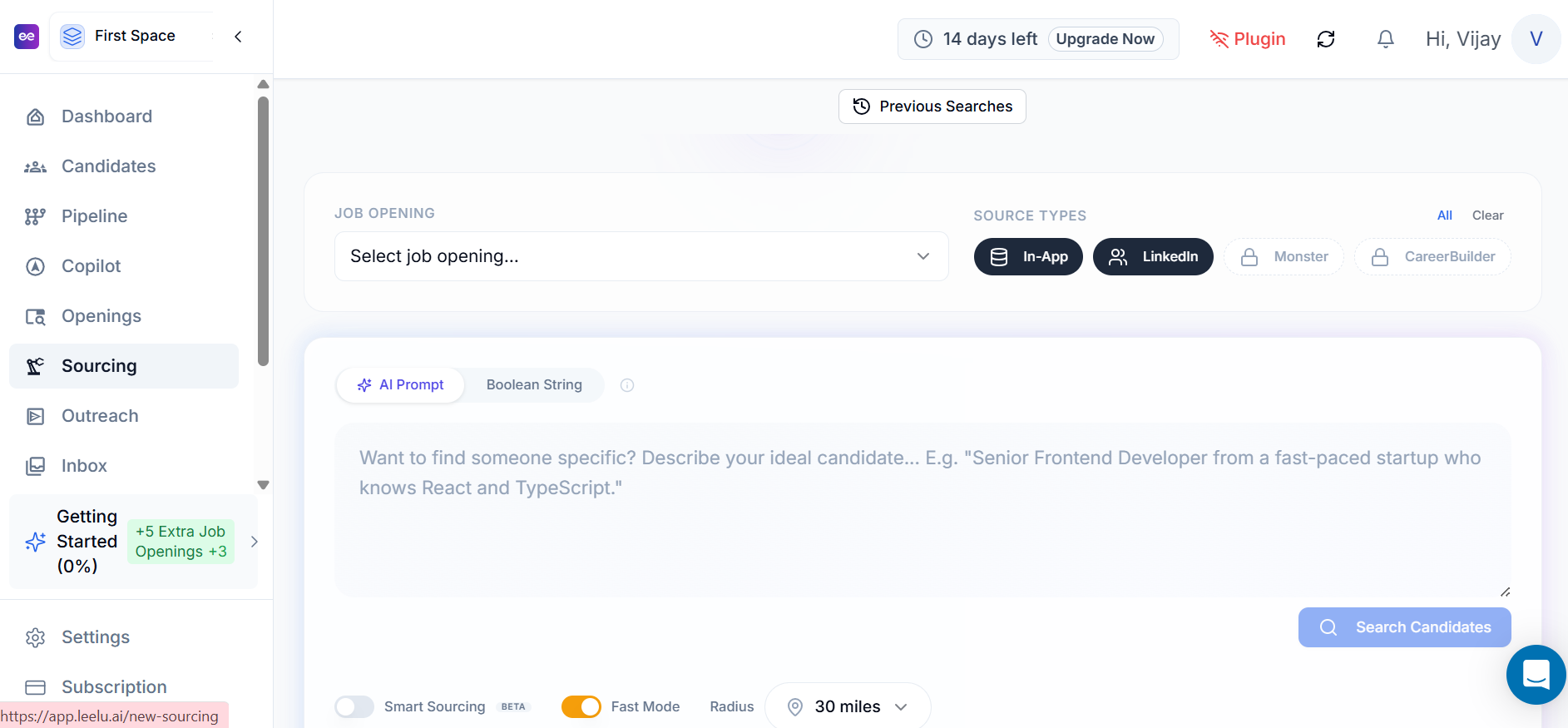
Finding qualified candidates manually can take days or even weeks for hard-to-fill roles.
Leelu AI helps recruiters source candidates faster by scanning millions of profiles across LinkedIn, job boards, and ATS platforms simultaneously. This allows hiring teams to reach a much larger talent pool in less time.
Suggested Reading:
AI Candidate Sourcing Tools: 10 Best Solutions for Recruiters (2026 Guide)2. AI-Powered Screening and Shortlisting
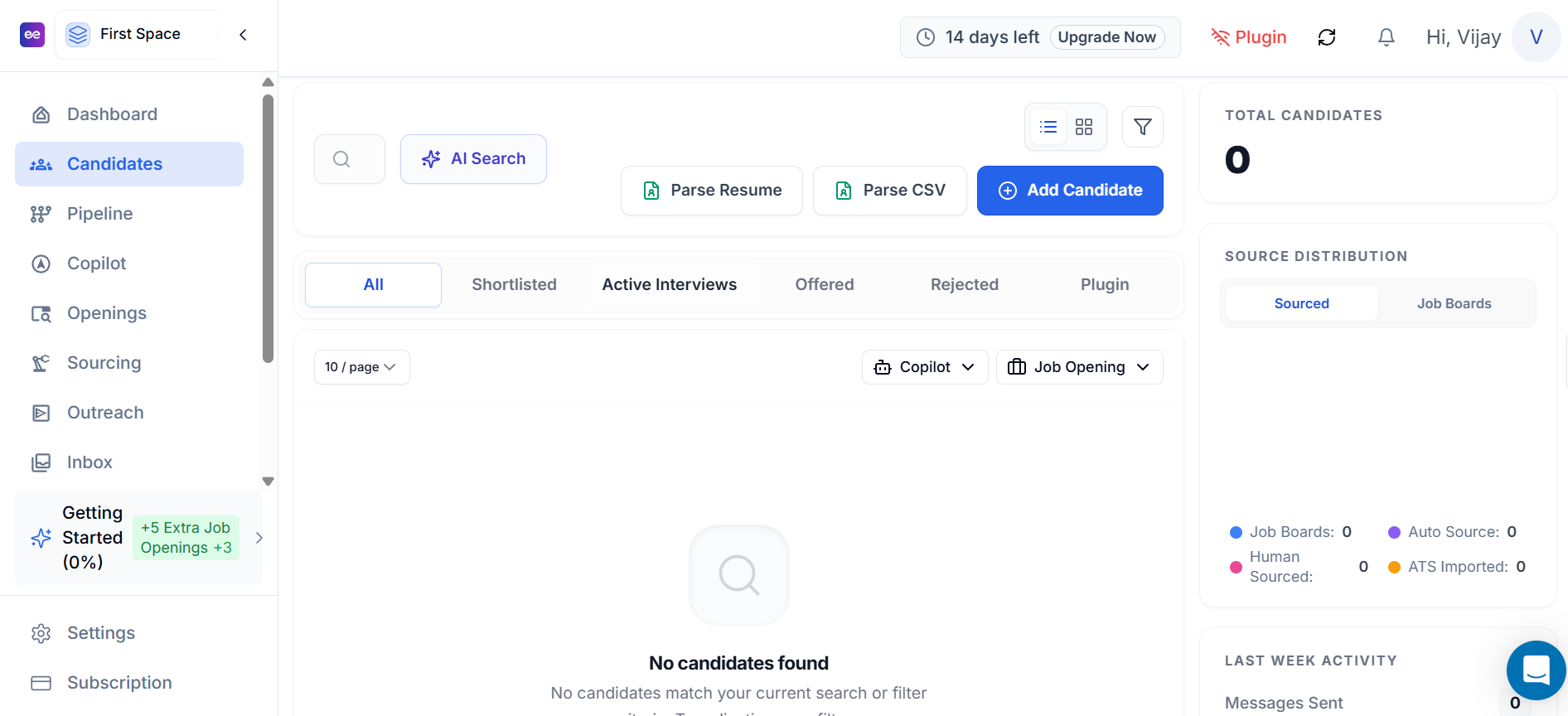
Screening hundreds of resumes for technical and specialized positions often slows down hiring pipelines.
Leelu AI automatically parses, ranks, and shortlists candidates based on job fit, helping recruiters identify top talent within minutes instead of spending hours reviewing applications manually.
3. Automated Outreach and Follow-Ups
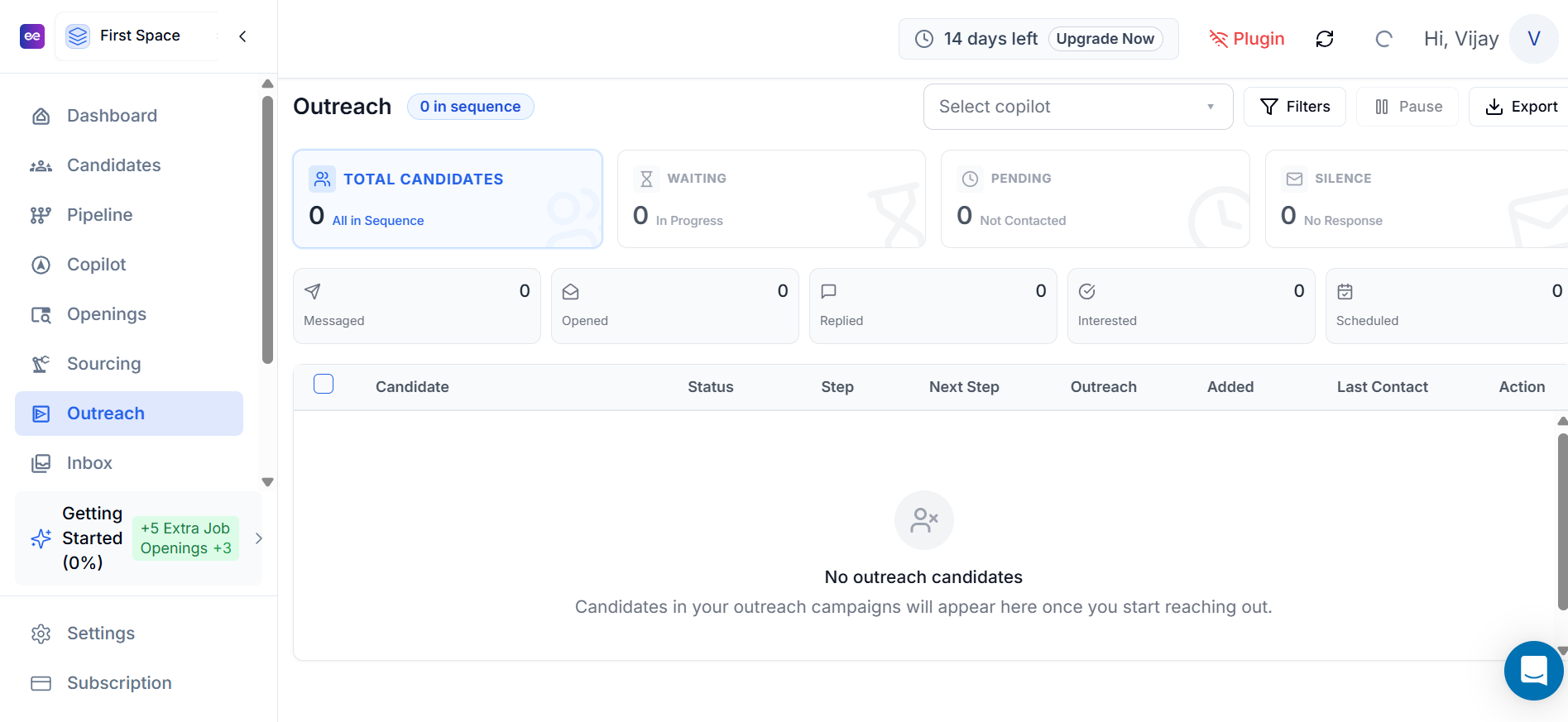
Many companies lose candidates because of slow communication and inconsistent follow-ups.
Leelu AI automates personalized outreach, candidate engagement, and follow-up conversations, helping recruiters maintain faster response times throughout the hiring process.
4. Better Hiring Speed for Technical and Executive Roles
Hard-to-hire roles often require faster engagement before competitors secure top candidates.
Leelu AI helps recruiters move quickly by streamlining sourcing, screening, and interview coordination for technical, healthcare, and executive-level positions.
5. Reducing Recruiter Workload While Improving Hiring Quality
Recruiters often spend too much time on repetitive administrative tasks.
By automating manual hiring workflows, Leelu AI allows recruiting teams to focus more on candidate relationships, strategic hiring decisions, and improving overall hiring quality.
Common Reasons That Delays Hiring for Hard to Fill Roles
Even when companies actively invest in recruitment, many hard-to-fill positions still remain open for months.
In most cases, hiring delays happen because of internal hiring challenges rather than a complete lack of available talent.
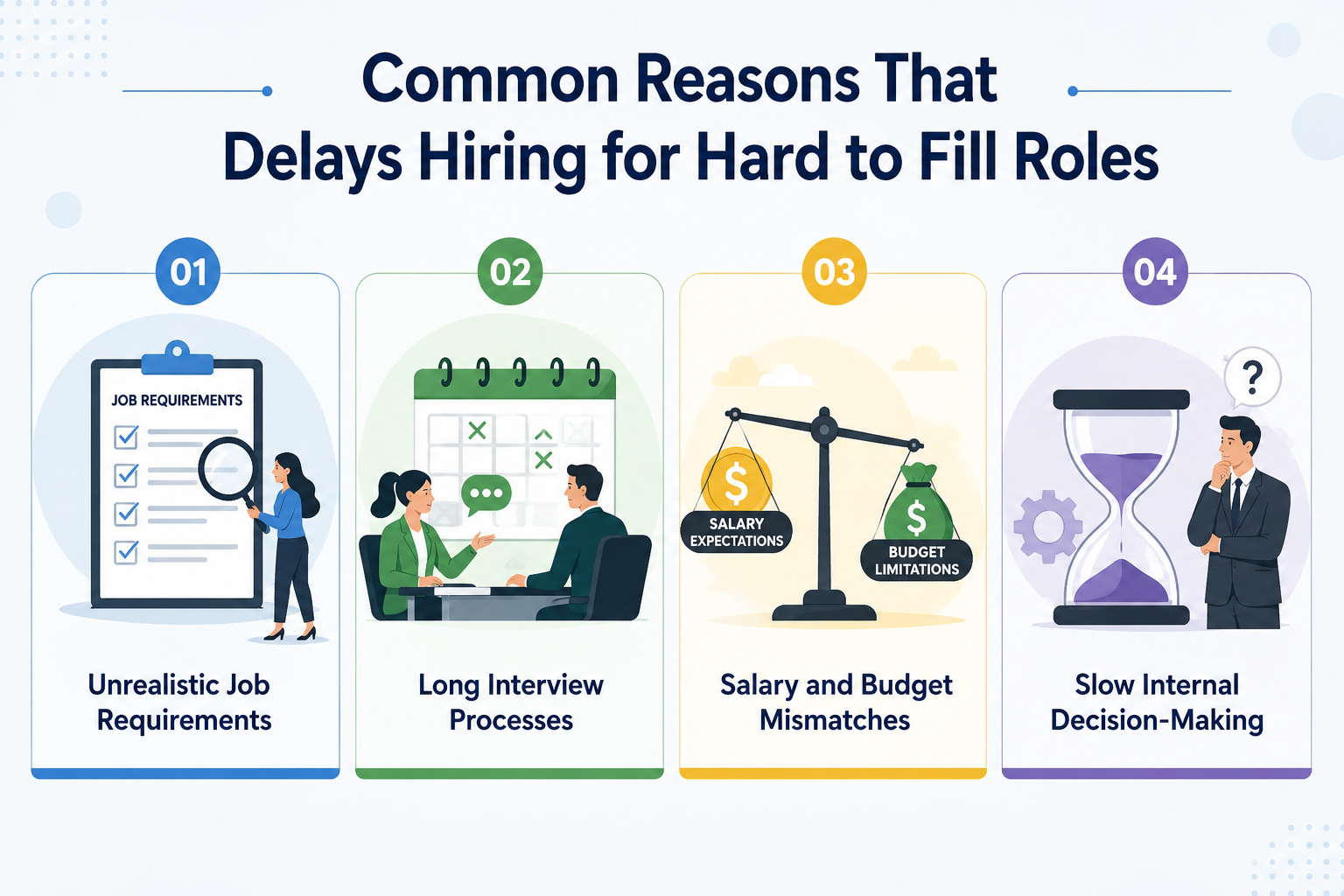
1. Unrealistic Job Requirements
Many companies create job descriptions with overly broad expectations.
They often search for candidates with years of experience across multiple tools, certifications, leadership skills, and industry expertise all within a single role. This significantly reduces the available talent pool and makes hiring slower.
2. Long Interview Processes
Lengthy hiring processes are one of the biggest reasons companies lose qualified candidates.
Top professionals, especially in technical and executive roles, usually receive multiple offers quickly.
When businesses take too long to schedule interviews, complete evaluations, or provide feedback, candidates often move forward with faster competitors.
3. Salary and Budget Mismatches
Compensation expectations have changed significantly in recent years.
Candidates now expect competitive salaries, remote flexibility, benefits, and career growth opportunities. If company budgets do not match current market rates, recruiters often struggle to attract experienced professionals for critical roles.
4. Slow Internal Decision-Making
Hiring delays also happen when internal teams are not aligned during the recruitment process.
Slow approvals, unclear feedback, changing requirements, and delayed offer decisions can extend hiring timelines unnecessarily. In competitive industries, even a few days of delay can result in losing top candidates to other employers.
Suggested Reading:
How to Hire Faster: 12 Proven Ways to Cut Time-to-HireConclusion
Hard-to-fill roles are becoming one of the biggest hiring challenges for companies in 2026.
From AI engineers to healthcare specialists and skilled trade workers, businesses are struggling to hire qualified talent fast enough to meet growing demands.
Hiring delays not only slow business growth but also increase operational pressure on existing teams.
Companies that improve sourcing, streamline hiring processes, and adopt AI-driven recruiting tools like Leelu AI will be better positioned to reduce hiring delays and secure top talent before competitors do.
Frequently Asked Questions
1. Why are some roles harder to fill in 2026?
Rapid technology changes, skill shortages, and increasing competition for experienced professionals are making hiring more difficult across industries worldwide.
2. Which industries face the biggest hiring delays?
Technology, healthcare, construction, manufacturing, logistics, and renewable energy industries are experiencing the longest hiring delays in 2026.
3. How long does it take to fill hard-to-hire roles?
Many specialized positions now take several weeks or even months because companies struggle to find qualified and experienced candidates.
4. How can companies reduce hiring delays?
Businesses can improve hiring speed by simplifying interviews, offering competitive salaries, and using AI recruiting tools for faster sourcing.
5. How does Leelu AI help recruiters hire faster?
Leelu AI automates sourcing, screening, outreach, and scheduling, helping recruiters reduce manual work and accelerate hiring processes significantly.


