
Bereavement Leave is a temporary leave offered to an employee when a loved one passes away. It helps people slow down and attend to family needs during a very challenging time. Many workers ask what is bereavement leave and why it matters. The easy solution is to provide time to recover and still have a job to be safe. The bereavement leave meaning is about care, respect, and basic human support. The loss occurs, attention and energy are reduced, and work becomes difficult. A clear policy helps workers and employers act with kindness and clarity.
This guide describes Bereavement Leave in simple terms. By the end, readers will understand how Bereavement leave law works, what Bereavement leave rights employees have, and how modern teams can support people during loss.
What Bereavement Leave Means at Work
Bereavement Leave is leave given to an employee when a family member dies. A lot of individuals desire a definition of bereavement leave, as they desire a simple definition of Bereavement. To define bereavement leave, it is a paid or unpaid break that lets a person grieve, attend services, and support family. The bereavement leave meaning stays the same across many workplaces, even if rules differ.
Why This Leave Exists
Bereavement Leave has been established to support people during emotional shocks. Mourning may affect sleep, concentration, and health. A rest period helps people to resume work in a good mood.
Who It Usually Covers
Close family, such as parents, spouses, children, and siblings, are mostly covered by most policies. Grandparents and in-laws are also part of some workplaces.
Paid vs Unpaid Time
Some companies offer paid time off, while others allow unpaid time off. A strong bereavement leave policy explains this clearly.
Understanding what bereavement leave is helps teams act with care. It also builds trust at work. Simple rules make employees feel supported, and managers understand what to do. Bereavement Leave is not time alone. It has to do with respect and human care.
How long does bereavement leave usually last?
One of the most common questions is, " How long is bereavement leave? It is based on the company and local regulations. Many workplaces offer 3 to 5 days of leave for the death of a close family member. Some give fewer days to extended family.
Common Time Frames
Three days is common in many offices. Five days is often given for a spouse or child. Some companies allow extra time if travel is needed.
Flexible Options
A modern bereavement leave policy may allow flexible use. Days can be taken together or split. This helps people plan around services and family needs.
Extra Support When Needed
Some teams allow sick leave or vacation to extend time off. This shows care beyond the basic rule.
When people ask how long bereavement leave is, they are often stressed. Clear answers reduce worry. A kind policy explains options without pressure. Bereavement Leave works best when time limits are clear, but human needs come first.
Bereavement Leave Laws in the United States
Bereavement leave laws in the United States vary by state. No federal regulation requires paid time off for grief. Still, many states guide employers to offer fair support.
Federal Level Rules
At the federal level, there is no law requiring paid bereavement leave. Employers choose their own rules.
State-Level Examples
Some states protect job security during loss. A few require unpaid time off. These rules support basic bereavement leave rights.
Company Choice Matters
Because laws vary, company policy becomes very important. Many employers go beyond the law to support teams.
Understanding the bereavement leave law benefits both parties. Workers learn their protections. Employers learn how to stay fair and compliant. Clear rules prevent confusion during emotional times.
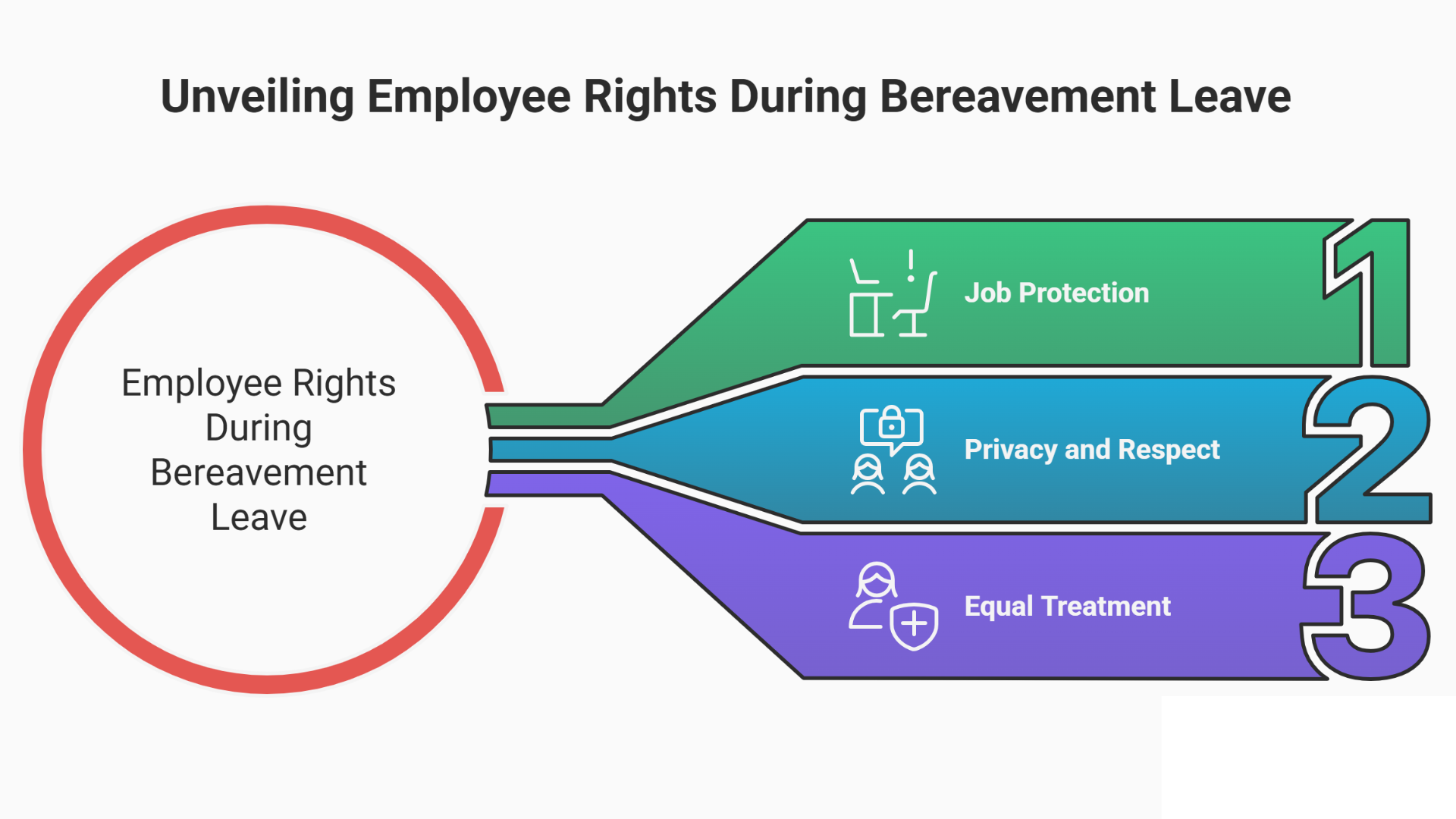
Employee Rights During Bereavement Leave
Bereavement leave rights focus on respect, safety, and fairness. Workers can enjoy their basic rights even when they are not paid for their time.
Job Protection
In many cases, employees cannot be fired just for taking approved leave. This is a key part of bereavement leave rights.
Privacy and Respect
Workers do not need to share details of their loss. A good bereavement leave policy protects privacy.
Equal Treatment
All employees should be treated the same under the policy. Fair use builds trust.
Understanding bereavement leave rights helps employees feel safe. It also guides managers to act with care. Respectful handling of loss builds a healthy work culture.
Creating a Clear Bereavement Leave Policy
A written bereavement leave policy removes stress during hard times. It is a step-by-step explanation in basic terms.
What to Include
A bereavement leave policy should clearly explain who qualifies, how long bereavement leave lasts, whether it is paid or unpaid, and how employees can use it in the event of a family loss.
Easy Request Process
The request process should stay simple and stress-free. A short email or basic form is enough. Employees should not be asked for long explanations or difficult proof.
Manager Training
Managers should receive basic training to handle bereavement leave with care. They must communicate kindly, respect privacy, follow the policy, and support employees without pressure or judgment.
A strong bereavement leave policy helps everyone. It answers the question: What is bereavement leave in action? Clear rules support calm and care when emotions run high.
Best Practices for Employers
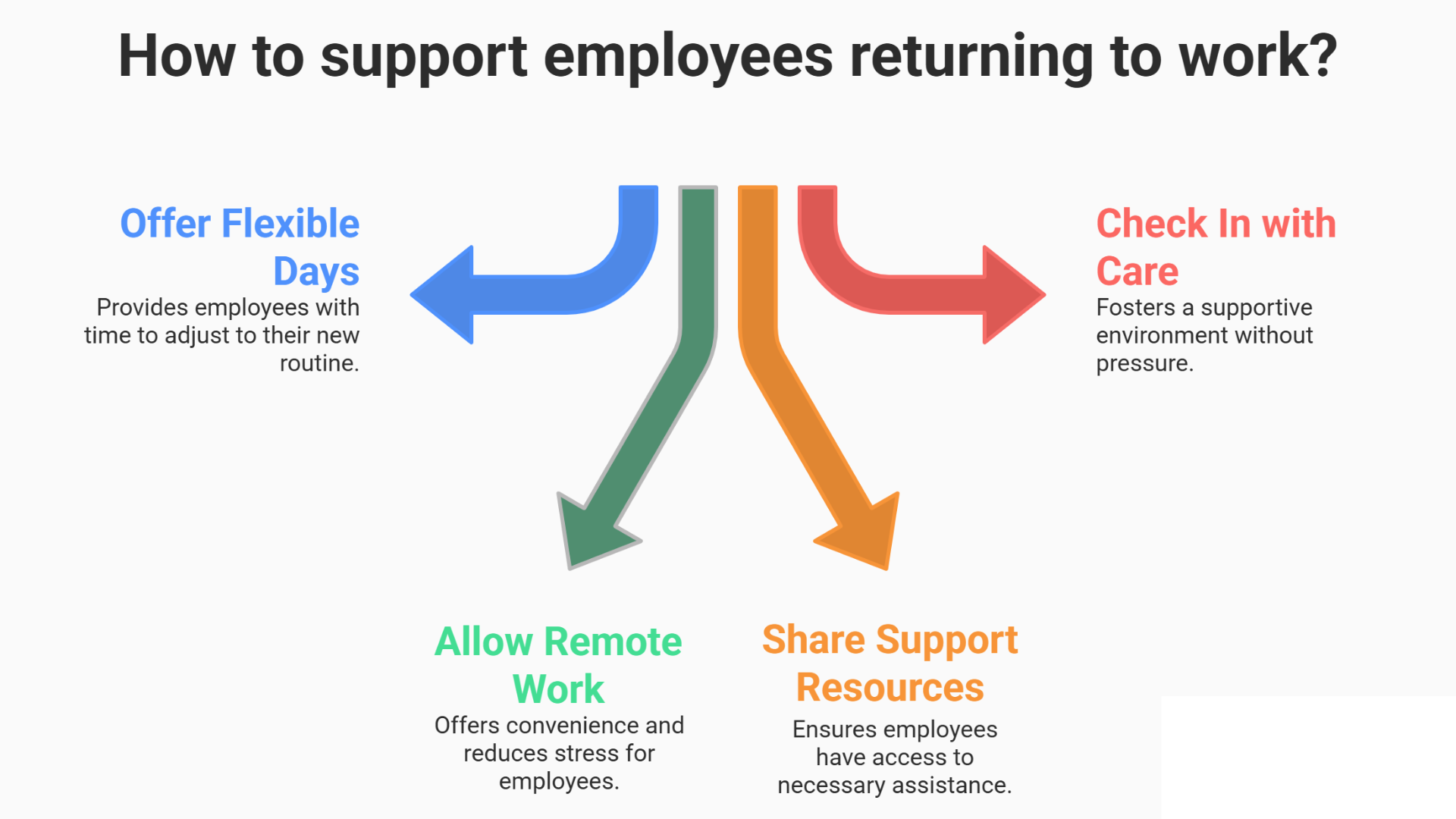
Best practices focus on people first while keeping work moving.
- Offer flexible days when possible.
- Allow remote work after return.
- Share support resources
- Check in with care, not pressure
These steps show respect. They improve trust and loyalty. Bereavement Leave handled well builds long-term team strength.
How Employees Should Use Bereavement Leave
Bereavement leave should be taken honestly and with care by employees. The time also supports emotional healing, family, and mental rest, enabling a healthier recovery and a return to work without feeling pressure or guilt.
Communicate Early
The employees are supposed to report the loss to their manager as soon as possible. A short message is sufficient and can help plan work in the absence of an employee.
Take Needed Time
The employees are supposed to use their leave to relax, mourn, and take care of their family members. It is important to take the time given to heal and avoid rushing back, as this may cause more stress.
Ask About Options
If more time is needed, employees must kindly request it for sick leave, telecommuting, or vacation days, as well as for assistance in balancing personal recovery and workplace duties.
Using Bereavement leave rights wisely helps recovery. It also helps maintain trust at work.
Supporting Teams After Loss
Assistance to employees to help them overcome loss through support, patience, and respect, and the realization that grief may hinder concentration and emotions, as well as the need to focus on teamwork, are crucial to recovery and stability in the workplace.
Gentle Welcome Back
A warm welcome back, with words of kindness and simple encouragement, makes employees feel secure and alleviates anxiety. It helps employees remember they are appreciated and honored, and that they are not being pressed into full production.
Flexible Workloads
After Bereavement, flexible workloads with fewer deadlines and lighter duties help employees regain focus, cope with feelings, reduce stress, and return to work gradually without being overwhelmed or pressured.
Ongoing Care
Continued attention to Bereavement requires patience, follow-up, time, and the realization that grief does not heal quickly but evolves, subsides, and requires compassion over time at the workplace.
Good support makes Bereavement Leave effective beyond the days off.
How Leelu.ai Supports Human-Centered Workplaces
Leelu.ai believes people come first. Although Leelu.ai is an AI recruiting copilot, the mission underpins healthy work cultures. By saving time in the hiring process, teams will be able to focus more on people in times of life, such as loss.
Leelu.ai helps businesses recruit faster and smarter, reducing stress on teams. Having more than 2,000 companies served and 85 percent time saved, leaders have space to be careful. The principles of respect, clear policies, and human support make a strong team.
A people-first workplace is not simply a policy matter. It is time to listen, act nicely, and be respectful. Leelu.ai helps by providing recruiting teams with a powerful toolkit that takes the pressure of hiring off their hands, allowing them to focus on the actual human connection.
How Leelu.ai builds people-first workplaces:
- Saves hiring time so managers can focus on employee well-being and support
- Reduces stress for HR teams by automating repetitive recruiting tasks
- Helps leaders respond calmly during employee life events like Bereavement
- Supports fair and inclusive hiring to build respectful teams
- Enables faster hiring without pressure or burnout
- Creates space for empathy, communication, and trust at work
Start creating a people-centered workplace with Leelu.ai today.
FAQs
What is bereavement leave?
It is leave provided to workers after a family loss to mourn and take care of their personal commitments.
How long is bereavement leave?
Three to five days are common among most companies based on the relationship and company regulations.
Is bereavement leave paid?
Others give paid time, but some give unpaid time depending on the policy.
What are the Bereavement leave rights?
They involve fair treatment, privacy, and job safety at approved time off.
Is there a bereavement leave law in the US?
The federal paid rule is not in existence, and certain states offer partial protections.


